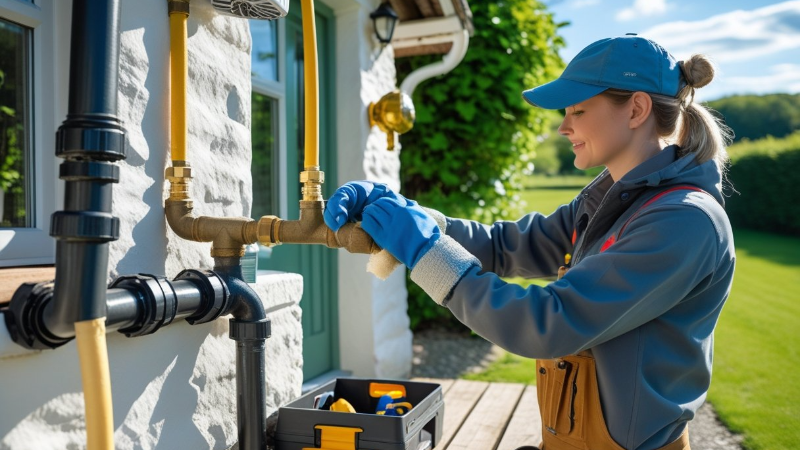
Best Ways to Protect Your Cottage Plumbing in Winter Without Stress or Hassle
Winter’s rough on cottage plumbing if you’re not prepared. Frozen pipes and burst water lines can turn into expensive disasters. The best way to protect your cottage plumbing in winter is to fully winterize your system by draining water, insulating pipes, and using heat where needed.
If you have a well, lake pump, or septic system, these require extra care—especially during harsh Ontario winters. A few simple steps now can prevent major headaches later. Harris Plumbing has helped many cottage and home owners in Muskoka, Barrie, and Orillia keep their plumbing safe and reliable through the cold months.
You want your plumbing to stay safe, whether you’re cozy inside or away for the season. Here’s a run-through of the most important things you should do so your plumbing’s ready for the freeze.
Understanding Cottage Plumbing Systems
Knowing how your cottage plumbing works makes it so much easier to keep it safe in winter. Pipes, pumps, and fixtures all have their own issues when it gets cold.
Common Winter Risks for Cottage Plumbing
When it’s freezing, pipes can ice up and burst. Water left in there expands as it freezes, building up pressure until the pipe cracks.
Frost can wreck outdoor faucets and any plumbing that’s not insulated well. If pipes freeze, you’re looking at leaks or even flooding once things thaw out.
Well and lake pumps—pretty common for cottages—are at risk if you don’t drain or insulate supply lines. If those get damaged, you could lose your water supply during winter.
And let’s not forget power outages. Winter storms can knock out sump pumps, which means flooded basements or crawl spaces.
Key Vulnerable Areas in Your Plumbing
Pipes running through unheated walls, crawl spaces, and attics are the first to freeze. These spots usually don’t have much insulation and get hit with cold air.
Outdoor taps and hoses? Same story. If you leave water in hoses or exterior pipes, it’ll freeze and leave you with cracks or blockages.
Pay extra attention to your well or lake pump’s intake and delivery pipes. Drain or insulate them so they don’t freeze up and damage the pump.
Inside, drains and traps can freeze if you don’t use or maintain them over winter.
Check all these areas before the cold sets in—trust me, it’s way cheaper than fixing burst pipes later.
Essential Winterization Steps
If you want your cottage plumbing to survive winter, you’ve got to get water out of the pipes, shut off the main valve, and clear out any leftover water with air pressure. Taking care of this now beats dealing with frozen pipes in January.
Draining Water Lines Properly
Turn on every faucet and fixture, inside and out, so water drains completely. Don’t forget low points like outdoor hose bibs—open those up and let everything run dry.
Remember toilets and appliances, too. Flush toilets a couple of times and drain your water heater if you have one. Even a little water left in the pipes can freeze and cause a mess.
Take your time here. Rushing and missing a spot can come back to bite you.
Shutting Off Main Water Supply
Find your main water shutoff valve—usually where the water line comes in, maybe the basement or crawlspace. Turn it off all the way.
After that, open indoor faucets again to let out any pressure and empty the pipes. If you have a pump system (well or lake), switch it off so it doesn’t run dry or get damaged.
This step’s a big one for preventing leaks and flooding when winter’s at its worst.
Blowing Out Pipes with Compressed Air
A good way to get rid of leftover water is with compressed air. Hook up an air compressor to your system’s drain point or an outside tap.
Keep the pressure low (around 40 psi) so you don’t damage anything. Blow air through each line until nothing but air comes out. This helps push out water hiding in weird spots.
Not sure how to do this? You can always call in the pros. Harris Plumbing has skilled technicians who’ll do it safely and make sure your pipes are ready for winter.
Insulating Pipes for Cold Weather Protection
Keeping your cottage plumbing from freezing starts with solid insulation. Pick tough materials, cover every exposed pipe, and make sure outdoor faucets are shielded from frost. This goes a long way toward preventing burst pipes.
Choosing the Right Insulation Materials
Get insulation that fits snugly around your pipes. Foam pipe sleeves are easy to use and work well. Look for stuff rated for below-freezing temps, like polyethylene or rubber foam.
Skip newspaper or towels—they just don’t cut it. Use insulation tape to seal up gaps and seams. For pipes in unheated spots like crawl spaces or attics, go for thicker insulation or heat tape.
Not sure what’s best? Harris Plumbing can help you pick the right insulation for your setup.
Wrapping Exposed Pipes
Pipes outside heated walls need extra attention. Clean and dry them first, then slip on foam insulation or wrap with fiberglass piping tape.
Use plastic wrap or duct tape to keep insulation in place and block moisture. Focus on bends and joints—cold air loves to sneak in there.
For pipes near windows or vents, electric heat tape can help. Just remember to test it before winter hits.
Protecting Outdoor Faucets
Outdoor taps are freeze magnets. Shut off the water supply to these from inside, then drain any leftover water.
Pop on an insulated foam cover or use pipe covers made for outdoor taps. Even a towel or old sweater in a plastic bag works in a pinch.
Don’t leave hoses connected outside—take them off before things freeze. That way, you won’t end up with burst pipes under the tap.
If you want help with insulation or winterizing, Harris Plumbing has trusted experts around Muskoka and nearby.
Preventing Frozen Pipes
To keep frozen pipes at bay, keep your cottage warm enough, let faucets drip when it’s really cold, and seal up any drafts. These steps can save you from a world of trouble.
Maintaining Safe Indoor Temperatures
Keep your cottage above 4°C (40°F) all winter. If you’re leaving, don’t set the thermostat lower than that. Pipes in walls and crawl spaces are most at risk, so make sure they’re getting some heat.
Space heaters help in cold spots, but use them safely. A programmable thermostat keeps things steady without wasting energy. If you’re not heating the place at all, shut off and drain the water system before winter.
Allowing Faucets to Drip
When it’s below freezing, crack open faucets just enough to drip. Moving water is less likely to freeze. Focus on taps connected to pipes in unheated or outside walls.
Drip both hot and cold taps—keeps water moving everywhere. Yeah, it’ll bump your water bill a bit, but that’s nothing compared to fixing burst pipes. With lake or well pumps, regular water movement helps protect those systems too.
Sealing Drafts and Cracks
Look for spots where cold air can sneak in near pipes—gaps around windows, under doors, basement vents, places where pipes go through walls. Use weatherstripping or caulk to seal them up.
Add insulation foam or sleeves around exposed pipes. Even tiny drafts can freeze pipes fast, so don’t skip this. Harris Plumbing always suggests sealing drafts before winter gets serious.
Safeguarding Water Tanks and Fixtures
Water tanks and fixtures need protection from freezing, or you’ll end up with costly repairs. This means keeping water heaters warm and making sure toilets and drains don’t freeze or crack when it’s bitter cold.
Insulating Water Heaters and Storage Tanks
Wrap your water heater and storage tanks in thick insulation blankets designed for plumbing. This keeps heat in and cold out. Pay close attention to tanks in unheated spots like basements or closets.
Use foam insulation on all exposed pipes leading to the tanks. Seal up gaps around panels and vents to keep out drafts. A small heat cable with a thermostat can help too.
Check insulation regularly for damage or moisture. Swap out anything that’s worn or wet. For cottages in Muskoka and Simcoe County, this is extra important—winters there get nasty.
Winterizing Toilets and Drains
If you’re not using the cottage, toilets can freeze and crack. Drain all the water from toilets, then add non-toxic plumbing antifreeze to the bowl and tank.
For drains, pour some antifreeze or drain de-icer into sinks, tubs, and floor drains before winter. This keeps water in the trap from freezing and blocking your pipes.
Keep toilet lids closed and insulate exposed pipes. If you’ve got a septic system, check with your plumber about winter maintenance.
Planning for Extended Absences
Leaving your cottage empty for winter? A few easy steps will keep your plumbing safe. Things like adding antifreeze and setting up property checks can save you from a big repair bill.
Using Antifreeze in Traps and Drains
Pour non-toxic antifreeze into every drain trap before you go. This keeps water inside from freezing and cracking the pipes. Focus on toilets, sinks, floor drains—anywhere water might sit.
Use antifreeze made for plumbing systems, not automotive stuff. Pour enough to cover the trap, usually half a cup does the trick.
Make sure you’ve drained the plumbing before adding antifreeze. Flush toilets and run taps until empty first.
Arranging Regular Property Checks
Have someone check your cottage every week or two. They can spot frozen pipes, leaks, or other issues before they get out of hand.
Pick a neighbor or hire a local service, especially if you’re far away. Ask them to check taps, pipes, and sump pumps. They should also test your heating system if it’s on.
Leave clear instructions—what to look for and who to call if there’s trouble. Harris Plumbing can help you prep your cottage and suggest reliable local property checks.
Emergency Preparations and Quick Fixes
Winter plumbing emergencies happen. If you’re ready, you’ll handle them a lot better. Knowing how to spot frozen pipes and having a few tools on hand can really save the day.
Recognizing and Thawing Frozen Pipes
Frozen pipes usually mean low water flow or nothing coming out at all. You might see frost on the pipe or hear weird noises when you turn on the tap.
To thaw pipes:
- Use a hairdryer or heat pack, starting near the tap and moving toward the frozen spot.
- Don’t use open flames—too risky.
- Warm towels work if you don’t have a heat source.
If a pipe bursts, shut off your main water valve right away to prevent flooding. For serious damage, call a pro like Harris Plumbing.
Creating an Emergency Plumbing Kit
Your kit should have what you need to deal with winter plumbing issues fast. Pack:
- Pipe insulation tape and heat tape
- A pipe wrench and adjustable wrench
- Towels and buckets for leaks
- A hairdryer or portable heat source
- Plumber’s tape and pipe repair clamps
- Flashlight and spare batteries
Keep the kit in a dry spot near your main water shutoff. If your cottage is out in Muskoka or Simcoe County, you’ll want it close by. A little prep here can bring some peace of mind all winter.
Long-Term Solutions and Upgrades
If you want your cottage plumbing to last through many winters, it’s worth looking at long-term fixes. Using fixtures made to prevent freezing and upgrading old plumbing systems can make a huge difference when the cold comes back around.
Installing Frost-Proof Fixtures
Frost-proof fixtures keep water inside the warmer part of your cottage, so pipes are less likely to freeze. These taps use long stems that move the shut-off valve inside your house, where it’s warmer. That way, water isn’t left sitting in the cold section of the faucet, and it’s less likely to freeze up.
If you use garden hoses or sprinklers, swapping out old outdoor taps for frost-proof ones is worth considering. They help prevent cracks or leaks that ice expansion can cause.
When you install frost-proof taps, make sure they’re sloped correctly so water drains out once you turn them off. Harris Plumbing can handle the installation, making sure everything meets Ontario building codes and works through those unpredictable freeze-thaw cycles.
Modernizing Old Plumbing Systems
A lot of older cottages still have plumbing made from galvanized steel or polybutylene. Those materials can corrode or crack as the years go by. Switching to PEX or copper pipes cuts down on leaks and reduces the risk of pipes bursting when it gets cold.
Take a look at your cottage’s plumbing—are any underground pipes exposed to cold air, or do you have water lines that aren’t insulated well? Adding insulation sleeves or rerouting pipes into heated spaces can make a big difference.
Modern plumbing setups usually include good shut-off valves, so you can drain water quickly before winter. That’s especially useful if you’re planning to leave the cottage empty for a while.
Harris Plumbing does inspections and replacements with durable materials that hold up in Ontario’s climate. Upgrading your system adds years to its life and can help you avoid those expensive repair calls down the road.
Final Winter Checklist for Cottage Plumbing
Before winter hits, run through this quick checklist to protect your plumbing. First up: drain all outdoor hoses and disconnect them from spigots so they don’t freeze.
If you’re leaving the cottage empty, turn off the main water supply and drain the indoor pipes. Open all your taps to let water out and relieve pressure.
Look over your pipes for cracks or leaks. Even a tiny crack can turn into a huge headache when it gets cold. Insulate any exposed pipes, especially in areas that don’t get much heat.
If you use a sump pump, test it before winter. A working sump pump can save you from water damage during those spring thaws, especially in places like Muskoka or Simcoe County.
Jot down emergency contacts, including your local plumber. Harris Plumbing offers winter-check services and can help you get ready with practical advice.
| Task | Action Needed | Why It Matters |
|---|---|---|
| Drain outdoor hoses | Disconnect and drain fully | Prevent pipe bursts from freezing |
| Turn off main water supply | Shut off and open taps | Avoid pipe damage while away |
| Inspect pipes | Check for leaks and cracks | Stop pipes from breaking |
| Insulate exposed pipes | Apply sleeves or wrap | Keep pipes warm in cold spots |
| Test sump pump | Run test and check battery | Prevent flooding from melting snow |
If you’re in Aurora, Newmarket, or Richmond Hill, Harris Plumbing’s team can assist with everything from well pump maintenance to septic system care, ensuring your home or cottage plumbing runs smoothly year-round.
Frequently Asked Questions
Protecting your cottage plumbing in winter takes a few key steps. Using antifreeze properly, keeping water moving, and securing outdoor pipes all help avoid frozen and burst pipes.
How do I prepare my cottage plumbing for freezing temperatures?
Drain all water from pipes and fixtures before it gets cold. Shut off the main water valve and open taps to let any leftover water out. Insulate exposed pipes, especially in spots that don’t get much heat.
What's the proper way to use antifreeze in my cabin's pipes for winterization?
Use only non-toxic, RV, or marine antifreeze made for plumbing. Pour it into drains, toilets, and traps after you’ve drained the water. Don’t use regular automotive antifreeze—it’s not safe for this.
Can keeping my faucets open prevent my cottage pipes from freezing?
Letting faucets drip slowly does help keep water moving, which makes freezing less likely. This trick works best in small, vulnerable areas and on really cold nights.
What steps should I take to winterize the plumbing in an unheated vacation home?
Drain water from pipes, water heaters, and tanks. If you can, blow out the lines with an air compressor. Add antifreeze to drains and traps, then make sure all valves are closed and insulated.
Are there any special precautions needed to protect outdoor pipes in winter?
Yes—disconnect garden hoses and drain outdoor faucets. Use insulated covers on outdoor taps. If you have well or lake pumps, make sure their pipes are buried below frost level or wrapped with insulation.
What long-term measures should I consider to ensure the durability of my property's plumbing in cold climates?
Think about adding pipe insulation and using heating cables where it really matters. Upgrading to frost-resistant pipes is another smart move, especially if you’ve had issues before. Honestly, if you’re not sure where to start, a reliable plumber—say, Harris Plumbing—can come take a look and offer advice that actually fits your place, whether you’re in Muskoka, York Region, or somewhere nearby.