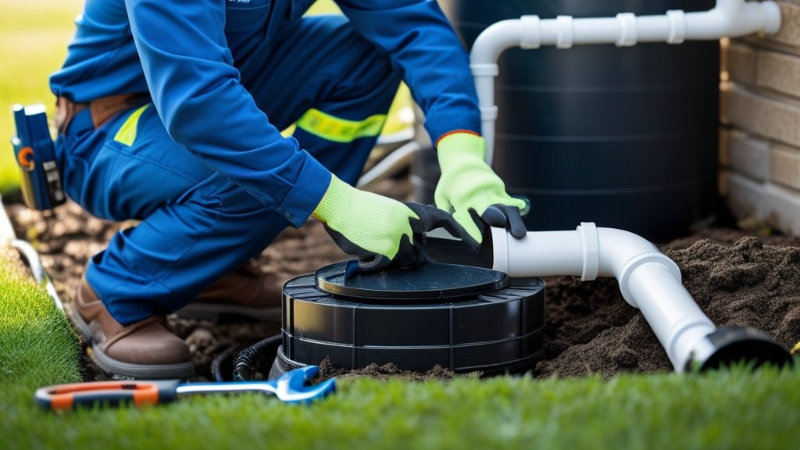
Septic System Plumbing Barrie Tips for Easy Maintenance and Repairs
If you rely on a septic system for your home or cottage, it’s important to understand how it works. A little knowledge goes a long way in keeping everything running smoothly.
Septic systems need proper maintenance and expert plumbing to avoid costly repairs and health hazards. Whether you live in Simcoe County, Muskoka, or York Region, understanding how your septic system connects to your plumbing helps you spot problems early.
Rural communities around Barrie, Orillia, and Muskoka often face challenges with septic systems like frost heave or poor drainage. A reliable local plumber with experience in septic systems, sump pumps, and well water setups can help keep your property safe.
With over 51 years of service, Harris Plumbing offers expertise to keep your septic system in good shape year-round.
Understanding Septic System Plumbing in Barrie
Septic systems in Barrie need special attention to meet local codes and handle the province’s soil and climate. Knowing the key parts, how they work, and which types are common will help you manage or install your system properly.
Essential Components of a Septic System
A typical septic system has three main parts: the septic tank, the drain field, and the soil absorption area. The septic tank collects wastewater from your home and separates solids from liquids.
Heavy solids settle as sludge, and lighter materials float as scum. The liquid part flows into the drain field, a network of pipes buried underground that distributes the wastewater.
The soil absorbs and treats the water, removing harmful bacteria and nutrients. Other important components include baffles inside the tank, which direct wastewater properly.
Access risers make maintenance easier. Regular inspection and pumping keep these parts working well.
How Septic Systems Work in Residential Properties
Your home’s wastewater leaves through pipes into the septic tank. Inside, natural bacteria break down the solids and reduce sludge buildup.
After treatment in the tank, the liquid wastewater moves to the drain field. The drain field’s gravel and soil filter the water, cleaning it before it reaches groundwater.
This process depends on soil type and climate, both important in Barrie’s changing weather. The system size depends on your home’s size and water usage.
Overloading the system can cause backups or leaks that damage your property and the environment.
Types of Septic Systems Used in Barrie
Barrie homes mainly use conventional septic systems, which rely on a simple tank and drain field. These systems work best with good soil and enough space for the drain field.
For properties with poor soil or limited space, advanced systems like raised bed or chamber systems are common. These help treat the water better or use less space underground.
In rural areas or cottages, you might also find holding tanks or pressure distribution systems. These types handle lots of water or challenging sites but need more regular maintenance.
Choosing the right system requires a professional assessment, including soil tests and local code requirements.
Barrie-Specific Septic System Regulations
When planning or managing a septic system in Barrie, you must follow clear rules on installation, maintenance, and inspection. The province sets specific standards through the Barrie Building Code, permits, and inspection steps to protect your property and local water sources.
Key Legal Requirements for Installation
In Barrie, your septic system must meet rules set by provincial laws and local health units. You need to install the system away from wells, water bodies, and property lines to prevent contamination.
The system size depends on your home’s daily water use, and you must use approved materials and design methods. Only licensed professionals can install or repair septic systems.
This ensures work is done safely and up to code. You must also keep records of the installation and any repairs for future reference.
Ignoring these legal steps can lead to fines or costly repairs.
Barrie Building Code Guidelines
The Barrie Building Code requires specific features to keep your septic system safe. One example is installing a “high loop” or air gap on drain lines.
This stops dirty water from flowing backward into your home’s clean water. The code also sets rules on pipe size, slope, and tank construction materials.
Your system must include a septic tank connected to a leaching bed or field that safely disperses wastewater underground. The installation site needs proper soil and drainage conditions, verified by tests.
Meeting these code rules helps keep water clean and prevents health risks.
Permitting and Inspection Processes
Before building or upgrading your septic system, you must get a permit from your local health unit or municipality. This permit confirms your design meets Barrie’s rules.
During installation, inspectors visit the site to check the work at different stages. After final inspection, you receive approval to use the system.
Regular inspections may be required to check for leaks or blockages. Following the permit and inspection process keeps your system compliant and reduces the risk of failures.
Septic System Installation Process
Installing a septic system in Barrie requires careful planning and specific steps. You will need to evaluate your land, pick the right system type, and decide between hiring a pro or doing it yourself.
Site Assessment and Soil Testing
The first step is a site assessment, which checks the size, slope, and location of your property. This helps determine where the septic system can go without causing problems.
Soil testing is essential. A professional will dig test holes to examine the soil's ability to absorb and filter wastewater.
In Barrie, good percolation rates are necessary for the system to work properly and comply with local rules. Without proper soil testing, your system might fail or pollute nearby water.
Make sure to follow guidelines from your local health unit or municipality.
Choosing the Right System for Your Property
You have several septic system types to choose from, such as conventional trench systems, chamber systems, or mound systems. Your choice depends on soil conditions, property size, and water table levels.
A conventional system works well in porous, well-drained soil. If your soil has lots of clay or is shallow, a mound system might be better.
These systems raise the drain field above ground for safer treatment. You should consider the size of your household and expected wastewater.
The system must handle your daily use without backups or leaks. Discuss options with a licensed plumber to find the safest fit.
Professional Installation Versus DIY
Septic system installation is complex and regulated in Barrie. Hiring licensed journeyman plumbers ensures all steps meet safety and municipal regulations.
Professionals have experience with permits, inspections, and proper equipment. This reduces risks of errors or costly repairs.
They also offer warranties on their workmanship. DIY might save money upfront but can lead to costly problems later.
If you choose this route, thoroughly research local rules, site requirements, and install every part correctly to protect your home and environment.
Routine Maintenance for Septic Systems
Keeping your septic system well-maintained protects your home and property from costly repairs. Regular checks, cleaning, and timely pumping help your system work correctly and last longer.
Recommended Pumping Intervals
How often you pump your septic tank depends on the size of the tank and the number of people using it. Most Barrie homes need their septic tank pumped every 3 to 5 years.
If you have a larger family or use water-intensive appliances, you might need to pump more often. Failing to pump on time can cause solids to overflow into the drain field, leading to blockages and system failure.
To find your exact pumping schedule, check local guides from Barrie health units or contact licensed plumbers who know the area’s soil and conditions well.
Effective Cleaning and Care Tips
Inspect your septic system regularly for leaks or damage. Look under sinks, around toilets, and near appliances for standing water or unusual smells.
Avoid flushing items like wipes, grease, or harsh chemicals. These harm the bacteria needed to break down waste.
Using water efficiently by fixing leaks and spreading out laundry loads also reduces strain on the system. Keep the area around your septic tank clear of heavy machinery or deep-rooted plants.
These can damage pipes or cause blockages in septic drain fields.
Common Signs of Septic System Problems
Watch for slow drains or toilets that back up, as these often point to blockages. Bad odours near your tank or drain field can mean leaks or system failure.
Pooling water or soggy spots in your yard, especially near the tank or field, show that your system is not absorbing water properly. This can affect nearby wells and groundwater.
If you notice any of these signs, call a licensed Barrie plumber quickly. Early repairs often cost less and prevent damage to your property.
Common Plumbing Issues With Septic Systems
You may experience plumbing problems that reduce your septic system's efficiency or cause damage. These issues often involve blockages, odours, or system failures that need quick attention.
Blocked Drains and Pipes
Blockages happen when solids, grease, or non-flushable items clog pipes or the septic tank. This can cause slow drains or backups in your home.
Common causes include flushing wipes or feminine products. Tree roots growing near pipes can also cause blockages.
If you notice slow drainage or water backing up into sinks or toilets, it’s a sign of a blockage. Regular inspections and pumping every 3-5 years help avoid these problems.
Using drain screens and being careful with what goes down your drains will lower your risk of clogs and keep your septic system working well.
Odour and Leak Troubleshooting
Smelly odours near your septic system could mean a leak or improper ventilation. Leaks can appear around tank lids, pipes, or your drain field.
Leaks waste water and may damage your lawn or foundation if left unchecked. You might see soggy spots or pools of water where your system is buried.
Strange smells inside your home, especially near drains or toilets, can also point to plumbing issues linked to your septic system. If you notice odours or wet areas outside, call a licensed plumber.
They can locate leaks and fix ventilation problems before they cause bigger damage.
Identifying Tank or Field Failures
Septic tank or drain field failure can happen if solids leave the tank and clog the soil or if the field becomes too saturated. Signs include slow drains, sewage backing up, sewage surfacing on the lawn, or lush grass patches due to excess moisture.
If your system is over 20 years old, schedule regular checks to catch issues early. Heavy rain or flooding can also cause field failure.
Ignoring these signs can lead to expensive repairs or system replacement. Licensed plumbers can perform thorough inspections and recommend timely maintenance or repairs.
Cost Considerations for Septic System Plumbing
When dealing with septic system plumbing, you need to understand the costs involved in installation, upkeep, and repairs. Pricing varies depending on the location, system size, and any special conditions on your property.
Typical Installation Expenses
Installing a septic system in Barrie can cost between $10,000 and $30,000. The price depends on your home’s size, soil conditions, and local regulations.
If your property is in Barrie, Orillia, and Newmarket, special permits may add to the cost. You’ll also pay for site inspection, excavation, and materials like tanks and pipes.
Installing a system with a pump or advanced treatment might increase costs. A licensed journeyman plumber ensures the work meets Barrie’s standards.
Maintenance and Repair Costs
Routine maintenance helps keep your septic system working well and can prevent costly repairs. Pumping your tank every 3 to 5 years usually costs between $200 and $400.
Repairs depend on the problem. Small leaks and minor fixes might cost a few hundred dollars.
Bigger repairs like replacing a drain field could run into the thousands. If you notice slow drains, bad smells, or soggy ground near the septic area, call a professional right away.
Financial Assistance and Rebates in Barrie
Some parts of Barrie, Orillia, and Muskoka may offer financial help for septic system upgrades or repairs, especially if you are improving environmental standards. Look for provincial or municipal grants in regions like Simcoe County or Muskoka that support water protection projects.
You might qualify for rebates if you install eco-friendly components or replace old systems. Contact local government offices to check eligibility.
Eco-Friendly and Advanced Septic Solutions
You can improve your septic system’s efficiency while protecting the environment. Using alternative treatments, saving water, and applying green technologies all help reduce waste and keep your system working well longer.
Alternative Treatment Options
Instead of traditional septic tanks, you might consider advanced treatment systems. These include aerobic treatment units (ATUs) that use oxygen to break down waste faster.
ATUs produce cleaner effluent, which reduces damage to soil and nearby water. You can also find sand filters or constructed wetlands.
These systems treat wastewater naturally before it returns to the ground. They often work well in areas with sensitive soils or stricter local rules in Barrie.
Licensed plumbers can help you select the best option based on your property’s needs.
Water Conservation Practices
Using less water limits the load your septic system handles. This helps prevent clogs and backups.
You can install low-flow faucets, showerheads, and toilets to reduce daily water use. Fixing leaks quickly is important too.
Even a slow drip wastes gallons and stresses the system. Try to spread out water usage.
Running the dishwasher, laundry, and showers at different times keeps your septic tank from filling too fast. Simple habits like these save water and extend your system’s life.
Green Technologies for Septic Systems
New septic system technology focuses on energy efficiency and self-monitoring. Some systems have sensors that alert you or your plumber if something is not working right.
These alerts can prevent costly damage. Solar-powered pumps can move wastewater using less electricity.
This lowers your carbon footprint and reduces energy costs. Advanced filters and bio-additives improve waste breakdown and reduce bad odours.
These solutions help keep your system clean while protecting the local environment. This is especially important around cottages and rural homes in Barrie, Orillia, and Muskoka
Choosing a Qualified Septic System Plumber in Barrie
Finding the right plumber means looking for licensed skills and asking the right questions. Trusting local experts helps ensure your septic system is installed or repaired correctly.
Assessing Qualifications and Experience
Start by checking if the plumber is a licensed journeyman. Licensed plumbers in Barrie, Orillia, and Muskoka have verified training that meets provincial standards.
This means they know how to handle septic systems safely and effectively. Experience matters, especially with septic system plumbing.
Look for plumbers who have worked in your region for several years. Barrie's rural plumbing challenges, like handling cold winters and heavy soil, require specific know-how.
Ask if they specialize in septic systems or related services, such as sump pump installation or well pump repair. Choosing a plumber with a full range of rural plumbing skills can give you more reliable results.
Questions to Ask Before Hiring
When talking to a plumber, be clear about what you need. Ask about their experience with septic systems specifically.
Find out what permits or inspections they will handle for you during the project. Ask how they price their work.
Transparent, upfront pricing avoids surprises later. You should also inquire about warranties or workmanship guarantees to protect your investment.
Ask about their emergency service availability. Septic system problems can be urgent, and having a plumber who responds quickly can prevent bigger damage.
Check if they carry insurance and licenses required by Barrie’s regulations. This protects you if anything goes wrong during the job.
Benefits of Hiring Local Barrie Experts
Local plumbers understand Barrie’s unique plumbing needs, including seasonal issues like freezing pipes and heavy rains. They know local regulations, which makes permit management smoother.
Barrie-based experts, like those in Barrie, Orillia, and Newmarket, have built reputations by serving their communities for decades. This means they prioritize good quality work and trustworthiness.
Hiring local also means faster service times and easier communication. If you need follow-up maintenance or emergency repairs, the plumber is close by.
Local companies are more likely to provide clear pricing and guarantee their work. This gives you peace of mind for your septic system’s long-term health.
Winter Maintenance Tips for Ontario Septic Systems
Winter can be tough on your septic system in Ontario. Cold temperatures may freeze pipes and slow down natural bacteria that break down waste.
To help your system work well through the season, take some simple steps. Keep snow piled over your septic tank and drain field.
A good layer of snow acts like insulation and protects pipes from freezing. Avoid heavy traffic over these areas to prevent damage.
Be mindful of water use inside your home. Try to spread out laundry loads and avoid using too much water at once.
This helps prevent overload and freezing in the system. Check for any leaks around toilets and taps before winter hits.
Even a small leak wastes water and can freeze in cold weather. Fix leaks quickly to save money and avoid costly repairs.
Avoid flushing items like wipes, grease, or harsh chemicals. These products can harm the bacteria needed for your septic system.
Stick to toilet paper and natural household cleaners. Consider adding a floating septic tank cover if your system is in a cold spot.
It helps keep warmth in and ice out. If you notice slow drains or backups, contact a licensed plumber in York Region, Barrie, or Muskoka right away.
| Winter Septic Tips | Why It Matters |
|---|---|
| Leave snow cover on tank area | Insulates pipes from freezing |
| Spread out water use | Prevents system overload and freeze |
| Fix leaks early | Stops water waste and pipe damage |
| Flush only safe materials | Protects bacteria that treat waste |
Resources for Homeowners in Barrie
If you have a septic system in Barrie, it's important to know where to find help and information. Licensed plumbers with experience in rural and cottage plumbing can guide you through repairs and maintenance.
Always choose experts who understand Barrie’s specific rules and soil conditions. To keep your system working well, start with regular inspections.
You can find local professionals in areas like Barrie, Orillia, and Newmarket who are trained in septic system services. They can spot leaks, blockages, or signs of failure early.
Here are useful resources you might want to check:
| Resource | What It Offers | Region Focus |
|---|---|---|
| Licensed Plumbing Services | Septic repairs, inspections, upgrades | Ontario-wide |
| Municipal Health Units | Septic system guidelines and permits | Local municipalities |
| Ontario Ministry of Environment | Septic system regulations and advice | Provincial |
If you spot any leaks or plumbing issues, act promptly to save time and money. Professionals with licences are your best choice to fix problems correctly the first time.
For questions on septic system care or emergency repairs, you can reach out to family-run local businesses. They provide upfront pricing and quality workmanship, and they know the unique needs of Barrie homes.
Frequently Asked Questions
Knowing when to check your septic system, what you can flush, and signs of trouble helps keep your system working well. It’s important to follow Barrie’s rules when installing or repairing your system.
How often should I have my septic system inspected in Barrie?
You should have your septic system inspected every 3 to 5 years. More frequent inspections are needed if your system is older or you notice any issues.
What are the legal requirements for installing a new septic system in Barrie?
New septic systems must meet Barrie’s Building Code and local health unit regulations. You need a permit and the system must be installed by a licensed professional.
Can I maintain my septic system myself, or should I hire a professional?
You can do some basic maintenance like conserving water and avoiding harsh chemicals. But it’s best to hire a licensed plumber for inspections, pumping, and repairs.
What are the common signs of a failing septic system?
Watch for slow drains, sewage smells, wet spots near the tank, or sewage backing up into your home. These signs mean you should call a professional right away.
What should I avoid flushing down to protect my septic system?
Do not flush grease, wipes, plastics, chemicals, or non-biodegradable items. These can clog or damage your septic system.
Are there any government grants available for septic system repair or replacement in Barrie?
Some local Barrie health units and municipalities offer grants or loans to help with septic repairs or replacement.
Check with your local government for current programs.