Back Up Sump Pump Options for Peace of Mind During Power Outages
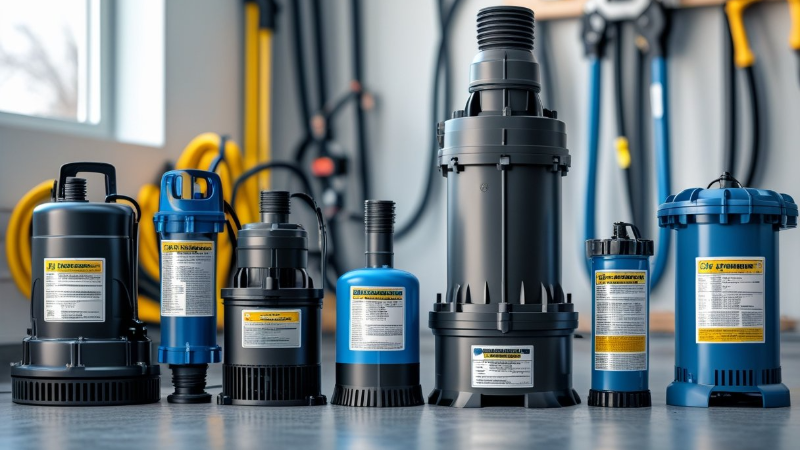
When storms roll in or the lights go out, a solid backup sump pump can be the difference between a dry basement and a disaster. Backup sump pump options keep your basement dry even during blackouts. Most systems run on batteries for several hours, buying you time and saving you from water damage.
Picking the right backup sump pump really depends on how long you need coverage and how unreliable your power is. Battery life usually falls between 3 and 5 years, giving you 4 to 8 hours of backup. Harris Plumbing gets how crucial it is to match the right setup to your home—especially if you’re lakeside or out in the rural stretches of Simcoe County or Muskoka.
You don’t need to be a plumbing pro or memorize specs. With experienced folks like Harris Plumbing, you can find sump pump backup options that actually work for your situation. That way, you’re not left scrambling when the weather turns nasty.
Understanding Back Up Sump Pump Options
A backup plan for your sump pump? Super important. It’s your best line of defence for your home or cottage when things go sideways. Backup sump pumps come in a couple of main types and step in when your main pump fails or the power’s out. If you know what’s at stake, it’s a lot easier to pick the right one.
Why You Need a Back Up Sump Pump
Power cuts and pump breakdowns are more common than you might think. Your main sump pump needs electricity, so if the power dies during a storm, your basement could flood in no time. A backup pump keeps things moving even when the main one’s out.
If your primary pump clogs or just gives up, a backup is a lifesaver—especially in places like Simcoe County or Muskoka, where wild weather is the norm. For homes and cottages alike, a backup means you’re not gambling with expensive repairs.
Risks of Not Having a Backup
No backup sump pump? You’re rolling the dice with basement flooding every time the power goes or your pump fails. Water damage, mould, even a shaky foundation—none of it’s cheap to fix.
Water sneaking in will ruin your stuff and mess with your air quality, too. Relying on just one pump is risky. A backup cuts that risk and keeps your home a whole lot safer.
Types of Back Up Sump Pumps
You’ve got two main choices: battery-operated or water-powered.
- Battery-Operated Pumps: Run on a sealed battery, so they kick in during outages. They’ll go for hours, depending on the battery, and usually come with alarms to let you know if something’s wrong.
- Water-Powered Pumps: Use your home’s water pressure—no electricity needed. As long as water’s flowing, they’ll work, but they can burn through water fast and aren’t for every home.
Some setups actually combine both for extra security. Harris Plumbing can walk you through your options and help you choose what fits.
Battery Backup Sump Pumps
Battery backup sump pumps are your insurance policy for when the main pump loses power. These rely on rechargeable batteries and offer a safety net during outages. Knowing how they work and what to look for makes picking one a lot less overwhelming.
How Battery Backup Systems Work
When your main sump pump fails or a blackout hits, the battery backup pump jumps into action. It runs off a sealed lead-acid or lithium-ion battery and powers a smaller pump.
This setup keeps water out even if the storm knocks out your hydro. The backup pump usually runs on 12-volt DC from the battery. Once the battery’s drained, that’s it—so checking it regularly is smart.
The backup pump usually fits right in your existing sump pit, working alongside your main system. It’s a must-have for peace of mind, especially in rural or cottage areas.
Battery Types and Longevity
Most backup sump pumps use sealed lead-acid batteries—affordable, reliable, but you’ll need to swap them out every 3 to 5 years.
Some higher-end systems use lithium-ion batteries. They last longer and charge faster, but they’re pricier. Either way, you’ll need to keep an eye on water levels, connections, and the battery’s charge.
Battery life really depends on how much you use it and how well you look after it. Usually, you’ll get 5 to 7 years if you keep it dry and replace it before it dies.
Top Features to Look For
When you’re shopping for a battery backup sump pump, keep these in mind:
- Automatic switch-on when the main pump fails or power cuts out
- Battery charge indicator so you’re not guessing
- Maintenance alerts for low battery or system faults
- Waterproof, corrosion-resistant design—because basements get wet
- Quiet operation—no one wants a noisy basement
Some systems even offer remote monitoring, which is handy if you’re away a lot.
If you’re in Aurora, Richmond Hill, and Stouffville and want advice or help with installation, the licensed journeyman plumbers at Harris Plumbing can get your system set up right.
Water-Powered Backup Sump Pumps
Water-powered backup sump pumps use your home’s water supply to clear out your basement when the power’s gone. They’re reliable in the right situations but do have their quirks and installation needs.
How Water-Powered Systems Operate
A water-powered backup sump pump uses your municipal water line or well system’s pressure to suck water out of your sump pit. When the power’s out, water flows through a jet pump, creating a vacuum to pull water away from your house.
No batteries, no electricity—these just work as long as you’ve got water pressure. But they use a lot of water, and if your pressure is low or inconsistent, they might not keep up.
Installation Requirements
For a water-powered sump pump, you’ll need to hook it directly to your home’s potable water line. That usually means calling in a licensed plumber. You’ll need the right size water line, a backflow prevention device, and a discharge pipe leading outside.
Since these use your drinking water, Ontario and other Canadian regions require backflow devices to keep things safe. This type of setup works best if you’ve got steady, reliable water pressure—think municipal systems or a well with a pressure tank.
Harris Plumbing can make sure your system is up to code and safe, especially if you’re in Aurora, Richmond Hill, and Stouffville.
Pros and Cons of Water-Powered Pumps
Pros:
- No batteries to buy or replace.
- Runs without electricity, so it’s great for long outages.
- Pretty low maintenance.
Cons:
- Uses a lot of water, so your bill might spike during storms.
- Won’t work well with weak or inconsistent water pressure.
- Needs pro installation and must meet plumbing codes.
Think about these before deciding if a water-powered backup pump is right for you. Harris Plumbing’s been at this for over 51 years in Ontario—they can help you pick what works for your home.
Combination Primary and Backup Sump Pumps
Pairing a primary sump pump with a backup gives you double the protection. Usually, it’s an electric primary pump and a backup that’s battery- or water-powered. It’s a smart move if you want reliable switching and easier maintenance, though you’ll need a bit more space.
Integrated System Benefits
With an integrated system, the two pumps work together. If your main pump can’t keep up or stops, the backup jumps in.
You get more peace of mind during storms or outages. The backup runs on battery or water pressure, so you’re not left hanging if the power’s out.
You can usually monitor both pumps from one control panel, making it easier to spot issues before they become big problems.
Ease of Maintenance
It’s actually simpler to maintain a combined system since the pumps share components. Just check common parts like pipes and switches regularly.
Battery backups need battery checks and replacements. Water-powered backups need a steady water source and an occasional check for leaks.
Harris Plumbing suggests regular inspections, especially in places like Aurora, Richmond Hill, and Stouffville. Routine service keeps both pumps ready for action.
Space Considerations
Two pumps need more room in your sump pit and basement. Most setups call for a bigger or deeper pit.
If space is tight, look at compact backup pumps or get advice from a pro. Sometimes a few tweaks to your plumbing layout can make everything fit without a major remodel.
Harris Plumbing can help you figure out what size and type of combo system will work in your space.
Choosing the Right Back Up Sump Pump for Your Home
Choosing a backup sump pump isn’t just about price tags. Think about how often you lose power, how much water you need to move, and what fits your budget. You want a system that kicks in automatically and keeps your basement dry, especially if you’re in storm-prone or rural spots like Aurora, Richmond Hill, and Stouffville.
Assessing Power Outage Risks
First, figure out how often the power goes out where you live. If outages are common during storms, a battery backup sump pump is probably your best bet. These pumps switch on by themselves when the main one fails, so you’re covered.
Some backup pumps connect to your home’s electricity but need a battery for blackouts. Others use water pressure or even natural gas, but battery models are the go-to for most homes.
Think about how long your outages last. Short ones? A small battery backup might do. Long ones? Go for a high-capacity battery or one you can recharge fast. If you’re stuck, Harris Plumbing can help you sort it out.
Sizing and Capacity Needs
Your backup sump pump needs to handle as much water as your basement might get during a storm. Check your main pump’s capacity (gallons per minute, or GPM) and pick a backup that matches or beats it.
If you’ve had flooding before or live near water, get a pump with a higher flow rate. Also, look at the vertical lift—the height the pump can move water out. Deep basements need more power.
A properly sized pump saves you from headaches and repairs. A Harris Plumbing pro can help you pick the right size.
Budget and Cost Considerations
Backup sump pumps range in price based on power, capacity, and features. Battery backups cost more up front but can save you thousands in water damage.
Cheaper models might look tempting but often have weaker pumps or short-lived batteries. Investing in a good pump made for Canadian weather pays off in the long run.
Don’t forget about installation, battery replacements, and maintenance costs. Ask your plumber for honest pricing so there are no surprises.
In the end, it’s about peace of mind. Spending a bit more on a backup pump is worth it when it means your home’s protected.
Installation and Maintenance Tips
Getting your backup sump pump installed right and keeping it in shape is key to a dry basement. Choose the right way to install it and stick to a simple maintenance routine so it’s ready when you need it.
Professional vs. DIY Installation
You can install a backup sump pump yourself if you’re handy, but professional installation is usually safer and more reliable. A licensed plumber from Harris Plumbing knows where to place the pump, how to wire the backup, and how to test the system.
DIY might save cash, but mistakes can lead to leaks or failures when you least expect it. If you go the DIY route, follow the instructions and local codes to the letter. Make sure the pump sits on a stable surface and the backup is wired correctly.
A pro will make sure everything meets safety standards and works right, which matters a lot in places like Muskoka or Aurora, Richmond Hill, and Stouffville where storms are the norm.
Routine Maintenance Steps
Regular checks keep your backup sump pump ready. Look things over every 3 to 6 months. Clear out any debris blocking the pump or float switch.
Test your battery backup by unplugging the main pump—does the backup kick in? Replace the battery every 3 to 5 years so you’re not caught off guard.
Clean out the sump pit and make sure the discharge pipe isn’t clogged or leaking. Keeping up with these basics can stretch your system’s life to 5-7 years.
Troubleshooting Common Issues
If your backup sump pump won’t kick on during a power cut, check the battery’s charge. Nine times out of ten, a dead or weak battery’s the culprit.
If the pump runs but doesn’t move water, look at the discharge pipe—clogs or ice (especially in winter) can block it. The float switch might also be stuck or damaged, so give that a look.
Unusual noises? That could mean worn motor parts or bearings. At that point, it’s probably best to call a pro like Harris Plumbing. Sometimes a quick cleaning or swapping out the battery does the trick before things get messy.
Smart Features and Innovations
Modern backup sump pumps have gotten pretty clever. They aren’t just brute-force solutions for floods anymore. Now you’ll find features like alarms that warn you early, Wi-Fi for remote check-ins, and mobile alerts so you’re not left guessing.
Alarms and Monitoring Systems
Lots of backup pumps now ship with built-in alarms. If water levels get too high or the pump fails, you’ll hear about it right away. That kind of early heads-up can really save you.
Some setups go further, tracking pump performance and spotting problems like battery failure or clogs. Immediate alerts let you jump on issues before they turn into disasters.
You get a lot more peace of mind with these alarms and monitors. Harris Plumbing can walk you through models with these features, tailored for Ontario homes and cottages.
Wi-Fi Enabled Backups
Wi-Fi backup pumps connect to your home network, letting you check in from anywhere with an app. Handy, right?
You can see water levels and battery status in real-time, even when you’re miles away. Sometimes you can even control the pump remotely—super useful if you’re gone during a storm.
This is a must-have if you own a cottage in Muskoka or a vacation spot in York Region. You’ll stay in the loop with your home’s water protection, wherever you are.
Mobile Alerts and Notifications
Mobile alerts keep you in the know—your phone buzzes when water rises too high or the backup kicks in.
These notifications also flag low battery or maintenance needs. Jumping on these alerts fast can prevent a lot of headaches and expense.
You don’t have to check the sump pump by hand anymore. It’s a hands-off way to keep your home safer. Harris Plumbing really likes this tech for dependable flood protection in Simcoe County and beyond.
Environmental Impact and Efficiency
Picking a backup sump pump isn’t just about safety—it affects energy use, water management, and how eco-friendly your setup is. Getting a handle on these details helps you choose what works for both your needs and the environment.
Energy Consumption Comparison
Backup sump pumps run on batteries, electricity, or water pressure. Battery backups only use power when pumping during an outage, so they’re pretty efficient but you’ll need to swap out batteries every few years.
Electric backup pumps use household power and might run more often, depending on your setup. Some models are designed to use less power for the same job.
Water-powered backup pumps use your home’s water pressure, not electricity. They don’t rack up your power bill, but they do use water whenever they run—which can add up if you use them a lot.
Water Usage Factors
Water-powered pumps rely on your home’s potable water supply. When they run, they divert clean water to move groundwater out of your basement. That can waste quite a bit during long outages or heavy rain.
Battery and electric backups don’t use water—they just need electricity. If you live somewhere with high water costs or strict conservation, these are the better pick.
In rural or cottage areas where water comes from a well or is limited, water-powered pumps don’t make much sense. Instead, energy-efficient battery or electric models are a smarter move.
Eco-Friendly Alternatives
If you care about your environmental impact, there are greener options. High-efficiency electric pumps use less power but still get the job done. Some battery backups now use rechargeable lithium-ion batteries, which last longer and create less waste compared to old-school lead-acid ones.
Solar-powered backups are starting to pop up, too. They use panels to recharge the battery, cutting down on grid electricity or disposable batteries. Still rare, but they fit well for off-grid or eco-conscious homes.
At Harris Plumbing, we’ll help you find backup sump pumps that balance efficiency and environmental care. We stick to top quality and service, keeping both your budget and local conditions in mind.
Frequently Asked Questions
Backup sump pumps come in a few types, each with its own quirks for installation, maintenance, and performance. Knowing the basics helps you pick and care for the right one.
What are the advantages of a water-powered sump pump compared to a battery-powered one?
Water-powered sump pumps don’t need electricity or batteries. They use water pressure, so they’ll keep working during power outages as long as your water’s still running.
Battery-powered pumps also work during outages, but you have to watch the battery and replace it now and then. Water-powered ones skip the battery hassle, but they’re only as good as your water supply.
How do you properly install a battery backup for a sump pump?
Pick a backup system that works with your main pump. Set up the backup pump close to the main sump pit and hook it to the discharge line.
Install the battery securely and connect it to the control panel. Test everything regularly to make sure it’ll kick in when the power goes out.
What should I consider when choosing a combination sump pump with battery backup?
Find a model with enough pumping power for heavy water flow. Check battery life and how easy it is to swap out.
Look for alarms or alerts for maintenance. Reliability and warranty matter too—nobody wants surprises when things go wrong.
Where can I find reliable sump pump battery backup systems for my home?
You’ll find good backup sump pumps at trusted plumbing suppliers in Ontario. Licensed plumbers in Aurora, Richmond Hill, and Stouffville, like Harris Plumbing, can handle supply and installation.
Local experts know what works for Canadian weather and typical homes.
How often should the battery be replaced in a backup sump pump?
Most batteries need replacing every 3 to 5 years. How long they last depends on how much you use them and how well you maintain them.
Check the battery’s charge and look for wear regularly. With good care, you might stretch it out to 7 years.
What are the key maintenance tips for ensuring the longevity of a Zoeller backup sump pump?
First off, don’t let gunk pile up in the sump pit—clear out debris when you notice it. Give the pump and battery a quick test every couple of months, and definitely check them before storm season rolls in.
Swap out old batteries as the manual suggests, and take a look at the discharge pipe now and then to make sure it’s not clogged or cracked. Staying on top of these little things can save you a headache when the power goes out or the weather turns nasty.