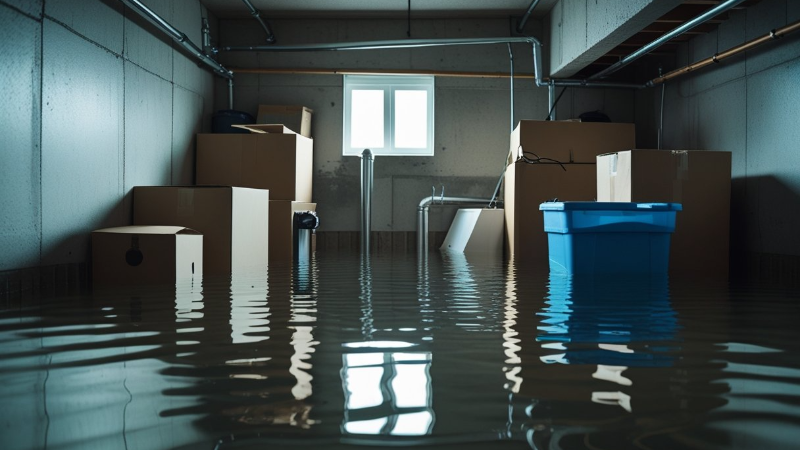
Basement Flooded With Water: How to Clean Up and Prevent Future Damage
A basement flooded with water can cause serious damage to your home and create health hazards if you don’t act quickly. The first step is to stop the water source and remove the water as soon as possible.
Knowing where the water is coming from helps you tackle the issue faster. Flooding often happens because of cracks in your foundation, clogged gutters, or heavy rain.
If you have a sump pump, it might fail just when you need it most. Having a reliable plumber who understands these issues—like Harris Plumbing, serving Barrie, Orillia, and Newmarket—can give you peace of mind.
Whether your home or cottage is affected, dealing with flooded basements can be stressful. You need clear advice to act quickly and protect your property.
This guide will help you understand the common causes and show you what to do next. You’ll learn how to keep your home safe.
Immediate Steps to Take When Your Basement Floods
When your basement floods, quick action can reduce damage and keep you safe. Focus on stopping the water, securing your home, and protecting your belongings.
Ensure Safety First
Your safety comes first. Avoid entering the basement if the water is high or if you suspect electrical hazards.
Flooded basements may have live wires submerged in water, which can cause serious injury. If you can do so safely, turn off the main electrical breaker to cut power to the basement.
Use rubber gloves and waterproof boots if you must move around. If you are unsure about electrical risks, wait for a licensed professional from Harris Plumbing to assist.
Never use electrical appliances or lights in the flooded area until it is fully dry and inspected. Be cautious of slippery floors and possible structural damage.
Stop the Source of Water
Find out where the water is coming from and stop it if possible. Common causes include heavy rain, broken pipes, or a sump pump failure.
Check your sump pump. If it’s not working, a backup pump might be needed, especially in areas like Simcoe County and Muskoka where heavy rain is common.
If the water is entering from outside, try to block entry points with sandbags or a temporary seal. If the flooding comes from broken pipes inside your home, shut off the main water valve immediately.
This stops more water from flowing into your basement while you wait for repair.
Turn Off Utilities
In addition to electricity, consider turning off other utilities that can cause damage during a flood. Shut off gas lines if you smell gas or suspect a leak.
This might require professional help, so contact your local utility company if you are unsure. Water and sewage lines should also be monitored to avoid contamination.
Turning off these utilities limits the risk of fire, explosions, or health hazards caused by contaminated floodwater.
Remove Belongings and Furniture
Once the water has stopped rising and it’s safe to enter, start removing items from the basement. Move furniture, electronics, and valuable belongings to a dry, safe area.
This prevents further water damage and makes cleanup easier. If items are soaked, dry them as soon as possible to reduce the chance of mould.
Keep a checklist of removed items and take photos for insurance purposes. Using plastic bins and shelving can help protect things from future water exposure.
For full cleanup and restoration, Harris Plumbing’s skilled team is ready to help. Serving homeowners across Newmarket, Aurora, and Richmond Hill, they specialize in sump pump repair and reliable flood prevention measures.
Common Causes of Basement Flooding
Basement flooding happens when water finds a way into your home. This can come from outside sources like heavy rain or problems around your foundation, or from inside issues like plumbing failures.
Knowing the exact cause helps you fix the problem faster and prevent it from happening again.
Heavy Rain and Stormwater
When heavy rain falls, water can quickly build up around your home. If your yard doesn’t drain well, this extra water will pool near your foundation.
Over time, the pressure can push water through small openings or cracks in your basement walls or floor. Stormwater runoff is a key cause of basement flooding.
Melting snow can cause the same problem in early spring. If your gutters or downspouts are clogged or damaged, water can spill close to your foundation instead of being directed away.
This makes flooding more likely. Consider installing or maintaining a sump pump to help remove excess water.
Harris Plumbing advises checking your sump pump system regularly, especially if you live in areas like Simcoe County or Muskoka.
Plumbing Failures
Sometimes the water in your basement comes from your home's plumbing. Broken pipes, leaking fixtures, or a backed-up sewer are common culprits.
Old or damaged pipes can burst and send water into your basement. Clogged or frozen drains can cause sewer backups, pushing water and waste back into your basement drains.
A failing sump pump can’t remove this water, making the flooding worse. If you notice water pooling near plumbing fixtures or hear strange noises in pipes, call a licensed plumber immediately.
Harris Plumbing offers quick repairs for plumbing issues that cause flooding.
Foundation Cracks
Your basement walls and floor can develop cracks due to shifting soil or pressure from groundwater. These cracks let water seep inside during heavy rain or thaw periods.
Even small cracks can cause problems. Water entering through tiny gaps can cause mold, damage walls, and weaken your foundation over time.
Use quality sealants or professional waterproofing methods to stop water from seeping in. Harris Plumbing’s team, serving Newmarket, Aurora, and nearby areas, understands local soil conditions and can identify and fix cracks before they cause major damage.
Poor Drainage Around Home
Your home’s drainage system should keep water away from your basement. If your yard slopes toward your house or if drainage pipes are blocked, water pools near your foundation.
Downspouts that empty too close to your home also cause problems. Water should be directed at least a few feet from your foundation.
Improving grading, installing French drains, or cleaning gutters regularly will reduce flood risk. Proper drainage maintenance is key to protecting your basement.
If you’re unsure about your drainage setup, Harris Plumbing can inspect and suggest fixes tailored to your property.
How to Remove Water from a Flooded Basement
Removing water from your flooded basement quickly and safely takes the right tools and action. You’ll need to pump out the water, use vacuums for smaller amounts, or sometimes do it by hand.
If the situation is complex, calling a professional can help you protect your home and health.
Using Sump Pumps
A sump pump is one of the most effective ways to remove large amounts of water from your basement. It sits in a sump pit and pumps water out automatically to keep the area dry.
If your basement floods often, have a sump pump installed or checked by experts like Harris Plumbing. Battery backup sump pumps are helpful during power outages.
Make sure your pump is inspected regularly. Removing water early limits damage to your home.
Utilizing Wet/Dry Vacuums
Wet/dry vacuums work well for smaller pools of water or after most of the water is pumped out. They are handy for removing leftover water in corners or on stairs.
If your basement has carpet or other soft surfaces, a wet/dry vacuum helps keep materials from soaking longer. Use a vacuum rated for water pickup and empty it often.
Wear protective gloves and boots to stay safe while working.
Manual Water Removal
Sometimes you might need to remove water manually with buckets, mops, or towels. This method is slow and hard work but useful if you can’t use power tools right away.
Focus on removing standing water as quickly as possible. Pump or vacuum first if you can, then use manual methods to get the last droplets.
Ventilate the area by opening windows or using fans to help dry floors and walls.
Calling Professional Restoration Services
If your basement is deeply flooded or if you see signs of mould, call professionals. Restoration experts have the right tools and training to remove water safely.
Harris Plumbing offers expert sump pump services and fast water removal in Ontario regions like Simcoe County and Muskoka. They can inspect your system, fix issues, and guide you on preventing floods.
Professionals also handle cleanup and drying to protect your home and health after flooding.
Preventing Mold and Further Damage
After a basement flood, stopping mold and further damage means acting fast. You need to remove all moisture, clean all surfaces well, and watch for any signs of mold over time.
Drying the Basement Completely
Dry your basement fully. Water left behind causes mold and weakens the building.
Start by using pumps, wet vacuums, or buckets to remove standing water immediately. Next, use fans and dehumidifiers to clear dampness from walls, floors, and air.
Open windows if weather allows for better airflow. Keep these devices running for several days and check moisture levels regularly.
If your basement stays wet for too long, wood and drywall may rot or warp. For hard-to-dry spaces, call an expert like Harris Plumbing.
Cleaning and Disinfecting Surfaces
After drying, clean all affected surfaces to kill germs and stop mold spores from settling. Use a mixture of water and mild detergent for surfaces like concrete or tile.
Avoid using bleach on porous materials like wood. Disinfect with products made for mold prevention, applied with gloves and protective gear.
Clean all floor drains, sump pump pits, and corners where water may collect. Remove wet insulation or carpets that soak up water and hold moisture.
Proper cleaning lowers the chance of mould spreading and keeps your basement safer.
Monitoring for Mold Growth
After cleaning and drying, keep checking your basement for mold signs. Look for discoloration, musty smells, or damp spots on walls and floors.
Mold can appear weeks after flooding if moisture returns. Use a moisture meter if possible to monitor dampness in hidden areas.
Maintain good ventilation and keep dehumidifiers running during humid months. If you find mold developing, address it quickly.
Regular basement checks can help you catch problems early. Harris Plumbing can advise on prevention methods and sump pump maintenance.
Restoration and Repairs After a Basement Flood
After a basement flood, check the condition of your home’s structure, materials, and systems. Addressing these areas quickly helps avoid problems like mould and future damage.
Assessing Structural Damage
Inspect walls, floors, and the foundation for cracks, warping, or soft spots. Water can weaken wood and drywall, so press gently to see if these materials feel spongy or crumbly.
Look for signs of mould or mildew, especially in corners and near the floor. If the damage is severe or you spot large cracks, call a professional.
Licensed experts, like those at Harris Plumbing, can check for hidden problems. Document the damage with photos for insurance.
Replacing Damaged Materials
Water-soaked drywall, insulation, and flooring often need to be removed to prevent mould growth. Materials like carpet and padding should be discarded if they remain wet for more than 24 hours.
For wooden floors, drying alone might not be enough if the wood is warped or soft. Remove and replace damp or damaged items quickly.
Use fans and dehumidifiers to dry the remaining surfaces completely. Harris Plumbing, serving Barrie and Orillia, provides expert sump pump services to help homeowners prevent future flooding issues.
Restoring Electrical Systems
Never touch electrical outlets or appliances if your basement is flooded. Water can cause short circuits or worse.
Hire a licensed electrician to inspect wiring, outlets, and panels before turning the power back on. They will test for damage and replace any compromised components.
In some cases, water can corrode connections, which is dangerous and not easy to spot. Upgrading your electrical system or adding waterproof covers on outlets in your basement is a smart preventative step after a flood.
Insurance and Financial Considerations
When your basement floods, managing the financial impact can be challenging. You need to know how to document the damage, file your insurance claim, and understand what your policy covers.
These steps can save you time and money during a stressful situation.
Documenting Losses and Damage
Start by taking clear photos and videos of all the water damage in your basement. This includes damaged walls, flooring, furniture, and any stored items.
Capture both wide shots and close-ups to show the extent of the damage. Write a detailed list of everything affected, noting the condition and approximate value of each item.
Keep receipts for repairs, cleaning, and any emergency services like those from Harris Plumbing.
Filing a Flood Insurance Claim
Contact your insurance provider as soon as possible after the flooding. Provide them with the photos, videos, and your damage list.
Be honest and clear about what happened and the extent of the damage. Follow your insurer’s process, which may include an adjuster visiting your home to assess the damage.
Keep records of all communications and any forms you submit. Get prompt professional help from plumbers, especially those experienced in sump pump repair, to support your claim and speed up repairs.
Understanding Coverage Limitations
Standard home insurance policies in Canada do not cover all types of flood damage. Flooding from heavy rain or groundwater might need a separate flood insurance policy or endorsement.
Check your policy details to know what types of water damage are covered, limits, and deductibles. Damage from sewer backups or sump pump failure might require additional coverage.
Maintaining a Dry Basement Long-Term
Keeping your basement dry takes careful work with your home’s drainage and plumbing systems. Manage water flow around your foundation, have reliable sump pumps, and inspect your basement regularly.
Improving Home Drainage
Good drainage keeps water away from your basement walls and foundation. Make sure your downspouts push water at least 2 metres away from your house.
Use extenders or splash blocks if needed. Clean your gutters regularly so water doesn’t overflow near the foundation.
Landscaping also matters. The ground around your home should slope away by about 5 cm per metre.
This slope stops water from pooling near the basement. French drains or surface drains can help redirect water if you have heavy soil or poor natural drainage.
These systems channel water away underground, reducing pressure on your foundation.
Installing Backup Sump Pumps
A sump pump removes water that collects in your basement. Install a sump pump with a battery backup to keep your basement safe during power outages.
Make sure your sump pump is the right size. Harris Plumbing recommends choosing a pump with at least 1/3 horsepower for most homes in Ontario.
Check and clean your sump pump and pit at least twice per year. Test the backup system regularly to make sure it works when needed.
This step helps avoid sudden failures and flooding.
Regular Basement Inspections
Inspect your basement often to catch problems early. Look for cracks in walls or floors and seal them with an appropriate waterproof sealant.
Check for signs of dampness, like musty smells or water stains, especially after rain. Watch for plumbing leaks under sinks, near appliances, or behind walls.
Fix any leaks quickly to stop moisture buildup. Test your sump pump and drainage systems regularly.
Scheduling yearly inspections with licensed plumbers like Harris Plumbing helps keep everything in good working order. They can spot hidden issues before they cause serious damage.
When to Call a Professional for Basement Flooding
If you see large amounts of water in your basement, get help right away. Call a licensed plumber if the flooding is more than just a few puddles or if your sump pump is not working properly.
Waiting too long can cause serious damage to your home’s foundation. Look for signs like wet or cracked walls, unstable floors, or a musty smell.
These problems suggest that the water may have weakened the structure or caused mould to grow. Do not enter the basement until a professional confirms it is stable.
Call if your sump pump runs too often, makes strange noises, or stops working during heavy rain. A sump pump expert from Harris Plumbing can check and repair your system to prevent future floods.
Here is a quick list to help decide when to call a professional:
- Water covers a large area or is rising fast
- Basement walls or floors show damage
- Your sump pump is noisy or cycling constantly
- Visible mould or a strong, damp smell
- You are unsure if it is safe to go down
Getting help early can reduce costly repairs and protect your home. Harris Plumbing offers licensed journeyman plumbers who understand the unique plumbing needs in Ontario’s rural and urban areas.
Frequently Asked Questions
Flooded basements need quick attention to limit damage and health risks. Knowing how to prevent flooding, who to call, and cleanup costs helps you act fast.
What steps can I take to prevent my basement from flooding during a storm?
Keep gutters and downspouts clean and pointed away from your home. Check your yard’s grading so water drains away from your house.
Seal any cracks or gaps in your basement walls and floors. Consider installing a sump pump if your home is prone to floods.
Harris Plumbing experts in Muskoka can assess your property and recommend solutions tailored to your needs.
Who should I contact if my basement has become flooded?
Call a licensed plumber right away to stop water from entering and address the damage. If you need emergency service, companies like Harris Plumbing provide fast, reliable help in Barrie, Orillia, and Newmarket.
You may also want to contact a professional water damage restoration service for thorough cleanup to avoid mould and structural issues.
What is the typical cost associated with cleaning up a flooded basement?
Cleanup costs vary based on water depth, damage extent, and repair needs. Basic water removal and drying can range from a few hundred to a few thousand dollars.
Insurance coverage can reduce your out-of-pocket expenses. Check your policy details early.
What are the best methods for removing water from a flooded basement?
Using a sump pump is one of the fastest ways to remove water. You can also use wet/dry vacuums or call professionals with commercial pumps.
After removing water, dry the space quickly with fans and dehumidifiers to prevent mould growth.
How can a sump pump help in preventing flooding in my basement?
A sump pump removes water that collects in a pit under your basement floor. It helps keep water away before it builds up and causes damage.
Regular maintenance is important. Without a working check valve, water might flow back, causing the pump to run often and increasing flood risk.
Can you share some advice from others who've dealt with basement flooding?
Many recommend acting immediately once you notice water. Turn off electrical power if it is safe.
Quickly remove valuables and start getting rid of the water. Others suggest investing in a backup sump pump or a battery system for power outages during storms.
Regularly check your sump pump to avoid unexpected floods.