Best Ways to Protect Plumbing During Extended Cottage Closures Tips for Stress-Free Summer Homes
Leaving your cottage closed for a long time can cause serious plumbing problems. Pipes freeze, leak, or get damaged, and that means expensive repairs when you come back. The best way to protect your plumbing during an extended closure is to fully winterize your system—drain water from pipes and pumps so nothing freezes or bursts.
If your cottage sits in Ontario, maybe Muskoka or Simcoe County, you know the winters get rough. Prepping your plumbing the right way saves you a ton of hassle and protects your investment. Harris Plumbing, serving York Region and nearby areas, knows how to get it done with no hidden surprises.
Look after sump pumps, well systems, and septic lines before you leave. That bit of effort gives you peace of mind—your cottage plumbing won’t let you down when spring rolls around.
Draining and Winterizing Plumbing Systems
To keep your cottage plumbing safe during long closures, you’ll want to drain all the water from your pipes, prep toilets and water heaters, and maybe use antifreeze in some spots. Winterizing stops pipes from bursting and keeps you from coming back to a disaster.
How to Fully Drain Water Lines
Start by shutting off the main water supply. Open every faucet, inside and out, and let the water run out. Don’t skip appliances like dishwashers and washing machines if they’re hooked up.
Open all low-point drains and fixtures so leftover water can escape. If you’ve got an air compressor or a plumbing blowout tool, use it—especially if your cottage has those long water lines that rural Ontario homes often do.
Leaving water in pipes is just asking for trouble. Make sure every pipe, even the ones in walls or crawl spaces, is empty before you lock up. Harris Plumbing’s licensed journeyman plumbers in Simcoe County can help if you’re not sure you got it all.
Winterizing Toilets and Water Heaters
Flush toilets to get out as much water as you can. Use a sponge or towel to soak up what’s left in the bowl and tank. That keeps water from freezing and cracking the porcelain or breaking the parts inside.
Shut off and drain your water heater. Always disconnect it from power or gas first. Draining gets rid of water that could freeze and ruin the tank. Some heaters need special steps, so check your manual if you’re not sure.
In Muskoka or York Region, these steps really matter—temperatures often drop well below freezing. If you winterize toilets and water heaters right, you’ll avoid leaks and headaches when you come back.
Using Antifreeze for Additional Protection
After draining pipes and appliances, pour non-toxic, RV-grade antifreeze into traps, toilets, and drains. This stuff’s safe for your plumbing and the environment, but it keeps leftover water from freezing solid.
Focus on toilets, sinks, showers, and floor drains. The antifreeze keeps seals from drying out and stops cracks in the pipes. Don’t use automotive antifreeze—it’s toxic and not meant for plumbing.
Not sure how much antifreeze you need? Ask a plumber in Barrie or Orillia. Harris Plumbing often recommends this for cottages that stay closed through harsh winters. It’s a cheap way to keep your plumbing safe from freeze-ups.
Protecting Pipes from Freezing Temperatures
Ontario winters can wreck your cottage plumbing if you don’t take the right steps. You need to keep pipes warm and block cold air from getting to them. Focus on insulating pipes, sealing gaps, and picking insulation that actually works for your setup.
Insulating Pipes and Fixtures
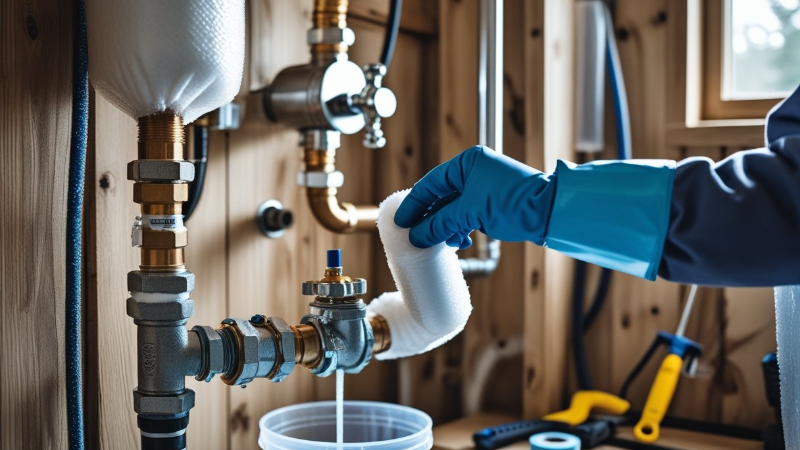
Wrap insulation sleeves or foam tubes around every exposed pipe inside your cottage. This slows down heat loss and helps keep water from freezing. Pay attention to pipes in unheated spots like basements, crawl spaces, and outside walls.
For taps and valves, use insulation tape or foam covers. Insulating your hot water tank and the pipes leading to and from it also helps. In Muskoka or Simcoe County, where it gets seriously cold, you might want to add heat cables—electric wires that gently warm pipes in problem areas.
Sealing Gaps and Drafts Near Plumbing
Cold air sneaks in through cracks around pipes, walls, and floors. Find those gaps and seal them up. Use weatherstripping or foam sealant around windows, doors, and vents near pipes.
Where pipes pass through walls or floors, fill those openings with spray foam. Don’t forget to seal crawlspace doors or access panels—cold air loves to get in there.
Making your cottage airtight, especially in places like Richmond Hill or Newmarket where wind can howl, really helps keep pipes from freezing and bursting.
Choosing the Right Pipe Insulation Materials
Not all insulation is equal. Foam pipe sleeves are great indoors—they’re easy to put on and resist moisture. For outdoor pipes, rubber insulation handles temperature swings better and lasts longer.
Fibreglass wrap works well for big pipes or tanks but needs a moisture barrier to stay in good shape. Check your local weather—some insulation just works better in wet or super cold spots.
Harris Plumbing usually suggests insulation with at least an R-3 rating for solid thermal protection. Spending a bit more on good materials saves you money and hassle later.
Managing Water Supply and Shut-Offs
Shut off your cottage’s water the right way and check for leaks before you leave. Doing this means less chance of frozen pipes or water damage while you’re away.
Turning Off the Main Water Valve
Find your main water valve—usually by the water meter or where the pipe comes into your cottage. Turn it all the way clockwise to shut off the water.
If you have outdoor taps, shut those valves too. After turning everything off, open all taps to drain the water out. This drops the pressure and lowers the chance of ice damage.
Turning off the main valve is a must for winter closures, especially in Muskoka or Simcoe County. Not sure how? A licensed journeyman plumber from Harris Plumbing can help you out.
Checking for Leaks Before Closure
Before you go, inspect all visible pipes, joints, and faucets for leaks. Even a tiny drip can freeze and turn into a big problem.
Look under sinks and near the water heater for damp spots. Listen for running water when everything’s supposed to be off—could be a hidden leak. Fix leaks before closing up to avoid water waste and freeze risk.
If you spot issues or want a pro to check things over, reach out to Harris Plumbing. Their expert plumbers can catch problems before they get expensive. This is extra important if your place has well or lake pumps.
Preventing Damage from Water Backflow and Pressure
Keeping your plumbing safe from water backflow and pressure spikes is crucial when your cottage sits empty. The right devices and careful setup help water flow the right way and keep pipes stress-free.
Installing Backflow Prevention Devices
Backflow happens when water reverses into your clean supply, which is never good. Install backflow prevention devices—check valves or backflow preventers—on all outdoor hoses, irrigation systems, and sump pumps. These stop dirty water from sneaking into your lines.
Test them regularly, especially before you leave for a while. A licensed journeyman plumber in Ontario, like Harris Plumbing, can check that everything’s up to code and working.
Dealing with Well Systems and Pumps
If you use a well, protect that pump. Before closing, drain water from the pump and pressure tank so nothing freezes or cracks your equipment.
Turn off power to your well pump and close any valves to isolate the system. Some cottages in Muskoka and Simcoe County benefit from pressure relief valves—they prevent pressure build-up when the system’s off. That’s a simple way to avoid leaks and breaks when you come back.
Inspecting and Maintaining Plumbing Before Reopening
Before you open up the cottage, do a careful inspection and a little maintenance. You’ll spot any damage early and make sure everything works smoothly again.
Checking for Burst Pipes or Damage
Start by checking all visible pipes for cracks, leaks, or frost damage from the winter. Look closely at pipes in crawl spaces or basements. Wet spots, bulges, or corrosion could mean a burst pipe.
If you find damage, don’t use that part of the system until it’s fixed. Even small leaks can get worse fast. In Muskoka or Simcoe County, old or unprotected pipes crack easily in the cold.
Check around water heaters, kitchen sinks, and bathrooms. If you’ve got a well or septic system, inspect those connections and covers too. Sometimes it’s just easier to call a licensed journeyman plumber from Harris Plumbing—they’ll make sure repairs are done right.
Flushing Systems and Reattaching Fixtures
Flush your plumbing system before using it. Turn on every tap, shower, and outdoor spigot, one at a time, to clear out old water and any gunk that settled during the closure. Let water run for a few minutes to clean the lines.
Reattach any fixtures you removed, like hoses or taps, and make sure they’re tight. Clean out aerators and filters if they look clogged. Flush toilets a few times to clear out the tanks and bowls.
If you’ve got pumps or sump systems, test them to be sure they’re working. Flushing everything helps prevent clogs and protects your plumbing when you start using it again. Harris Plumbing likes to remind folks in York Region and well water areas to never skip this step.
Frequently Asked Questions
Protecting plumbing during a long cottage closure means draining pipes, insulating exposed plumbing, and keeping an eye on temperatures. Knowing when to keep water moving or how to shield outside pipes can save you a bundle.
What steps should I take to winterize plumbing in my cottage?
Drain all water from your pipes and fixtures. Shut off the main water supply and open faucets to let any remaining water escape. Consider adding non-toxic antifreeze to traps and toilets to prevent freezing.
What's the minimum temperature I should maintain to prevent my pipes from freezing?
Keep your cottage heated to at least 7°C. Lower temperatures increase the risk of pipes freezing, especially if your plumbing is in unheated areas like crawl spaces or basements.
Are there any DIY methods for protecting outdoor water pipes from freezing conditions?
Yes, wrap pipes with foam insulation sleeves or use heat tape designed for outdoor pipes. Cover outdoor faucets with insulated covers to keep cold air away.
Should I keep a drip in my outside faucets or wrap and cover them to prevent freezing?
If you can’t fully winterize, keeping a slow drip helps prevent freezing but uses water all winter. Wrapping and covering is a better, more water-efficient option for protecting pipes.
What are the best practices for preventing pipes from freezing on an outside wall?
Insulate the wall area and pipes with foam and ensure any gaps or cracks are sealed to block cold air. You might add heat cables along the pipe for extra protection in colder spots.
Can you offer tips for protecting pipes under a mobile home from freezing temperatures?
Try lining the space under your mobile home with rigid foam boards or even insulated blankets—either works pretty well. Skirting around the base? Definitely a good move for blocking out wind and that sneaky cold air. Honestly, it’s worth taking a look at the insulation every year just to make sure everything’s holding up. Pipes don’t love surprises.