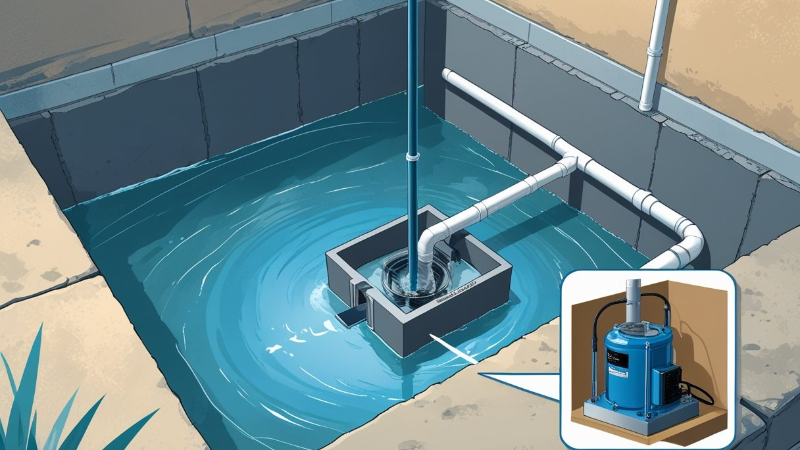
Flooded Basement Pump Guide for Quick and Easy Water Removal
A flooded basement can cause serious damage to your home. Quick water removal is essential.
A flooded basement pump, like a sump pump, helps remove water fast to prevent further damage. It keeps your space dry.
If your basement floods after heavy rain or melting snow, a reliable pump can save you time and money.
You might not notice problems with your sump pump until it’s too late. Regular checks and maintenance matter.
Harris Plumbing has helped many homes across Barrie, Orillia, and surrounding areas. with sump pump installations and repairs. They help homeowners gain peace of mind.
Keeping your pump in good shape is the best way to stop flooding before it starts.
What Causes a Flooded Basement?
Flooded basements happen because water finds a way into spaces meant to stay dry. Outside sources like groundwater or rain, or issues within your home's plumbing or foundation, usually cause this.
Understanding these causes helps you protect your home. You will know when to call experts like Harris Plumbing for help.
Common Sources of Basement Flooding
Water often enters a basement through cracks in the foundation or walls. These small openings let groundwater seep in, especially when the soil around your home holds a lot of moisture.
Poor drainage around your house, such as clogged gutters or downspouts that discharge too close to the foundation, can also push water toward your basement.
If the ground near your home stays wet for long periods, pressure builds up and forces water inside. Faulty sump pumps may not remove this water fast enough, which causes flooding.
Regular inspection of your drainage systems and sump pump helps prevent water buildup.
How Weather Impacts Water Intrusion
Heavy rain is a major reason basements flood. When rain saturates the ground quickly, water moves into the lowest spots—often your basement.
Snowmelt in spring can cause the water table to rise. This puts extra pressure under your foundation.
Storms with strong winds can pile up water near your home’s exterior. If gutters or drainage cannot handle the sudden flow, water can back up and leak inside.
When severe weather hits, keep an eye on your sump pit and sump pump. Homes in Simcoe County or York Region often face changing conditions.
Plumbing Failures and Structural Issues
Basement flooding may also start inside your home. Plumbing leaks, broken pipes, or a backed-up sewer can quickly flood your space.
If you notice damp spots or water pooling without rain, plumbing faults could be the cause.
Cracks in foundation walls or a failing sump pump allow water in. Pumps can’t remove water fast enough if they aren’t working properly.
Harris Plumbing offers sump pump repair Ontario services to fix these problems. Regular maintenance and prompt repair reduce the risk of costly damage.
Types of Flooded Basement Pumps
Choosing the right pump depends on the amount of water, power availability, and how often you face flooding. Some pumps handle small leaks, while others manage large volumes.
The reliability of your pump during power outages is also important, especially in rural or cottage areas.
Submersible Pumps
Submersible pumps sit underwater in your basement’s sump pit. They handle large amounts of water quickly.
These pumps push water up and out through a connected hose or pipe. They can handle water with some debris but work best with mostly clear water.
Submersible pumps run quietly. The water cools the motor, so they are less likely to overheat.
If you want a pump that works fast and stays out of sight, a submersible pump is a good choice. Harris Plumbing often installs these for customers in Aurora, Richmond Hill, and Stouffville.
Pedestal Pumps
Pedestal pumps have a motor perched above the sump pit. A long shaft connects the motor to the pump at the bottom.
This keeps the motor dry, making repair or replacement easier. Pedestal pumps are usually less expensive but louder when running.
They work well in clean water but can struggle with debris or heavy flooding. You might pick a pedestal pump if your sump pit is small or if you want a pump that's easy to service.
Battery Backup Pumps
Battery backup pumps operate during power outages. These pumps run on rechargeable batteries and start automatically when your primary pump fails or power goes out.
They don’t move as much water as primary pumps but give you extra time to handle flooding. Some models can run for hours, depending on battery size.
If your home or cottage in Simcoe County faces frequent outages, a battery backup pump helps protect your basement. Regular testing of the battery keeps it ready.
Water-Powered Pumps
Water-powered pumps use your home's cold water pressure to pump out flood water. They don’t rely on electricity or batteries, so they work during any power failure.
They work best in areas with steady water pressure. These pumps can handle small flooding but may not match the speed or volume of electric pumps.
This type suits homes with reliable water systems in Barrie, Orillia, and surrounding areas.. These pumps are simple, with few moving parts, so maintenance is usually easy.
Harris Plumbing can help you select and install the best pump type for your flooded basement. They ensure reliable flood protection anywhere in Ontario.
Choosing the Right Pump for Your Basement
Picking the right pump means looking at how much water you need to move, the size and power of the pump, and making sure it can last through tough conditions. These factors help you avoid flood damage.
Assessing Pump Capacity
The pump’s capacity is important. You need a pump that can handle the water volume your basement might face during heavy rain or a flood.
Capacity is usually measured in gallons per minute (GPM) or litres per minute (L/min). Consider the size of your basement and how fast water can collect there.
If you have a large basement, a pump with a high capacity (around 50 L/min or more) will work better. If the water buildup is slow, you can choose a lower-capacity pump.
A professional, like those at Harris Plumbing, can help calculate the right capacity. This way, you don't buy a pump that’s too weak or too powerful.
Sizing and Flow Rate Considerations
Pump size affects where it can be placed and how well it moves water. The size includes not just the volume it moves but the height water must travel, called “head height.”
Check your basement’s lowest point and the distance water needs to be pumped out. Flow rate depends on pump speed and pipe size.
A higher flow rate means water is removed faster. Make sure the pipes connected to your pump match its flow rate to avoid blockages or slow drainage.
If you’re unsure about sizing or flow rate, consult with a certified plumber in Ontario. This ensures the whole system works smoothly.
Material and Durability Factors
Flooded basement pumps face water, dirt, and sometimes small debris. Choose a pump made from strong materials like stainless steel or cast iron.
These resist rust and wear better than cheaper metals or plastics. Durability means the pump can work continuously during heavy rain without breaking down.
Look for models with sealed motors and good insulation to keep moisture out. Also, consider pumps with backup battery systems to keep running during power outages.
Choosing quality materials and durable designs means fewer repairs and longer service life. Harris Plumbing can guide you toward pumps built to last in Ontario’s weather.
Step-by-Step Guide to Pumping Out a Flooded Basement
Pumping out a flooded basement needs careful steps to keep you safe. You’ll need to check your pump setup, handle power safely, and drain the water properly.
Initial Safety Precautions
Before entering your flooded basement, turn off the electricity at the main breaker to avoid electric shock. Wet floors and water near outlets are very dangerous.
Wear rubber boots and gloves to protect yourself from contaminants in the water. Check the water level and look for potential hazards like sharp objects or unstable walls.
If the water is deep or you see sewage, call a professional right away. For smaller floods, always ensure good ventilation.
Avoid using electrical equipment until the area is dry or power is disconnected.
Setting Up the Pump
Use a submersible sump pump for faster water removal. Place the pump on the lowest flat surface in the basement or sump pit.
Make sure the pump’s discharge hose directs water away from your home’s foundation and municipal sewer system. If you have a backup sump pump system, ensure it is connected and working.
When power might fail, a battery backup or water-powered backup pump can save your basement from more flooding. Test your pump before starting by plugging it in outside the basement first.
Avoid kinking the hose to keep water flow steady. Watch the pump while it runs to catch any problems early.
Draining the Basement Properly
Once the pump is running, water will start to move out quickly. Don’t stop the pump until the water is gone or reaches a low level.
Pumping out water too fast can cause the basement walls to shift or bow. After pumping, remove any wet debris and dry the area fully.
Use fans and dehumidifiers to reduce moisture and prevent mould growth. If water soaked into walls or floors, consider calling Harris Plumbing to check for hidden damage or help with repairs.
Keep the discharge water moving away from the house. Regular maintenance of your sump pump system helps prevent emergency flooding.
Maintenance Tips for Flooded Basement Pumps
To keep your flooded basement pump working well, regular care is key. Checking the pump often, cleaning out debris, and making sure it turns on correctly will help prevent failures.
Routine Inspection
Look over your pump at least once a month. Check for any cracks, rust, or damage to the casing and discharge pipe.
Make sure the power cord and plug are in good shape. Inspect the sump pit for debris like dirt, leaves, or gravel that might block the pump.
Verify the float switch moves freely and isn’t stuck. This switch tells the pump when to start.
If you notice any leaks or unusual noises during operation, take action right away. If unsure, Harris Plumbing can help you with a professional inspection.
Cleaning Procedures
Cleaning your basement pump includes removing any debris from the sump pit and wiping down the pump itself. Disconnect the power before cleaning.
Use a soft brush or cloth to clear mud, grime, or buildup from the pump’s intake screen and float switch. This keeps water flowing and stops the pump from clogging.
Make sure the discharge pipe is clear and free-flowing. Clean it by flushing water or using a flexible brush.
Regular cleaning prevents damage and keeps the pump ready to work.
Testing Functionality
Test your flooded basement pump every few months to ensure it works when needed. Pour water into the sump pit slowly.
Watch as the float switch lifts and turns the pump on. The pump should remove water quickly without strange noises or vibrations.
If it doesn’t start, or the float switch gets stuck, there may be a mechanical or electrical issue. Also, test any backup power systems to be sure they function during power outages.
If problems happen during testing, call Harris Plumbing for prompt sump pump repair.
Preventing Future Basement Flooding
To keep water out of your basement, focus on managing water flow around your home, protecting your basement walls, and making sure your pump systems work even during power failures.
Improving Drainage Systems
Good drainage around your home is your first line of defense against flooding. Make sure gutters and downspouts direct water at least 2 meters away from your foundation.
Clear any debris from gutters regularly to allow water to flow freely. You can also install a French drain or extend downspouts underground to channel water away.
Check the slope of your yard—it should slope away from your house to stop water from pooling near your basement walls. Repair any cracks in your driveway or walkways where water could collect.
These simple fixes reduce the amount of water pushed against your basement walls. This lowers the risk of leaks.
Waterproofing Basement Walls
Sealing your basement walls keeps water from seeping inside. You can apply a waterproof sealant or paint made for basement walls.
This creates a barrier to stop moisture from passing through. If you notice cracks or leaks, use hydraulic cement or waterproof tape for temporary repairs.
For long-term protection, apply an external waterproof membrane by digging around the foundation. Professionals like Harris Plumbing in Aurora, Richmond Hill, and Stouffville
often handle this job.
Make sure your basement walls have proper insulation to prevent condensation. Routine inspections help you catch issues early before they worsen.
Installing Backup Systems
Power outages during storms can stop your sump pump, letting water flood your basement. Installing a battery backup system keeps your pump running even when the power goes out.
Battery backup sump pumps turn on automatically if the main pump fails. You can also install a water-powered backup pump, which does not need electricity.
Check battery levels and test backup pumps at least twice a year. Harris Plumbing offers expert sump pump installations and repairs in Simcoe County.
When to Call a Professional
If your sump pump runs nonstop or cycles often, you may have a bigger problem. Constant use wears out the pump and could cause it to fail during heavy rain.
Water pooling in your basement even when the pump runs means the system might not work right. Clogged pipes, an overwhelmed sump pit, or electrical issues can cause this.
A licensed plumber can find and fix the exact cause. Musty smells or water mixed with debris suggest possible sewage backup or contaminated water.
This situation needs urgent help from experts to avoid health risks. Act quickly to get a proper cleanup.
If you notice cracks in your foundation or poor drainage, get a professional assessment. These problems often need more than just a pump repair.
Harris Plumbing has over 51 years of experience serving Ontario homes. Their licensed journeyman plumbers can diagnose and repair sump pumps with the right tools.
Call them to get reliable and upfront service for basement problems.
| Signs You Need a Pro | What It Might Mean |
|---|---|
| Pump runs nonstop | Pump or float switch failure |
| Water pooling despite pump | Blocked or damaged sump system |
| Musty or dirty water | Sewage backup or contamination |
| Foundation cracks or poor drainage | Structural and drainage issues |
Cost Considerations for Basement Pumps
When planning for a basement pump, you’ll want to know the pump’s price, installation costs, and what you can expect to spend on operation and maintenance. Knowing these details helps you budget wisely.
Pump Price Range
Basement pumps come in different types and sizes, which affect their cost. Basic sump pumps start around $200, while advanced models with backup or battery power can cost $500 or more.
If you want a pump for heavy flood situations, expect higher prices. Prices also depend on the brand and features like automatic activation and flow capacity.
Backup sump pumps, important during power outages, often cost extra. Buying a quality pump from a trusted company like Harris Plumbing ensures reliability and longer life.
Installation Expenses
Installing a basement pump usually needs professional help. Installation costs depend on your basement’s size, plumbing setup, and whether you need electrical work or drainage changes.
Expect to pay between $300 and $800 for installation. If your pump needs a battery backup, installation can be more complex and costly.
Difficult access or extra plumbing repairs may raise the price. A licensed journeyman plumber from Harris Plumbing can give you a clear quote.
Operating and Maintenance Costs
Once installed, a sump pump’s operating cost is mostly electricity. Typical pumps use little power, but running 24/7 in heavy rain might raise your energy bill.
Maintenance keeps your pump working well. Check it yearly, clean the pit, and test the battery if you have a backup.
Professional maintenance may cost between $100 and $200 a year. Ignoring upkeep could lead to pump failure and expensive water damage repairs.
Environmental and Health Impacts
Flooded basements can cause serious health and environmental problems if you do not manage them quickly. You need to know the risks of mold growth and how water damage can weaken your home’s structure.
Mold Growth Risks
If you do not remove water from a flooded basement quickly, mold can start growing within 24 to 48 hours. Mold thrives in damp, dark places like basements.
It can cause allergies, breathing problems, and other health issues for your family. Act fast to dry out the basement and stop mold from spreading.
A working sump pump prevents standing water. Using a water pump from trusted services like Harris Plumbing helps you avoid moisture buildup.
Check for moisture and humidity levels regularly. If you see visible mold or smell a musty odor, get professional help.
Delaying mold removal can increase cleanup costs and health risks.
Preventing Structural Damage
Standing water can weaken your foundation and walls over time. Water seeps into cracks, causing concrete to erode or wood to rot.
This damage can make your home unsafe and expensive to fix. Your sump pump removes water and keeps your basement dry.
If it fails during a flood, water can pool inside and cause serious harm. Installing a reliable pump backup or a water leak detector helps reduce this risk.
Fix leaks and cracks as soon as you notice them to keep your structure strong. Hire licensed experts, like those at Harris Plumbing, who understand local conditions in Ontario.
Frequently Asked Questions
You need to act fast to get water out of your basement and protect your home. Knowing the right pumps and methods can save time and reduce damage.
What are the best techniques to get water out of a basement quickly?
First, stop the water source to prevent more flooding. Use a pump designed for removing large amounts of water, like a submersible pump.
After pumping out water, dry the area with fans or dehumidifiers to avoid mold. Removing all moisture protects your home’s structure.
Who should I contact for professional help to pump water out of my basement?
Contact a licensed plumber with experience in sump pump repair and flood cleanup. Professionals like Harris Plumbing provide quick and reliable service.
Professional plumbers can check for hidden damage and advise on preventing future floods.
Can you suggest the best pump to use for removing water from a basement?
A submersible pump works best for flooded basements because it can pump out water directly from the floor. Look for pumps with strong motors and a float switch to turn on automatically.
A backup water pump is also useful. It works when the power goes out or the main pump fails.
Is there a way to remove water from a basement without using a sump pump?
Yes, you can use a wet/dry vacuum for small amounts of water. Buckets and mops work but take much longer and do not work well with large floods.
For serious flooding, using a sump pump or professional service is much safer and faster.
What are the options for an automatic water pump to handle basement flooding?
Automatic sump pumps have sensors to detect water levels and start pumping right away. Battery backup systems keep the pump working during power outages.
Some models connect to water leak detectors. These send alerts so you can respond early.
Are there manual methods to pump out water from a flooded basement?
You can use manual pumps like hand or foot pumps to remove water. These pumps work slowly and need physical effort.
Manual pumps suit small water problems or serve as a temporary solution. For large floods, using manual pumps is not practical.