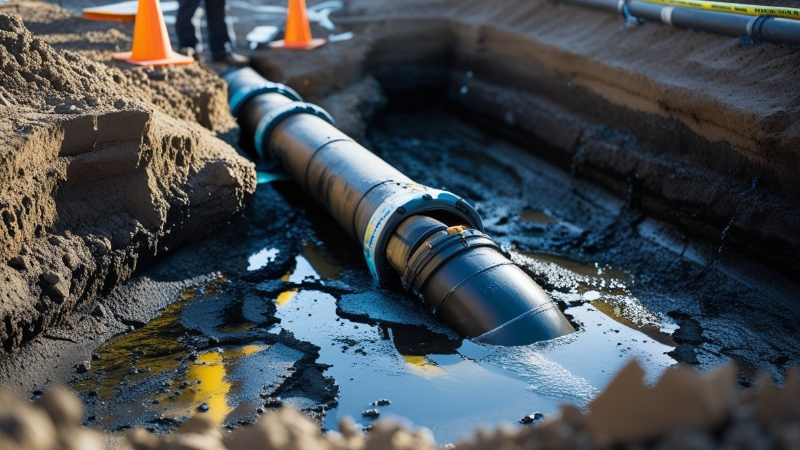
How to Detect and Repair Underground Leaks Efficiently With Easy Tips for Homeowners
Spotting and fixing underground leaks can save you from expensive water damage and those shockingly high bills. The fastest way to catch these leaks? Use specialized leak detection tools and don’t ignore things like soggy patches, odd smells, or sunken spots in your lawn. The sooner you catch a leak, the less you have to worry about.
Once you’ve tracked down the trouble spot, a quick, proper repair is crucial. Sometimes you’ll need to dig—carefully—to reach the damaged pipe, then figure out if a patch or full replacement makes more sense. Honestly, it’s often best to call in experts like Harris Plumbing, who send out licensed journeymen that know the quirks of Richmond Hill and Orillia.
If you live on well or lake water, keeping your underground plumbing in good shape is non-negotiable. Knowing what to watch for—and how to react—gives you peace of mind, especially in rural or cottage country. Harris Plumbing’s deep experience with these systems makes them a solid choice if you’re facing underground leaks.
Understanding Underground Leaks
Leaks under the ground can quietly cause a lot of damage if you don’t catch them early. It helps to understand why they happen, what to look for, and what can go wrong if you put off repairs.
Common Causes of Underground Water Leaks
Most underground leaks start with old or damaged pipes or shifting soil close to your house. Tree roots are notorious for busting into pipes, causing cracks or blockages. Metal pipes corrode after years in wet or acidic soil—a common headache in Canada.
Heavy equipment or construction nearby can break or stress pipes too. And let’s not forget those freeze-thaw cycles: when the ground swells and shrinks, rigid pipes can snap. If you’re in places like Muskoka or cottage country, ice damage is a real threat every winter.
Signs and Symptoms of a Leak
Sometimes you’ll hear odd noises—dripping, hissing—near your water lines. Maybe you notice soggy patches in your yard or grass that’s suspiciously greener than the rest. Those spots? They’re classic signs water’s leaking underground.
A sudden spike in your water bill without extra usage is another giveaway. If your water meter moves even when everything’s off, something’s up. In winter, look for soft spots in frozen ground or ice buildup along plumbing paths. And if you catch a nasty smell, you might have a sewage leak underground.
Risks of Delayed Detection
Letting leaks go can spell disaster. Water underground erodes soil, sometimes causing sinkholes or damaging your foundation and driveway. If it’s a sewage leak, you risk contaminating wells or lakes.
The longer you wait, the worse and pricier the repairs get. Small leaks can turn into major breaks or even floods. Mold can show up in walls or floors, which is bad for both your health and home value.
Pre-Detection Preparation
Before you start hunting for underground leaks, get your gear and game plan sorted. Gather the right tools, make sure you’re working safely, and know where your underground pipes and cables run. This prep saves you a lot of hassle.
Gathering the Necessary Tools
You’ll want a water leak detector or listening device to pick up sounds of escaping water. A soil moisture meter helps spot unusually wet ground.
A pipe locator shows you where the pipes actually run. Keep a shovel and trowel handy if you need to dig.
Charge up your batteries, and grab gloves and waterproof boots. If you’re dealing with a well or septic, pressure gauges or other specialized equipment might come in handy.
Safety Precautions Before Starting
Don’t skip safety. Always wear gloves, boots, and safety glasses.
Before you dig, call local utility services to mark out buried lines—gas, electrical, water, all of it. You don’t want to hit anything dangerous.
Not sure about a tool or where pipes run? Play it safe and call a pro like Harris Plumbing. Underground plumbing can get risky fast if you’re guessing.
Mapping Out Underground Utilities
Find out where your utilities actually run. Check out any blueprints or property plans that show water, gas, or electrical lines.
Use a pipe locator or metal detector to double-check pipe routes, and mark them on a sketch of your property.
Mapping this out helps you avoid accidents and lets you zero in on leaks faster. Plus, having a map makes future repairs way less stressful.
Modern Leak Detection Methods
Finding underground leaks can be tricky, but the right tools make it way easier. New tech lets you spot leaks faster, with less digging and mess.
Acoustic Leak Detection Technology
Acoustic detection is all about listening. Water leaking underground creates vibrations and noises. You use devices like listening sticks or ground mics to find the loudest spots.
No digging needed here, which is a huge plus. It works with metal, plastic, or concrete pipes. Loud background noise—traffic, wind—can make it harder, though.
Take readings along your pipes for the best results. Across Richmond Hill and Orillia, plumbers—including Harris Plumbing in Barrie, East Gwillimbury, and Richmond Hill—rely on acoustic leak detection gear for its speed and accuracy in local homes or cottages.
Thermal Imaging Solutions
Thermal cameras spot temperature differences underground. Leaking water changes the soil’s heat signature. Just scan over the ground or along walls and floors to see hot or cold spots.
No need to dig unless you’re sure you’ve found something. Works best in cooler weather, when contrasts stand out more. It’s also handy for spotting broken sump pumps or damp basement walls. Plumbers around Muskoka and Simcoe County use these cameras all the time.
Tracer Gas Techniques
Tracer gas is clever stuff. You inject a harmless gas—usually nitrogen—into the pipes. The gas slips out wherever there’s a leak, and a detector shows you exactly where.
It’s super accurate, especially for small or deep leaks that don’t make noise or change temperature.
The gas is safe and used in tiny amounts, so you don’t have to worry about harm to your property or the environment. Tracer gas is a favourite for detailed leak inspections from experienced plumbers like Harris Plumbing in Richmond Hill and Orillia.
Traditional vs. Advanced Detection Techniques
There’s more than one way to find an underground leak. Some folks go old-school, others use high-tech gadgets. Each approach has its pros and cons.
Manual Inspection Methods
Manual inspection usually means digging up suspect spots or checking exposed pipes. Sometimes you’ll use ground microphones to listen for leaks. These tools work, but you need a good ear and some experience.
Manual checks are hands-on and can be fine for small, easy-to-reach leaks. But they’re not so great for deep or hidden pipes. Plus, they take time—especially on big properties or complicated plumbing.
Comparison of Accuracy and Efficiency
Advanced detection uses tech like thermal imaging, acoustic sensors, or electronic locators. These tools are fast and precise. They find leaks without tearing up your yard.
Traditional methods can work but often involve more guesswork and labor. Tech tools show you the leak’s exact spot, saving you time and mess. If your pipes are hard to reach, advanced gear is a game-changer.
Cost Considerations
Manual inspection is cheaper up front—just basic tools and elbow grease. But if you miss leaks or have to dig multiple times, costs can snowball. You might end up paying more for repairs and fixing your landscaping.
Advanced detection tools cost more to use, but they often mean less digging and quicker repairs. You pay a bit more at the start but could save big by avoiding major property damage.
What’s best? It depends on your property, plumbing, and budget. Harris Plumbing can help you sort out what makes sense for your situation.
Efficient Leak Repair Strategies
When you’re dealing with an underground leak, the goal is to keep damage small, pick the right repair, and avoid tearing up more ground than you have to.
Isolation of Leak Areas
First, find the leak and cut it off from the rest of your plumbing. This stops water loss and keeps the rest of your system safe. Usually, you shut off valves near the leak or clamp the pipe.
Isolating the leak drops water pressure in that section, which helps prevent more soil erosion. It also makes the repair safer and simpler. If you’ve got valves already installed, you might not even need to dig.
Non-Destructive Repair Options
Non-destructive fixes let you repair the leak without turning your yard into a construction zone. Cured-in-place pipe (CIPP) lining is a popular option: plumbers insert a resin-coated liner into the pipe, then let it harden to seal up leaks.
Some use polyurethane foam or epoxy to fill small holes or cracks from inside the pipe. These methods are quick, tidy, and great for restoring flow fast—especially at cottages or businesses where downtime is a pain.
Trenchless Repair Technologies
Trenchless repair is a modern fix for underground leaks. Instead of digging up the whole pipe, techniques like pipe bursting break the old pipe from inside while pulling a new one into place.
Slip lining’s another option: slide a smaller pipe into the damaged one. Less digging, lower labor costs, and your landscaping stays mostly intact. Harris Plumbing uses trenchless repairs a lot in York Region and Muskoka, where keeping natural areas beautiful matters.
These approaches let you fix pipes fast, with almost no disruption.
Testing and Verifying Repairs
After you’ve fixed an underground leak, you’ll want to double-check that the repair’s solid. Here’s how to make sure you’re leak-free.
Post-Repair Inspection Techniques
Start with a visual check once you’ve filled the hole. Look for new wet spots, soft soil, or sunken ground—any of these could mean the leak’s still there.
Next, do a pressure test: fill the system with water or air and watch the pressure for a few minutes. If it drops, you’ve still got a leak.
Thermal cameras can help too. They’ll show temperature changes in the soil, which can reveal hidden wet spots.
For extra peace of mind, use an acoustic leak detector to listen for any lingering water sounds underground. Combining these checks helps you catch even sneaky leaks.
Ensuring Leak-Free Performance
Once everything checks out, run water through your system at normal and high flow. Watch the pressure gauges for any weird drops.
Keep an eye on the area for a few days. If you spot damp spots or catch a strange smell, you might have a slow leak.
If you use sump pumps or well pumps, test them as usual to make sure they’re not stressed by the repair.
Keep notes on what you did and what you found. This makes future maintenance easier.
A good plumber, like Harris Plumbing, will make sure your repairs hold up—so you don’t have to worry about leaks coming back.
Preventing Future Underground Leaks
Keeping your underground pipes healthy means regular checkups and smart protection. Stay ahead of leaks and you’ll save yourself a lot of future headaches.
Regular Inspection Plans
Set a reminder to check your underground pipes every 6 to 12 months. Watch for moisture, soft soil, or odd plant growth—these can all signal leaks.
Bring in licensed pros like Harris Plumbing, who use electronic leak detectors or ground-penetrating radar to find hidden leaks without digging up your yard.
Keep a log of inspections and repairs. Tracking your pipes over time helps you spot patterns and catch problems early. Consistency here pays off with fewer surprises and lower costs.
Protective Measures for Pipes
Go for corrosion-resistant pipes that actually suit underground use where you live. PVC or polyethylene pipes hold up better and don’t get wrecked by soil or moisture as easily.
Always make sure your pipes are buried below the frost line to prevent freezing or bursting. Homeowners in Newmarket, Aurora, and Stouffville often add pipe sleeves or insulation to protect against both cold weather and root intrusion.
Try not to run heavy vehicles or put big structures over buried pipes. That just invites cracks or breaks. And if you can, steer clear of big trees—roots have a way of finding pipes.
When to Call a Professional
Underground leaks are sneaky. Most folks can’t spot them easily, and fixing them isn’t always a DIY job. Sometimes, it’s just smarter to call in someone with the right gear and experience. If you can spot the signs of a bigger problem, you’ll save yourself a lot of hassle.
Identifying Complex Leak Situations
Notice water pooling where it shouldn’t, or did your water bill suddenly jump for no clear reason? Could be an underground leak. These leaks hide out, sometimes eroding soil or messing with your home’s foundation.
Leaks around septic systems, wells, or in rocky or frozen ground—don’t mess with those on your own. You might just make things worse or miss deeper issues. If the pipes are old, damaged, or buried way down, you’ll need pros with acoustic detectors or infrared cameras to track down the leak.
If you keep seeing soggy patches, smell something off, or your water pressure just won’t bounce back, it’s probably time to call someone like Harris Plumbing. They’ve seen it all when it comes to rural and cottage plumbing headaches.
Choosing the Right Leak Detection Service
Pick a leak detection service with licensed journeyman plumbers who actually know the local quirks. The better companies use advanced tools, so they can find leaks without tearing up your yard.
Ask for upfront pricing and warranties on repairs—no one likes surprises. Good plumbers will talk you through what’s going on and lay out your options. Make sure they’ve handled stuff like well pumps, septic systems, or the winter plumbing headaches we get in Ontario.
If they offer ongoing maintenance or emergency help for sump pumps and backups, that’s a sign they care about keeping your place safe long-term. Harris Plumbing covers Simcoe County and nearby areas, and they’ve got a solid reputation for reliability.
Frequently Asked Questions
Catching and fixing underground leaks early saves you money and spares your property a lot of grief. It helps to know what to look for, how the pros tackle it, and what to do if you think you’ve got a leak.
What are the signs that indicate the presence of an underground water leak?
Watch for water bills that just don’t make sense or wet spots in your yard that stick around. Sometimes, patches of grass will suddenly look a lot greener or grow faster. You might even hear water running when all the taps are off—strange, right?
Can you recommend any modern technology used for detecting underground leaks?
Most pros use electronic gear that listens for leaks underground. Thermal cameras spot cold, damp spots by picking up temperature changes. And pipe inspection cameras? Those let plumbers peek inside without digging up your whole yard.
What steps should a homeowner take once an underground leak is suspected?
Start by checking for soggy ground or standing water. Shut off your main water valve to avoid wasting any more water. Then, reach out to a licensed plumber nearby—Harris Plumbing is one option—to check things out properly.
Are there any cost-effective methods for repairing leaks in residential areas?
You can sometimes patch small leaks with a kit, no digging required. Trenchless repairs are great too—plumbers put a new liner inside the damaged pipe, so you don’t have to tear up your lawn.
How can I find a reliable service for underground leak detection and repair?
Look for a licensed plumber with solid reviews and local experience. Ask if they use up-to-date tech and give clear pricing before starting. Harris Plumbing is a trusted option in Richmond Hill and Orillia—they’ve been at it for over 51 years.
Is it possible to receive financial assistance or reimbursement for water leak damage?
Some insurance policies actually cover water damage from sudden leaks, though they usually won’t help if the damage happened because you ignored a problem. It’s worth calling your insurer to see what your policy really includes—sometimes the fine print surprises you. You might also want to poke around for local government programs that chip in for water conservation or repairs. Not every area offers that, but hey, it’s worth a quick search.