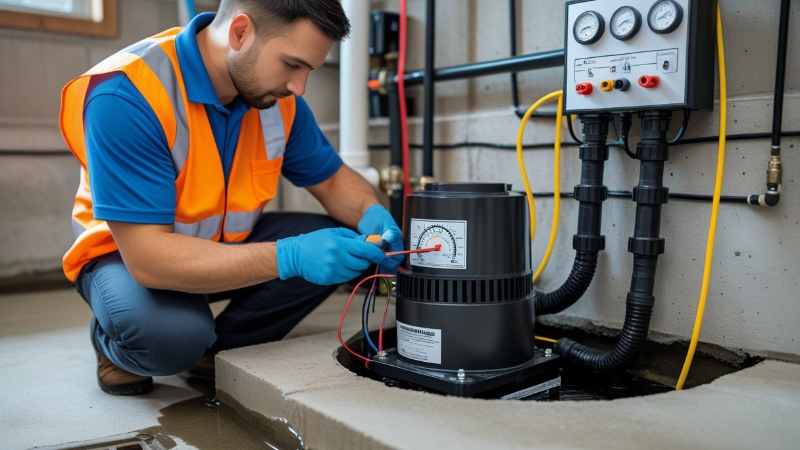
Why Sump Pump Testing Is Essential Before Spring Thaw to Prevent Costly Water Damage
As the snow melts and temperatures warm up in Ontario, your home’s at a greater risk for water damage. Testing your sump pump before the spring thaw just makes sense—it’s a quick way to make sure it’ll do its job when you need it most. This small step can spare you a flooded basement and a pile of expensive repairs.
In places like Barrie, Richmond Hill, and Muskoka, spring runoff can overwhelm drainage in a hurry. If your sump pump quits, water can pool up fast and cause a real mess. Harris Plumbing’s been around for over 51 years in Simcoe County and York Region, and they’ll tell you—testing your sump pump now is a smart move for peace of mind.
A little effort now goes a long way toward keeping your property dry. Whether you’re in the city or at the cottage, checking your sump pump before the thaw is just good sense.
Understanding Sump Pump Testing
Knowing when and how to test your sump pump can save you a lot of grief during the spring thaw. Testing makes sure the pump kicks in when water levels rise from melting snow and rain.
What Sump Pump Testing Involves
Testing your sump pump means seeing if it turns on and moves water like it should. Usually, a pro will pour water into the sump pit to trigger the float switch and see if the pump fires up.
They’ll also check the motor, the float switch, and the discharge pipe for clogs or wear. If your system has a battery backup, that gets checked too—power outages aren’t rare in spring storms.
If you’re in Barrie or Orillia, where spring runoff can get wild, this test is a must to keep your basement dry.
Signs Your Sump Pump Needs Testing
Notice slow drainage or damp spots in your basement? Maybe you hear odd noises from the pump, or it just never seems to shut off. Those are red flags.
Rusty pumps, water pooling near the pit, or frozen or loose discharge pipes all mean it’s time for a check. Regular testing helps you catch these issues before you’re bailing out water. Folks in Muskoka and York Region know how fast things can go sideways when the ice melts.
Recommended Frequency for Testing
Harris Plumbing suggests testing your sump pump at least once a year—right before the spring thaw is best. That way, your pump’s ready for the rush of melting snow.
If you’ve got a battery backup, check it twice a year. After a rough winter storm in Newmarket or Aurora, it’s a good idea to test again just in case something got knocked loose or frozen.
Sticking to a routine keeps your pump reliable. Having a licensed journeyman plumber do a checkup can save you from scrambling for repairs later.
Risks of Skipping Sump Pump Testing Before Spring Thaw
Skip checking your sump pump before the thaw and you’re rolling the dice. Your basement might flood, water damage can sneak in, and mould can start to grow. These headaches hit your property’s value and your peace of mind.
Increased Flooding Risk
If you don’t test your sump pump before spring, it might fail right when you need it. In Ontario towns like Barrie or Newmarket, snowmelt can dump a lot of water into basements in no time. Without a working pump, you could be dealing with a flood.
Floods can happen fast when the snow melts. If you skip testing, you’re risking a big, expensive mess. Getting a licensed journeyman plumber to check your pump helps you avoid this, especially in places like Simcoe County where water levels can jump quickly.
Potential Water Damage to Basement
Water seeping into your basement can ruin walls, floors, and even the foundation. Moisture weakens your home and can mean pricey repairs. Stuff stored downstairs—carpets, furniture—might get wrecked too.
You might not spot water damage right away, but it gets worse over time. A sump pump test shows if your pump is up to the job. Harris Plumbing, working in York Region and Muskoka, suggests a professional inspection before spring to help protect your place.
Mold and Mildew Growth
Let water sit in your basement and you’re pretty much inviting mould and mildew. These can grow on walls, wood, and whatever you’ve got stored. Besides smelling bad, mould can mess with your air quality and cause health issues.
Once it’s there, mould’s tough to get rid of. Testing your sump pump helps keep things dry and mould in check, which is especially important during the damp spring months in areas like Aurora or Richmond Hill.
Key Steps to Test Your Sump Pump Effectively
Testing your sump pump before spring means checking a few key things: the sump pit, the power, and the pipes that carry water out. Each one matters if you want to avoid flooding or a pump breakdown.
Inspecting for Debris and Obstructions
Pop the sump pump cover off and peek inside the pit. Leaves, dirt, even small toys—anything can block the pump’s intake. The pump itself should be clear so the impeller can spin.
Check the float switch too. It needs to move up and down freely to trigger the pump. Lift it gently—if it’s stuck, your pump won’t run when it should.
If you find a lot of gunk or a clogged pit, clean it out before you test the pump. Keeping this area tidy is a simple way to dodge floods, especially in Muskoka cottages or homes in York Region.
Simulating High Water Levels
To see if your pump turns on at the right time, pour water slowly into the pit and watch the float rise. The pump should kick in as the float goes up.
If it doesn’t start, you might have an electrical or mechanical problem. The pump should run until the water drops, then shut off on its own. Stick around to make sure it actually gets the water out.
Doing this in Barrie or Orillia before the thaw can save you a lot of hassle when the snow starts to melt.
Checking Power Supply and Backup Systems
Your sump pump needs steady power. Make sure it’s plugged into a grounded outlet—skip the extension cords, they can cause trouble.
If there’s a battery backup, unplug the main power and see if the backup takes over. The battery should have enough juice to keep things running during an outage, which happens more often than you’d think in Ontario storms.
If you want to be extra sure, book a checkup with a licensed journeyman plumber in York Region or Simcoe County. Harris Plumbing does these all the time.
Evaluating Discharge Line Functionality
That discharge line carries water away from your foundation, so it’s got to stay clear. Head outside and check the end of the pipe. Ice, mud, or even a bird’s nest can block it.
Make sure the pipe sends water at least three metres from your house. If water just pools near your foundation, you’re still at risk for a flood.
Look for cracks or holes in the pipe. If you spot damage, get a plumber who knows local conditions in Aurora or Stouffville to fix it. A good discharge line keeps your basement dry when spring melt hits.
Common Issues Detected During Sump Pump Testing
When you test your sump pump before spring, you might find a few common problems—motor trouble, float switches that stick, or power issues. Catching these early saves you from a nasty surprise when the snow melts.
Pump Motor Malfunctions
The motor’s the heart of your sump pump, but it can wear out or get jammed with debris. If it starts to hum, run slow, or just stops, water won’t get pumped out and you could end up with a flood.
Motor problems usually come from overload or overheating. In Simcoe County and Muskoka, where melts can be heavy, your pump needs to work hard. If the breaker keeps tripping, that’s another sign. Checking this before the thaw can save you a frantic call for help.
Clogged Float Switches
The float switch tells your pump when to turn on or off. If it’s jammed with dirt or stuck, the pump might run all the time or not at all.
Float switches have to move freely as the water rises. Testing will show if anything’s blocking it or if the switch is just worn out. Harris Plumbing techs see float problems a lot in York Region and Richmond Hill, especially in older setups.
Power Supply Failures
Your sump pump needs a solid power supply. Problems like bad wiring, loose plugs, or dodgy breakers can mean your pump won’t work when you need it. Power failures during the melt can lead to serious flooding.
Check that the pump’s power is stable and that backups—like batteries—are ready to go. This is especially important in Ontario’s rural spots, where outages can drag on. Harris Plumbing always checks the electrical setup during their sump pump service in Barrie and Newmarket.
Benefits of Regular Sump Pump Testing
Regular sump pump tests save you money, give you peace of mind, and help your pump last longer. Knowing your pump’s ready for spring means less stress and fewer nasty surprises when the snow goes.
Cost Savings from Prevented Damage
Spring can dump a lot of water into your basement, especially in Simcoe County or York Region. If your sump pump fails, you could be looking at thousands in repairs.
Regular testing catches problems early. You can fix a clogged pump or weak battery for way less than it costs to fix water damage. Harris Plumbing’s expert testing helps you avoid floods and protect your property.
Peace of Mind in Wet Weather
It’s a relief knowing your sump pump’s ready before the rain or melt hits. During spring, water levels can rise fast, and a busted pump means panic. Testing makes sure your system turns on and gets water out, so you’re not up all night worrying.
If you’re in Barrie or Muskoka, where weather can change on a dime, being prepared just feels better. You can relax, knowing your home’s protected.
Improved Sump Pump Lifespan
Testing your sump pump helps it last longer. Catching things like stuck switches or worn parts early means less wear and tear.
A well-kept sump pump needs fewer repairs and won’t need replacing as often, saving you time and money. Harris Plumbing keeps pumps in good shape for homes and cottages across Ontario, so your system can handle many more springs.
Frequently Asked Questions
Checking your sump pump before spring makes sure it’s ready for melting snow and heavy rain. A little care now can prevent backups and protect your basement or cottage.
How do I know if my sump pump is ready for the spring thaw?
Run a test and listen for the pump. Make sure it starts on its own when water rises.
Watch for weird noises or leaks. If it runs smooth and moves water out fast, you’re good.
What steps can I take to ensure my sump pump won't fail during quick melts?
Pour water into the pit to test the pump. Clear out any junk from the basin and inlet.
Check that the discharge pipe is open and points away from your house. If you get lots of outages, think about adding a battery backup.
Can a frozen sump pump discharge line be prevented?
Wrap the discharge pipe with foam sleeves or heat tape. Keep the pipe sloped downhill so water drains out.
Try to have water drain into a spot that won’t freeze up, like a yard or storm drain.
What maintenance tips should I follow to avoid flooding during springtime?
Clean out the sump basin and remove any grit or dirt. Look over the pump for cracks or damage.
Test your pump every month as spring gets closer. If you want expert help in Barrie or Newmarket, Harris Plumbing can do a full check-up.
Is it normal for sump pumps to have issues after winter, and how can I prepare?
Honestly, yes—cold weather can cause blockages or wear things out. Check the pump and swap out worn parts before things thaw.
Keep an eye on your setup during late winter so little issues don’t turn into big floods.
What are the risks of not testing your sump pump before the weather warms up?
If your sump pump quits on you, water might flood your basement or cottage, wrecking floors, walls, and whatever you’ve stored down there.
Skip the maintenance, and you could end up shelling out for repairs or calling in emergency help. Testing now gives you a shot at spotting problems before things get soggy.