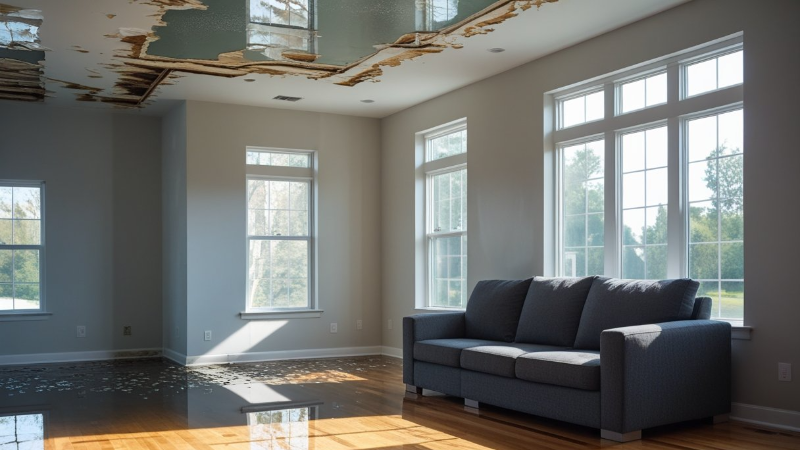
How To Spot Early Warning Signs Of Water Damage Before It Gets Worse
Water damage usually sneaks up on you. Catching it early can spare you a ton of headaches and money. If you spot things like odd stains, a musty smell, or damp patches, don’t brush them off—they could be the start of something bigger.
In areas like Barrie, Orillia, or Muskoka, water problems can escalate quickly—especially in cottages or older homes. Harris Plumbing has over 50 years of experience helping homeowners spot warning signs and protect their properties. Knowing what to watch for can make all the difference for peace of mind.
Understanding Water Damage
Water damage happens when moisture starts eating away at your home’s structure or stuff. It’s sneaky—often starts small, then suddenly you’re facing an expensive repair. If you know what tends to cause it and where it shows up, you’ll have a better shot at stopping it early.
What Is Water Damage
Basically, water damage means materials like wood, drywall, or flooring have soaked up too much water. You’ll get swelling, warping, cracks, or even rot. Dampness also brings mould and mildew, which nobody wants—trust me.
Sometimes you’ll see it, like stains or peeling paint. Other times, it hides out behind walls or under floors. If you ignore it, water damage can mess with your home’s foundation and tank its value.
Common Causes of Water Damage
Leaks, floods, and poor drainage are the usual suspects. Leaky pipes or fixtures in the bathroom or kitchen? Super common. Canadian winters can freeze pipes and cause them to burst, flooding your place in no time.
Sump pumps that don’t work when you need them? That’s a problem. Heavy rain or melting snow can overwhelm them, sending water right into your basement. Storms, ice dams on roofs, and even tree roots breaking pipes underground can all lead to leaks you might not notice for ages.
Areas Most Vulnerable in Homes
Some spots just seem to attract trouble. Basements are notorious for flooding. Bathrooms and kitchens, with all their pipes and fixtures, are also high-risk.
Roof edges, gutters, and window seals can wear down, letting water sneak inside. Crawl spaces and septic systems on rural properties are also vulnerable. Harris Plumbing has helped many homeowners and cottage owners in Muskoka, Aurora, and Richmond Hill protect these areas through plumbing repairs and sump pump installations.
Key Early Warning Signs of Water Damage
Water damage loves to start quietly, but it leaves clues. If you keep an eye out for changes on your walls, floors, and ceilings, you might catch it before it turns into a disaster. Things like stains, peeling, or warping can tip you off.
Visible Stains and Discoloration
Notice yellow, brown, or dark stains on your walls or ceiling? That’s usually water leaking from somewhere. These spots start small and spread. They’re often weirdly shaped and might feel damp or soft.
Check near windows, under sinks, and around pipes. Stains in these areas often mean leaks or condensation issues. Catching them early makes a huge difference. Harris Plumbing says these are some of the first things they spot during inspections.
Peeling Paint or Wallpaper
If you see paint or wallpaper peeling, bubbling, or cracking, moisture is probably trapped behind it. Water breaks the bond between the wall and the finish, causing it to lift or bubble.
Watch for uneven or rough textures, especially near plumbing or in rooms with bad ventilation. If you tackle peeling paint early, you can avoid mould and save money on repairs.
Warped or Buckling Floors
Floors that warp, buckle, or feel spongy are soaking up water somewhere. Wood and laminate floors swell and lift when they get wet, making the surface uneven.
Focus on spots near bathrooms, basements, or kitchens—places where leaks are common. Warped floors often mean there’s a bigger leak underneath. If you’re not sure, Harris Plumbing can help you track it down and stop the damage.
Detecting Hidden Moisture Problems
Hidden moisture can do a number on your home if you don’t catch it. Weird smells, damp spots, or sudden humidity changes can all mean water’s trapped somewhere out of sight. Find these clues early and you’ll save your walls, floors, and your sanity.
Unusual Odors and Musty Smells
A musty, earthy smell inside? That’s often a sign of hidden water damage or mold. You’ll notice it most in basements, crawl spaces, or behind walls. Mold loves damp, dark spots, and the smell is usually your first hint.
Don’t ignore persistent odors, even if you can’t see anything wrong. Sometimes the smell shows up before any visible mold does. Try a dehumidifier, but if it sticks around, call in a pro to check for hidden moisture.
Dampness in Walls or Carpets
If your walls feel cold, soft, or you see paint peeling, there’s probably moisture underneath. Carpets might get dark stains or feel squishy if water’s seeping in below.
Check around windows, pipes, and corners—anywhere water might settle. A moisture meter can help you find hidden damp spots. If you jump on these problems early, you’ll avoid bigger repairs and stop mold before it starts.
Unexpected Increase in Humidity
If the air in a room feels heavy and damp, or you see condensation on windows, you might have a leak or trapped moisture. Humidity over 60% indoors is a bad sign for mold and damage.
Use a hygrometer to check your home’s humidity. If it’s high, look for leaks, roof issues, or poor ventilation. Harris Plumbing can help with sump pump problems or leaks to get things under control, especially in Simcoe County or Muskoka.
Spotting Water Damage Around Windows and Doors
Water sneaking in around windows and doors can cause all sorts of problems. You might notice soft wood, extra moisture, or chilly drafts. Catching these early helps you avoid expensive repairs down the line.
Soft or Crumbling Window Frames
If the wood around your windows or doors feels soft or crumbly, water’s already doing damage. Over time, it can rot, leaving holes or busted frames. Look for peeling paint or dark stains too.
Check often, especially after storms. Don’t wait—damaged frames let in more water and can mess up your walls and floors. Harris Plumbing says fixing these right away is best.
Condensation Build-Up
Seeing water droplets on your windows or frames a lot? That’s condensation. It happens when warm, moist air hits a cold surface. Some is normal, but too much can mean poor seals or trapped moisture.
Mold or mildew near the window is another red flag. It damages paint and can mess with your health. Try lowering indoor humidity with fans or dehumidifiers. If condensation keeps coming back, it’s time to have someone check the seals and drainage.
Drafts and Temperature Changes
Feeling cold air coming through closed windows or doors? Water damage may have weakened the seals or frames. Gaps or cracks let in drafts, making your home less comfy and bumping up your heating bill.
Check for warping or shrinking wood around the edges. Fixing drafts early makes your house more comfortable and keeps water out. Harris Plumbing can help you find and repair these hidden leaks.
Checking Ceilings and Attics for Damage
When you check your ceilings or attic, keep an eye out for anything off—odd shapes, colors, or smells. Sometimes the smallest clue can save you from a huge mess later.
Sagging or Drooping Ceilings
A sagging or drooping ceiling usually means water has soaked in. The material weakens, bends, and might even feel soft or wet if you touch it. That’s a big red flag—could be a leak above.
Don’t put this off. A sagging ceiling can collapse or turn into a mold problem fast. Call a professional plumber like Harris Plumbing to find and fix it before things get worse.
Water Rings and Spots
Water rings look like round, brownish or yellow patches on the ceiling. They show up when water leaks slowly through the roof or pipes. Sometimes they’re small, sometimes they spread out, but they all mean water’s getting in.
Check near joints, light fixtures, or vents. Don’t ignore these spots—they often mean water is coming in again and again.
Visible Mold Growth
Mold can look black, green, or white and fuzzy—usually on attic wood, ceiling tiles, or insulation. It pops up in damp areas that never dry out. Besides looking gross, mold can cause allergies and breathing issues.
Notice any musty smells along with mold? That’s another clue. If you spot it, wear a mask and gloves and don’t mess with it too much. Get a plumber or mold expert to check it out. Harris Plumbing can help dry things out and stop the damage from spreading.
Detecting Issues in Basements and Crawl Spaces
Basements and crawl spaces are magnets for early water damage. You might see water collecting in low spots, white powdery stuff on the walls, or cracks in the foundation. These are signs you shouldn’t ignore.
Standing Water or Puddles
Standing water or puddles in your basement or crawl space mean water isn’t draining right. Heavy rain, leaks, or bad outdoor drainage can all do this. Even small puddles can rot wood, grow mold, and stink up the place over time.
Check the floors after storms or snow melt. Pools of water can tell you where the trouble starts. A sump pump can help, but if water keeps coming back, you should call a licensed plumber like Harris Plumbing to check your drainage system.
Efflorescence on Walls
Efflorescence is that white, powdery stuff you see on basement or crawl space walls. It’s left behind when water moves through concrete or brick and brings minerals with it. It doesn’t hurt the structure, but it means moisture is getting in.
If you spot efflorescence—especially after wet weather—don’t just wipe it off. It’s a sign you’ve got a moisture problem. Get a plumber to check your waterproofing and drainage.
Cracks in Foundations
Small cracks in your foundation walls or floor might not look serious, but they can let water in. Sometimes it’s just settling, but water will use any path it can find.
Look for cracks wider than 1/8 inch or ones that leak when it rains. Pay attention around doorways, windows, and corners. Get these fixed early. You might need a pro to seal the cracks or improve drainage. Harris Plumbing can check and fix foundation water issues before they get out of hand.
Recognizing Water Leaks in Plumbing and Fixtures
Leaks in your plumbing show up in all sorts of ways. Maybe you hear weird noises, spot rust, or notice your water pressure dropping. If you catch these signs early, you’ll avoid bigger headaches.
Unusual Sounds in Pipes
Hear banging, clanging, or hissing in your pipes? That could be a leak. These sounds usually happen when water flows weirdly or air gets trapped.
A steady drip behind a wall or under a sink is a classic sign of a hidden leak. Sometimes pipes vibrate or knock if valves aren’t working right.
Pay attention to these noises, especially if they happen when no water’s running. It might mean water’s escaping somewhere it shouldn’t—and waiting will only make it worse.
Corrosion or Rust on Appliances
Corrosion or rust around taps, pipes, or valves usually means water's been leaking slowly. Metal just can't handle being wet for long without showing signs of damage.
Watch for green or orange stains on plumbing fixtures—those colors often mean leaks have been around a while. Wet spots under sinks or near water heaters are another red flag.
If you notice rust or water stains, it's probably time to call someone you trust, like Harris Plumbing. They'll check things out and swap out worn parts before leaks get out of hand.
Low Water Pressure
Low water pressure can be more than just annoying. It often hints at leaks or blockages hiding inside your pipes.
If water trickles from taps or showers, some might be sneaking out through cracks or worn joints. That wasted water can also mess up your walls or floors over time.
Testing water pressure or noticing a sudden drop after repairs can help you spot leaks early. Harris Plumbing has seen it all—diagnosing these problems in Ontario’s homes and cottages. Catching issues early saves you money and headaches.
Taking Preventative Measures
To avoid water damage, you really have to stay on your toes. Regular checks and a few smart upgrades can keep tiny problems from turning into big ones. Good habits matter, and a little effort goes a long way.
Regular Inspections
Take a look around your home for water trouble now and then. Peek under sinks, around toilets, and near your water heater. Wet spots, stains, or peeling paint? Those are early warning signs.
Check your basement or crawl space, too. If you notice a damp or musty smell, water could be sneaking in. Make sure your sump pump works, especially before big storms or snow melts.
Jot down anything odd so you can track changes over time. If something seems off, reach out to a pro like Harris Plumbing for a closer look. These regular checks really can save you from expensive repairs.
Upgrading Waterproofing
Old or cracked waterproofing lets water seep right in. Patch up foundation cracks and seal around windows and doors. Adding a waterproof membrane to basement walls can help, too.
Consider installing or upgrading sump pumps—they get rid of water before it causes real harm. Battery backups are a lifesaver if the power goes out.
Don't forget about drainage. Make sure gutters and downspouts send water away from your home's base. Solid waterproofing keeps your place dry and protects your investment.
Proper Ventilation Practices
Good airflow keeps moisture from building up, which means less risk of water damage. Use exhaust fans in bathrooms and kitchens while you’re showering or cooking.
Keep attics and crawl spaces ventilated to prevent dampness. Sometimes you need to add vents or fans if air just isn’t moving. Try not to block vents with boxes or insulation.
Ventilation helps wood stay dry and keeps mould at bay. Not sure if your home’s set up right? Harris Plumbing can take a look and offer tips to keep things healthy.
When to Call a Professional
If you keep seeing damp spots, peeling paint, or mould, it's time to bring in a professional. These signs usually mean there's hidden water damage that needs real attention.
If your floors or walls feel soft or swollen, that could be serious structural damage—don’t wait on that.
Leaks around pipes, fixtures, or your sump pump can spiral into bigger headaches. If you’re not sure what’s going on, a licensed plumber can figure it out and fix it safely.
Here are a few signs that mean you should call for help:
- Water stains or discoloration on ceilings and walls
- Musty odors that stick around
- Mould growth, especially black spots
- Frequent clogged drains or slow drainage
- Noisy or malfunctioning sump pumps
Harris Plumbing’s been handling these issues in Ontario for over 51 years. They offer expert services for sump pump repairs, well and lake pump problems, and plumbing maintenance.
Waiting too long to call a pro usually means bigger costs down the road. Certified plumbers can spot hidden issues early and keep your home safe. Always go with trusted local experts who are upfront about pricing and stand by their work.
Frequently Asked Questions
Water damage can show up in all sorts of ways. You might see stains, catch a weird smell, or notice changes in wood or drywall. Spotting these things early makes a real difference.
What are the initial indicators of water damage in a home?
Watch for discoloration on walls or ceilings, soft spots, and peeling paint. If you smell mildew or dampness—especially in basements or near plumbing—take a closer look.
How can you detect water damage in your car?
Sniff for a musty smell inside. Feel under carpets and seats for dampness or squishiness. Water stains or corrosion on metal parts are big clues.
What are the telltale signs of water damage on wooden surfaces?
Wood might warp, crack, or swell. Dark stains and soft spots are common, and sometimes you’ll spot mold.
What methods can identify if water damage is a recent issue or an old one?
Fresh damage usually feels damp and smells less strong. Old damage shows up as dry stains, peeling paint, or mold. A plumber from Harris Plumbing can help figure out how old the damage is.
How can you tell if your phone has suffered water damage?
Your phone might not turn on, the screen could look foggy, or sound might be off. Check for discoloration near the charging port or look for built-in water damage indicators if you can.
What steps should you take upon discovering water damage in your walls?
First things first, try to shut off the water source if that's possible. Next, grab some fans or a dehumidifier and start drying things out. It's a good idea to call a licensed plumber—like the folks at Harris Plumbing in York Region—to check out the problem and handle the repairs before things get worse.