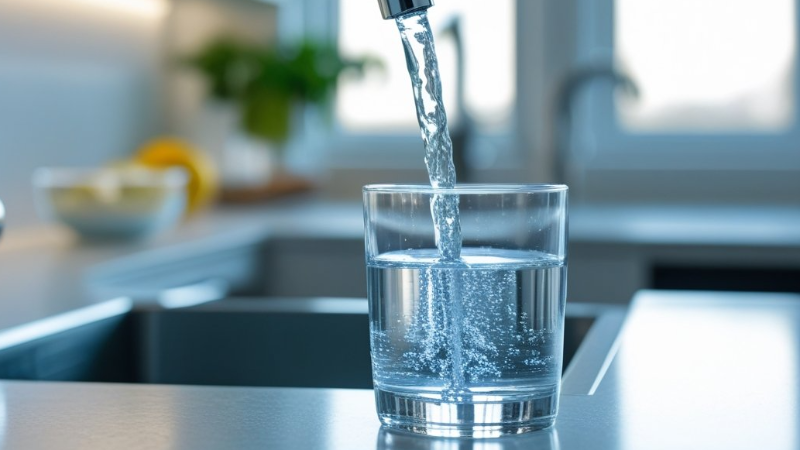
Hidden Dangers of Chlorine in Tap Water and What You Can Do About It
You might not think much about the chlorine in your tap water, but it can hide some risks that affect your health and home. Chlorine is used to kill germs and make water safe to drink, yet its presence can sometimes lead to unexpected problems.
Chlorine can react with other substances in your water to create harmful by-products. These by-products may irritate your skin, cause dry hair, or even impact your health over time.
If you have a cottage or rely on well or lake water in areas like Muskoka or Simcoe County, this is especially important to consider.
Understanding Chlorine in Tap Water
Chlorine is a common chemical used in water treatment. It helps keep your water safe by killing germs.
However, it also has some effects you might not expect. Knowing what chlorine is, why it’s added, and how much is in your water can help you make smarter choices for your home.
What Is Chlorine?
Chlorine is a gas that many water systems use to kill bacteria and viruses. It’s strong and stops illness-causing germs from growing in your water pipes.
You won’t usually see or taste chlorine in water because it is used in small amounts. Even so, it can leave a faint smell or taste.
In some cases, chlorine can react with other substances in the water and form compounds that are less safe.
Why Chlorine Is Added to Drinking Water
The main reason chlorine is added to drinking water is to kill germs. Without it, bacteria and viruses could spread diseases through the water supply.
It also keeps your water safe and clean as it moves through long piping systems. For rural homeowners and cottage owners in areas like Newmarket, Aurora, and Muskoka, this added protection is especially valuable since water often travels far before reaching the tap.
Chlorine is a simple and cost-effective way for municipalities to meet safety rules and protect public health.
Chlorine Levels in Municipal Supplies
Water treatment plants control chlorine levels to meet Canadian guidelines. The usual range is about 0.2 to 1.0 milligrams per litre (mg/L).
If chlorine levels get too high, you may notice a strong taste and smell in your water. High amounts can irritate skin or eyes during a shower.
Municipalities regularly test and adjust chlorine to keep it safe and effective. Your local water supplier in Stouffville will have more info on their water quality.
Hidden Health Risks of Chlorine
Chlorine in your tap water can lead to health problems both right away and over time. Some effects may be mild, like skin irritation, but others could grow worse with long-term exposure.
Certain groups of people need to be especially careful.
Short-Term Health Effects
When you use chlorinated water, your skin and eyes might become dry or itchy. You could notice redness or irritation, especially if you spend a lot of time in chlorinated water like showers or baths.
Some people report a strong chemical smell or taste in their drinking water, which might cause stomach discomfort or nausea. Breathing in chlorine fumes from hot water can also cause coughing or throat irritation.
If you have allergies or asthma, exposure to chlorine may trigger symptoms. These effects tend to happen quickly after exposure and usually go away when you stop contact with the chlorine.
Long-Term Exposure Concerns
Over many years, chlorine in drinking water may increase your risk of certain health issues. Some studies suggest it can create harmful by-products, like trihalomethanes (THMs), which form when chlorine reacts with organic matter.
THMs have been linked to a higher chance of bladder and colon cancer. Long-term exposure might also affect your liver and kidneys.
Drinking chlorinated well or lake water without proper filtration can lead to these concerns. Regular water testing in Stouffville can help you stay informed about chlorine levels.
Vulnerable Populations
Some people need to be extra careful with chlorine in their water. This includes children, elderly adults, pregnant women, and anyone with weakened immune systems.
Young children’s bodies are still developing, so they might be more sensitive to chlorine’s effects. People with skin conditions like eczema or respiratory issues such as asthma may find chlorine worsens their symptoms.
If you rely on well or lake water for your cottage, consider installing filtration or dechlorination systems to protect your family. Taking steps to reduce chlorine exposure can help you and your loved ones stay healthier.
Chemical Byproducts and Their Dangers
Chlorine reacts with natural materials in your water to create other chemicals. Some of these byproducts can affect your health if you are exposed to them regularly.
It's important to know which ones are common and what risks they might carry.
Formation of Disinfection Byproducts
When chlorine is added to your tap water, it kills bacteria and viruses by reacting with organic matter like leaves or soil. This reaction creates disinfection byproducts (DBPs).
These compounds are not usually visible or smell strange, but they are present in small amounts. DBPs mainly form when chlorine combines with carbon compounds naturally found in water.
The more organic material your water has, the more byproducts can form. In areas with well or lake water, this can be more common because these sources tend to have higher organic content.
Trihalomethanes and Health Hazards
Trihalomethanes (THMs) are one of the most common DBPs formed when chlorine reacts with organic substances. These chemicals can build up over time if your water contains them regularly.
Long-term exposure to high levels of THMs may increase risks of certain health issues, such as liver or kidney problems. While drinking water standards limit these chemicals, it's good to know they exist.
Using a carbon filter or boiling your water can reduce THM levels in your home.
Chloramines in Tap Water
Chloramines are another type of disinfectant formed when chlorine combines with ammonia. Many water providers use chloramines instead of or alongside chlorine to keep water safe longer during delivery.
Chloramines are less likely to create THMs, but they can irritate your skin or eyes and may affect sensitive groups like people with kidney dialysis needs.
If you use well or lake water treated with chloramines, you might want to ask your plumber about special filters to lower their amount.
Effects on Skin, Hair, and Eyes
Chlorine in tap water can change how your skin, hair, and eyes feel and look. It often causes dryness, irritation, and sensitivity.
Understanding these effects helps you protect yourself and maintain healthy skin, hair, and eyes.
Skin Irritation and Dryness
Chlorine strips natural oils from your skin, leaving it dry and itchy. If you have sensitive skin, exposure can cause redness, rashes, or eczema flare-ups.
Washing with chlorinated water frequently can weaken your skin’s barrier, making it harder for your skin to stay hydrated. This means more discomfort and rough texture.
To reduce irritation, use lukewarm water for washing and apply moisturizers right after. A filter on your tap can also remove chlorine and help protect your skin.
Impacts on Hair Health
Chlorine can make your hair feel dry, brittle, and dull. It removes the natural oils that keep hair soft and shiny.
If you swim often in chlorinated water or use tap water with high chlorine levels, your hair may become frizzy and prone to breakage. It can also fade hair colour faster.
Using a gentle shampoo designed to remove chlorine and applying conditioner regularly can restore moisture. Wearing a swim cap or rinsing with fresh water after swimming helps too.
Eye Sensitivity
Chlorine in tap water can cause stinging, redness, and dryness in your eyes. This happens because chlorine irritates the surface of the eye and strips away natural moisture.
People who spend time swimming in chlorinated pools may notice more frequent eye discomfort. Using eye drops can help ease irritation, but reducing contact with chlorinated water is best.
If your eyes remain red or painful after exposure, it’s wise to speak with your doctor for proper advice.
Environmental Impacts of Chlorine
Chlorine in tap water can affect the environment in ways you might not expect. Its presence changes the health of water bodies and can lead to harmful build-up in the food chain.
These effects impact the plants, animals, and people who depend on clean water.
Aquatic Ecosystem Disruption
When chlorine enters lakes and rivers, it can harm the tiny creatures that live there. These creatures, like plankton and small fish, are very sensitive to chlorine.
Even low levels can kill them or slow their growth. This disruption affects the entire food chain.
Fewer small animals mean less food for larger fish and birds. Over time, this can reduce the variety and number of species in your local waters.
The balance of algae and plants may also change because chlorine affects their growth. In regions like Muskoka or Simcoe County, where lakes are part of daily life, this disruption can impact fishing and recreation.
Keeping chlorine levels low helps protect these valuable ecosystems.
Bioaccumulation of Chlorine Byproducts
Chlorine reacts with natural materials in water to form byproducts called disinfection byproducts (DBPs). These chemical leftovers can build up in fish and other aquatic animals you might catch or see in local lakes.
These byproducts stick to tissues and can become more concentrated as you move up the food chain, a process called bioaccumulation. Predators like larger fish or birds end up with higher amounts.
This can affect their health and survival. For you and your family, this raises a concern if you eat fish from local waters.
While the risk varies by location, this bioaccumulation means it’s important to manage how chlorine is used and treated in water systems near Ontario’s lakes and rivers.
Reducing Chlorine Exposure at Home
You can lower chlorine in your water by using effective filtration systems or simple changes you can make around your home. Both ways help improve the taste and safety of your water, especially if you live in areas like Simcoe County or Muskoka where water quality matters.
Water Filtration Methods
Using water filters is one of the best ways to reduce chlorine at home. Activated carbon filters are popular because they can remove chlorine and other chemicals from tap water.
You can install these filters in your kitchen sink or use a filtered water pitcher for drinking. Another option is reverse osmosis systems.
These systems push water through a fine membrane to remove chlorine and more. They are more expensive and may require professional installation, especially in Stouffville homes.
Make sure to change your filters regularly. A used filter may not remove chlorine effectively and can even let contaminants through.
Check the manufacturer’s recommendations for how often to replace filters.
Simple Household Solutions
Boiling water is a quick way to reduce chlorine. Boil the water for 15 minutes, then let it cool before using.
This works because chlorine evaporates when heated. You can also leave water out in an open container for 24 hours.
This lets chlorine escape into the air naturally. It’s a simple method but only works for water you’ll drink soon.
If you have a cottage or rural home, using water from a well or lake pumped directly (with proper filtration) can often mean less chlorine compared to municipal water. Harris Plumbing in Muskoka can help set up the right system for your needs.
Safer Alternatives for Water Disinfection
You can choose different methods to clean your water without using chlorine. These options focus on killing harmful germs while avoiding some risks linked to chlorine.
Ozone Treatment
Ozone treatment uses a gas called ozone to kill bacteria and viruses in your water. Ozone is a strong disinfectant that works fast and breaks down quickly, leaving no chemical taste or smell.
This method does not leave harmful by-products like chlorine can. It’s especially good if you want cleaner water without extra chemicals.
Ozone systems are used in some homes and small communities, but they need careful maintenance to run well. Ozone treatment may cost more upfront, but it can improve water taste and safety.
It also helps remove some pesticides and metals, giving you fresher water.
UV Disinfection
UV disinfection uses ultraviolet light to destroy germs in your water. The UV light breaks the DNA of bacteria and viruses, so they cannot grow or cause illness.
It’s a chemical-free method, so it won't change the taste, colour, or smell of your water. UV systems are easy to install and often used with well or lake water in rural areas.
This system needs electricity and clean water to work best. If the water is cloudy or dirty, UV may not disinfect well.
You may still need filters to clear the water before UV treatment. UV disinfection does not leave any chemical residue in your water.
Myths and Misconceptions About Chlorine
Many people believe chlorine in tap water is always harmful. That is not true.
Chlorine is added to kill bacteria. It keeps your water safe to drink.
Some think chlorine causes serious health problems immediately. In reality, the levels used in Canadian tap water are carefully regulated.
These levels usually pose little risk. It is also a myth that boiling water removes chlorine completely.
Boiling can reduce some chlorine. However, it does not get rid of all of it.
You might hear that chlorine gives water a bad taste or smell. That can happen, but it often depends on the water source and pipes.
It does not depend only on chlorine. Here is a simple table to clear up some common myths:
| Myth | Fact |
|---|---|
| Chlorine is dangerous to your health | Chlorine is used in safe amounts to protect you |
| Boiling removes all chlorine | Boiling lowers it somewhat but does not remove all |
| Chlorine causes illness right away | Health effects are linked to long-term, high exposure |
| Chlorine is the only cause of bad water taste | Other factors like pipes can change water taste too |
If you want to reduce chlorine, you can explore water filters designed for that purpose.
Frequently Asked Questions
Chlorine in your tap water can affect your health and skin. It can also cause symptoms if you are exposed to too much.
There are simple methods to lower chlorine at home. Understanding safe levels helps protect your kidneys over time.
What are the potential health effects of chlorine in drinking water?
Chlorine can irritate your stomach and eyes if it's too strong. Some people may experience coughing or throat discomfort.
Most health risks come from long-term exposure to high chlorine levels.
Can chlorinated water cause skin issues?
Yes, chlorine can dry out your skin. It may cause itching and redness, especially if you have sensitive skin.
Bathing or showering with chlorinated water can make these problems worse.
What are the symptoms of excessive chlorine exposure from tap water?
You might notice burning eyes, dry skin, or a scratchy throat. Some people also feel nausea or headaches after drinking lots of chlorinated water.
These symptoms usually go away when exposure stops.
How can you reduce chlorine levels in your drinking water at home?
You can use a water filter designed to remove chlorine. Letting water sit uncovered for a few hours can also reduce chlorine.
Activated carbon filters are very effective and easy to install.
Are there any long-term health risks associated with consuming chlorinated tap water?
Long-term risks are low if chlorine stays within safe limits. However, some studies link high chlorine levels to an increased risk of bladder and colorectal issues.
Monitoring and reducing chlorine can help lower these risks.
How do safe chlorine levels in tap water affect kidney health?
Safe chlorine levels do not harm your kidneys. Your body filters chlorine naturally.
Drinking regulated water with proper chlorine protects you from bacteria. This helps your kidneys stay healthy.