Why Sump Pumps Are Essential for Ontario Homeowners: Protecting Your Home from Flooding and Water Damage
Living in Barrie and Orillia, you get used to heavy rains and snow melts that can quickly create water problems around your house. A sump pump is a must-have for keeping your basement and property safe from flooding and expensive damage. Without one, you're opening the door to water damage, mold, and even structural headaches that can really turn your life upside down.
Power outages during storms are common here, so a battery backup sump pump is a real lifesaver. Typically, the backup battery lasts about 3 to 5 years and gives you several hours of protection until the lights come back on. At Harris Plumbing, we know how important it is to have reliable sump pump systems that actually do their job, rain or shine.
Having plumbers who understand Barrie and Orillia’s unpredictable weather makes a big difference. Whether you’re installing a new system or facing a sump pump emergency, Harris Plumbing’s team delivers honest pricing and reliable service every time.
What Is a Sump Pump?
A sump pump is basically your basement’s best friend—a device that moves water out before it causes trouble. Knowing how it works and what options are out there helps you pick the right fit for your home.
Basic Definition and Function
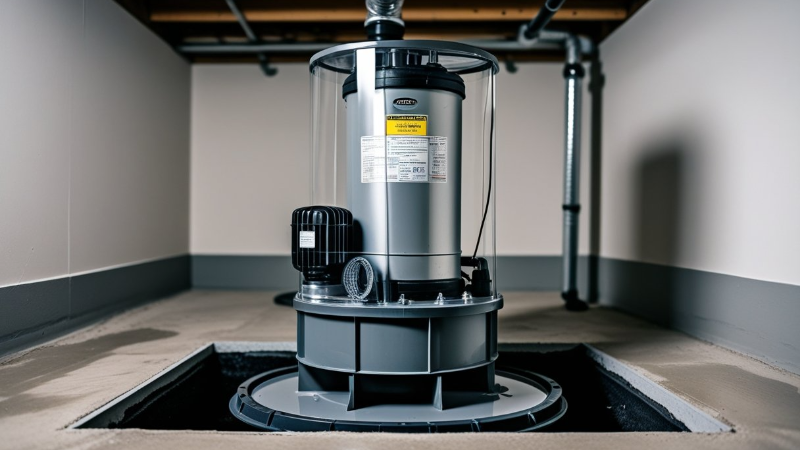
A sump pump sits in a pit (the sump basin) in your basement floor. Its job is simple: collect any water that sneaks in and send it outside, away from your foundation.
When a big rain or the snow starts to melt, water can start seeping in. That’s when the sump pump kicks on and moves the water out. In places like Barrie and Orillia, where spring thaws and sudden downpours are the norm, this is more than just a luxury—it’s practically a necessity.
Primary Components
A sump pump isn’t complicated, but each part matters:
- Sump Basin: The pit where water gathers.
- Pump Motor: Pushes the water out.
- Float Switch: Senses water level and tells the pump when to start or stop.
- Discharge Pipe: Carries water away from your house.
If you want your pump to last, regular checks are a good idea. Harris Plumbing’s licensed journeymen often take a look at these parts to make sure everything’s running smoothly.
Types of Sump Pumps
You’ll mostly find two types:
- Submersible Pumps: These live underwater in the basin. They’re quieter and usually last longer since they stay cool.
- Pedestal Pumps: The motor sits above the basin, so they’re easier to work on, but they can be a bit noisy.
Battery backup sump pumps are pretty common around here too. When the power’s out, these battery-powered units can keep things dry for hours.
The right type depends on your basement and what Barrie and Orillia weather throws at you. Harris Plumbing can help you figure out what’s best for your place.
Why Sump Pumps Matter for Barrie and Orillia Homeowners
Barrie and Orillia homes have to deal with weather and soil that make water problems more likely. Taking steps to manage water around your foundation keeps your house strong and can save you a lot in repairs down the line. A sump pump is a big part of that defense.
Barrie and Orillia’s Unique Climate and Flood Risks
Between heavy spring rains, melting snow, and surprise storms, Barrie and Orillia basements get put to the test. The soil here holds onto water, which doesn’t help with drainage. When water pools up, it often finds its way inside.
Natural drainage just doesn’t cut it sometimes. Sump pumps actively move water away from your foundation, and a battery backup means you’re not left hanging if the power goes out. It’s a smart way to stay a step ahead of the weather.
Protecting Your Home’s Foundation
Water that sits near your foundation can cause cracks and shifting over time. That’s a recipe for expensive repairs and a weaker house overall. Sump pumps help by clearing out water before it can do any real damage.
Want to keep your foundation solid? Make sure your sump pump is installed right, maintained, and checked regularly. Harris Plumbing offers expert advice and service to keep your system reliable.
Preventing Costly Water Damage
Basements and lower levels are magnets for flooding, which can wreck floors, furniture, and electrical systems. Water damage also encourages mold and mildew, which isn’t great for air quality or your health.
A sump pump tackles water before it becomes a problem. It’s a simple way to avoid big repair bills and keep your living space safe and dry. If you’re buying a pump, look for one with a battery backup—those can run 4 to 8 hours during an outage, which is handy in a storm.
If you haven’t checked your sump pump lately, Harris Plumbing offers reliable inspection and repair services across Richmond Hill.
How Sump Pumps Work in Barrie and Orillia’s Weather
Sump pumps are your main defense against water building up in your basement or crawl space. They really earn their keep during heavy rain and melting snow—two big culprits for flooding around here. Knowing how your sump pump handles these situations can help you stay ahead of problems.
Handling Heavy Rainfall
Barrie and Orillia rainstorms can dump a ton of water fast. When water starts to collect around your foundation, your sump pump jumps into action, moving it out and away from your basement.
If your sump pump is in good shape, it can keep up with even the heaviest rain. But if it’s weak or not working, water can back up quickly. Harris Plumbing can help you make sure your pump’s ready before the next downpour.
Responding to Melting Snow
Spring brings slow but steady water buildup as snow melts. The ground gets saturated, and water pressure rises around your foundation. Your sump pump needs to work consistently to keep up.
Battery backup systems are extra useful in spring, since storms can knock out power just when you need your pump most.
Flood Prevention Strategies
A few habits can go a long way:
- Test your sump pump regularly.
- Clear debris from the sump pit.
- Make sure the discharge pipe sends water at least 3 metres from your house.
- Get a battery backup for power outages.
- Book inspections with a licensed plumber.
Harris Plumbing offers sump pump repair Barrie and Orillia homeowners trust. Taking these steps can help you breathe easier during wet seasons.
Benefits of Installing a Sump Pump
A sump pump doesn’t just keep your home dry—it adds value and peace of mind. It’s one of those upgrades buyers notice, especially if they’ve ever dealt with flooding themselves.
Peace of Mind
A sump pump protects your house from basement flooding. Barrie and Orillia’s spring rains and snowmelt can send water where you don’t want it.
When your pump’s working, it gets rid of water before it can damage your walls, floors, or stuff. You won’t have to stress about big repair bills or mold.
It’s reassuring to know your system’s ready for the next storm. Harris Plumbing suggests keeping up with maintenance so your pump’s always prepared.
Increased Property Value
Buyers like homes with flood prevention in place. A sump pump shows you’ve taken steps to protect your investment, and homes with them tend to sell quicker—and for more.
If you’re in Richmond Hill, getting a sump pump installed by pros like Harris Plumbing can make your property stand out. It’s a practical upgrade that’s worth it.
Common Problems Solved by Sump Pumps
Sump pumps handle some of the toughest issues Barrie and Orillia homeowners deal with. They keep your basement dry, stop mold, and protect your electrical system from water. It’s a smart investment, especially during the wet months.
Basement Flooding
Flooded basements are a huge risk here, especially after storms or snowmelt. Water can sneak in through the foundation or drains, causing serious damage to floors, walls, and furniture.
A sump pump kicks in automatically when water starts to collect, pumping it out before it can flood your basement. Without one, you’re looking at expensive repairs and a lot of hassle.
Mold and Mildew Prevention
Damp basements are perfect for mold and mildew. Persistent moisture from leaks or floods lets these fungi thrive. Mold can stink up your house, damage walls, and even trigger allergies or breathing problems.
By moving water out fast, sump pumps help prevent mold growth. For Barrie and Orillia homes—especially in humid spots—this is a big plus.
Electrical System Protection
Water in your basement is bad news for outlets, wiring, and appliances. It can cause shorts, power outages, or even fires.
Sump pumps keep water away from your electrical systems. Harris Plumbing recommends regular checks to make sure your pump is ready when you need it.
Choosing the Right Sump Pump for Your Home
Picking a sump pump isn’t just about grabbing the first one you see. You need to think about how much water it’ll handle, whether you want a backup power option, and how it’s installed. These details matter if you want to avoid headaches later.
Sizing and Capacity
Match your sump pump to the area it needs to protect. For most Barrie and Orillia homes, a pump that moves 3,000 to 4,000 gallons per hour is enough.
Consider your basement’s size, how much water tends to collect, and how fast it rises during a flood. If you get a lot of water, don’t cheap out—go for a higher-capacity pump.
Check the horsepower too. A 1/3 to 1/2 horsepower pump covers most homes, but bigger spaces might need more muscle.
The right size keeps your home safe and helps your pump last longer.
Battery Backup Options
Storms and power outages go hand in hand in Barrie and Orillia. A sump pump with a battery backup keeps working when the lights go out. Most backups use a 12-volt battery and give you several hours of protection.
Look for a system with a charger and an easy way to switch to backup. Some even alert you when the battery’s low or needs changing.
If you’re in Muskoka or Simcoe County, where outages can last, a backup is almost essential. It’s extra peace of mind.
Professional Installation Tips
Installing a sump pump isn’t a DIY job for everyone. A licensed journeyman plumber from Harris Plumbing can make sure your pump’s set up right and drains properly.
The pit should be clean and big enough for heavy rain. The discharge line must send water well away from your foundation.
Good installation includes testing the pump before storms and making sure the float switch isn’t stuck. Take these steps, and you’ll be able to trust your sump pump when it counts.
Ongoing Maintenance for Optimal Performance
Keeping your sump pump working its best means checking it now and then and fixing issues as soon as they pop up. That way, you dodge floods and expensive damage. Even simple things—like inspections and cleaning—can help your pump stay in good shape.
Routine Inspections
Test your sump pump at least twice a year, especially before and after the rainy season. Plug it in, pour water into the pit, and see if it kicks on and drains. Check the power source, and if you’ve got a battery backup, make sure that’s working too.
Glance around for cracks or leaks in the pit or discharge pipe. Listen for odd noises—sometimes it’s just a rattle, sometimes it’s a warning sign. If you jot down inspection dates, you’ll have a better sense of when it’s time to call in pros like Harris Plumbing.
Cleaning and Repairs
Dirt and gunk build up in sump pumps all the time, cutting down their efficiency. Once a year, scoop out any debris from the pit and flush it with water. Check the inlet screen—if it’s clogged, water won’t flow right and you could end up with a mess. Here’s a link with more on water flow.
Don’t forget the discharge line, especially in winter. Freezing or blockages can sneak up on you. If you spot worn or broken parts, swap them out right away—waiting just isn’t worth the risk. And if your pump uses a battery backup, plan to replace the battery every 3 to 5 years. Staying on top of these things keeps your sump pump ready for whatever the weather brings.
Frequently Asked Questions
Flooding and water damage are headaches for plenty of Barrie and Orillia homeowners. Understanding sump pumps, how to keep them going, and what rules you’re supposed to follow can save you a lot of grief.
What benefits do sump pumps provide for homes in flood-prone areas?
Sump pumps pull extra water away from your home’s foundation, helping prevent basement floods. They cut down on water damage and mould, which—let’s be honest—show up all too often during Barrie and Orillia’s rainy months.
How often should homeowners in Barrie and Orillia check and maintain their sump pumps?
Give your sump pump a check at least twice a year, especially before the rainy season. Maintenance means testing the pump, cleaning the pit, and making sure the battery backup is ready if the power goes out.
What are the regulations regarding sump pump installation in Barrie and Orillia homes?
Ontario building codes say you need to send sump pump water away from your home’s foundation—not into the municipal sewer. Depending on your town, you might need a permit. If you’re unsure, asking the folks at Harris Plumbing isn’t a bad idea.
Can installing a sump pump lower insurance premiums for Barrie and Orillia residents?
Sometimes insurance companies offer lower premiums if you’ve got a sump pump, especially with a battery backup. It lowers the chance of water damage claims—but you’ll want to check with your provider to be sure.
What should homeowners consider when choosing the right sump pump for their property?
Think about your basement’s size, how much water you usually get during storms, and whether you want battery backup. Quality and reliability really matter here—when the rain pours, you want a pump that won’t quit.
How does a sump pump protect the structural integrity of a house?
Sump pumps kick in to pull water away from your foundation, which really helps prevent soil erosion and keeps pressure from building up around your home. Less pressure means fewer cracks in the foundation, so your house stays steadier as the years go by.