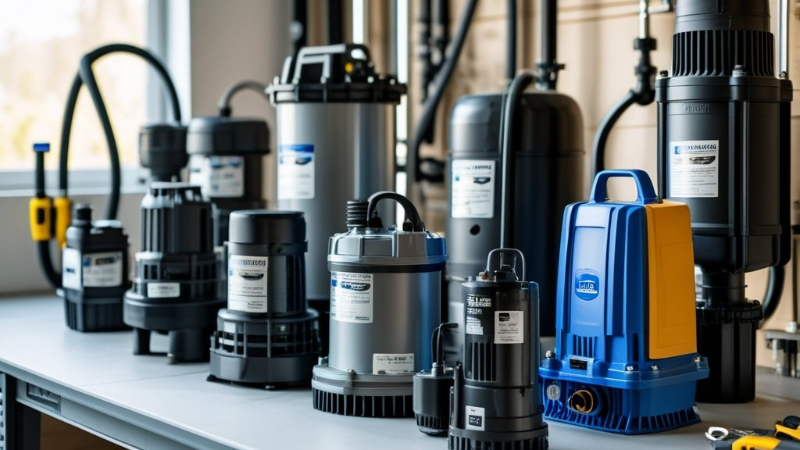
Back Up Sump Pump Options Explained for Reliable Home Protection
When the power goes out or heavy rain hits, having a reliable backup sump pump is key to keeping your home safe from floods.
Backup sump pump options vary. A battery backup pump can keep your basement dry for several hours even during a power failure.
Choosing the right system depends on your property’s needs and how long you want protection during outages.
You’ll find different backup options like battery-powered pumps, water-powered pumps, and combination systems. Each has its strengths and limitations, especially in a place like Ontario where storms can lead to sudden flooding.
Harris Plumbing has helped many homeowners in Barrie, Orillia, and Newmarket pick and install systems that suit their homes and cottages well.
Knowing how long a backup pump lasts and what kind of maintenance it needs is also important. Batteries usually last 3 to 5 years, giving you between 4 and 8 hours of support during a blackout.
Overview of Back Up Sump Pump Options
When water levels rise unexpectedly, a backup sump pump can prevent flooding and costly damage in your home or cottage.
You need a reliable system that activates automatically and works even when the main pump fails or during power outages. There are different types designed to fit various needs and budgets.
Why a Back Up Sump Pump Matters
A backup sump pump keeps your basement or crawl space dry when your primary pump stops working.
Power failures or pump malfunctions can happen at any time, especially during storms when water risks are highest.
Without a backup, you could face serious flooding and water damage. The backup system starts automatically when needed.
This is especially important if you live in areas like Barrie or Muskoka, where changing weather can lead to heavy water buildup.
Installing a backup sump pump protects your home’s foundation and valuables.
Harris Plumbing recommends this for homes prone to flooding or for those who want extra security during emergencies.
Primary Types of Back Up Sump Pumps
There are mainly two types of backup sump pumps: battery-powered and water-powered.
Battery-powered backup pumps run on sealed batteries. They turn on if the power goes out or the main pump fails.
Batteries usually last several hours and can be recharged automatically. This option works well when you need power independent of your home’s electricity.
Water-powered backup pumps use your home’s water pressure to pump water out. They don’t rely on electricity or batteries, but they do use a lot of water to operate.
These are best if your well or municipal water supply is steady.
Both types activate automatically and can be paired with your existing pump.
Choosing the right option depends on your location and water conditions. If you’re in rural areas around Barrie, Orillia, or Muskoka cottages, Harris Plumbing can help you choose the most reliable system for your home.
Battery Back Up Sump Pumps
Battery backup sump pumps protect your home during power outages by keeping water out of your basement.
They rely on batteries that last several years and can run for a few hours when needed.
How Battery Back Up Systems Work
A battery backup sump pump starts when your power fails or when your main pump can’t keep up. It uses a sealed deep-cycle battery to run independently of electricity from the grid.
This battery powers the pump motor to move water away from your home.
Batteries typically run for 4 to 8 hours during an outage, enough to handle most storms.
How long they last depends on battery size, how often you use the pump, and how well you maintain it.
Regularly checking battery charge and replacing batteries every 3 to 5 years keeps the system reliable.
Installation usually includes a separate pump and battery bank, both placed near your existing sump pit.
Harris Plumbing can make sure everything is set up correctly for your property in Barrie, Orillia, and Newmarket.
Pros and Cons of Battery Back Up Sump Pumps
Pros:
- Keeps your basement dry during power cuts, which often happen in storms.
- Runs automatically without needing manual intervention.
- Battery power lasts long enough to protect you through typical outages.
- Quiet operation compared to water-powered systems.
Cons:
- Batteries need regular maintenance and replacement after a few years.
- Backup run time is limited; extended outages may require more power.
- Higher initial cost than manual or water-powered backups.
- Battery disposal and environmental concerns need to be managed properly.
If you want peace of mind during the rainy season or winter in Muskoka, a battery backup pump is a solid option but requires ongoing care.
Key Features to Look For
When picking a battery backup pump, pay close attention to:
- Battery Capacity: Bigger batteries last longer. Look for sealed, maintenance-free batteries designed for deep cycling.
- Pump Quality: Choose a pump with a strong motor and good flow rate to handle heavy water loads.
- Automatic Switch: The system should sense power loss and switch on without needing your help.
- Alarms and Alerts: Many models offer audio or visual alarms to let you know if the battery is low or the pump is not working.
- Ease of Maintenance: Removable batteries and clear maintenance instructions make upkeep simpler.
Discuss these features with a licensed professional, like those at Harris Plumbing, to ensure you get the best fit for your Canadian home or cottage.
Proper selection and installation reduce risk and improve your sump pump system’s reliability.
Water-Powered Sump Pump Solutions
Water-powered sump pumps use the pressure from your municipal water supply to pump water out of your basement.
These systems work without electricity, providing backup protection during power outages.
They have specific features to consider to see if they fit your home's needs.
How Water-Powered Systems Operate
Water-powered sump pumps rely on the pressure of your home's municipal water supply to function.
When your main pump fails or power goes out, the system uses water pressure to create a siphon that removes basement water.
This method requires a connected water line and a special valve called a hydropneumatic or venturi valve.
The venturi valve opens only when water reaches a certain level in the sump pit.
It uses flowing water to pull out water from the sump basin and discharge it away from your foundation.
Since it doesn’t need batteries or electricity, it runs automatically during power failures as long as municipal water pressure is available.
Advantages of Water-Powered Back Ups
Water-powered backup pumps are reliable during electrical outages, especially when storms cause power cuts.
You don’t need to worry about battery replacements or recharging.
Their maintenance is low since there are fewer moving electrical parts.
They also activate automatically without your intervention, providing peace of mind when you are away.
In regions like Simcoe County or Muskoka, where storms can be sudden and power can fail, these pumps offer important flood protection for homes connected to municipal water.
Limitations and Considerations
Water-powered pumps require a constant municipal water supply and won’t work with well or lake water setups common in rural areas.
If your water pressure is low, the pump may not perform well or at all.
Using municipal water to power the system increases your water consumption, which can raise your water bill.
If water restrictions apply during droughts, this option may not be allowed or practical.
If you’re unsure whether a water-powered backup sump pump fits your home, a licensed plumber from Harris Plumbing can inspect your system and advise on the best choice.
Combination Sump Pump Systems
Combination sump pump systems help keep your basement dry. They include both a primary pump and a backup unit that work together automatically.
This setup protects your home even when power fails or the main pump can't keep up with rising water.
Integrated Pump and Back Up Units
With integrated systems, the primary sump pump and the backup pump work together inside the same basin.
The main pump handles regular water levels, while the backup activates only when needed.
Many of these backup pumps run on battery power, so they stay functional during power outages.
This design saves space and makes installation easier because you only have one system to manage.
It also reduces the risk of flooding by ensuring a second pump kicks in automatically if the first one fails or is overwhelmed.
Benefits of Combination Systems
Combination sump pumps provide peace of mind and reliable flood protection.
Because the backup runs automatically, you won’t need to monitor it constantly.
They also reduce water damage risks during storms or power cuts, common in Barrie, Orillia, and Newmarket.
With regular maintenance, Harris Plumbing professionals can help you keep your system in top condition.
Choosing the Right Back Up Sump Pump
Picking the right backup sump pump means considering how often you get power outages, where the pump will go, and what fits your budget.
These factors help you choose a system that keeps your home safe from flooding when the main pump or power fails.
Assessing Your Home’s Needs
Think about your home's basement size and how often flooding risks occur.
If your area experiences frequent heavy rains or groundwater buildup, a reliable backup is key.
Consider if your primary sump pump runs on electricity only. Backup pumps often use batteries or water pressure, so having a system that works during outages is important for peace of mind.
You should also check the power supply during outages.
Battery backup pumps usually provide 4 to 8 hours of pumping time, depending on battery capacity and usage frequency.
If you expect longer outages, you might want a system with a bigger battery or water-powered backup.
Installation Requirements
Look at your basement space where the sump pump will go.
Some backup pumps fit inside or beside your existing sump basin, while others need extra room.
Electrical wiring and battery placement matter too. Your backup pump’s battery should be easy to access for maintenance or replacement.
If you’re in a remote or rural area, water-powered pumps can be a good alternative because they don’t rely on electricity or batteries.
Make sure your chosen pump system meets local plumbing codes in Ontario.
Professional installation helps ensure reliable operation and reduces the chance of flooding problems caused by improper setup.
Budget Considerations
Backup sump pump prices vary based on type and features.
Battery backup pumps usually cost more upfront but give you flexible power during outages.
Batteries need replacing every 3 to 5 years, so include that in your budget.
Water-powered backup pumps are often less expensive to maintain since they use municipal water pressure, but they require a good water supply and can increase your water bill.
You should also factor in installation costs.
Hiring a licensed plumber, like those from Harris Plumbing in Barrie, Orillia, and Newmarket, adds quality assurance but can affect your initial investment.
Think about the long-term value of protecting your home compared to the cost of potential flood damage.
Installation and Maintenance Tips
Installing and caring for your backup sump pump ensures it works when you need it most.
Proper setup and regular checks help prevent failures and costly water damage.
Professional vs. DIY Installation
Decide whether to install a backup sump pump yourself or call a pro based on your comfort with plumbing and electrical work.
Backup pumps often involve wiring and battery connections that must meet safety standards.
A professional installer—like those from Harris Plumbing—will set up everything safely and correctly.
If you choose DIY, follow the manufacturer’s instructions exactly.
Make sure the pump connects correctly to both the main sump pit and the battery backup.
Avoid loose wiring and improper sealing that can cause leaks or electrical issues.
Professionals also test the system fully before leaving, which reduces the risk of malfunction during heavy rain.
If you live in Barrie, Orillia, and Newmarket, hiring a licensed plumber can bring peace of mind that your home is protected.
Routine Testing and Upkeep
Regular maintenance keeps your backup sump pump running well.
You should test it at least every three months by pouring water into the sump pit to trigger the pump.
This checks the motor, battery, and switch function.
The battery usually needs replacing every 3 to 5 years.
Keep an eye on its charge and clean any corrosion on the terminals.
Regular cleaning of the pump and pit prevents debris buildup.
Create a simple schedule: test quarterly, clean twice a year, and replace batteries as needed.
This practice extends your pump’s life, typically 5 to 7 years with good care.
If you’re unsure about maintenance steps, reach out to local professionals such as Harris Plumbing for expert advice and service.
Popular Brands and Product Recommendations
Choosing the right back up sump pump is key to preventing basement flooding when your main pump stops working.
Different types of pumps offer unique benefits, like battery power for independence, water-powered systems for reliability without electricity, and combination units that cover multiple needs at once.
Top-Rated Battery Back Up Models
Battery backup sump pumps use rechargeable batteries to keep your basement dry during power outages. These models work even when the electricity goes out, which often happens during storms.
Look for pumps with sealed, maintenance-free batteries that hold a charge for long periods. Easy battery replacement, automatic switch-over from the main pump, and battery life indicators are important features.
Brands designed for tough Canadian winters and heavy-duty use focus on durability and quiet operation. Harris Plumbing suggests choosing a battery backup system with at least a 10-hour run time.
Reliable Water-Powered Options
Water-powered sump pumps use your home’s water pressure to push water out of the sump pit. These systems don’t rely on electricity or batteries, so they work well during power failures.
They need a consistent water supply and may increase your water bill slightly. Check local regulations in areas like Simcoe County or Muskoka before installing, as water usage rules can differ.
Water-powered pumps are low-maintenance and reliable because they have fewer moving parts. They are a good choice if you want an eco-friendly backup that is always ready.
Trusted Combination Systems
Combination systems pair a primary sump pump with either battery backup or water-powered backup in one unit. This setup provides double protection by activating the backup automatically when the main pump can’t keep up or fails.
These models are ideal for rural properties or cottages in areas like Barrie, Orillia, or Muskoka, where heavy rain and spring melts are common. They combine electric pump power with a reliable backup that runs without electricity or batteries.
Look for easy installation kits and clear performance ratings to match your home’s needs. Harris Plumbing can help you choose and install a combination system for your property.
Troubleshooting Common Back Up Sump Pump Issues
Knowing how to handle problems with your backup sump pump can save you from costly water damage. Issues like false alarms or power loss are common but often easy to fix.
Frequent Alarm Problems
If your backup sump pump alarm goes off often, several reasons could be responsible. Check if the float switch is stuck or blocked.
Sediment or debris can block the float, causing the alarm to sound even when your pump isn’t pumping water. Weak batteries also trigger alarms, so test your battery regularly and replace it every 3 to 5 years.
Make sure all connections are secure and clean. Moisture or corrosion on terminals can cause signal errors and set off unnecessary alarms.
Clean the pit, adjust the float, and replace batteries on schedule to stop frequent alarms. If problems continue, call a trusted plumber like Harris Plumbing to inspect your system.
Loss of Power Fixes
A backup sump pump needs power during outages. If your pump stops working, first check the battery and charger.
Backup batteries can fail without warning. Make sure your charger is plugged in and working, and replace batteries that don’t hold a charge.
Confirm your pump is connected properly. Loose wires or corroded terminals can interrupt power flow.
Many backup pumps have a test button—use this monthly to find issues early. If power loss is due to an electrical fault, check your home’s circuit breaker or fuse box.
Reset any tripped breakers carefully. If power problems persist, reach out to Harris Plumbing, serving Barrie, Orillia, and nearby areas, for reliable professional service.
Frequently Asked Questions
Backup sump pumps protect your home from flooding when power goes out or your main pump fails. Knowing the best options and how to maintain them keeps your system reliable.
What are the top-rated battery backup systems for sump pumps?
Top-rated battery backup systems use sealed, maintenance-free batteries that last 5 to 7 years with proper care. Choose models with a reliable charger and automatic switch-over to keep your basement dry during power outages.
How do you install a battery backup for a sump pump?
Place the backup pump in the sump pit alongside your primary pump. Connect the battery and charger outside the pit, then wire the system so it activates when your main pump fails or power is lost.
Can a water-powered pump be used as a reliable backup for a sump pump?
Yes, water-powered pumps use your home's water pressure as a power source, so they work if the power fails. They need a steady water supply and may increase your water bill, so consider these factors for your needs.
What factors should I consider when choosing a backup sump pump?
Consider battery life, pump capacity, switch type, and maintenance needs. Noise level and alarm features may also matter.
Choose a system that fits your home's size and local climate in Ontario.
Where can I find a reliable sump pump with a combination of battery backup?
You can find reliable combination sump pumps through trusted local plumbing experts like Harris Plumbing in Simcoe County and Muskoka. They offer products suited for Canadian homes and cottages, with expert advice to help you pick the right system.
How do I maintain my backup sump pump to ensure its effectiveness?
Test the backup pump regularly. Replace the battery every 3 to 5 years.
Clean the sump pit. Check all electrical connections.
Schedule maintenance to avoid failures during heavy rain or power outages.