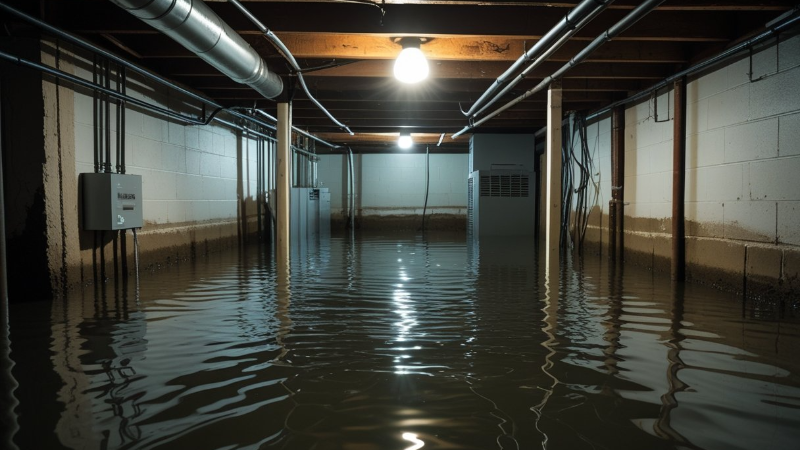
Basement Flooded With Water Tips for Quick Cleanup and Prevention
A basement flooded with water can disrupt your home and cause serious damage if left unchecked. Water usually enters through cracks in the foundation or from poor drainage around your property.
Knowing where the water is coming from helps you stop it fast and protect your home.
When flooding happens, quick action matters. Removing the water and drying the space helps prevent problems like mould and structural damage.
Harris Plumbing has over 51 years of experience helping homeowners in Ontario with sump pump repairs and emergency plumbing. They make sure your basement stays dry and safe.
If you live in Barrie, Orillia, and surrounding areas., learning how to prevent basement flooding and what to do when it occurs can save you time and money. This guide explains the common causes and steps to protect your home.
Immediate Steps To Take When Your Basement Is Flooded
When your basement floods, you need to act fast. Focus on staying safe, stopping further damage, and gathering details about the loss.
Each step helps protect your home and makes cleanup smoother.
Ensure Personal Safety
Your safety comes first. Do not enter the flooded basement if water is high or near electrical sources.
Floodwater can carry bacteria, chemicals, and debris that could harm you. If you must enter, wear rubber boots and gloves.
Move cautiously, watching for slippery floors or hidden hazards. If the water smells odd or you see sparks, leave immediately.
Never touch electrical equipment while standing in water. If you feel unsure about the conditions, wait for professional help.
Shut Off Electricity And Water
Turn off power to the basement to prevent shocks and fires. Find your main electrical breaker and switch off the power to the flooded area.
Avoid using electrical devices until the area is dry. Next, shut off your water supply.
This stops more water from entering the basement if a pipe is broken or a sump pump fails. Locate your main water valve and turn it off.
If you have a sump pump, check that it’s working. Harris Plumbing offers sump pump installation and repairs to help prevent future flooding in regions like Barrie, Orillia, and surrounding areas..
Remove Standing Water
Remove water quickly to limit damage to walls and floors. Use a wet/dry vacuum or pump if you have one.
You can also bail water out with buckets or a mop. Empty water outside, away from your home’s foundation.
Do not dump water into the sewer system because it may cause backups. Once most water is gone, ventilate the basement by opening windows and using fans.
This speeds drying and helps prevent mold growth. If water removal feels overwhelming, contact experts like Harris Plumbing for help.
Document The Damage
Take photos and videos of all damage before you clean up. This includes flooded walls, damaged furniture, and soaked carpets.
Write down the date, time, and descriptions of the flood and damaged items. Keep receipts of any expenses related to repairs or cleanup.
Detailed records make it easier for insurance to cover your losses and help trusted plumbers plan the best repair approach.
Identifying The Cause Of Basement Flooding
Knowing what causes water to flood your basement helps you fix the problem faster and stop it from happening again. Common reasons include weather events, equipment failures, and building issues around your home.
Heavy Rain Or Storms
Heavy rain or storms can quickly overwhelm your property’s drainage system. Water pools around your foundation when the soil gets saturated and pushes moisture through small openings.
Poor landscaping or clogged gutters make this worse. They direct even more water toward your basement walls.
If you notice wet soil or puddles near your foundation after rain, this could be the main issue. Make sure your gutters and downspouts are clear and direct water at least two meters away from your house.
Proper grading around your home’s perimeter also helps keep water moving away from the foundation.
Sump Pump Failure
A sump pump keeps your basement dry by pumping out water that gathers in a pit. If it stops working due to power outages, mechanical failure, or clogged intake, water can build up and flood your basement quickly.
Test your sump pump regularly to ensure it’s running correctly, especially before heavy rain or during the spring thaw. Add a battery backup to keep the pump working during power cuts.
If your sump pump is failing or you don’t have one, Harris Plumbing offers expert sump pump repair and installation services to help protect your home from flooding.
Broken Pipes
Leaks or breaks in your plumbing pipes can cause water to pool in your basement without you noticing at first. This may happen due to freezing temperatures, old pipes, or accidental damage from construction work.
Check for damp spots, mold, or a musty smell—these are signs of hidden water leaks. If your water bills rise without explanation, it could indicate a plumbing leak in or near your basement.
Call a licensed plumber to find and repair broken pipes quickly.
Foundation Cracks
Cracks in your basement’s foundation let groundwater seep inside. These often form from soil shifting, temperature changes, or poor construction.
Small cracks can seem harmless but may grow over time and let more water in. Look for wet spots on basement walls, peeling paint, or efflorescence (white powdery deposits).
You might need professional help to inspect and seal foundation cracks. Regular maintenance and waterproofing reduce the chance of flooding from these weak points.
Harris Plumbing can help assess and address these problems with care and precision.
Cleaning Up After A Basement Flood
After a flood, your basement needs careful attention to stop damage from getting worse. You must dry the space completely, remove anything damaged, and clean all surfaces well.
These steps help prevent mould and keep your home safe.
Dry Out The Basement
Start by removing all water fast. Use pumps or wet-dry vacuums to get rid of standing water.
Once water is gone, open windows and doors for airflow. Fans and dehumidifiers help speed up drying.
Check the walls, floors, and corners for any damp spots. Drying can take several days, so keep monitoring moisture.
Avoid turning on electrical devices until the area is dry. If you live in Barrie, Orillia, and surrounding areas., your local Harris Plumbing experts can assist with sump pump repair or installation to prevent future flooding.
Remove Damaged Belongings
Sort through your items carefully. Throw away anything soaked that can't dry properly, like carpets or insulation.
Furniture and boxes made of cardboard often hold moisture and should be discarded. For items you want to save, move them outside or to a dry room.
Clean and dry them fully before putting them back into the basement. Wear gloves and masks when handling flood-damaged goods.
Removing damaged belongings reduces clutter and makes it easier to clean and dry the basement.
Disinfect Surfaces
Floodwater can carry dirt and germs, so disinfecting is important. Use a strong cleaner or a mixture of bleach and water (1 cup bleach per 4 litres of water) to scrub all floors, walls, and other surfaces.
Pay attention to areas that held water longest or are visibly dirty. Let the disinfectant sit for at least 10 minutes, then rinse if needed.
After disinfecting, keep the basement dry and well-ventilated. Call Harris Plumbing if you need help with plumbing checks or sump pump advice to avoid future water buildup.
Preventing Mold After A Flood
Stopping mold quickly keeps your basement safe and healthy. Good airflow, dry air, and regular checks help you control dampness and catch mold early.
Ventilate The Area
Open windows and doors to let fresh air move through your basement. This airflow lowers moisture levels and stops mold from growing.
If you can, use fans to push damp air outside. Remove any wet items so air reaches all corners.
If your basement has vents, keep them clear. Proper ventilation is one of the fastest ways to dry your space after a flood.
Use Dehumidifiers
A dehumidifier removes water from the air and speeds up drying. Keep a dehumidifier running until your basement is fully dry to prevent mold spores from taking hold.
Look for a model sized for your basement area. Place it where air flows well and empty water tanks often.
If humidity stays high, consider getting advice from Harris Plumbing to ensure your drainage and sump pump work properly.
Monitor For Mold Growth
Check your basement regularly for signs of mold, like musty smells or dark spots on walls and floors. Mold can grow quickly in damp places, so early detection matters.
Use a flashlight to see damp corners clearly. If you spot mold, clean it right away with water and detergent or a mold cleaner made for homes.
If the mold problem is large, Harris Plumbing recommends consulting a professional to ensure safe removal and follow-up care.
Basement Restoration And Repairs
When your basement floods, fix it quickly and properly. This includes checking for structural problems, replacing damaged materials, and making sure plumbing and electrical systems work safely again.
Repairing Structural Damage
Water can weaken walls and floors, causing cracks or warping. Start by inspecting foundation cracks or damaged supports.
Seal small cracks with epoxy or polyurethane to stop water from getting in. Larger damage or bowed walls need professional repair to avoid safety risks.
Harris Plumbing can help identify signs of structural damage related to plumbing leaks or drainage issues.
Replacing Flooring And Drywall
Floodwater often ruins flooring materials like carpet, laminate, or wood. Remove these quickly to avoid mold growth.
Cut out and replace drywall that has soaked up water. Replace wet insulation behind walls, as it holds moisture and encourages mildew.
Dry the area with fans and dehumidifiers before installing new materials. This step helps keep your basement dry and safe long-term.
Restoring Utilities
Water can harm electrical systems and plumbing fixtures in your basement. Have a licensed electrician check your wiring to avoid fire hazards.
You may also need a plumber to assess sump pumps, drains, or pipes affected by flooding. Keeping your plumbing in good shape helps prevent future floods.
Harris Plumbing offers sump pump repair and installation in Aurora, Richmond Hill, and Stouffville. They restore your basement’s utilities safely and efficiently.
Preventing Future Basement Floods
To stop water from flooding your basement again, manage water around your home and fix weak spots where water can leak in. These actions protect your home from damage and costly repairs.
Install Or Maintain A Sump Pump
A sump pump is your first line of defence against basement flooding. It collects water in a sump pit and pumps it away from your home before it can cause damage.
If you don’t have one, consider installing it. Make sure your sump pump is working well, especially if you live in areas like Barrie, Orillia, and surrounding areas. where heavy rains can happen.
Test it regularly, clean the pit, and check the power source. Add a battery backup to keep the pump running if the power goes out during a storm.
Harris Plumbing offers sump pump installation and repair services designed for Ontario’s weather.
Improve Drainage Around The Home
Water pooling around your home can soak into your basement. Check that the ground outside slopes away from your foundation by at least 5 cm per metre for the first 2-3 metres.
Keep gutters clean and make sure downspouts lead water at least 1.5 metres away from your house. If you have heavy soil or poor drainage, install drainage pipes or a French drain system to redirect water safely away.
Regular maintenance of your yard and drainage systems helps keep water from building up near your basement walls.
Seal Foundation Cracks
Basement walls and floors may have tiny cracks where water can sneak in. Inspect your foundation for any visible cracks or gaps.
Use waterproof sealant or hydraulic cement to fill small cracks. For bigger or recurring leaks, have a professional assess the situation.
Sealing cracks stops water from entering your basement and helps protect the structure. Harris Plumbing can help you find and fix leaks with quality materials made for Aurora, Richmond Hill, and Stouffville homes.
When To Call Professional Help
If your basement floods, act quickly. Bring in experts when the situation is too much to handle safely or effectively on your own.
Water Damage Restoration Services
If water has soaked your basement, you need specialists who can remove water fast. They dry your space completely.
Professionals use tools like industrial pumps, dehumidifiers, and air movers. These tools stop mold growth and prevent damage to your home’s structure.
Harris Plumbing offers sump pump repair and flood cleanup services. These services are critical if your basement keeps flooding.
They know how to handle water removal. They can help you avoid issues like wood rot or damaged drywall.
If you see musty smells, damp walls, or puddles that won’t dry, call a licensed plumber or restoration expert. Trying to dry the space yourself can leave hidden moisture that causes bigger problems later.
Insurance Claims Assistance
Professional water damage companies often help with insurance claims. They document the damage properly so your claim can be accepted.
Experts give detailed reports and photos. This makes the process smoother.
Call a pro quickly after the flood because some insurance policies require prompt action. They will tell you what to record, what to keep, and how to report the damage to your provider.
If you miss important steps or delay cleanup, your insurance may pay less or reject the claim.
Assessing Long-Term Risks
Flooding can cause damage that isn’t obvious at first. Hidden mold, weakened foundations, and electrical hazards may develop over time if you do not handle the flood correctly.
Licensed plumbers and restoration experts check all parts of your basement thoroughly. They look for cracks in walls, signs of water leaks, and problems with sump pumps or drainage.
These checks help prevent future floods.
Understanding Insurance Coverage For Basement Flooding
Knowing what types of insurance apply, how to file a claim, and what damage is covered can help protect your home when your basement floods. Each part of your policy affects your costs and the repair process.
Types Of Flood Insurance
Most standard home insurance policies cover sudden water damage like burst pipes or sump pump failure. Flooding from heavy rain, surface water, or groundwater usually isn’t covered unless you have separate flood insurance.
Flood insurance covers water damage from external sources outside your control, such as storms or rising groundwater. This coverage is important if you live in areas like Muskoka or York Region where heavy rain or melting snow might flood basements.
You can buy flood insurance through government programs or private insurers. If you rely on sump pumps to keep water out, make sure your insurance covers pump failure.
Harris Plumbing can help you install and maintain sump pumps to reduce flood risks and insurance claims.
Filing A Claim
When your basement floods, report the damage to your insurance company as soon as possible. Document everything with photos and a list of damaged items.
Keep receipts for repairs or temporary fixes like water extraction or drying equipment rentals. Clearly state the cause of the flooding, such as pipe burst or sump pump failure.
Your insurer may send an adjuster to inspect the damage before approving your claim. Fast action helps avoid more damage.
Harris Plumbing offers emergency sump pump repairs in Simcoe County and surrounding areas. These services help prevent ongoing water issues during the claim process.
What’s Usually Covered
Standard homeowners insurance often covers sudden and accidental pipe bursts. It may also cover sump pump motor failure causing water backup and water damage inside walls and flooring from covered events.
Flooding from heavy rain, surface or groundwater usually is not covered without flood insurance. Damage caused by neglect, poor maintenance, or long-term leaks is also not covered.
You will likely have a deductible and limits on payouts for basement flooding. Always review your insurance documents closely to know what your coverage includes.
Frequently Asked Questions
Dealing with a flooded basement requires quick action. Removing water, stopping mold, and protecting your home from future damage are key steps.
Knowing who to call and what tools to use can save time and reduce risks to your health and property.
How can I safely remove water from my basement after a flood?
Start by turning off electricity to the basement to avoid shocks. Use a sump pump or wet/dry vacuum to remove standing water.
Wear protective gear like gloves and boots to avoid contact with dirty water. Once the water is out, dry the area fully using fans and dehumidifiers.
What steps should I take to prevent mold after my basement has been flooded?
Remove wet items like carpets and furniture quickly. Dry the space within 48 hours to stop mold growth.
Use mold-inhibiting cleaners on walls and floors. Keep air flowing by opening windows or using fans.
If you spot mold, clean small areas with a mix of water and detergent. Call a pro for larger problems.
Who should I call for professional help with a flooded basement?
A licensed plumber or water damage specialist can help. Harris Plumbing offers sump pump repairs and emergency services across Simcoe County and York Region.
They have experience in stopping water entry and restoring flooded basements safely.
How can I tell if my basement flood is covered by insurance?
Check your homeowner’s insurance policy for water damage coverage. See if it includes flooding from groundwater, heavy rain, or sewer backup.
Ask your insurer about deductibles and documentation needed for claims. Taking photos and keeping repair invoices can help with your claim.
What measures can I take to protect my basement from future flooding?
Install a sump pump with a battery backup to keep water out during power outages. Keep gutters and downspouts clear and directed away from your home.
Seal cracks in basement walls and floors. Grade the soil around your house to slope away from the foundation.
What are the best tools and equipment for drying out a wet basement quickly?
Use a sump pump first to remove water. Then bring in dehumidifiers.
Set up high-powered fans to speed up drying. Use moisture meters to track dryness levels.
Consider a water leak detector to spot problems early. Harris Plumbing can help with sump pump installation and maintenance.