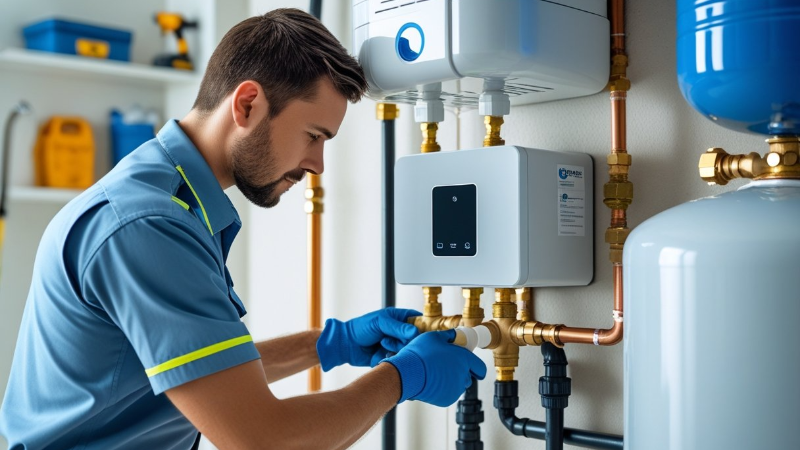
Chlorine Filter Installation Made Easy for Cleaner Water
If you want cleaner and safer water at home, installing a chlorine filter can make a big difference. A chlorine filter removes chlorine and chloramine from your water, improving its taste and smell. It also reduces dryness on your skin and hair.
This simple upgrade helps protect your family from harmful chemicals often used to treat municipal water.
Choosing the right filter for your home can feel confusing. Many homeowners in York Region and nearby areas trust Harris Plumbing to handle expert chlorine filter installation.
With over 51 years of local experience, Harris Plumbing ensures the system works well and provides lasting benefits for your water quality.
Whether you’re in a city home or a rural cottage, understanding how chlorine filters work and what to expect during installation will help you decide if it’s right for your water needs.
Understanding Chlorine Filtration
Water treated with chlorine can taste and smell unpleasant. It may cause skin or respiratory irritation.
A chlorine filter improves your water’s quality and protects your health by removing this chemical.
Knowing how chlorine affects your water, the types of filters available, and the benefits they provide can help you choose the right solution.
How Chlorine Affects Water Quality
Chlorine is added to drinking water to kill harmful bacteria and pathogens. While this is important for safety, chlorine changes water’s taste and smell.
Many people notice a strong, chemical taste that makes water less pleasant to drink. Chlorine can dry out your skin and hair, causing irritation, especially if you already have sensitive skin or lung issues.
It can worsen conditions like eczema or asthma. If you use water for washing your face or showering, chlorine can strip natural oils, leaving your skin and scalp feeling dry.
Chlorine can also affect appliances by corroding pipes and fixtures over time. This may lead to more frequent repairs or a shorter lifespan for plumbing systems.
Types of Chlorine Filters
You have a few options for chlorine filtration. The most common types include:
Activated Carbon Filters: These use charcoal to soak up chlorine and chloramine from water. They improve taste and smell without changing water’s other qualities.
Whole-House Filtration Systems: Installed at the main water line, these filters remove chlorine from all the water entering your home. This protects skin, hair, and plumbing.
Point-of-Use Filters: Usually attached to faucets or under sinks, they target drinking and cooking water specifically.
Activated carbon filters are popular because they are effective and affordable. Harris Plumbing can help you choose the right system based on your water use and concerns.
Benefits of Using Chlorine Filters
Removing chlorine from your water offers several benefits:
Better Taste and Odour: You’ll enjoy fresh, clean water free of the chemical taste.
Healthier Skin and Hair: Filtration reduces dryness and irritation caused by chlorine exposure.
Improved Appliance Longevity: Filters protect pipes and fixtures from corrosion, extending the life of your home plumbing.
Peace of Mind: Clear water that’s free from chlorine helps if you or your family have sensitive skin or respiratory conditions.
Pre-Installation Preparation
Before you install a chlorine filter, choose the right filter, collect the tools you will need, and understand your plumbing system. Getting these steps right helps the installation go smoothly and ensures your filter works properly.
Selecting the Right Chlorine Filter
Look for a chlorine filter that matches your water use and water quality. If your home has a well or lake water, you may need a stronger filter.
Check the filter’s capacity to handle the amount of water your household uses. Filters come in different types, like activated carbon or whole-home systems.
Activated carbon filters are common for removing chlorine taste and smell. Whole-home filters protect all water outlets.
Your choice should also fit your budget and maintenance ability. Some filters need regular cartridge replacement.
If you want help, Harris Plumbing offers advice on selecting high-quality filters made to last in Ontario’s water conditions.
Gathering Necessary Tools and Materials
You will need a few tools before starting. Common tools include an adjustable wrench, pipe cutter, Teflon tape, and a bucket.
Be sure to have replacement cartridges or filters ready as well. Also, get materials like pipe fittings or mounting brackets if your filter requires wall installation.
Prepare safety gear such as gloves and eye protection. Shut off your water supply before working on the pipes to prevent leaks or flooding.
Harris Plumbing technicians often bring all tools needed, but it’s good to know what’s involved if you do it yourself.
Assessing Your Plumbing System
Check your plumbing setup to find the best spot for your chlorine filter. Most filters install near the main water line where water enters your home.
Look for enough space for the filter and easy access for future maintenance. Make sure your pipes are in good condition, without leaks or damage.
If your plumbing involves older iron or galvanized pipes, consider if they need replacing first. Some filters perform better with certain pipe materials.
You may need to shut off the water main and drain pipes before installation. Taking time to assess your system reduces surprises and keeps the job safe and simple.
Step-by-Step Chlorine Filter Installation
Installing a chlorine filter involves a few key steps. You will first stop the water flow, place the filter in the right spot, connect the plumbing, and then check for a secure, leak-free seal before turning the system back on.
Turning Off Water Supply
Start by shutting off the main water supply to your home. This prevents water from flowing while you work and avoids any spills.
Usually, you can find the shut-off valve near your water meter or where the main water line enters your house. After closing the valve, open a faucet in your home to drain any remaining water.
This step lowers pressure in the pipes and stops water movement, making installation safer and cleaner. Make sure you have a bucket or towels nearby in case there’s any leftover water in the pipes.
Double-check that no water flows before continuing.
Placing the Filter Unit
Choose a spot close to the water’s entry point where the filter can be easily accessed for future maintenance. It should be installed on a straight section of pipe.
Mount the filter housing securely to a wall or frame using brackets. This keeps it stable and prevents movement when the water flows through.
Find a place with enough clearance to open the filter housing for cartridge changes. Avoid areas exposed to freezing temperatures or direct sunlight.
Protecting your filter extends its life and ensures it works properly, especially in Canadian climates like Simcoe County or York Region.
Making Plumbing Connections
Cut the pipe where the filter will be installed using a pipe cutter to ensure clean, straight edges. Deburr the pipes to remove rough edges that could damage seals.
Attach the filter unit by connecting the inlet and outlet pipes according to the filter’s instructions. Use the correct fittings, such as compression or push-fit connectors, designed for your plumbing type.
Apply plumber’s tape (PTFE tape) on threaded connections to prevent leaks. Tighten fittings firmly but do not overtighten, as this could crack the filter housing or damage threads.
Ensuring Proper Seal and Safety
Once connected, inspect all joints and seals to make sure they're snug and leak-proof. Replace any damaged washers or O-rings before sealing the housing.
Turn the water supply back on slowly. Watch closely for drips or leaks around the connections and filter housing.
Tighten fittings if needed but avoid forcing them. Flush the filter as per the manufacturer's directions to clear air or any fine charcoal dust.
Proper sealing protects your plumbing system and helps your chlorine filter run safely without wasting water.
If you prefer, licensed journeyman plumbers at Harris Plumbing can handle this process efficiently, especially in areas with well or lake water. They bring 51 years of skill and local experience to ensure your system is set up right the first time.
Testing and Adjusting the Installation
After installing your chlorine filter, check for leaks and make sure the water is clean and safe. This helps you catch any problems early and ensures your system works well.
Inspecting for Leaks
Start by turning on your water supply slowly. Watch all connection points and filter housing closely.
Even a small drip can cause damage or reduce filter efficiency. Use a dry cloth to wipe each joint after a few minutes of running water.
If the cloth gets wet, you have a leak. Tighten fittings gently, but don’t overtighten as this can cause cracks.
Check the filter cartridge housing as well. Sometimes seals inside the housing may need adjustment or replacement.
Make sure all parts fit snugly and no water escapes.
Testing Filtered Water Quality
Once you confirm there are no leaks, test the water coming from the filter. Use a chlorine test strip or a digital tester designed for household water.
Follow the instructions on the test kit carefully. Your filtered water should show chlorine levels below the recommended safe limit for drinking water in Canada.
If chlorine remains too high, check the filter’s position or flow rate. You may need to adjust or replace the cartridge.
Harris Plumbing can help with precise testing and adjustments to keep your water clean and safe.
Post-Installation Care
After installing your chlorine filter, maintain it properly. Regular care helps keep your water fresh, protects your skin and hair, and extends the filter’s lifespan.
Paying attention to maintenance, cartridge changes, and troubleshooting will make sure your system works well for a long time.
Routine Maintenance Tips
Check your chlorine filter every few months for leaks or any damage. Keep the area around the filter clean and dry to prevent dust and dirt buildup.
Flush the filter system monthly by running water through it for a few minutes. This removes trapped chlorine and other particles, helping to maintain water taste and quality.
If you notice any changes in water taste or smell, inspect the filter or consider a cartridge change.
Replacing Filter Cartridges
Filter cartridges lose effectiveness over time and usually need replacement every 6 to 12 months, depending on water quality and usage.
Your chlorine filter’s lifespan depends on how much water flows through it and the level of chlorine in your source.
Always buy the right cartridge designed for your filter model. When replacing, turn off the water supply first to avoid spills.
Follow the instructions carefully to avoid damage. Proper cartridge replacement improves water taste and prevents skin and hair dryness by removing chlorine efficiently.
Harris Plumbing can help if you ever need professional guidance on this.
Troubleshooting Common Issues
If your water flow decreases, check for clogged cartridges or buildup inside the filter housing. A simple cartridge replacement often solves this issue.
Watch for leaks around the filter connection points. Tighten fittings if needed, but avoid over-tightening, which can cause damage.
If you detect a chemical or plastic smell after installation, flush the system for several minutes to clear out any manufacturing residues.
For persistent problems, contact a licensed plumber from Harris Plumbing. They offer expert support to keep your chlorine filter working properly in the Simcoe County or Muskoka areas.
Upgrading and Enhancing Filtration
Improving your chlorine filtration system can mean adding extra treatments or using smart technology to keep your water safe and clean. These upgrades help you handle different water issues and monitor your system easily.
Integrating Additional Water Treatments
If your water has issues beyond chlorine, such as hardness or sediment, adding other treatments can help. You might consider water softeners or sediment filters that work alongside your chlorine filter.
This combination protects your plumbing and improves water taste and quality. Professional plumbers like Harris Plumbing can install these systems to make sure everything works well together.
Installation includes checking your water’s specific needs and fitting the right filters without reducing water pressure. Adding treatments improves water quality and extends the life of your filtration system by reducing build-up and damage.
Smart Monitoring Solutions
Smart monitoring devices let you track your water filtration system’s performance from your phone or tablet. These systems alert you when it’s time to change filters or if a problem happens.
You can set reminders for filter changes and check water flow rates in real time. This makes maintaining your chlorine filter easier and more reliable.
Installing smart monitors requires expertise to integrate sensors with your existing setup. Companies like Harris Plumbing provide professional support to ensure reliable connections and accurate readings in regions like York Region and Muskoka.
Environmental Impact of Chlorine Filtration
When you install a chlorine filter, you reduce the chlorine in your water. This helps remove chemicals that can harm the environment once released back into nature.
Filtered water is safer for plants, animals, and soil because it contains fewer pollutants.
Using a chlorine filter also helps reduce plastic waste. Bottled water often contains chlorine and other chemicals.
By filtering your tap water, you can use reusable bottles and cut down on plastic use.
Here are some ways chlorine filtration helps the environment:
- Improves water quality in local lakes, rivers, and groundwater by keeping chlorine out of natural sources.
- Protects aquatic life from harmful chemicals.
- Reduces dependence on bottled water, lowering plastic pollution.
- Lowers health risks for you and your family while helping nature.
If you live in places like Simcoe County or Muskoka, clean water helps maintain the natural beauty and health of your surroundings.
Experts like Harris Plumbing can help you install efficient chlorine filters.
Frequently Asked Questions
Installing a chlorine filter involves clear steps and some basic tools. Knowing when to replace the filter and how it differs from other water treatments helps you keep your water clean and safe.
Choosing the right product for your home ensures good water quality without extra hassle.
What are the steps for installing a chlorine filter in my home?
First, turn off your main water supply. Find a suitable spot near your home's main water line to install the filter.
Cut the pipe carefully and connect the filter following the manufacturer’s instructions. Check for leaks and turn the water back on.
Can I install a chlorine filter for my shower on my own or do I need a professional?
You can install some shower chlorine filters yourself if you feel comfortable with simple plumbing tasks. For whole-home systems or complex setups, it's best to call a professional like Harris Plumbing to ensure correct installation.
What tools do I need to set up a chlorine filtration system?
You might need a pipe cutter, adjustable wrench, Teflon tape, and a bucket to catch water. Some filters come with special fittings or tools, so check the package before starting.
How often should I replace my chlorine filter for optimal performance?
Most chlorine filters need replacement every 6 to 12 months. This depends on water usage and the chlorine level in your water source.
Regular replacement keeps your filter working well and your water tasting better.
Are there any specific brands of chlorine filters you recommend for residential use?
Look for filters from trusted Canadian suppliers with good reviews and certifications. Harris Plumbing recommends high-quality whole-home chlorine filters that are reliable and easy to maintain.
What's the difference between a chlorine filter and a water softener?
A chlorine filter removes chlorine and related chemicals from your water.
A water softener reduces minerals like calcium and magnesium that cause hard water.
Each device improves water quality, but they solve different problems.