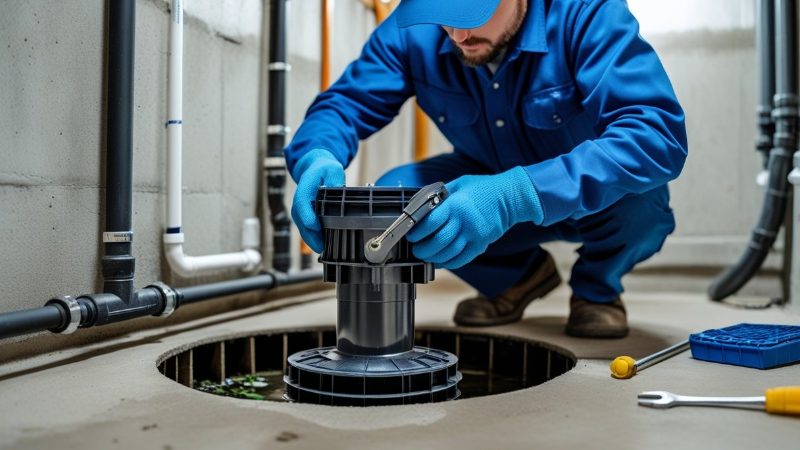
What to Check Before Replacing Your Sump Pump: Friendly Tips to Avoid Common Mistakes
If your sump pump is acting up, you might be ready to swap it out for a new one. But hold on—before you shell out for a replacement, take a few minutes to check some basics. Look over the power source, make sure there aren’t any clogs or obvious damage, and see if it’s still moving water like it should.
Don’t forget about the battery backup, either. People often skip this step, but the battery’s lifespan depends on how much you use it and your basement conditions. Give it a look—this could be what saves you during a storm.
In areas like Muskoka, Aurora, and Richmond Hill, the team at Harris Plumbing always recommends regular maintenance to keep your pump running smoothly. Even a little care now can prevent headaches—and costly repairs—later.
Signs Your Sump Pump Needs Replacement
Spotting a failing sump pump early can save your basement from a soggy disaster. Listen for new sounds, notice if the pump is kicking on more than usual, or if it’s just plain refusing to start. If you’re seeing these, it might be time to call in someone like Harris Plumbing to check things out.
Unusual Noises or Vibrations
Weird noises coming from your pump? Grinding, rattling, or banging usually means something inside—like the motor or bearings—isn’t happy. Vibrations could mean the impeller’s out of whack or the whole thing’s loose.
If you let these sounds go, the pump could stop working altogether. Sometimes you’ll even spot water pooling around the base. It’s best to have a licensed plumber take a look before you end up with a bigger mess.
Frequent Cycling On and Off
If your sump pump keeps turning on and off, that’s “frequent cycling.” It’s rough on the motor and usually points to a problem—maybe the float switch is shot, or the pump’s just too small for your setup.
Sure, high groundwater can make your pump work harder, but if it’s cycling like crazy even when it’s dry out, something’s wrong. If you notice it starting and stopping every few minutes, it’s time to check it out.
Failure to Start or Run Continuously
If the pump won’t start when water rises, you’ve got a real issue. Sometimes it’s electrical, sometimes the float switch is busted, or maybe the motor’s burned out. Other times, it’ll run for a bit and quit before the water’s gone.
If your sump pump isn’t running smoothly—or stops working entirely—don’t wait. You need it to protect your home during wet weather. Harris Plumbing provides sump pump repair and replacement for homeowners in Barrie, Newmarket, and Aurora, ensuring your property stays dry and safe.
Check the Age and Lifespan of Your Sump Pump
Before you rush to replace your pump, take a second to figure out how old it is and what kind of shape it’s in. Believe it or not, a well-cared-for pump can outlast a neglected one by years.
Manufacturer’s Expected Lifespan
Most sump pumps hang in there for 7 to 10 years, but it depends on the model. If you’ve got a battery backup, expect the battery to last about 3 to 5 years, with maybe 4 to 8 hours of juice during an outage.
You’ll find the lifespan info on the label or in the manual. If your pump’s getting up there in age, it might not be as reliable—especially when you really need it. If it’s struggling or looking rough, maybe it’s time for a replacement.
Service History and Maintenance Record
How often have you cleaned or checked your pump? Pumps that get regular attention last longer and don’t break down as much.
If you’ve got records of yearly checkups, battery swaps, or repairs, great. If not, and it’s been years since anyone looked at it, it’s probably safer to just replace it. Letting pros like Harris Plumbing handle maintenance means your pump’s ready when you are.
Inspect for Physical Damage and Wear
Give your sump pump a good once-over before deciding to replace it. Look for any obvious cracks, rust, or stuck parts—stuff that could keep it from doing its job.
Cracked or Corroded Components
Scan the pump’s body and main parts for cracks or rust. Water can sneak into the motor through cracks, and corrosion usually means it’s been sitting in dirty or harsh water.
Don’t forget the discharge pipe and connectors. Rust or broken plastic here can lead to leaks or blowouts. Even a little crack can turn into a big headache fast, so don’t put off repairs.
If you spot any of this, it’s smart to call in Harris Plumbing. They’ll know if it’s worth fixing or if you need a new pump.
Clogged or Faulty Float Switch
The float switch tells your pump when to turn on and off. If it gets jammed with gunk or breaks, the pump might not work when you need it.
Try lifting the float gently. The pump should kick on as the float rises and shut off when it drops. If nothing happens or the float’s stuck, clean around it or swap it out.
This is a pretty common failure point. Keeping the float clean means your pump only runs when it should. Not sure what you’re looking at? Harris Plumbing can check and fix the float for you.
Evaluate Pump Performance
Testing how your sump pump actually performs is a good way to know if it’s still up to the job. Focus on how fast it moves water, whether the backup works, and if the electrical parts are solid.
Water Removal Efficiency
Your pump needs to move water out fast enough to keep your basement dry. Dump some water in the pit and see how long it takes to clear. If it’s slow, the motor or impeller might be worn.
Listen for strange noises or feel for vibrations while it runs—these are red flags. Make sure water’s flowing out of the discharge pipe with no leaks or clogs.
Checking this now and then helps you avoid surprises during Ontario’s rainy season.
Backup Power Functionality
A backup keeps your pump running when the power’s out. Some use batteries, others use water pressure. Test your backup by flipping the breaker or unplugging the pump.
Look at the battery’s charge and connections. Batteries older than three years? They’re risky. For water-powered backups, make sure the valve’s open and water’s flowing.
If the backup doesn’t work, your basement could flood during a blackout.
Electrical Connections and Safety
Double-check the power cord for any cuts or corrosion.
Plug the pump straight into a grounded outlet with a GFCI. This helps prevent shocks—especially important around water.
Skip the extension cords; they can cause all sorts of problems. Check the float switch wires, too. If you see damage or loose connections, fix it or get a new pump.
If you’re not sure it’s safe, Harris Plumbing’s licensed journeyman plumbers can sort it out.
Review Sump Pit and Discharge System
Before you put in a new pump, make sure your sump pit and discharge setup are working right. If these parts are dirty or busted, your pump won’t do much good.
Sump Pit Cleanliness
Look in the pit for dirt, gunk, and any standing water. A clogged pit makes your pump work harder and can shorten its life. Scoop out any leaves, mud, or stones.
Check for rust or cracks in the pit itself. These can cause leaks or make the pit unstable. If you find issues, fix or replace the pit before dropping in a new pump.
Clean the pit every few months, especially after heavy rain or snowmelt. Harris Plumbing says it’s worth the effort.
Discharge Pipe Condition
Check the discharge pipe for cracks, holes, or loose joints—these cause leaks or blockages.
Make sure the pipe dumps water at least 3 metres away from your house. Otherwise, the water could just circle back to your basement.
If you’ve had freezing issues in winter, think about adding insulation or heat tape. Frozen pipes can burst or stop water flow in a hurry.
Maintaining your discharge system helps prevent your sump pump from overworking. If you’re unsure what to look for, Harris Plumbing provides sump pump repair and maintenance for homeowners in Barrie, Orillia, and Richmond Hill, keeping your system running efficiently.
Verify Sump Pump Size and Capacity Requirements
Before you buy a new pump, check if it can handle the water your basement gets. Too small, and you’ll have water sneaking in during storms or thaws.
Look for the horsepower (HP) and gallons per minute (GPM) on your current pump. HP tells you how strong the motor is; GPM is how much water it moves. Here’s a quick cheat sheet:
| Horsepower (HP) | Typical Use | Gallons per Minute (GPM) |
|---|---|---|
| 1/4 HP | Small basements or light drainage | 30-40 |
| 1/3 HP | Medium-sized applications | 40-50 |
| 1/2 HP | Larger basements, heavy rain | 50-70 |
Think about how big your basement is and how often you’ve had flooding. If you’ve had a lot of water, you might need a stronger pump.
Don’t forget the vertical lift—the height the pump needs to push water up and out. If your discharge pipe runs high or far, you’ll need enough power for that, too.
Battery backups usually last 3 to 5 years and give you 4 to 8 hours of pump time if the power’s out.
Need help figuring all this out? Your local plumber, like Harris Plumbing in Simcoe County, can help you pick the right size. Getting it right means fewer worries when the weather turns ugly.
Assess Upgrade Opportunities
If you’re swapping out your sump pump anyway, why not consider an upgrade? Better efficiency and easier monitoring are worth a look—you could save on power and stress.
Energy-Efficient Pump Options
Look for pumps that use less electricity but still do the job. High-efficiency motors move water fast without burning through as much power.
Variable speed pumps are neat—they adjust how hard they work based on the amount of water. This cuts down on wear and saves energy. Also, check for a solid warranty and corrosion-resistant parts, since Ontario’s weather isn’t easy on equipment.
Upgrading to an energy-efficient model can keep your bills down and your basement dry. Harris Plumbing can help you find a pump that fits your needs and budget.
Smart Monitoring Features
Some newer sump pumps come with smart sensors that ping your phone or make noise if something’s wrong. You can get real-time alerts if the pump stops or water gets too high.
A lot of these systems connect to Wi-Fi, so you can check in from anywhere. Handy if you’re away during a storm. Look for extras like battery backup alerts and alarms.
Getting into smart monitoring puts you in control, even when you’re not home. Harris Plumbing can set up whatever tech you want to add to your system.
Consult Local Codes and Warranty Terms
Before swapping out your sump pump, it's smart to check your local plumbing codes. These rules exist for a reason—they keep everything safe and up to standard. In Ontario, requirements can change depending on where you are. Maybe it’s the pump size, how you run the discharge pipe, or even if you need a backup.
Skip the codes and you might face fines, or worse, have to redo the job. Not sure what applies to your place? A licensed plumber nearby will know. Harris Plumbing, for instance, can help you figure out the codes if you’re in Simcoe County, Muskoka, or York Region.
Don’t forget to look at the warranty terms on your new sump pump. Most warranties have conditions about installation and maintenance. Miss a step, and you might end up with a voided warranty—nobody wants that.
Check for things like:
- Warranty duration
- What’s actually covered
- Required maintenance
- Who’s allowed to repair it without voiding coverage
Being aware of these details helps you avoid headaches later. If you’re ever unsure, chatting with a pro like Harris Plumbing can really help.
Plan for Professional Installation or DIY Replacement
So, are you thinking about doing the sump pump replacement yourself, or calling in a pro? Sump pumps are a big deal for keeping basements dry, so the installation needs to be solid.
If you’re leaning DIY, make sure you understand how the pump works, feel comfortable working with electrical stuff, and have the right tools on hand. You’ll need to disconnect the old pump, get the new one in, and make sure it runs as it should.
Bringing in a licensed plumber—like someone from Harris Plumbing—can save you some hassle. They know what to look for, whether it’s a wiring issue or something wrong with the pit. Plus, they’ll make sure your setup follows local codes and fits with your current system.
Here’s a quick rundown to help you decide:
| Factor | DIY Replacement | Professional Installation |
|---|---|---|
| Skill level | Moderate to high | No plumbing or electrical skill needed |
| Time required | Several hours | Usually completed in 1-2 hours |
| Tools needed | Basic plumbing and electrical tools | All tools provided by professional |
| Risk of mistakes | Higher | Very low with licensed plumber |
| Warranty and guarantees | Usually limited | Often included with professional service |
If you’re feeling handy, DIY might work. But honestly, if you want less stress, calling a professional from Harris Plumbing is a solid move.
Frequently Asked Questions
Wondering when to replace your sump pump? Keeping an eye (and ear) on it can save you a lot of trouble. Check how it runs, listen for weird sounds, and take a look at the main parts before making your decision.
How can I determine if my sump pump needs replacing?
If your sump pump runs nonstop or won’t turn on at all, it might be time for a new one. Also, if it’s struggling to move water or just quits after a power outage, that’s a red flag.
What are common signs that indicate sump pump failure?
Watch for odd noises—grinding, rattling—or water pooling in the pit. If the pump keeps cycling on and off, or it runs but doesn’t actually move water, something’s up.
Is it possible for a homeowner to replace a sump pump by themselves?
Sure, if you’ve got basic plumbing skills, you can handle it. Just remember to turn off the power, remove the old pump carefully, and follow the manufacturer’s instructions for the new one. Always put safety first.
What's an average lifespan for a sump pump?
Most sump pumps last about 7 to 10 years. Battery backups might not go as long—it depends on the battery quality and how much you use it.
How much does it typically cost to have a sump pump replaced?
Prices bounce around, but you’re probably looking at $500 to $1,200 in Canada for parts and professional installation. The type of pump and how tricky the job is will affect the final bill.
What parts should I check before deciding to replace my sump pump?
Start with the power source—sometimes it’s just a tripped breaker or a loose plug. Take a look at the float switch, too; if it’s stuck or worn out, your pump might not run when it should. The discharge pipe can clog up or come loose, so give that a once-over. And don’t forget the pump motor itself; odd noises or overheating usually mean trouble. If you’ve got a battery backup, check the battery and charger since those can fail on their own. Honestly, lots of these issues can be fixed without tossing the whole pump.
If you want expert advice or help, Harris Plumbing handles sump pump repair and replacement in Simcoe County and nearby spots.