Signs Of A Clogged Main Drain and How to Spot Them Early
A clogged main drain can cause serious problems in your home or cottage plumbing system. You might notice slow drains, foul smells, or water backing up in unusual places.
The most important sign of a clogged main drain is water that doesn’t flow properly and starts to back up in multiple fixtures at once.
If you live in Barrie, Muskoka, or York Region, where rural plumbing issues like septic systems and sump pumps are common, knowing these signs early can save you time and money.
Ignoring the problem can lead to bigger headaches and costly repairs later on.
You rely on your plumbing every day. Spotting trouble quickly helps keep everything running smoothly.
Understanding Main Drain Systems
Knowing how your main drain works helps you spot problems early. You’ll learn what the main drain is, how it moves water away from your home, and why clogs happen.
What Is a Main Drain?
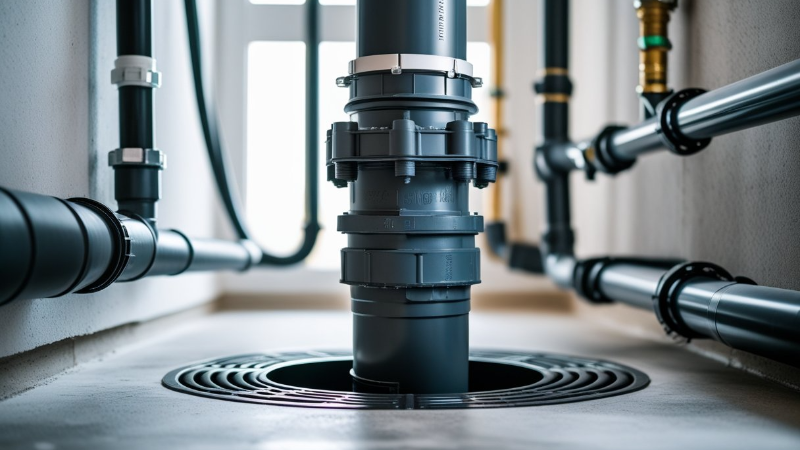
Your main drain is the large pipe that carries wastewater from your home to the city sewer or septic system. It collects water from your sinks, toilets, showers, and appliances.
This pipe is usually underground, often near your home’s foundation. It handles all the waste water leaving your property.
Because it serves every drain inside your home, keeping it clear is crucial. If the main drain clogs, sewage can back up inside your house.
That can cause bad smells, slow draining, and water backups in several fixtures.
How Main Drains Work
Water and waste flow through your drains by gravity. The pipe is usually angled to let water move downward naturally.
Smaller pipes from sinks and toilets connect to the main drain pipe. As water runs, it pushes waste through the pipe system.
Traps and vents keep sewer gases out of your home and help water flow smoothly. Vents let air in, preventing pressure buildup that could slow drainage.
If anything blocks the flow in the main drain, water can’t leave your house properly. This causes backups and drainage problems you might notice quickly.
Common Causes of Main Drain Clogs
Main drain clogs happen for several reasons:
- Tree roots: Roots from trees and shrubs can grow into cracks in underground pipes and block flow.
- Grease buildup: Pouring fat and grease down kitchen drains can solidify inside pipes and create blockages.
- Foreign objects: Items like wipes, feminine products, or toys flushed down toilets can get stuck and clog pipes.
- Pipe damage: Cracks or collapsed sections from age or ground movement can trap waste.
Regular inspections and avoiding flushing harmful items help keep your main drain clear. In rural areas around Muskoka or Simcoe County, harsh winters and shifting soil may increase pipe damage risks, so extra care is needed.
Early Warning Signs of a Clogged Main Drain
When your main drain gets clogged, you might notice several specific problems around your home. It’s important to catch these signs early because they can point to bigger plumbing issues that need quick attention.
Pay close attention to how your drains behave, what noises you hear, and any recurring bathroom troubles.
Slow Draining Fixtures
If water starts to pool or drain slowly in several spots—like sinks, tubs, or showers—it’s a strong sign your main drain could be blocked. This happens because water struggles to pass through clogged pipes.
You might first notice this in lower drains like floor drains or basement sinks. Slow draining can also cause water to back up into other fixtures.
Checking for slow drainage early can help you avoid costly repairs and potential water damage in your Barrie, Newmarket, or Richmond Hill home.
Unusual Gurgling Sounds
Hearing gurgling or bubbling sounds from your drains or toilets means trapped air is struggling to move through the pipes. This happens when your main drain is partly clogged and drainage flow is restricted.
These sounds may come from sinks, toilets, or floor drains, especially after you flush or run water nearby. Gurgling is a sign the clog is causing pressure imbalances in your plumbing system.
If you hear it often, it’s time to get your pipes inspected to avoid bigger blockages.
Frequent Toilet Backups
When your toilet backs up repeatedly, it often points to a clogged main drain. This is especially true if other drains are slow or gurgling at the same time.
Wastewater may rise in the toilet bowl when you flush or when other drains are being used. Frequent backups create health risks and unpleasant messes inside your home or cottage.
Acting fast and calling a skilled plumber in Muskoka or York Region can prevent damage.
Visible and Severe Indicators
When a main drain is clogged, some clear signs show up that you shouldn’t ignore. These signs often involve multiple drains acting up, water not draining where it should, or even wastewater coming back into your home.
Multiple Drains Clogging Simultaneously
If you notice two or more drains in your home slowing down at the same time, your main drain is likely clogged. For example, your kitchen sink, bathroom sink, and floor drain might all back up or drain very slowly.
This happens because the clog affects the main pipe where all smaller drain lines meet. If the blockage isn’t cleared, water can back up into different fixtures at once.
This is a clear sign you need a professional plumber to check your system. Keep an eye on drains in places like your basement or laundry area.
Water Backing Up in Tubs or Showers
Water pooling in your tub or shower when draining is another severe indicator of a clogged main drain. Instead of flowing down quickly, water may drain slowly or even come back up after you’ve finished bathing.
This usually means there’s a blockage further down your main drain pipe. It can cause dirty water to rise, posing hygiene issues and damage risks.
If you live in Aurora, Richmond Hill, or Newmarket, older sewer lines can make this a common issue that requires prompt professional attention. Avoid using harsh chemicals or DIY fixes, as these can worsen the problem or damage your pipes.
A licensed journeyman plumber can locate the clog safely and remove it without damaging your plumbing.
Wastewater Coming Up Through Floor Drains
When wastewater shows up in floor drains, especially in basements or laundry rooms, your main drain is likely clogged badly. This is one of the most serious signs because it can cause unpleasant smells and contamination.
Sewage or gray water rising through floor drains means the normal path for wastewater is blocked. The water looks dirty and may contain debris or toilet paper.
This creates health risks and can damage your floors and foundation if left untreated. If you see this, shut off water to affected areas and contact a trusted plumber serving Simcoe County or Muskoka immediately.
They can clear the drain and help prevent damage with sump pump or septic system repairs.
Unpleasant Smells and Related Clues
Sometimes, a clogged main drain causes strange smells in your home or property. These smells often point to hidden blockages you can’t see.
Sewer Odors Indoors
If you notice a strong, rotten egg or sewage smell inside your home, your main drain could be clogged. This smell usually comes from backed-up wastewater that can’t flow properly.
It may appear near drains, toilets, or even in basements and crawl spaces. You might also see slow draining sinks or toilets along with the odour.
The bad air builds up because sewer gases have nowhere to go. Address this quickly to prevent harmful bacteria and damage to your home’s pipes.
Persistent Musty Smells
A musty odour that won’t go away may also signal a blockage in your main drain. When water pools inside clogged pipes or drains, it encourages mould and mildew growth.
Musty smells often linger in basements, laundry rooms, or near floor drains. Check for damp patches or water stains on floors and walls too.
These signs suggest water is stuck, causing the smell and possibly damaging your home’s structure. Getting a plumber to inspect your drains can stop musty smells early and protect your property.
Secondary Problems Caused by Clogged Main Drains
When your main drain is clogged, problems can quickly spread beyond just slow drainage. It sets the stage for serious water damage and creates the perfect environment for mould and mildew to grow.
Water Damage Risks
A clogged main drain can cause water to back up inside your home or cottage. This backup leads to water spilling into floors, walls, or even your basement.
Water damage can weaken your building’s structure and ruin flooring, drywall, and insulation. If water sits for too long, it can cause wood to warp or rot, which is expensive to fix.
Basements in regions like Simcoe County or Muskoka are especially at risk, where heavy rain and snowmelt add stress.
Using sump pumps correctly and keeping drains clear can reduce your water damage risks.
Mold and Mildew Formation
Standing water from a clogged drain creates damp conditions where mold and mildew thrive. Both prefer moist, dark areas like basements, crawl spaces, or behind walls.
Mould can cause health issues such as allergies and breathing problems. It also damages your home’s surfaces, breaking down drywall or wood over time.
If you notice a musty smell or visible spots on walls or ceilings, mold caused by drainage issues may be the reason. Regular maintenance and quick fixes are key to avoiding these problems.
In cottage areas and rural settings where dampness is common, you need extra care to prevent mould growth.
When to Call a Professional
Recognizing the right time to get expert help can save you headaches and costly repairs. Knowing the urgent signs helps you act quickly, while understanding how to avoid further damage keeps your home safe.
Signs That Require Immediate Attention
If water is backing up in multiple drains at once, you likely have a clogged main drain. Slow draining in sinks or toilets can start small, but when it spreads, it’s a red flag.
Other urgent signs include foul sewage smells inside your home and unusual gurgling sounds from drains. These often mean sewer gases are escaping, which can be hazardous.
If you notice water pooling around your foundation or in your basement, this could signal a blockage causing sewage to back up into your property. In these cases, call a licensed plumber immediately to prevent health risks and costly water damage.
Preventing Further Damage
Ignoring a clogged main drain can cause pipes to burst or sewage to overflow, damaging your walls, floors, and belongings. Early professional intervention stops problems from worsening and costly repairs later.
Regular maintenance, like cleaning and inspections, can prevent blockages caused by tree roots or buildup in septic systems, especially in rural Ontario homes.
Using professional drain cleaning services protects sump pumps, wells, and lake pumps by keeping water flowing smoothly. Reach out to a trusted local plumber experienced in Ontario’s unique plumbing needs before small issues become emergencies.
Prompt care keeps your home and plumbing system healthy.
Preventing Main Drain Clogs
Keeping your main drain clear starts with what you put down your sinks and toilets. Avoid flushing items like wipes, paper towels, or feminine products.
These can build up and block the drain over time. Be careful with grease and food scraps from the kitchen.
Grease hardens when it cools and sticks to the pipes. Use a container to collect grease and throw it in the trash instead of pouring it down the drain.
Regular maintenance helps too. Having a licensed plumber inspect your drains every few years can spot problems before they turn into clogs.
This is especially important for homes with older pipes or trees nearby.
Here are simple habits to prevent clogs:
- Use drain strainers to catch hair and debris.
- Avoid flushing non-degradable items.
- Dispose of cooking grease safely.
- Limit the use of chemical drain cleaners, as they can damage pipes.
Staying on top of these steps gives you peace of mind. It means fewer surprises like slow drains or flooding after rain.
If you live in rural areas like Simcoe County or Muskoka, regular checks can protect your septic systems and well pumps too.
Frequently Asked Questions
Knowing the early signs of a clogged main drain can save you time and prevent costly damage. It's important to understand what causes blockages, who is responsible for fixing them, and when to call in a professional plumber.
What are the indicators that I have a blocked sewer line in my basement?
You might hear hissing or dripping sounds when your taps are off. Slow draining sinks, foul odours, or water backing up into floor drains are also common signs.
Look for wet spots or flooding in the basement without obvious leaks.
Who typically holds responsibility when dealing with a blocked sewer drain?
If the clog is inside your property lines, you are responsible for repairs. If the blockage is past the connection to the city or municipal sewer, the local authority might handle it.
Check local regulations in Simcoe County or York Region to be sure.
Can I handle a main sewer line clog on my own, and if so, how?
You can sometimes clear minor clogs in household drains with a plunger or drain snake. Main sewer line blockages often need specialised tools or professional services.
If you notice repeated backups, call a licensed plumber.
What should I do if I notice signs of a clogged drain outside my home?
Check any visible cleanouts first. Avoid using harsh chemicals because they can damage pipes.
Contact a plumber to inspect the line and safely remove tree roots or debris. This is especially important in areas like Muskoka or Barrie where rural plumbing issues are common.
Should I consider a clogged main sewer line an urgent issue?
Yes. Blocked main drains can quickly cause flooding, property damage, and health hazards.
Act quickly, especially during wet seasons or in cottages, to prevent serious problems and costly repairs.
What are the average costs for a plumber to remove a clog from a main sewer line?
Costs depend on how severe the clog is and which tools the plumber uses. In Ontario, prices usually range from $300 to $700 for standard clearing services.
Root removal or video inspections can increase the price. Ask the plumber for clear, upfront pricing.