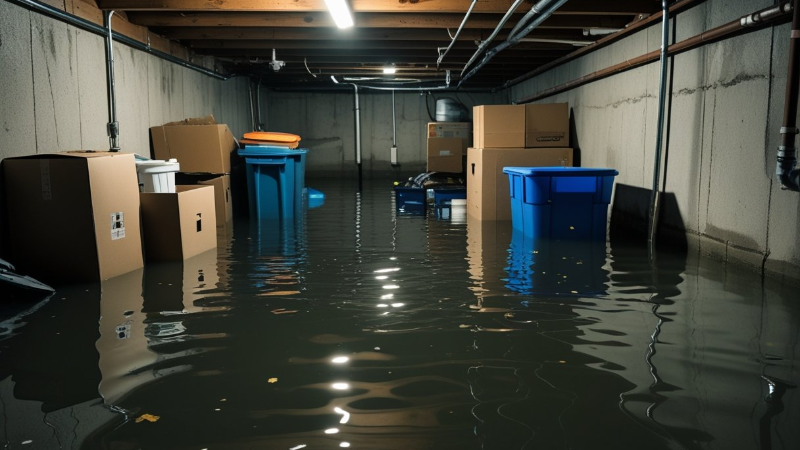
Flooded Basement Cleanup Tips to Protect Your Home Quickly
A flooded basement can feel overwhelming. Acting quickly helps prevent serious damage and costly repairs.
The key to effective flooded basement cleanup is removing water fast, drying the space thoroughly, and stopping mold from growing. Knowing what steps to take right away saves you time and stress.
You’ll need to remove any pooled water using pumps or wet vacuums. Clean affected surfaces with antimicrobial products to kill bacteria and mould spores.
Get rid of damaged materials like wet insulation or drywall. This protects your home’s structure and indoor air quality.
In regions like Aurora, Richmond Hill, and Stouffville, heavy rain can cause flooding. Having a reliable sump pump or backup system is essential.
Understand how to respond and maintain your equipment. This helps your basement stay dry and safe all year.
Causes of a Flooded Basement
A flooded basement usually happens because of water coming from outside or inside your home. Knowing where the water starts helps you fix the problem quickly and stop more damage.
Common reasons include heavy rain pushing water in, broken pipes inside your walls, and cracks in your foundation that let water seep through.
Heavy Rainfall
When heavy rain pours down, the ground around your home can’t soak it all up. This extra water can pool near your foundation and find its way into your basement.
If your yard slopes toward your house, water will run directly to the foundation walls. This increases the risk of leaks.
Blocked or overwhelmed drains and downspouts often make things worse. When water has no place to go, it builds pressure against your basement walls.
This pressure can force water through small openings or cracks. Flooding can result.
Keep gutters clear and make sure water drains away from your home. This reduces the chance of rainwater flooding your basement.
Plumbing Failures
Floods can also start from inside your home. Burst or leaking pipes are common plumbing problems that cause water to pool in your basement quickly.
Older pipes and worn-out joints are more likely to fail. Sump pump failure is another frequent cause.
If your sump pump stops working during heavy rain or power outages, water can build up. Backup systems help, but they need regular checks.
Watch for signs of clogged drains or slow water flow. These may indicate plumbing issues that could lead to basement flooding.
Foundation Cracks
Your basement walls and floors are designed to keep water out. Over time, cracks or gaps can develop in the foundation.
Soil shifting, tree roots, or natural wear and tear can cause these cracks. Water finds these weak points and slowly seeps inside.
Even small cracks can let in enough water to flood your basement during heavy rain or snowmelt. Regularly inspect your foundation and fix cracks early with waterproof sealants or professional repairs.
Immediate Steps to Take After Basement Flooding
Right after your basement floods, your actions can make a big difference in limiting damage and keeping everyone safe. Focus on three things: making sure the area is safe, stopping more water from coming in, and protecting your belongings from harm.
Ensuring Safety
First, check that it’s safe to be in the basement. Flooded areas can have hidden dangers like electrical shock and contaminated water.
If you see sparks, smell gas, or notice power is still on near standing water, do not enter. Turn off the main power from a dry location if you can do so safely.
Wear rubber boots and gloves to avoid contact with dirty water. Do not use electrical equipment if there’s water on the floor.
Keep children and pets away from the flooded basement until it’s safe.
Stopping Water Entry
Stopping more water from entering the basement is critical. Identify the source of the flood.
It could be a broken pipe, a failed sump pump, or heavy rainwater coming through foundation cracks. If you can, turn off your water supply to stop leaks.
Make sure your sump pump is working. If it has failed, call for emergency sump pump repair or install a backup pump.
Block or seal cracks temporarily with waterproof sealant or sandbags to reduce further damage.
Protecting Belongings
Salvage your belongings quickly to reduce loss. Move furniture, electronics, and valuables to a dry area above flood level.
Remove rugs and cushions to dry outside if possible. For items soaked in water, wipe off mud and dirt gently.
Avoid using household chemicals that might cause damage. Throw away any porous materials like carpets or mattresses that soaked up dirty water, as they can cause mould.
Lay down plastic sheeting over floors or other surfaces to limit further water absorption. Keep items off wet concrete or flooring until the area is completely dry.
Flooded Basement Cleanup Process
Cleaning up a flooded basement takes careful steps to remove water, dry the space, and stop mold or bacteria from spreading. Each part of this process is important to keep your home safe and prevent future damage.
Water Removal Methods
Start by cutting off electricity if the basement is still flooded. This keeps you safe while working around water.
Remove standing water quickly to reduce damage to walls, floors, and belongings. Use tools like:
- Submersible pumps to push out large amounts of water fast
- Wet/dry vacuums for smaller puddles
- Buckets and mops if the flooding is minor
If water comes from a sump pump failure, check if a backup pump is working properly. For bigger floods, hire professionals who use industrial-grade pumps to speed up the process.
Drying Out the Basement
After removing water, dry the area completely. Moisture left behind can cause wood to warp or lead to mould growth.
Use fans and dehumidifiers to circulate air and pull moisture from walls, floors, and air. Open windows if the outside air is dry.
Keep drying equipment running for several days. Remove drywall or insulation that held water to let the space dry well.
Monitor humidity levels until they reach normal levels under 60%.
Cleaning and Disinfecting
Once dry, clean and disinfect to prevent bacteria and mould from spreading. Remove any debris or damaged materials.
Use a cleaning solution safe for basement surfaces. Disinfect all areas touched by floodwater with a mix of water and bleach or an approved cleaner.
Wear gloves and masks during this step to protect yourself from germs. Dispose of contaminated items properly.
After cleaning, check for lingering smells or signs of mould. Consider professional help if problems persist.
Assessing and Preventing Mold Growth
Mold can start growing soon after a basement floods, especially if wet areas aren't dried quickly. It can cause damage and health issues.
Knowing where mold risks are, using products that stop mold growth, and making sure the space gets good airflow are key to keeping mold away.
Identifying Mold Risks
Mold thrives in damp, dark, and poorly ventilated areas. After a flood, check corners, carpet edges, wooden beams, and behind walls for any signs of moisture.
Even slow leaks from pipes or appliances can create spots where mold grows unnoticed. Look for discoloration, a musty smell, or visible mold patches.
Pay attention to materials like drywall, carpets, and insulation because they hold moisture longer. Use a moisture meter if possible to find wet spots under surfaces.
Catching mold early makes cleanup easier and prevents it from spreading deeper into your basement structure.
Using Mold Inhibitors
Mold inhibitors are chemicals or treatments that slow or prevent mold growth on surfaces. After drying the space, apply mold inhibitors on walls, floors, and any wood.
These treatments are often mixed with cleaning solutions or paint to protect your basement long term. You can buy mold inhibitor sprays or additives from local hardware stores or plumbing professionals in Barrie, Orillia, and surrounding areas.
Always follow the instructions closely to ensure safety and effectiveness. Using these products helps protect against stubborn mould, especially in areas prone to moisture.
Ventilation Strategies
Good airflow helps keep your basement dry and stops mold from growing. Use industrial fans, dehumidifiers, and open windows or vents when possible.
Run a dehumidifier in areas like York Region basements to lower humidity levels below 60%. This helps prevent mold.
If you have a sump pump system, maintain it and ensure it drains water efficiently. Add exhaust fans or heat recovery ventilators (HRVs) to improve air exchange.
Avoid leaving clothes or boxes on damp floors. Regularly inspect your basement ventilation to stop moisture build-up and keep the air fresh.
Repairing and Restoring the Basement
After removing water and drying out your basement, fix any damage and make sure your space is safe and sturdy again. Check the structure carefully and replace any parts weakened or ruined by the flood.
Structural Assessments
Start with a thorough inspection of your basement’s foundation, walls, and support beams. Look for cracks, warping, or signs of rot.
Water can weaken wood and concrete, making your basement less safe. Hire a professional with experience in water damage.
They can spot problems you might miss and recommend the right repairs. Check your sump pump and drainage systems as well.
These help prevent future flooding and protect your basement’s stability.
Replacing Damaged Materials
Remove and replace any soaked drywall, insulation, or flooring. These materials often hold moisture and can cause mould if left in place.
When replacing, choose water-resistant or mold-resistant options if possible. This helps protect your basement from future damage.
Clean and dry any salvageable materials before reinstalling them. Repair work should include sealing cracks and gaps to keep water out.
Consider hiring licensed plumbers or restoration specialists familiar with basement flood repairs in Aurora, Stouffville, or throughout Muskoka. They will ensure your basement is both dry and safe once the work is finished.
Professional Flooded Basement Cleanup Services
Cleaning up a flooded basement takes more than just removing the water. It involves drying, sanitizing, and sometimes repairing damage to prevent future problems.
Knowing when to call experts and how to choose the right company is important.
When to Call Experts
If your basement flood is deep or covers a large area, get professional help. Experts have the right equipment to quickly remove water and dry out your space.
They know how to check for hidden moisture to avoid mould growth. Call professionals when water has been standing for more than a few hours or if there’s contamination from sewage or chemicals.
Professionals can handle these risks safely and help protect your family's health. Even smaller floods can benefit from expert care because they will inspect your sump pump and drainage systems.
Selecting a Reliable Company
Look for a company with licensed journeyman plumbers and solid experience in your region. For example, a team with over 50 years serving Barrie, Orillia, and surrounding areas understands local challenges.
Make sure the company offers upfront pricing and clear communication. Ask if they have specialised services like sump pump repair or emergency water removal.
Check if they provide a workmanship guarantee. Reviews from local customers can also help you decide.
| What to Check | Why it Matters |
|---|---|
| Licensed Plumbers | Ensures quality and safety standards |
| Experience in Ontario | Knows local plumbing systems and weather risks |
| Clear Pricing | Avoids surprises on your bill |
| Guarantees | Protects your investment |
| Special Services | Covers sump pumps, well pumps, and emergency repairs |
Flood Prevention Tips for Homeowners
Keeping water away from your basement starts with managing how rain and runoff flow around your home. Take steps to improve drainage and maintain the parts of your property that carry water.
Improving Drainage Systems
Make sure your drainage system directs water at least 1.8 metres (6 feet) away from your foundation. This helps prevent water from pooling near the basement walls.
Install a sump pump if your home is in an area prone to flooding. A properly maintained sump pump removes water from the lowest parts of your basement.
Consider adding a battery backup pump to keep it working during power outages. Look for cracks in your foundation and seal them quickly.
Water can enter through these weak spots, making drainage less effective. Inspect your weeping tiles or perimeter drains to confirm they are not blocked.
Maintaining Gutters and Downspouts
Clean your gutters and downspouts regularly, especially during the fall and spring. Clogged gutters can cause water to overflow and run down your house walls instead of being directed away.
Make sure downspouts extend far enough from your home—about 1.8 to 3 metres (6 to 10 feet) is ideal. If water pools near the house, install downspout extensions or splash blocks.
Check for damage and leaks in gutters that can reduce their ability to carry water away. Repair holes or replace sections as needed.
Keep gutters in good shape to prevent moisture buildup around your foundation.
Insurance Claims for Basement Flooding
When your basement floods, handling insurance can be confusing. Carefully record the damage and know how to submit your claim the right way.
Documenting Damage
Take clear photos and videos of all flooded areas. Capture damaged walls, flooring, furniture, and any appliances affected by water.
Write down what you see, including the date and time you discovered the flood. Keep receipts for any emergency repairs or clean-up costs, like water extraction or drying equipment rentals.
This proof is important because insurance companies often want detailed records. Also, note any damages caused by mould or structural problems from the flood.
If possible, avoid throwing out damaged items until an adjuster reviews them, unless they pose a health risk.
Filing a Claim Successfully
Contact your insurance provider as soon as you can after the flood. Give them all the details, including your damage reports and photos.
Ask if your policy covers basement floods caused by things like burst pipes or sump pump failure. Not all types of water damage are included.
Be honest and clear when describing the situation. Insurance claims may cover water extraction, removal of damaged materials, sanitizing, and repairs.
If you hire a professional flood cleanup service, check if they help with insurance paperwork. This can save you time.
Keep a record of everyone you talk to, including names and dates. Follow up regularly to track the status of your claim.
Know your policy’s limits and what’s covered to avoid surprises during the process.
Frequently Asked Questions
Cleaning up a flooded basement involves careful steps to avoid health risks and further damage. You’ll want to understand the costs, insurance coverage, and when it’s best to call in professionals.
Handling soaked carpet and choosing the right cleanup method are also important.
How can I safely clean up after a basement flood by myself?
Start by turning off electricity to the basement to avoid shocks. Wear gloves, boots, and a mask to protect against bacteria and mould.
Remove all standing water using a pump or wet vacuum. Dry the area with fans and dehumidifiers.
Clear out wet items quickly to prevent mould. Clean surfaces with a disinfectant after water is removed.
Avoid using household vacuums on water. Always use equipment made for wet conditions.
What are the average costs associated with cleaning up a flooded basement?
Costs vary but expect expenses for water removal, drying equipment rental, and repairs. Small cleanups might cost a few hundred dollars, while major work can reach into the thousands.
Sump pump repairs or replacements add to the cost. Pricing depends on the flood severity, damage to walls or floors, and if mould remediation is needed.
Get multiple quotes from local companies in Ontario to find fair pricing.
Which items in basement flooding will typically be covered by insurance?
Insurance usually covers damage caused by sudden water events like pipe bursts. Damage from groundwater or flooding may not always be included, depending on your policy.
Check if your insurance covers carpet, furniture, and structural repairs. Keep records of all damaged items and photos to support your claim.
Contact your insurer as soon as possible to report the loss and understand your coverage.
How do I find reputable flood restoration companies in my area?
Look for companies with Canadian certification and good local reviews, especially in Aurora, Stouffville, or throughout Muskoka. Ask if they have licensed journeyman plumbers on staff and if they follow clear pricing policies.
A reliable company will offer a detailed inspection and explain their process. Veteran-owned and family-run businesses often provide trustworthy, personalized service.
What steps should I take to clean water from my basement carpet effectively?
Remove the carpet as soon as possible to prevent mould growth. Use a wet vacuum or professional extraction tool to remove water.
Dry both carpet and padding completely with fans and dehumidifiers. If the carpet can’t be dried quickly, replace it to avoid health risks.
Always clean with an antimicrobial solution to kill bacteria.
What should I consider when choosing between DIY and professional flood cleanup?
DIY works for minor floods if you can remove water quickly and have proper safety gear.
For large floods or when mould appears, professionals use their training and equipment to restore your basement.
Think about your physical ability and the time you have.
Check for hidden damage that may need expert help.