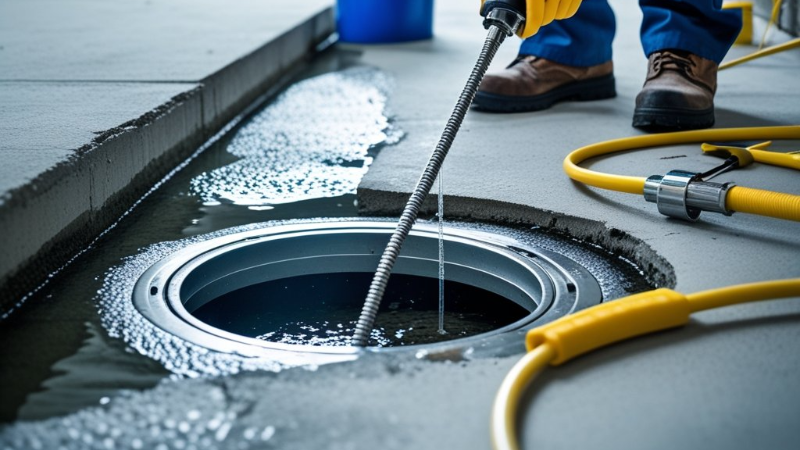
Basement Drain Clog Solutions Made Easy for Every Homeowner
Dealing with a clogged basement drain can be stressful, especially when water starts to pool and cause damage.
Whether it’s tree roots, debris, or faulty sump pumps, knowing what’s blocking your drain helps fix the issue faster.
If you live in Barrie, Orillia, and Newmarket, you might face challenges like heavy rainfall or older plumbing systems.
Understanding how to clear a blockage or when to call a licensed journeyman plumber can save you time and money.
You can also learn how sump pump repairs or root removal services keep your basement dry and protected.
Understanding Basement Drain Clogs
Basement drains can get blocked for several reasons.
This can cause water to back up or drain slowly.
Recognizing the signs of a clog and knowing what causes it helps you fix the problem sooner.
Ignoring drain issues can lead to damage that affects your home’s safety and comfort.
Common Causes of Drain Clogs
Debris like dirt, leaves, or small stones often start basement drain clogs.
Over time, these materials build up and block water flow.
Grease or soap scum from household waste can also settle inside the pipes and cause blockages.
Tree roots are a common problem in rural and cottage areas like Barrie, Orillia, and Muskoka, where older plumbing systems are surrounded by trees and shifting soil.
Roots can grow into your drain pipes, causing cracks or full blockages.
Old or damaged pipes may collapse or sag, trapping water and debris.
Regular maintenance like clearing drain covers and inspecting pipes can help prevent many clogs.
Signs Your Basement Drain Is Clogged
You might notice water pooling in your basement after rain or when your sump pump is running.
Slow draining or water backing up from floor drains is a clear sign that something is blocking the flow.
Bad smells coming from your drains can mean waste or standing water is trapped nearby.
Gurgling sounds from drains or toilets during water use can also point to a clog.
Pay attention if your sump pump runs longer than usual.
This can mean water isn't flowing properly through your drainage system.
If you see any of these signs, check your drains.
Potential Risks of Ignoring Drain Issues
Ignoring a clogged basement drain can cause damage to your foundation.
Water that pools close to your home can seep through cracks, leading to dampness, mould, or structural damage.
Blocked drains also increase the risk of flooding inside your basement, which can ruin belongings and require costly repairs.
Health hazards from mould growth or bacteria in stagnant water can affect your family’s wellbeing.
In cold Canadian winters, standing water in drains can freeze and damage pipes.
Immediate Steps for Basement Drain Clogs
When your basement drain clogs, act quickly and safely to reduce damage and restore flow.
You’ll need to protect yourself, try some easy fixes, and know when a professional plumber should help.
Safety Precautions Before Cleaning
Before you start, make sure the area is safe.
Basement drains can back up with dirty water or sewage, so wear waterproof gloves and boots to avoid germs.
If the clog causes water to pool, turn off electrical power to that area to prevent shock.
Keep children and pets away from the work zone.
Open windows or use fans to ventilate if you notice bad odours.
If you smell gas or sewer fumes, exit immediately and call your local utility or emergency services.
Avoid chemicals unless you are sure they are safe for your plumbing and the environment.
Harsh drain cleaners can damage pipes and harm septic systems, which are common in rural areas like Barrie, Orillia, and Muskoka homes.
Quick DIY Solutions
Start with basic tools like a plunger or plumbing snake to clear the clog.
A plunger can often loosen blockages near the drain opening.
Be firm but controlled to avoid making a bigger mess.
If the plunger doesn’t work, try a manual drain snake.
Insert it slowly into the pipe and rotate to break up or pull out debris.
Avoid pushing the clog further in.
If you have a sump pump, check if it’s working well because this helps manage draining water.
Flushing the drain with hot water might help clear grease or soap buildup.
Don’t pour boiling water as it could crack pipes.
When to Stop and Call a Professional
If your DIY attempts don’t fix the clog within 20-30 minutes, call a licensed plumber.
Persistent or recurring clogs can signal bigger issues such as root intrusion or damaged pipes—problems often found in Barrie, Orillia, and Muskoka basements or rural homes.
Call a professional if you see signs of flooding, bad smells that won’t go away, or water backing up from multiple drains.
Licensed plumbers have the right tools and experience to diagnose and fix these problems fast.
Harris Plumbing offers expert drain cleaning and sump pump repair across Barrie, Orillia, and Newmarket.
DIY Methods to Unclog Basement Drains
When your basement drain clogs, you can try several ways to fix it yourself.
These methods include using simple tools, creating safe homemade cleaners, and removing blockages by hand.
Each approach can save you time and avoid damage when done carefully.
Using a Plunger
A plunger is one of the easiest tools to use on clogged basement drains.
First, make sure there is enough water covering the plunger’s cup for a good seal.
Place the plunger firmly and push down and pull up rapidly, repeating about 10 times.
This action creates suction that loosens minor blockages.
If the water starts to drain, you have cleared the blockage.
If not, try a few more rounds but avoid excessive force to prevent pipe damage.
A plunger works well on slow drains caused by dirt or small debris.
Homemade Drain Cleaning Solutions
Mix a simple solution using baking soda and vinegar to clear mild blockages.
Pour half a cup of baking soda down the drain.
Wait five minutes, then slowly add half a cup of vinegar.
The mixture will fizz and bubble, helping break down grease and soft debris.
After about 15–30 minutes, flush the drain with hot water.
Avoid harsh chemicals; they can harm pipes or the environment.
This homemade option works best on gradual slow drains, not fully clogged pipes or tree root blockages.
Manual Removal Techniques
If you can see the clog, use gloves and a drain snake or wire hanger to remove it by hand.
Insert the tool gently into the drain and twist while pulling to grab debris like hair or leaves.
For tough clogs deep in the pipe, use a longer plumbing snake or auger.
Be careful not to push the clog further down.
Manual removal works well with visible blockages and saves you from calling for professional help right away.
Advanced Basement Drain Clog Removal
When regular methods don’t clear your basement drain, more powerful tools can help.
These methods reach deeper blockages and break down stubborn debris that simple plunging can’t handle.
Using a Drain Snake
A drain snake is a long, flexible tool that moves through your pipes to break up and pull out blockages.
Feed the snake into the drain until you feel resistance.
Rotating the handle helps the snake work through clogs made of hair, grease, or roots.
Use a manual snake for smaller jobs or a motorized one for tough blockages.
Manual snakes are easy to control but may require more effort.
Motorized snakes spin faster and reach deeper blockages but need care to avoid damaging your pipes.
Wear gloves and clean your snake after use to prevent spreading bacteria.
If your basement drain is clogged by tree roots or very dense debris, a drain snake can be very effective.
High-Pressure Water Jetting
High-pressure water jetting uses a powerful stream of water to clear out serious blockages inside your pipes.
This method can remove grease, mud, and roots by blasting them free with water at pressures up to 4,000 psi.
A special hose with nozzles directs water in a controlled way to clean pipe walls and flush debris downstream.
Because water jetting doesn’t use chemicals, it’s safe for older Canadian pipes and the environment.
You usually need a professional to handle water jetting because the equipment requires experience to operate safely.
It’s especially useful if your basement drain clog repeats or you want to protect your pipes from damage caused by other clearing methods.
Professional Basement Drain Cleaning Services
If your basement drain is clogged, professional help can clear blockages quickly and prevent damage.
Experts use advanced tools and techniques to tackle tough clogs.
You’ll want to consider costs and choose a trusted local service that offers reliable results.
How Professionals Address Clogs
Licensed plumbers use tools like drain snakes, hydro-jetters, and cameras to locate and remove debris inside your basement drain.
A drain snake breaks up hair, grease, or roots that have built up.
A hydro-jetter blasts water at high pressure to clear stubborn obstructions.
Cameras let the plumber see exact problem spots inside the pipes without damage.
This precise approach helps fix the issue right the first time.
Technicians also inspect sump pumps and make sure drains connect and flow properly.
Costs and Considerations
Pricing depends on the clog type, location, and the tools needed to clear it.
Simple clogs often cost less, while deep blockages or root removal cost more.
Ask for a clear quote upfront to understand what’s included.
Some companies charge a flat rate for inspection and basic cleaning, then add fees for more work.
If you live in Simcoe County, York Region, or Muskoka, choose a company familiar with local plumbing systems and challenges like tree roots and older pipes.
Maintenance plans or annual check-ups may save you money over time by catching problems early.
Choosing a Reliable Drain Cleaning Service
Look for fully licensed journeyman plumbers with experience in Ontario’s plumbing issues.
A good service clearly explains their methods and pricing.
Check if the company offers a workmanship guarantee to protect your investment.
It shows confidence in the quality of their work.
Veteran-owned, family-run businesses often provide more personal service and care.
Harris Plumbing, for example, has served the Barrie area for over 51 years.
Always choose a provider who uses safe, environmentally friendly products and tools that protect your home and property.
Preventing Future Basement Drain Clogs
Keeping your basement drains clear helps avoid costly repairs and water damage.
Simple daily habits and smart upgrades can protect your drains from blockage.
Regular care, proper covers, and thoughtful waste disposal work together to keep water flowing freely.
Routine Maintenance Tips
Check your basement drains regularly to catch problems early.
Flush drains with hot water once a week to clear minor buildups.
Use a plumbing snake to remove any slow clogs before they get worse.
Inspect your sump pump and its battery backup often, especially in cooler months.
Make sure the battery is dry and terminals are clean.
If you spot debris near the drain entrance, clear it away quickly.
Schedule professional drain cleaning every 1-2 years to prevent deeper blockages.
Licensed plumbers can also check for pipe damage or root intrusion that you might miss.
Installing Drain Covers
Add drain covers or strainers to prevent hair, dirt, and debris from entering your basement drains.
Choose covers that fit well and have small holes to catch fine particles without blocking water flow.
Clean these covers weekly to remove trapped debris before it builds up.
If your basement has drains exposed to leaves or outdoor dirt, use covers designed for heavy debris.
Drain covers also protect against larger objects that can cause serious clogs.
Proper Waste Disposal Practices
What you put down the drain affects clog prevention.
Avoid pouring grease, oil, or food scraps into basement drains.
These substances can harden and block pipes over time.
Use a compost bin or garbage to dispose of food waste.
Flush only water and approved drain-safe cleaning products.
Products with harsh chemicals can harm your plumbing system and are better avoided.
If you have a septic system or well pump, follow local guidelines to protect those systems from harmful debris.
Proper disposal keeps your drains and septic systems working efficiently.
Long-Term Basement Drain Health
Keeping your basement drains clear takes more than quick fixes.
Watch for signs of ongoing problems and know when it’s time to upgrade your plumbing to avoid costly damage.
Assessing Ongoing Drain Issues
If your basement drain clogs often or drains slowly, you might have deeper issues like tree roots invading the pipes or settling soil causing shifts. Look for water pooling near your sump pump or unusual smells from floor drains.
Regular inspections, especially after heavy rain or spring thaw in areas like Barrie, Orillia, or Newmarket, help you catch problems early. Be sure to clear debris from drain covers and test your sump pump at least once a year.
A licensed plumber can inspect your pipes with a camera to find hidden blockages or damage.
When to Upgrade Basement Plumbing
Upgrade your basement plumbing if you have repeated clogs, strange noises, or water backup despite regular cleaning. Old clay or cast iron pipes can crack or corrode, leading to leaks and poor drainage.
Increasing your home’s drainage capacity can protect against flooding, especially in areas of York Region or Simcoe County that get heavy rain. Install larger pipes, better sump pumps with battery backups, or replace old plumbing with modern materials for better performance.
A licensed tradesperson can help you choose the best solution for your home.
Frequently Asked Questions
Clogged basement drains can cause water to back up, create unpleasant smells, and increase the risk of damage. Knowing how to handle blockages and use the right tools can save time and prevent bigger problems.
What are some effective home remedies for unclogging basement drains?
Start with a mix of baking soda and vinegar. Pour half a cup of baking soda down the drain, then add half a cup of vinegar.
Let it sit for 15-30 minutes, then flush with hot water. You can also use a plunger to help dislodge minor clogs.
Can you unclog a basement drain on your own and if so, how?
Yes, you can. First, remove any visible debris around the drain cover.
Use a plunger to try to clear the clog. If that doesn’t work, try a drain snake by inserting it into the drain and turning it to break up the blockage.
Be gentle to avoid damage.
What should you do if your basement drain is backing up while doing laundry?
Stop the washing machine right away to prevent overflow. Check if the drain or nearby pipe is clogged.
Use a plunger or a drain snake to clear the blockage. If water keeps rising, call a professional plumber to avoid water damage.
How do you address water coming up through the basement floor drain after a heavy rainfall?
This usually means groundwater is entering your basement. Check your sump pump to make sure it works properly.
Clear any debris around the drain and outside your home to improve drainage. If the problem continues, call a professional to inspect your foundation and drainage system.
What tools are needed to unclog a basement floor drain?
You’ll need a plunger and a drain snake (also called a plumber’s auger). A wet/dry vacuum, gloves, and a flashlight can help with cleaning and inspection.
For tough clogs, a pressure washer or professional-grade tool may be necessary. A licensed plumber can provide these tools.
How can you fix a drain that’s backing up in an old house basement?
Old pipes can have corrosion, tree root intrusion, or misalignment that causes clogs.
You can try clearing the clog with a drain snake.
If the problem keeps happening, call a professional plumber.
A plumber can use cameras to find hidden issues in the pipes.