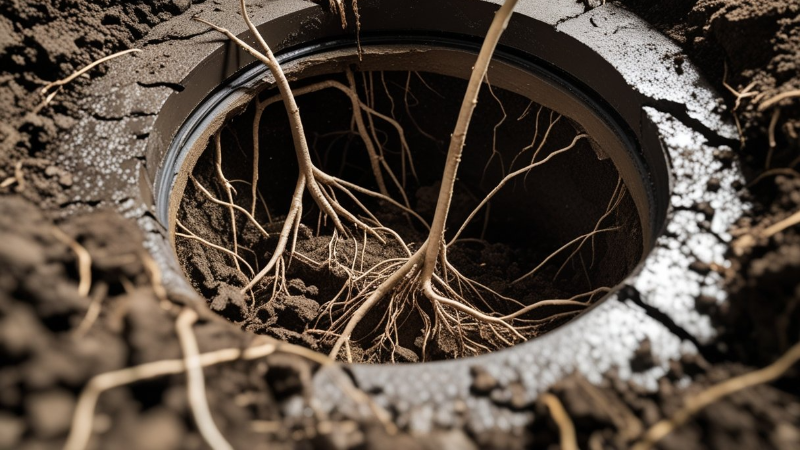
Tree Roots Causing Drain Clogs: How to Identify and Fix the Problem Easily
Tree roots can cause serious problems when they clog your drains. They grow toward water sources, like underground pipes, and can enter small cracks or joints.
Once inside, roots block water flow. This causes slow drainage, backups, or even leaks in your plumbing system.
Cleaning clogged drains early can help prevent pressure buildup and leaks. Checking your drains regularly and installing water sensors can alert you to hidden problems before they get worse.
Understanding how tree roots invade and clog your drains is the first step to protecting your home or cottage in places like Simcoe County or Muskoka. Knowing what signs to watch for and how to act can save you money and time.
How Tree Roots Clog Drains
Tree roots need water and nutrients, so they often grow near underground pipes carrying wastewater. Roots find weak spots in pipes and enter them, causing blockages that slow or stop water flow.
You can spot these problems early if you know what signs to look for in your drains and yard.
Why Tree Roots Invade Drain Lines
Tree roots naturally grow towards water. Your sewer or drain lines provide a steady water source, especially if pipes leak or have small cracks.
Roots sense moisture and nutrients coming from tiny pipe gaps. They break through older clay or concrete pipes easily, while plastic pipes are tougher but not immune.
Once roots get inside, they expand and form dense masses. This invasion damages pipes and slows drainage.
If you live near large trees or older homes with old pipes, your drains are at higher risk of root intrusion.
How Roots Enter Pipes
Roots enter pipes through:
- Cracks or fractures in the pipe
- Loose or jointed pipe sections
- Broken or shifted pipes caused by soil movement
Once inside, roots spread along the pipe walls and create blockages. Pipes with poor alignment or older materials like clay are easier targets.
Roots grow quickly and turn into thick mats, catching grease, sludge, and solids. This buildup narrows the pipe and causes backups.
Regular inspections catch root entry early and save you from costly repairs later.
Common Signs of Root Blockages
Watch for these signs in your drains:
- Slow draining sinks, tubs, or toilets
- Gurgling sounds from drains
- Unpleasant smells near plumbing lines
- Water backup in your basement or yard
- Wet spots or lush grass patches over your drain line
If you notice these, have a licensed plumber check for roots or other blockages. Early detection protects your plumbing and keeps your household running smoothly.
Identifying Tree Root Drain Problems
Tree roots can quietly damage your drains before you notice. Signs often start small but can worsen quickly.
Tools and professional inspections help confirm if roots are the cause.
Warning Signs in Your Plumbing
You might see slow drainage in sinks, showers, or toilets. Roots block the pipes, stopping water flow.
Gurgling sounds or strange smells from drains also mean trouble. Water backing up into your home is a serious warning.
If this happens after rainfall, tree roots might be pushing into your sewer lines. Cracks in your yard or soggy patches near drain lines can point toward root invasion.
Write down when and where problems occur. This info helps plumbers find root blockages faster during inspections.
Diagnostic Tools and Professional Inspections
Plumbers use special cameras that slide through your pipes. These camera inspections show root entry points and pipe damage.
Sometimes, plumbers use water jetting to clear small root blockages temporarily. Professional assessment tells you if full root removal or pipe repair is needed.
Consulting with a licensed plumber in Barrie, Orillia, and Newmarket ensures the right solution. They provide upfront pricing and guarantee workmanship.
Risks and Damage Caused by Root Blockages
When tree roots invade your drains, they can cause serious problems that affect your plumbing and home. These blockages lead to damage inside the pipes and can cause water to back up.
Types of Plumbing Damage
Roots can crack or break underground pipes as they grow, especially older clay or cast iron pipes. This damage allows roots to enter and enlarge the blockage over time.
You may notice slow drains, gurgling sounds, or strange smells as signs. If ignored, root blockages can cause complete pipe collapse or sewer line backups.
Sometimes, repeated pipe repairs are necessary. In severe cases, entire sections of your plumbing may need to be replaced to stop ongoing root intrusion.
Potential Water and Property Damage
Blocked drains can lead to sewage backups inside your home. This causes water damage to floors, walls, and furniture.
This can create an unhealthy environment with mould growth and unpleasant odours. In cottages or rural homes in Muskoka, where septic systems are common, root clogs can also damage your septic tank or drain field.
Fixing these water damages often requires professional cleanup and repairs. Prompt attention to root blockages helps prevent this damage.
Prevention Strategies
You can protect your drains from tree root damage by making smart choices about tree planting, keeping your drains clean, and using tools that block roots from growing into pipes.
Choosing the Right Trees and Plant Locations
When planting near your home, pick trees with less aggressive root systems. Avoid species known for invasive roots, like willow or poplar.
Instead, choose trees suited for the area with roots less likely to seek water in pipes. Plant trees at least 3 to 5 metres away from your drainage lines.
This distance gives roots space to grow without reaching underground pipes. Before digging, get your local utility or plumbing service to mark your lines.
This helps you avoid hidden pipes and reduces risk of root damage. Smaller or slower-growing species are less likely to cause problems for your drains over time.
Regular Drain Maintenance
Keeping your drains clear is key to stopping roots from entering. Clean clogged drains early to prevent pressure build-up that can crack pipes or force roots inside.
Have a licensed plumber perform regular inspections using cameras to spot early root intrusion. Cameras reveal issues before you see signs like slow drainage or smells.
For homes in areas like Barrie, Orillia, and Newmarket, schedule a yearly drain cleaning to maintain good flow. Use water sensors in your basement or crawl spaces to alert you to hidden leaks early.
Being proactive with maintenance saves you money and keeps drains working well.
Root Barriers and Modern Solutions
You can install root barriers — physical shields placed underground between trees and pipes. They redirect roots downward and away from drains.
These barriers, made of plastic or metal, protect your plumbing. New technology includes chemical root treatments.
They stop roots from growing into pipes without harming trees. These treatments dissolve roots inside pipes, making your drains flow smoothly again.
In rural or cottage areas around Muskoka, combining root barriers with regular drain checks brings the best results. If you choose modern solutions, hire licensed professionals to apply them safely and effectively.
Effective Methods for Removing Tree Roots
Dealing with tree roots in your drains requires the right approach. You can choose professional services or try some tools yourself.
Different methods offer various benefits depending on your situation and budget. Knowing how each option works helps you decide the best way to clear those roots.
Professional Root Removal Techniques
Professional plumbers use specialised tools to remove tree roots deeply embedded in pipes. One common method is using a rooter machine with a rotating blade.
This cuts through the roots inside the drain and clears the blockage. In some cases, permanent pipe repairs may be needed to remove root damage completely.
This can involve cutting out damaged pipe sections and replacing them. Professionals ensure this is done quickly and correctly.
With licensed tradespeople like those in Barrie, Orillia, and Newmarket, you get an expert inspection and treatment tailored to your pipes and root issues.
DIY Solutions and Tools
If you want to tackle minor root clogs yourself, tools like hand augers or small-root cutting blades can help. These are designed for smaller pipes and light root intrusion.
You can also try chemical root killers made for drains, but use them carefully. These chemicals kill roots but won’t remove the debris already blocking your pipes.
Avoid overusing chemicals to protect your plumbing and local water sources. Regular maintenance, like flushing drains or using enzyme cleaners, can slow root growth.
However, serious root blockages usually need professional attention.
Hydro Jetting vs. Mechanical Clearing
Hydro jetting uses high-pressure water streams to blast away roots and debris. It cleans your pipes thoroughly without damaging them.
Hydro jetting works well for clogged drains caused by both roots and grease or sediment buildup. Mechanical clearing, like using a rooter machine, focuses on cutting or breaking the roots.
It’s effective but may not clear all residue. Sometimes, professionals combine both methods to ensure pipes are fully clear.
If you live near Muskoka or York Region, ask your plumber which technique suits your drain type and root problem best.
Repairing and Replacing Damaged Pipes
When tree roots invade your drain pipes, they cause serious damage that often needs fixing or replacing. You can choose from different repair options, and understanding the costs and your insurance coverage helps you plan better.
Pipe Relining and Replacement Options
If roots damage your pipes, two common fixes are pipe relining and pipe replacement. Pipe relining involves inserting a flexible liner coated with resin inside the existing pipe.
This method seals cracks and stops leaks without digging up your yard. It is less disruptive and can last for many years.
Pipe replacement means cutting out the damaged sections and installing new pipes. This method is more invasive but may be needed if the pipes are crushed or broken beyond repair.
A licensed plumber in Barrie, Orillia, and Newmarket will inspect your drain and recommend the best option based on the damage and your property’s condition.
Cost Implications and Insurance Considerations
Costs vary between relining and replacement. Relining usually costs less because it takes less labour and doesn’t require digging.
Replacement is pricier due to excavation and new materials. Prices can also depend on pipe length, location, and root severity.
Check your home insurance policy carefully. Some policies cover damage from tree roots, but many do not include sewer or drain repairs.
It’s important to confirm what is covered before starting work. If you have a septic system or rural property, ask your plumber about specific coverage for these setups in Muskoka or surrounding Ontario regions.
Long-Term Drain Care and Landscaping Tips
Taking care of your drains over time requires regular attention and smart landscaping choices. These actions help keep tree roots from damaging your pipes and causing costly blockages.
Ongoing Monitoring and Maintenance
You should regularly check your drains for slow drainage or strange noises. These signs often mean roots are beginning to invade your pipes.
Scheduling yearly inspections with a licensed plumber in Barrie, Orillia, and Newmarket can catch small problems before they grow. They may use a camera to look inside your pipes.
It helps to clean your drains every 1-2 years to remove debris and roots. Root removal services stop roots from coming back quickly.
Also, avoid flushing hard-to-break items and grease down your drains to keep the pipes clear.
Landscaping Practices to Prevent Future Issues
Choose trees and plants with less aggressive root systems. For example, avoid planting poplars or willows near your septic system or sewer lines.
Keep large trees at least 6-8 metres away from underground drains. This distance reduces root growth towards your pipes.
Install root barriers underground to block root expansion near drains. These physical barriers redirect roots deeper into the soil.
Water your lawn and garden properly to reduce the risk of roots seeking moisture in your pipes. Overwatering can encourage roots to spread under driveways and near drains.
By combining these landscaping tips with regular inspection, you protect your property in the long run.
Frequently Asked Questions
Tree roots can cause serious drain problems by growing inside your pipes and blocking water flow. You might notice slow drains, strange noises, or foul smells around your plumbing.
What are the signs that tree roots are causing drain blockages?
You may see water backing up in sinks or toilets, slow draining water, or gurgling sounds from your pipes. Unpleasant odours near your drains or wet spots in your yard can also point to root intrusion.
How can you dissolve tree roots in sewer lines safely?
There are chemical root killers designed to be safe for pipes and the environment. These products usually contain foaming agents that cling to roots and help break them down without harming your plumbing.
Can foaming root killers effectively remove roots from pipes?
Foaming root killers can help control minor root growth but rarely eliminate large or tough roots. They are best used as a preventive step or combined with mechanical root removal.
Are the costs of removing tree roots from pipes typically covered by homeowner's insurance?
Most homeowner plans do not cover damage from tree roots in pipes. Insurance companies see this as a maintenance issue.
You might have to pay for repairs and removal yourself. Special coverage may help in some cases.
What are some home remedies to address tree roots in sewer lines?
Pour baking soda down the drain, then add vinegar. This can sometimes help clear minor clogs.
These methods rarely work on root blockages. You usually need professional help.
How much does it typically cost to remove tree roots from plumbing systems?
Costs depend on the extent of the damage and the removal method. Small jobs might cost a few hundred dollars.
Major repairs with pipe replacement can reach into the thousands. Licensed plumbers in Ontario can give you accurate estimates for your situation.