Clogged Drain Solutions to Easily Clear Your Pipes
Clogged drains are a common problem that can disrupt your daily routine. If ignored, they can cause costly damage.
A clogged drain happens when debris like grease, hair, or dirt builds up and blocks the flow of water. This leads to slow drainage or backups.
Knowing the cause and how to fix it can save you time and money. Whether your drain is in the kitchen, bathroom, or basement, understanding some simple tips can help prevent clogs and protect your home.
You might also learn why a proper sump pump or sewer system maintenance matters. This is especially important in areas like Barrie, Orillia, and surrounding areas, where weather and old pipes can add challenges.
If you’ve ever wondered why water pools or drains slowly, you’re not alone. This guide will help you spot early warning signs and take steps to keep your plumbing running smoothly.
Understanding Clogged Drains
Clogged drains happen when something blocks the flow of water in your pipes. These blockages can come from many sources and often show clear signs.
Knowing the causes, types of blockages, and warning signs can help you catch issues early. This helps you avoid bigger plumbing problems.
What Causes Drains to Clog
Drains clog because materials gather and block the pipe. Common causes include food scraps, grease, soap buildup, hair, and dirt.
In rural or cottage areas, tree roots can push into pipes, breaking or blocking them. Grease and fat poured down kitchen drains harden as they cool, sticking to pipe walls.
Hair can form a mat in bathroom drains, trapping soap and other debris. Over time, this buildup narrows the pipe and slows water flow.
Foreign objects like toys or excessive toilet paper can also cause blockages. Poor pipe installation or damaged pipes make it easier for debris to get stuck.
Types of Drain Blockages
Drain blockages fall into a few common types based on what causes the blockage:
- Organic buildup: Hair, soap scum, food waste, and grease collect inside the pipe.
- Mineral deposits: Hard water can leave scale that narrows pipes over time.
- Tree root intrusion: Roots can grow into cracks, breaking or blocking pipes underground.
- Foreign objects: Items flushed or dropped into drains that don't dissolve, like toys or excessive toilet paper.
Each type may need a different method to clear it. Organic clogs might come out with drain cleaners or snaking, while root intrusion often needs professional cutting or pipe repair.
Common Signs of a Clogged Drain
You’ll usually notice symptoms before a clog becomes severe. Some common signs include:
- Slow draining water: Water pools in sinks, tubs, or showers instead of flowing freely.
- Gurgling sounds: Strange noises from drains can mean trapped air or partial blockages.
- Foul smells: Stagnant water or food trapped in pipes causes unpleasant odours.
- Water backup: Water can come up through floor drains during heavy rain or blockages.
If you spot these signs, act quickly to prevent leaks or flooding. This is especially important in areas like basement sump pumps where water damage risk is high.
Immediate Steps to Take When You Have a Clogged Drain
When your drain is clogged, figure out how bad the blockage is. Avoid actions that can make things worse, and keep safety in mind.
Taking the right steps early can save you time, money, and stress.
Identifying the Severity of the Blockage
Start by checking if water is draining at all. Slow drainage usually means a minor clog you can fix yourself.
If water pools or backs up quickly, the blockage is more serious. Look for signs like strange smells, gurgling sounds, or water rising in other drains.
These can show the clog is deeper in your pipes. If your kitchen or bathroom drain overflows, or if multiple drains are affected, the problem could be in your main sewer line.
At that point, call a licensed plumber in Barrie or Muskoka to avoid damage.
What Not to Do
Avoid pouring harsh chemicals down the drain. These can damage pipes and harm the environment.
Do not use excessive force with a plunger or drain snake. Pushing too hard may damage your plumbing, especially in older homes or cottages.
Never try to disassemble your drain pipes without knowing what you’re doing. Mistakes can cause leaks and expensive repairs.
Stick to gentle methods first, like a plunger or a drain cleaner made for safe use in residential pipes. If those don’t work, call a professional.
Safety Precautions
Always protect yourself when dealing with a clogged drain. Wear rubber gloves to avoid contact with dirty water and germs.
Turn off nearby electrical devices before working near water. This reduces the risk of electrical shock.
If the clog causes water to back up near electrical outlets, call a plumber immediately and avoid using that area.
If you use chemical cleaners, ensure the room is well-ventilated. Never mix different cleaners as that can create dangerous gases.
Taking these safety steps helps you handle drain problems without injury or harm to your home.
DIY Solutions for Clearing a Clogged Drain
You can often fix a clogged drain without calling a plumber. Use tools and household items to clear most blockages.
It’s important to act quickly to prevent leaks or damage. Simple methods like plunging, homemade mixes, and basic plumbing tools can help.
Using a Plunger
A plunger is one of the easiest tools to use. Make sure there is enough water in the sink or tub to cover the plunger’s rubber cup.
Place the plunger firmly over the drain and push down and pull up rapidly for 15-20 seconds. This creates pressure to loosen the clog.
Avoid forcing too hard to prevent damaging pipes. If the clog doesn't clear after several tries, try other methods or call a professional plumber.
Clean the plunger before and after use to keep things sanitary.
Homemade Remedies
You can try household items to break up the clog. Mix half a cup of baking soda with half a cup of vinegar.
Pour this mixture down the drain and wait 15-30 minutes before flushing with hot water. Another option is using boiling water.
Slowly pour boiling water down the drain in stages to soften grease or soap blockages. Avoid chemical drain cleaners as they can damage pipes, especially in older homes.
Plumbing Snakes and Tools
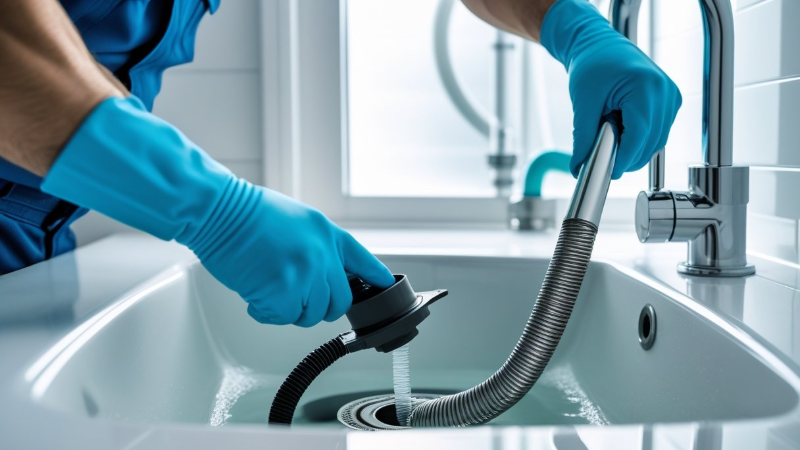
A plumbing snake, or drain auger, is a flexible tool designed to reach clogs deeper in the pipe. Insert the snake into the drain and turn the handle to break up or pull out debris.
This works well for tougher blockages that a plunger can't handle. For kitchen sinks, you can remove and clean the trap pipe under the sink if accessible.
Use gloves and a bucket to catch water. If you don’t feel comfortable using these tools, call a licensed plumber in Barrie, Orillia, and surrounding areas.
When to Call a Professional Plumber
Sometimes, clogged drains need more than just a simple fix. Certain issues require the skills and tools of a licensed plumber.
Knowing when to call a professional can save you time, money, and stress.
Persistent or Recurrent Clogs
If your drain clogs keep coming back even after you've tried clearing them, the problem runs deeper. These clogs often mean buildup in your pipes or damage that affects flow.
Repeated blockages can also signal that your drain slopes incorrectly or has broken sections. Trying to fix persistent clogs yourself may only provide temporary relief.
A licensed plumber can inspect your pipes using cameras to identify the exact cause. They can recommend the best repair so you avoid leaks or pipe bursts.
Tree Root Intrusions
Tree roots can cause major damage to underground pipes, especially if you live in areas with older sewer lines or lots of trees nearby. Roots grow toward moisture and can break into your drains.
This causes slow drains, backups, or even complete blockages. If you notice slow drains outside or foul smells near your yard drains, you might have root intrusion.
Removing tree roots requires special equipment, like hydro jetting or root slicing tools, which only professionals have.
Sewer Line Blockages
A blockage in your main sewer line is serious and needs immediate professional attention. Signs include multiple drains backing up at the same time and sewer odours in your basement.
Water may also pool in your yard after rain. Since the sewer line connects all your home’s drains, this type of clog can cause widespread issues.
Licensed plumbers have tools like drain cameras and sewer augers to clear blockages safely. They also check for damage or cracks in the lines.
Preventing Future Drain Clogs
Stopping drain clogs means taking simple steps to control what goes down your pipes. Keeping everything clean helps avoid costly plumbing problems.
Make good habits and check your plumbing regularly. Using the right products also helps protect your drains.
Proper Disposal Habits
What you put down your drains matters. Avoid pouring grease, oil, or fat down the kitchen sink.
These substances harden inside pipes and cause blockages. Collect cooking fats in a container and throw them in the trash.
Never flush wipes, sanitary products, or paper towels. These items do not break down like toilet paper and often catch on small clumps, forming bigger clogs.
Use drain strainers in sinks and showers to catch hair, food scraps, and debris. Empty them regularly so water flows freely.
Routine Maintenance Tips
Check your drains often for slow drainage or strange smells. Catching issues early means less work later.
Use a plunger for slow sinks or drains but only when needed. A regular flush with hot water can help clear minor buildup.
Pour boiling water slowly down kitchen drains once a week to melt grease and wash away buildup. Schedule a professional drain inspection and cleaning at least once yearly.
Licensed plumbers use tools like drain snakes and camera inspections to find and fix hidden blockages. This keeps your system in good shape and prevents surprises.
Recommended Household Products
Choose gentle, enzyme-based drain cleaners if needed. These break down organic material without damaging pipes or septic systems.
Avoid harsh chemicals like acid or bleach cleaners. They can erode pipes and harm the environment.
Try natural solutions like a mix of baking soda followed by vinegar. Let it fizz for 15 minutes, then flush with hot water.
Keep a bio-friendly cleaner on hand to maintain septic systems, especially if you live outside city areas. Using the right products protects your plumbing and supports your home’s long-term health.
Potential Risks of Ignoring a Clogged Drain
Ignoring a clogged drain can lead to serious problems. Blocked drains often cause water to back up, which creates damage and invites bacteria.
You might end up paying far more to fix these problems later than if you acted early.
Water Damage to Property
When a drain is clogged, water cannot flow away properly. This causes water to pool and overflow in your sinks, tubs, or floors.
Over time, this moisture can soak into walls, floors, and cabinets. The damage may show as stains, warping, or soft spots in wood.
If left untreated, water can weaken the structure of your home or cottage. This is especially true in areas around Simcoe County or Muskoka where older buildings are common.
Waiting too long to clear a clog can lead to mould growth. Mould thrives in damp spaces and can ruin your flooring and drywall.
Health Concerns
Blocked drains don’t just cause water damage; they also create health hazards. Standing water and trapped debris attract bacteria and germs.
This can create foul smells and poor indoor air quality. Mould that grows from dampness can cause allergies or respiratory issues.
If you or your family have asthma or sensitive skin, clogged drains make these problems worse. Poor drainage also increases the risk of pests, like mosquitoes or flies, which carry diseases.
When your drain can’t waste properly, it creates places where bugs gather. This increases health risks to your household.
Costly Plumbing Repairs
Ignoring a clogged drain means minor problems can become major headaches. Small blockages might only cost a quick drain clean, but if left alone, they can cause pipe damage or backups deep in your plumbing system.
In rural areas or cottages, clogged drains may impact septic systems or well pumps. Repairs in these systems are often expensive and take more time to fix than standard drain cleaning.
Hiring a licensed journeyman plumber early saves you from these costly repairs. Fixing a clog fast helps keep your plumbing running smoothly and your home dry.
Eco-Friendly Solutions for Clogged Drains
You can clear clogged drains using safe methods that protect the environment and keep your plumbing working well. Choosing the right cleaning products and adopting good habits prevents chemicals from harming local water and soil.
This is especially important in areas like Simcoe County or Muskoka.
Green Cleaning Products
Using green cleaning products means picking substances that break down naturally and are gentle on pipes. Look for enzyme-based drain cleaners; they send friendly bacteria to eat up the clog without harsh chemicals.
These products won’t damage septic systems or harm nearby well or lake water. Avoid strong acids or bleach because they can corrode pipes and leak into groundwater.
Instead, try mixing baking soda and vinegar at home. This mixture reacts mildly to break down grime but is safe for the environment and your plumbing system.
When you shop, check the label for "biodegradable" or "phosphate-free." These choices keep your home safe and your water quality high.
Environmentally Safe Practices
You can keep drains clear by preventing clogs before they start. Use a drain strainer to catch hair, food scraps, or debris.
Avoid pouring grease or oil down the sink; these things harden in pipes and cause blockages. Flush your drains regularly with hot water to wash away build-up.
Test your sump pump and well pumps seasonally, especially before heavy rain, to stop flooding caused by blocked drainage. Cleaning habits protect your plumbing and help maintain clean groundwater, which is vital for Ontario’s ecosystem.
Upgrading Your Plumbing to Prevent Clogs
To keep your drains flowing smoothly, invest in plumbing upgrades that reduce the chances of blockages. Using modern materials and protective tools can make a big difference in how often you deal with clogs and plumbing repairs.
Modern Drainage Systems
Modern drainage systems move water and waste more efficiently than older pipes. They often use larger diameter pipes with smoother interiors that resist buildup.
Debris and grease have less chance to stick and cause a clog. In Aurora, Richmond Hill, and Stouffville, upgrading to PVC or ABS pipes is common.
These materials don’t corrode or crack easily, which keeps your drains working longer without blockage. Adding venting pipes helps prevent pressure issues, improving flow and reducing slow drains.
Licensed plumbers ensure any new system matches your home's layout and local plumbing codes.
Installing Drain Guards
Drain guards are simple devices that fit over your drain openings. They catch hair, food scraps, and other debris before it enters your pipes.
Using drain guards in kitchens, bathrooms, and laundry rooms can prevent common clogs. There are several types of drain guards: mesh screens, silicone mats, and metal strainers.
You can easily remove and clean these guards regularly to keep your drains clear. They are affordable and a smart first step in preventing blockages.
For outdoor drains around cottages or homes in Barrie, Orillia, and surrounding areas, guards also help keep out leaves and dirt. This reduces the risk of clogs caused by natural debris, which is important during fall or heavy rain seasons.
Frequently Asked Questions
Clogged drains often need specific care depending on the blockage type and location. You can clear deep blockages, choose the right products, and know when tools like drain snakes are best.
Some home remedies work well, but others might cause damage or fail to clear tough clogs.
How can I effectively clear a deep pipe blockage?
To clear a deep pipe blockage, use a drain snake or auger. These tools reach far into your pipes and break up or pull out stubborn clogs.
If it’s too deep or solid, contact a licensed plumber in Barrie, Orillia, and surrounding areas.
What are the best products to use for a blocked drain?
Use enzyme-based drain cleaners designed for Canadian plumbing systems. They break down organic matter without damaging pipes or the environment.
Avoid harsh chemical cleaners, especially if you have older pipes or septic systems.
What's the reason behind avoiding baking soda and vinegar for unclogging?
Baking soda and vinegar can create fizz, but they rarely clear serious blockages. The reaction doesn’t produce enough force to move tough clogs and can cause buildup if used often.
It’s better for mild smells or maintenance.
How can I deal with a drain that's backed up with standing water?
If water is standing in your drain, avoid using chemical cleaners right away. Try plunging or using a manual drain snake.
Standing water can mean a strong clog that needs physical removal or a plumber’s inspection.
Are there any home remedies for clearing a sink drain?
Simple remedies include using hot water to flush away grease or soap buildup. You can also try a mixture of dish soap and boiling water.
These methods help maintain flow but won’t fix deep or stubborn clogs.
When should I use a drain snake and how does it work?
Use a drain snake when plunging doesn’t clear the clog. You should also use it if you know the blockage is deep.
The snake twists and pushes into pipes. It breaks up or pulls out the clog.
Plumbers and DIYers in Barrie, Orillia, and surrounding areas often use this tool to manage clogged drains.