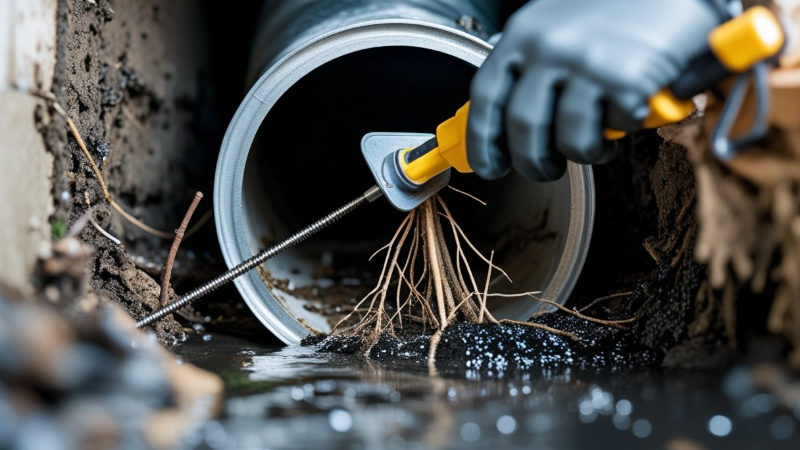
Sewer Line Clog Vs Drain Clog Explained: What You Need to Know
When you notice water backing up in your sink or toilet, it can be tricky to tell if the problem is a sewer line clog or just a drain clog.
A sewer line clog blocks the main pipe that carries waste away from your whole home, while a drain clog only affects a single drain, like your kitchen sink or bathtub.
Knowing the difference helps you decide how serious the issue is and what kind of help you might need.
Drain clogs are often caused by hair, soap, or food buildup.
They usually only slow down or stop water in one fixture.
Sewer line clogs cause problems in multiple drains at once or even outside your home.
If several sinks or toilets are backing up, you likely have a problem with the sewer line.
Understanding Sewer Line Clogs
Sewer line clogs happen deep in your home’s plumbing and can cause serious issues.
Knowing what causes them, the warning signs, and how the main sewer line differs from smaller lines can help you spot trouble early and call the right help.
What Causes Sewer Line Clogs
Sewer line clogs often happen because of things that don’t break down easily.
Common causes include grease, wet wipes, sanitary products, and tree roots growing into the pipes.
Older pipes made of clay or cast iron can crack, letting roots or debris enter.
Grease hardens inside pipes over time and creates blockages.
Tree roots are a common problem in rural and cottage areas like Muskoka.
They seek water and can break through pipes to get it.
Your sewer line is larger than drain lines and collects waste from many parts of your home.
This makes clogs more serious if they happen.
Warning Signs of a Sewer Line Clog
Some signs tell you when a sewer line is clogged.
Slow drains in multiple sinks or tubs are a red flag.
Toilets may back up or overflow.
You might smell bad odours near drains or in the yard around sewer cleanouts.
Gurgling sounds from toilets or drains happen when air struggles to pass through a blockage.
If sewage starts pooling in your basement, the clog is deep in the main pipe.
This needs fast repair.
You may also notice soggy or unusually green patches in your yard if the sewer line is leaking underground.
Main Sewer Line Versus Secondary Lines
The main sewer line collects all wastewater from your home and sends it to the municipal system or septic tank.
It is usually larger and runs from your house to the sewer connection point.
Secondary lines are smaller pipes that carry waste from individual fixtures like sinks, tubs, or toilets to the main line.
A clog in a secondary line usually affects only one fixture.
A main sewer line clog impacts the whole house.
Main line clogs often need professional tools like cameras and high-pressure water jets for clearing.
Secondary line clogs can sometimes be handled with a drain snake or plunger.
Identifying Drain Clogs
You might notice problems with your drains before they get worse, such as slow water flow or bad smells.
Understanding why clogs happen, what signs to watch for, and which drains are affected will help you act fast and avoid bigger troubles.
Common Causes of Drain Clogs
Most drain clogs happen because debris builds up inside pipes.
Hair, soap scum, and grease commonly get stuck and block flow.
Food particles or coffee grounds can cause kitchen drains to clog.
Sometimes, objects like small toys or jewellery fall into drains and cause blockages.
In older homes, pipe corrosion or mineral buildup from hard water can also reduce pipe size and cause slow drainage.
Tree roots growing near underground pipes can invade and clog drains in rural or cottage settings.
Keeping these causes in mind helps you prevent clogs or know what to mention to a plumber.
Typical Symptoms of a Drain Clog
Drain clogs show in several clear ways.
You might see water draining slowly or pooling in sinks, tubs, or showers.
Gurgling sounds in drains or toilets often signal trapped air from a clog.
Bad odours coming from drains mean waste is trapped rather than flowing out properly.
In kitchens, water may back up into the sink or dishwasher.
If multiple drains back up at once, it could be a bigger clog near your main line.
Types of Household Drains Affected
Drain clogs can affect many areas of your home.
Bathroom drains, like sinks, tubs, and showers, often clog from hair and soap.
Kitchen drains get clogged by grease, food scraps, and coffee grounds.
Laundry drains can block due to lint and fabric softeners.
Outdoor drains might clog from leaves, dirt, and roots, especially in cottage or rural homes.
Knowing which drains are trouble spots will help you target cleaning or call a plumber quickly.
Key Differences Between Sewer Line Clog and Drain Clog
A clog can happen in different parts of your plumbing system.
Knowing where it is makes a big difference.
It also matters how severe the blockage is and what kind of damage might come from it.
Location of the Clog
A drain clog happens in the pipes connected to your sinks, tubs, or toilets inside your home.
These clogs block water from flowing out of a fixture, like a slow kitchen sink drain or a backed-up shower.
A sewer line clog happens farther outside or under your home, in the main pipe that carries all wastewater away.
This pipe connects your home’s drains to the municipal sewer or septic system.
Because the sewer line is deeper and bigger, problems there affect the whole house.
Drain clogs are usually limited to one or two fixtures.
Extent of the Blockage
A drain clog often involves hair, soap, food scraps, or grease caught in small pipes.
These blockages are usually easier to clear with plungers or snaking tools.
Sewer line clogs involve larger debris, tree roots, or pipe damage.
These blockages tend to be more serious and widespread.
They can block multiple drains or cause sewage to back up into your home.
You’ll know a sewer line clog might be the issue if more than one drain is slow or if toilets start overflowing.
Potential Damage and Risks
Drain clogs mostly cause minor inconvenience, like slow water draining or bad smells near the affected fixture.
They rarely cause serious damage.
Sewer line clogs bring bigger risks.
Sewage backup can flood your basement or yard.
This can damage your home’s foundation, flooring, and walls.
Sewage contains harmful bacteria, which can pose health risks if not handled quickly.
Cleaning and repairing sewer line issues usually costs more and requires professional help.
Diagnosing the Problem at Home
Knowing whether you have a sewer line clog or just a drain clog can save you time and money.
Look for signs in your plumbing’s behaviour and smells, and try some simple tests before calling a professional.
Simple Tests to Identify Clog Type
Start by checking multiple drains in your home.
If only one drain, like a sink or shower, is slow or clogged, it’s likely a drain clog.
If several drains back up at once or toilets are slow to flush, the problem could be in the main sewer line.
Try flushing toilets and running water in different areas.
If water backs up in unexpected places, that points to a bigger sewer line clog.
Using a plunger on one drain can help confirm if the clog is local.
Visual and Odour Clues
Look for water pooling around basement floor drains or toilets that overflow easily.
These are strong indicators of a sewer line clog.
Use your nose as well.
A bad, persistent rotten egg or sewage smell in your basement or near floor drains usually means a sewer issue.
Drain clogs tend to have less noticeable odours and stay localized.
Tools Used for Diagnosis
You can use a simple plunger or hand auger to try clearing small drain clogs.
For more complex checks, use a sewer camera inspection.
It can show blockages inside main sewer lines and help locate tree roots or collapsed pipes.
Some hardware stores rent sewer cameras or augers.
If you have bigger issues or multiple clogs, call a licensed plumber in Barrie or York Region.
They have specialized tools and training to diagnose the problem accurately.
Professional Solutions for Sewer Line Clogs
Sewer line clogs require careful assessment and precise repairs because they affect your whole home’s wastewater system.
Knowing how the clog is inspected and the repair options available helps you choose the right service with confidence.
Inspection Techniques
Plumbers use specialized cameras called sewer inspection cameras to find the cause of a clog in your sewer line.
These small devices travel through the pipes and send real-time video to locate blockages, cracks, or roots invading the line.
This method avoids digging up your yard unnecessarily.
Plumbers may also perform a smoke test, blowing smoke through the sewer to check for breaks or leaks.
This helps pinpoint hidden damage that a camera might miss.
When your home has recurring issues, these inspections are key to understanding the bigger picture before any repairs.
Repair and Replacement Options
Once the problem is located, plumbers have several repair options.
For minor clogs or small cracks, they often use hydro-jetting.
This involves a high-pressure water spray to clear roots, grease, and debris without damaging pipes.
If the damage is more severe, pipe lining can be used.
This technique fits a flexible resin-coated liner inside the old pipe, creating a new, solid pipe within the existing one without digging.
In extreme cases, full pipe replacement may be necessary.
This requires excavation but ensures long-term reliability.
Your plumber will explain the best choice based on your sewer’s condition and your property’s needs.
Effective Remedies for Drain Clogs
You have options to clear drain clogs yourself.
Knowing when to get professional help is important.
Simple fixes can solve many common blockages, while some issues need a plumber’s skill to avoid damage.
DIY Unclogging Methods
Start by using a plunger on the clogged drain.
Create a tight seal and push firmly to loosen debris.
This often clears kitchen or bathroom drains quickly.
If that doesn’t work, try a drain snake or auger.
Feed it down the pipe to break up or pull out the clog.
You can buy or rent one from hardware stores in East Gwillimbury.
Pouring a mixture of baking soda and vinegar followed by hot water can help.
Avoid chemical drain cleaners as they may damage pipes or septic systems common in rural homes.
Always wear gloves and keep the area dry to avoid slips.
If your drain often clogs, avoid dumping grease or food scraps down the sink.
When to Call a Plumber
Call a licensed plumber if your drain is still slow or completely blocked after DIY steps.
Persistent clogs may indicate a deeper problem like tree roots or pipe damage.
You should also reach out if multiple drains clog at once or you notice foul smells or sewage backup.
These signs mean the issue could be in your main sewer line or septic system.
Harris Plumbing offers expert drain cleaning with equipment that reaches beyond what you can do yourself.
Their work in York Region and nearby areas includes fast diagnostics and safe, effective clearing.
Getting professional help early can save you costly repairs later and keep your plumbing working smoothly.
Preventing Future Clogs
Keeping your plumbing working well means staying on top of both sewer lines and household drains.
You’ll want to protect your pipes from damage and blockages by using practical steps tailored for each system.
Best Practices for Sewer Line Maintenance
Regular inspection of your sewer line helps spot problems before they become big.
You can hire a licensed plumber to camera-inspect your line every few years, especially if you live in rural areas like Muskoka or York Region.
Avoid flushing items that don’t break down easily, such as wipes or large food scraps.
Tree roots often invade old pipes, so consider professional root removal if you notice slow drains or bad smells.
Keep an eye on water flow from toilets and drains.
Low pressure or backups may mean the sewer line needs attention.
Proper grading around your home also prevents water pooling near sewer pipes, reducing damage risk.
Tips for Keeping Household Drains Clear
To stop drains from clogging, don’t pour grease or cooking oil down the sink—it solidifies and blocks pipes.
Use strainers in sinks and showers to catch hair and food particles.
Flush drains weekly with hot water to wash away minor build-up.
Avoid harsh chemicals that can harm pipes and the environment.
Instead, use gentle, eco-friendly cleaners if needed.
When doing laundry or using well water, consider installing a sump pump or water softener to reduce sediment and debris buildup.
Routine maintenance supports good flow and avoids costly repairs in East Gwillimbury homes.
Frequently Asked Questions
Knowing the signs of a clog and the right steps to take can save you time and money.
Some blockages need simple tools. Others require a professional’s skill.
What's the difference between a drain clog and a mainline blockage?
A drain clog happens in sinks, tubs, or toilets. Hair, grease, or soap buildup usually cause these clogs.
A mainline blockage occurs in the sewer pipe that carries waste away from your whole home. Tree roots or collapsed pipes often cause mainline blockages.
How can I tell if my main sewer line is clogged?
You might notice slow drains in multiple areas at once.
Gurgling noises from toilets or sewer smells in your yard are also common signs.
Are there any warning signs that my sewer line is about to clog?
Wet spots or pooling water near your property can be early signals.
You may also experience backups in basement drains or toilets flushing slowly.
What tools do I need to attempt clearing a drain clog at home?
A plunger is the simplest tool to start with.
For tougher clogs, you can use a drain snake or auger to clear hair or debris.
Should I attempt to clear my sewer line clog or call a professional?
Main sewer line clogs can be complicated and need special equipment.
Call a licensed plumber in East Gwillimbury to avoid damage.
How often should sewer lines be cleaned to prevent clogs?
Clean your sewer line every 2 to 3 years to keep it clear.
If you have many trees near your home, you may need to clean the line more often.