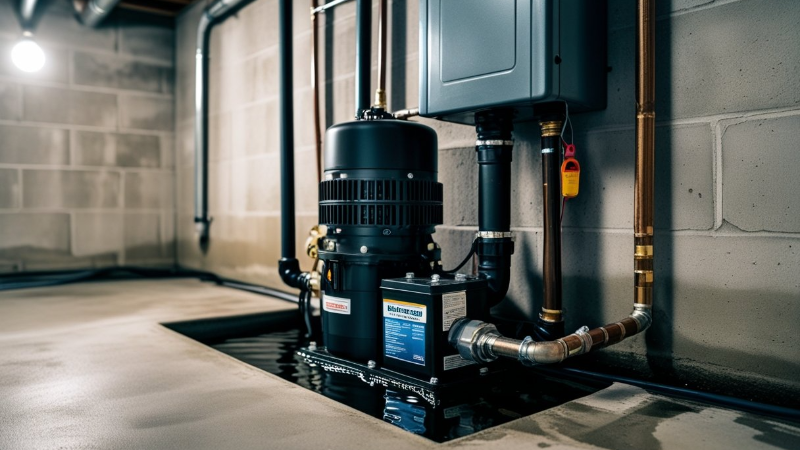
Back Up Sump Pump Cost Explained: What You Need to Know
If you’re looking to protect your home or cottage from flooding, getting a backup sump pump is honestly a smart move. Naturally, you might wonder what you’ll have to spend. Backup sump pumps usually cost between $300 and $800, depending on battery type, pump capacity, and installation requirements. Having this ballpark range in mind can help you plan your budget and avoid nasty surprises.
Your backup sump pump’s battery will typically last 3 to 5 years and can keep things running for 4 to 8 hours during a power outage. That’s not just extra protection—it’s a bit of peace of mind when storms roll in. Harris Plumbing, serving Simcoe County and York Region, can help you find a system that matches your needs and your budget.
Choosing the right backup pump isn’t only about price. You want something that’ll actually work when you need it. Whether you’re protecting a home or a remote cottage, knowing your options keeps you from overspending or getting caught off guard. Harris Plumbing brings over 51 years of local know-how to help you make the right call.
Average Back Up Sump Pump Cost
Plenty of factors affect backup sump pump pricing. Where you live, the pump type, and how quickly you want it installed can all shift the final bill. These details shape what you’ll pay to keep water out of your basement.
National Price Ranges
Across Canada, backup sump pumps generally run from $400 to $1,100. That usually includes the pump and some basic installation. In high-demand spots like Aurora, Richmond Hill, and Stouffville, prices can creep up thanks to travel time and local demand.
Parts and labor both play a role. Some homes need sump pit or wiring upgrades, which can drive costs higher. Don’t forget to budget for battery replacements every 3 to 5 years—those run about $150 to $300, depending on the battery.
Cost by Pump Type
Battery backup sump pumps usually fall in the $500 to $900 range. They use a battery when the power goes out and can run for hours, depending on the setup and how well you maintain things.
Water-powered backup pumps land between $700 and $1,100. They rely on your home’s water pressure instead of batteries. No battery replacements, but you’ll need a steady water supply.
What’s best for you depends on your home’s plumbing and how much backup time you want. Harris Plumbing can help you weigh the pros and cons for your Aurora, Richmond Hill, and Stouffville property.
Emergency Installation Pricing
When your sump pump fails during a storm, emergency installation costs jump. Expect to pay an extra $200 to $400 on top of regular fees. That covers after-hours labor and rush delivery of parts.
Fast action can make all the difference when you’re trying to avoid water damage. Harris Plumbing offers trusted emergency service for sump pump repairs and replacements in Simcoe County and the surrounding areas.
Factors Affecting Back Up Sump Pump Cost
A few things can nudge the price of a backup sump pump up or down. The power source, size and shape of your basement, and how tricky the installation might be—all these matter.
Power Source Differences
Backup sump pumps run on batteries, water pressure, or occasionally a generator. Battery-powered systems usually cost more since you’re getting a battery and charger. The battery’s size and quality affect how long the pump keeps going during an outage.
Water-powered backups are a bit cheaper up front but need a reliable water supply. If your water pressure dips, these pumps might not cut it. Generator-based setups pack a punch but need extra equipment and fuel, so installation and upkeep get pricier.
The best power source for you really comes down to how much runtime and reliability you want. Harris Plumbing can walk you through the options and help you land on what makes sense for your home and wallet.
Home Size and Basement Layout
Bigger basements mean you’ll need a more powerful pump. Sometimes you might even need two pumps or larger discharge pipes, which adds to the bill.
The basement layout matters, too. If your sump pit is hard to reach, or your plumbing is a maze, labor costs go up. Finished basements or unusual plumbing setups can mean extra work to make sure everything fits and works without wrecking your space.
It’s worth taking a good look at your basement before you start. A solid plan keeps costs under control and helps dodge surprises.
Installation Complexity
How much you’ll pay for installation depends a lot on your existing setup. If you’ve already got a sump pump, adding a backup is usually easier and cheaper. New installs need more work—digging, drilling, and plumbing tweaks.
Permits, local codes, and electrical work can also add to the cost. Some homes need the battery backup system hardwired or on its own circuit. If you’re out in the country or using a well or lake pump, things can get complicated fast.
Harris Plumbing’s licensed journeyman plumbers will give you a clear estimate after checking out your place. They’ll aim to keep things smooth and make sure everything meets safety and quality standards.
Types of Back Up Sump Pumps
Knowing the different types of backup sump pumps can help you pick what’s right for your home. Each type uses a different power source and has its own quirks when it comes to reliability.
Battery Backup Systems
Battery backup sump pumps use rechargeable batteries, so they keep working even if the power’s out. Most use deep-cycle batteries that last 8 to 12 hours, depending on how much water needs to be pumped out.
Battery backups are generally easy to install and handle storms or outages with no fuss. Regular battery checks and a bit of maintenance matter if you want the pump to work when you really need it. Harris Plumbing can handle installation and yearly service to keep things ready.
This type is pretty popular in places like Simcoe County, where power outages and heavy rain often go hand in hand. You get peace of mind and don’t have to mess with extra plumbing.
Water Powered Backup Pumps
Water-powered backup pumps use your home’s municipal water pressure to clear out the sump pit. No electricity or batteries needed, so they’re always ready when the power’s gone.
They’re usually cheaper to install than battery systems, but your water bill might go up, and they don’t work well with low water pressure. They also use a lot of water to move a relatively small amount from the sump pit.
If you’re on a well or lake water, these aren’t for you. Always check that your local water pressure meets the pump’s requirements before picking this option.
Combination Primary and Backup Units
Combination units give you a primary electric sump pump and a built-in battery backup, all in one. You only need a single sump pit, and if the main pump fails, the backup kicks in automatically.
They cost more up front but save space and make maintenance easier since everything’s bundled together. These systems constantly monitor things and switch to backup power right away when needed.
In areas like Aurora, Richmond Hill, and Stouffville, combo units are a practical way to keep your home protected, even if the power’s out for a long stretch. Harris Plumbing can recommend the right model for your needs and take care of regular service.
Cost Breakdown: Parts and Labor
Let’s break down what you’re actually paying for. The big expenses are the pump itself, professional installation, and any extra parts or accessories you need to finish the job.
Pump Unit Pricing
A backup sump pump unit usually costs between $200 and $700 in Canada. The price depends on what type you pick:
- Battery-powered pumps cost more but keep running during outages.
- Water-powered pumps use your home’s water supply and tend to be cheaper, though they can bump up your water bill.
Quality matters. Look for models with solid warranties. Harris Plumbing suggests choosing a pump that matches your basement’s size and drainage needs.
Professional Installation Fees
Installation is a big chunk of the cost. Licensed plumbers in Aurora, Richmond Hill, and Stouffville generally charge $300 to $600 to install a backup sump pump.
This covers things like:
- Wiring the pump correctly
- Connecting it to your drainage system
- Testing everything to make sure it works
Harris Plumbing sticks to upfront pricing—no hidden fees. It’s worth getting this part done right so your pump actually works when you need it.
Additional Materials and Accessories
You might need a few extras beyond the pump and labor:
- Backup battery kits or replacement batteries ($100–$200)
- Check valves to stop water from flowing back into the pit ($20–$50)
- Extra wiring, pipes, or fittings ($50–$150)
Getting the right parts keeps your backup pump working smoothly and helps it last longer. Don’t forget to include these in your budget for a complete setup.
DIY vs Professional Installation
Should you tackle installing a backup sump pump yourself or hire a pro? It really depends on your tools, your skills, and how much hassle you’re willing to take on versus what you might save.
Necessary Tools and Skills
If you go the DIY route, you’ll need some plumbing tools: pipe wrenches, screwdrivers, maybe a drill. You’ll also need to feel comfortable with electrical wiring if you’re installing a battery backup. Reading the manual is a must—mistakes can get messy.
You’ll need to know your way around plumbing connections and have some basic electrical knowledge to wire things safely. Slip up here and you could end up with leaks or even electrical hazards.
Pros show up with all the right tools and know-how. They handle everything from inspecting the sump pit to wiring and testing. Their experience means fewer headaches and a quicker job.
Common Installation Challenges
DIY installs often hit snags fitting new pumps into existing pits. Sometimes the pit’s shape or size just doesn’t match what the backup pump needs. Placement really matters if you want things to work right.
Electrical work can get dicey if you’re not experienced. Backup pumps often use sealed battery systems, and wiring mistakes can mean failure or even safety risks.
Professionals like Harris Plumbing spot issues like corrosion or bad drainage before they become problems. They’ll make sure everything fits and works with your home’s setup, especially in regions where weather can be rough on sump pumps.
Potential Cost Savings
Doing it yourself might save you the $300 to $600 labor fee. But if you need to buy tools or fix mistakes, those savings can disappear fast.
If you’re already handy with plumbing and wiring, DIY could be cheaper. Just be realistic—if you mess up, repairs or water damage can get expensive.
Hiring a pro costs more up front but often saves money in the long run. You avoid mistakes and know the system will work when you need it. Harris Plumbing offers clear pricing and guarantees, which can make the extra cost feel worth it.
Ongoing Maintenance and Replacement Expenses
Owning a backup sump pump means planning for regular checkups and part replacements. These costs keep your system running when you need it most and help you avoid nasty surprises down the road.
Routine Checkups
You’ll want to check your backup sump pump at least twice a year. Look for clogs, test that it’s working, and watch for wear. Try running the pump during a power outage (or just unplug the main pump) to make sure the backup kicks in.
Getting a pro to service your system every couple of years is a smart move. They’ll clean things up and check the electrical parts. Harris Plumbing in York Region offers maintenance plans that fit your schedule and help you avoid emergency repairs.
Battery Replacement Costs
The battery is usually the part you’ll replace most often. Expect it to last 3 to 5 years and cost about $100 to $300 to swap out, depending on type and size.
Batteries lose juice over time, especially in cold Canadian winters. Regular checks help you dodge a dead battery when you least expect it. Some folks keep a spare battery on hand, just in case the outage drags on.
Long-Term Value Considerations
Backup sump pumps usually last 5 to 7 years with decent care. When it’s time to replace, you’ll pay for the pump, installation, and maybe some upgrades. Newer models are often quieter and more energy-efficient, which is nice.
Think about what you’d pay if your sump pump failed and your basement flooded. Spending a bit on a reliable unit and regular maintenance with Harris Plumbing could save you a fortune in water damage. Replacing the system before it dies keeps your home safe and your budget under control.
How To Save Money on Back Up Sump Pump Costs
If you want to save money on a backup sump pump, focus on getting equipment that matches your real needs and shop around for fair installation prices. Don’t get talked into more pump than you need, and look for installers who are upfront about costs.
Selecting the Right Pump for Your Needs
Picking out the right battery backup sump pump can save you a lot of headaches—and cash. If you go for something too powerful, you’ll pay more upfront and probably waste energy. Too weak, and you might end up with a flooded basement during a storm. It’s smart to stick with brands that have a solid reputation and batteries that actually last.
Maintenance sneaks into the budget, too. Most backup pumps stick around for 5 to 7 years, but you’ll likely swap out the batteries every 3 to 5 years. It’s worth picking a model where changing the battery doesn’t feel like rocket science—it’ll save you some hassle and money down the road.
Don’t be shy about reaching out to a plumber. A licensed pro—like the folks at Harris Plumbing—can help you figure out what size and features make sense for your house and your particular flooding risk. Sometimes, it just helps to have someone who knows the ropes.
Comparing Installer Quotes
If you want a fair price, grab a few installation quotes. Ask each installer for a breakdown: parts, labour, warranties, all of it. No one likes nasty surprises after the fact.
Be a bit wary if a quote seems way lower than the others. That can mean cheap parts or someone rushing through the job. It’s better to work with a licensed plumber who stands behind their work—Harris Plumbing, for example, lays out their pricing and offers workmanship guarantees. That kind of transparency is reassuring.
Double-check if installation comes with testing and maybe a follow-up visit. That’s the sort of thing you want—knowing your backup pump will actually work when you need it. Comparing quotes isn’t just about saving a few bucks; it’s about keeping your home safe.
Frequently Asked Questions
When you’re looking at backup sump pumps, you’ve got to think about the upfront price and what comes after. How much does the system cost? What about installation and maintenance? Some models are pricier than others, and those hidden fees can sneak up on you.
How much can I expect to invest in a backup sump pump system?
Most backup sump pumps run between $300 and $1,500. It all depends on the features, the size of the battery, and how much water the pump can handle. If you want longer battery life or more power, you’ll pay more.
Does the price of installing a backup sump pump vary depending on the type?
Definitely. Battery-powered pumps usually take more time and attention to install. Water-powered ones often cost less but need a steady water supply. The type you pick changes the labour and materials bill.
What's the price range for having a battery-powered backup sump pump installed?
Expect to pay anywhere from $500 to $1,200 for a battery-powered backup sump pump, including the pump itself, the battery, and labour. Those batteries last about 3 to 5 years and give you 4 to 8 hours of power if the lights go out.
Are there any hidden costs to consider when budgeting for a secondary sump pump?
Keep an eye out for things like battery replacements, electrical work, or extra plumbing bits. Some basements need sump pit upgrades or new wiring, too. Those little extras can add up.
What is the typical maintenance cost for a backup sump pump over time?
Maintenance doesn’t usually cost much, but it matters. Swapping out the battery every few years runs about $100 to $200. Regular checks help you dodge expensive repairs by Harris Plumbing or another trusted local expert.
Do I need to factor in the cost of professional installation for my backup sump pump?
Yeah, it's a good idea to consider professional installation if you want things done safely and correctly. Labour can run anywhere from $200 up to $600, and it really depends on how tricky the setup is. Harris Plumbing handles installations all over Simcoe County and Muskoka, so if you want things done right, they’re an option worth checking out.