Unclogging Main Sewer Line Made Easy: Friendly Tips to Fix It Fast
A clogged main sewer line can cause a lot of trouble in your home, from slow drains to bad smells and water backups. You don’t always need to call a plumber—there are simple ways to unclog your main sewer line yourself.
Knowing the right steps can save you money and prevent plumbing damage. When your sewer line gets blocked, signs like gurgling noises or changing water levels in toilets can alert you.
Act quickly to avoid bigger problems. Large View Plumbing & Heating, serving North Shore, Massachusetts, recommends regular maintenance and easy fixes you can try at home.
With over 10 years of experience, the team at Large View Plumbing & Heating uses modern tools and trusted methods to help homeowners keep their plumbing running smoothly. This guide will walk you through practical steps so you feel confident managing a clogged sewer line when it happens.
Understanding Main Sewer Lines
Knowing how your main sewer line works and the signs of trouble can help you avoid big problems at home. You’ll understand how waste moves out of your house and what causes blockages.
Plus, you’ll learn how to spot trouble early before it gets messy.
How Main Sewer Lines Work
Your main sewer line is the large pipe that carries all the wastewater from your home’s toilets, sinks, and drains to the city sewer system or a septic tank. It’s usually buried underground and connects your house’s plumbing to the outside system.
Wastewater flows downhill through pipes by gravity. Your sewer line needs to be clear and properly sloped to move waste smoothly.
Any blockages can slow or stop this flow, causing water to back up inside your home. Keeping the sewer line clean can prevent costly repairs.
Many homeowners in North Shore, Massachusetts, trust Large View Plumbing & Heating to maintain and inspect their sewer lines.
Common Causes of Clogs
Clogs happen when things that don’t belong in the sewer line get stuck. Common culprits include:
- Grease and fat that harden inside pipes
- Tree roots growing into pipe joints
- Hair, soap scum, and debris buildup
- Flushing wipes, paper towels, or other objects not made for plumbing
Old or damaged pipes can also cause slow drains because cracks let in roots or soil. A lack of regular cleaning makes debris pile up over time and form blockages in the pipe.
By staying on top of these issues, you can keep your main sewer line flowing well. Large View Plumbing & Heating offers services like pipe cleaning and inspections if you’re unsure about your sewer line’s condition.
Warning Signs of a Clogged Sewer Line
If your sewer line is clogged, you might notice:
- Slow drains in sinks, tubs, or toilets
- Gurgling noises from drains or toilets
- Foul, sewage-like odors around the house or yard
- Water backing up in the lowest drains, especially in basements
Toilets that flush partially or frequently back up can also hint at a blockage in the main sewer line. Acting quickly helps prevent serious damage and expensive repairs.
If you see any of these signs, call a professional. The team at Large View Plumbing & Heating can inspect and fix your sewer system using the latest tools.
Immediate Actions To Take When Your Sewer Line Is Clogged
When your main sewer line is clogged, act quickly and carefully. First, figure out where the blockage is and decide if you need to shut off your water supply.
Taking proper safety steps before starting any unclogging work will protect you and your home.
Identifying the Location of the Blockage
Check all your drains at once. If multiple drains are slow or backing up, the clog is likely in the main sewer line.
Look for signs like water backup in toilets, sinks, or floor drains. You can sometimes spot the clog location by using a cleanout plug outside your home.
Remove it carefully to check for standing water or a bad smell, which signals a nearby blockage. If you’re unsure where the problem is, call a professional for a camera inspection.
This device shows exactly where and what type of clog you have.
Knowing When to Shut Off Water Supply
If water begins to back up in multiple places, shut off your main water shutoff valve right away. This stops more water from entering the sewer line and prevents flooding or sewage overflow inside your home.
Stopping water flow gives you time to plan your next steps. If you don’t know where the shutoff valve is, check near your water meter or where the main pipe enters your house.
Turn off appliances that use water, like washing machines and dishwashers, until the clog is cleared. This reduces the risk of extra sewage spilling into your home.
Safety Precautions Before Unclogging
Before you try to clear the blockage, protect your health by wearing rubber gloves and boots. Sewage water contains harmful bacteria that can cause illness if it touches your skin.
Open windows and doors to ventilate the area and reduce bad odors. Avoid breathing in fumes from cleaning agents or sewage gases.
Never mix chemical drain cleaners; they can create toxic fumes. Try safer tools like a plunger or drain snake first.
If you have any doubts or the clog is severe, call Large View Plumbing & Heating. Their team has the right gear and knowledge to handle tough blockages safely.
DIY Methods for Unclogging Main Sewer Lines
If you’re facing a clogged main sewer line, you can try several ways to clear it yourself. You’ll need some basic tools or household items to get started.
These methods include mechanical tools, flushing techniques, and natural cleaners.
Using a Sewer Snake or Auger
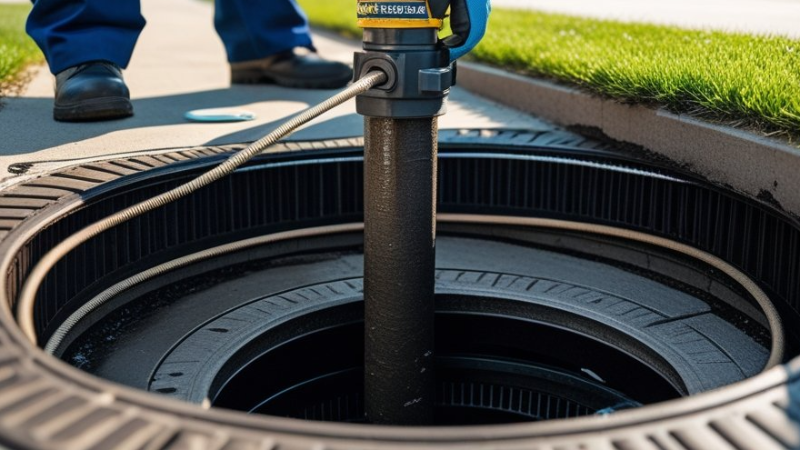
A sewer snake or auger is a long, flexible tool that breaks up or pulls out blockages in your pipes. Start by locating the main cleanout, usually outside your home or in the basement.
Remove the cap carefully, as there could be water pressure. Feed the snake into the pipe, turning the handle to push through the clog.
This helps loosen materials causing the blockage. Keep rotating and pushing until you feel the clog break up.
Then, pull the snake out slowly, cleaning off any debris. This tool works well for tougher clogs and can save you from expensive plumber visits.
If you’re unsure or the clog is severe, call experts like Large View Plumbing & Heating.
Flushing With Hot Water or Enzyme Cleaners
Flushing your sewer line with hot water can help dissolve grease and soap buildup. Slowly pour several gallons of hot (not boiling) water down your drain to soften blockages.
Enzyme-based cleaners are a safer alternative to harsh chemicals. These cleaners contain bacteria that eat away organic materials like hair and food residue.
Follow the instructions on the enzyme cleaner packaging, usually pouring the liquid into the drain and letting it sit overnight. These methods work well on slow drains or minor clogs.
Avoid using chemical drain cleaners, as they can damage pipes and harm the environment.
Applying Natural Home Remedies
Certain home remedies can help clear blockages with ingredients you likely have at home. Mix half a cup of baking soda with half a cup of vinegar.
Pour this mixture into the drain, cover it, and wait about 30 minutes. Then flush with hot water to clear out loosened debris.
Another option is using salt and baking soda. Mix them and pour the blend down the drain, followed by hot water.
These natural solutions are gentle and eco-friendly, ideal for mild blockages or regular maintenance. If these don’t work, it might be time to get professional help.
When To Call a Professional Plumber
Some issues need expert tools and experience to fix safely and correctly, especially for main sewer lines. Professionals handle tough problems with the right approach and clear communication about costs and timing.
Situations That Require Expert Help
Call a professional plumber if you notice multiple drains in your home are slow or if water is backing up in toilets or sinks. Strange noises like gurgling or foul smells coming from drains are also signs of a serious clog.
If sewage starts to back up into your home, do not wait—call a pro immediately. DIY methods might work for minor clogs, but when problems persist, it’s time to get help.
Large View Plumbing & Heating in North Shore, Massachusetts, can quickly assess and fix the issue.
How Professionals Unclog Sewer Lines
Professionals use specialized tools like motorized drain snakes, hydro-jetting equipment, and video cameras to locate and clear blockages safely. These tools break up or remove tough clogs that DIY options can’t handle.
A licensed plumber will also check for potential pipe damage or tree root intrusions. Their experience helps avoid costly mistakes and keeps your sewer line clear.
Estimated Costs and Timelines
The cost to unclog a main sewer line depends on the clog’s severity and the methods required. Simple snake jobs may cost less, while hydro-jetting or pipe repairs are more expensive.
Expect prices to range from a few hundred to over a thousand dollars. Most clogs can be fixed within a few hours, but pipe replacement may take a day or more.
Large View Plumbing & Heating provides clear estimates and works efficiently to minimize disruption to your home.
Preventing Future Main Sewer Line Clogs
Keeping your main sewer line clear takes effort and care. Regular upkeep, proper waste habits, and protecting your pipes from tree roots all help prevent blockages.
Regular Maintenance Tips
Routine checks and cleanings help keep your sewer line flowing smoothly. Schedule professional inspections at least once a year.
Plumbers use special cameras to spot early signs of clogs or damage before they get worse. Consider flushing your drains regularly with hot water mixed with baking soda and vinegar.
This natural method can break down minor buildup. Avoid harsh chemicals, as they can harm your pipes.
Clean your drain traps and filters often to remove hair, grease, and debris. Keep a maintenance schedule and watch for slow drains, odors, or gurgling sounds.
Proper Disposal Habits
What you put down your drains matters. Avoid flushing or pouring grease, coffee grounds, wipes, feminine products, or large food scraps into your sinks or toilets.
These items can quickly build up and block your sewer line. Use a drain strainer to catch hair and food particles.
Wipe grease off pans and toss it into the trash instead of your sink. Teach everyone in your home what can and cannot go down the drains.
Tree Root Prevention Strategies
Tree roots often cause sewer line damage. Roots seek moisture and can grow into small cracks, causing blockages and pipe breaks.
Plant trees and shrubs far from sewer lines. If roots are already a problem, professionals like Large View Plumbing & Heating can use root-cutting tools or chemical treatments to clear them.
Installing a root barrier during repairs can keep roots away from your pipes. Regular inspections help spot root intrusions before they cause major damage.
Common Myths About Sewer Line Unclogging
Many people have mistaken ideas about fixing main sewer line clogs. Some misunderstand the use of chemical cleaners, while others overestimate what you can safely do yourself.
Knowing the facts can save you time, money, and stress.
Misconceptions About Chemical Cleaners
Many people think chemical cleaners will quickly and safely clear a clogged sewer line. While some products can break down minor clogs, they usually aren’t strong enough for serious blockages.
Harsh chemicals can harm your pipes, especially older ones, causing leaks or cracks over time. Chemical cleaners may seem like an easy fix, but they often don't reach deep clogs in the main line.
They might only clear smaller buildup close to the drains. Using these products too often can damage your home's plumbing or pollute the environment.
If your sewer line is badly clogged, avoid relying only on chemicals. Calling experts like Large View Plumbing & Heating ensures the clog is handled safely.
Myths on DIY Effectiveness
It's easy to believe you can fix a main sewer line clog by yourself. Simple clogs near your drains can sometimes be cleared using basic tools.
Serious blockages usually need professional equipment and training. Trying to fix a main sewer clog without the right tools can make the problem worse.
For example, using a plunger or a drain snake incorrectly can push the clog deeper or damage pipes. DIY methods may help with minor issues but often don’t solve the root cause.
Professionals from Large View Plumbing & Heating use advanced tools, like video inspections and trenchless repairs, to fix clogs without major digging or damage.
Knowing when to call for help can save your home from costly repairs and health risks caused by sewage backups.
Environmental and Health Considerations
When dealing with a clogged main sewer line, you need to understand the risks of sewer backups. Taking the right steps can protect your health and keep your home safe.
Potential Risks of Sewer Backups
Sewer backups can expose you to bacteria, viruses, and other harmful pathogens. These germs can contaminate your floors, walls, and belongings.
You may get sick with infections or respiratory problems. Water from a sewer backup may also contain harmful chemicals and waste materials.
If you don't address this water quickly, it can damage your home's structure, such as wood and drywall. Repairs then become costly.
Another risk is the foul odors that come from backups. These smells are unpleasant and can indicate toxic gases like methane, which can harm you if inhaled for a long time.
Safe Handling and Clean-Up Practices
When cleaning a sewer backup, wear protective gear like gloves, boots, and a mask. Avoid direct skin contact with sewer water, as it can cause skin infections or rashes.
Use disinfectants to clean all affected surfaces and objects. Throw away porous items such as carpets or upholstery that you cannot fully sanitize.
If the backup is severe or you feel unsure about handling it yourself, call a professional. Large View Plumbing & Heating has the experience to quickly and safely fix sewer issues.
Proper cleanup prevents long-term problems and keeps your environment safe.
Frequently Asked Questions
Knowing how to spot a clogged main sewer line and fix it yourself can save you time and money. This section covers common signs of clogs, affordable repair costs, safe DIY methods, and when to call a pro like Large View Plumbing & Heating for help.
What are the signs that my main sewer line is clogged?
You might notice slow draining sinks or toilets that fill up slowly. Gurgling noises from your drains or bad smells around your home can also mean a clog.
Sometimes, multiple drains may back up at once.
How can I unclog my main sewer line from the toilet without professional help?
You can try plunging your toilet first. If that does not work, use an auger (toilet snake) to reach deeper clogs.
Be careful to avoid damaging your pipes or fixtures while working.
What is the estimated cost for repairing a clogged main sewer line?
Repair costs vary based on the clog severity and location. Minor cleanings could cost under $200, but larger repairs might reach $1,000 or more.
Getting a quote from a trusted company like Large View Plumbing & Heating can help you budget.
Are there any effective home remedies for unclogging a main sewer line?
Some people use a mixture of baking soda and vinegar to break down minor clogs. Chemical drain cleaners are not recommended since they can damage pipes and harm the environment.
What should I do if I suspect a clog deep within my drainage pipes?
If basic clearing methods don’t work, contact a professional. Deep clogs often need special tools or trenchless technology to fix without digging up your yard.
Can you recommend DIY methods for clearing my main sewer line outside the house?
You can try using a sewer snake through the cleanout if you have one. Wear gloves and work slowly to guide the snake.
This method can push or pull the blockage free. If you feel unsure, call a licensed plumber to avoid damaging the pipe.