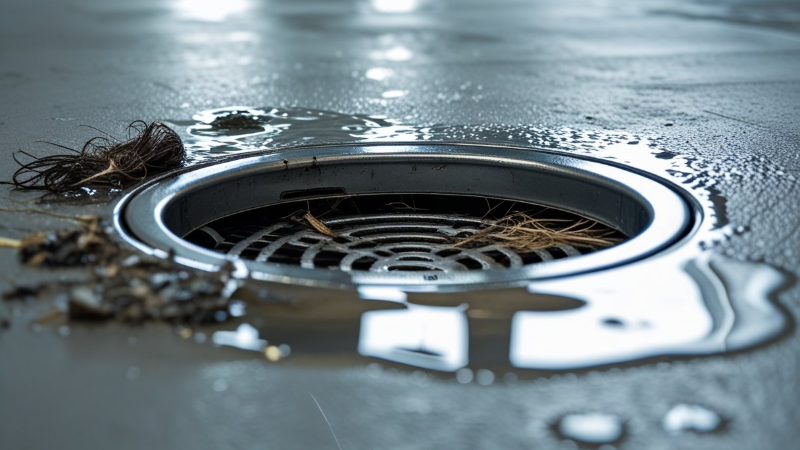
How to Handle a Clogged Floor Drain in Your Basement Easily and Effectively
A clogged floor drain in your basement can cause water to back up, leading to unpleasant smells and possible water damage. The best way to start is to pull out any visible debris, grab a plunger or drain snake, and try to clear the blockage yourself. After that, flush the drain with hot water—sometimes that’s all it takes. Most of the time, you can handle it without calling in professional help.
If these steps don’t work, it’s time to call a licensed plumber. Harris Plumbing, for example, has been helping homeowners in Barrie, Orillia, and Newmarket for over 51 years. Their experienced team knows how to clear stubborn clogs and keep basements dry—a real relief when the heavy rain hits.
It’s worth knowing how to react quickly to a clogged drain. Fast action can help you dodge expensive repairs. Regular checks and a bit of maintenance go a long way toward preventing blockages, especially in older homes or cottages.
Identifying a Clogged Basement Floor Drain
Catching a clogged floor drain early can make all the difference. If you’re familiar with the warning signs and what usually causes blockages, you’ll know what to do next.
Common Signs of a Clog
Water that drains slowly—or just sits there—when you use your basement sink, shower, or floor drain is a big red flag. Sometimes you’ll get a nasty smell, too. That’s usually from standing water letting bacteria and gunk build up.
Listen for bubbling or gurgling as water drains. That’s air fighting to get past a clog. If water starts backing up or pooling around the drain, stop using it to avoid a bigger mess.
Causes of Floor Drain Blockages
Most floor drains have a U-shaped trap that holds water to keep sewer gases out. If the trap dries out, you’ll notice bad smells. But most clogs happen because of a slow buildup of dirt, hair, soap, or other debris.
Tree roots can sneak into underground pipes, especially in older neighborhoods. If you live somewhere with hard water, mineral deposits might slow things down. And if you’ve got a sump pump, a failure there can send water right back up through the drain. Harris Plumbing has seen all these issues in Ontario homes.
Assessing the Severity of the Issue
Check if water just sits in the drain or drains really slowly. If you get fast backup or flooding, the clog is probably bad and needs attention now. With just slow drainage or odd noises, you might be able to handle it yourself.
Try a plunger gently or pick out visible debris. Skip harsh chemicals—they can wreck your pipes. If you’re not sure or if the problem keeps coming back, call a licensed plumber for a proper look. In Simcoe County and York Region, Harris Plumbing can get things flowing again.
Immediate Actions to Take
If your basement floor drain clogs, you want to move quickly to limit water damage. Cut off water sources nearby and take steps to protect your stuff. These quick moves buy you time until a pro can get there.
Preventing Water Damage
Clear out anything valuable or absorbent—furniture, rugs, whatever—from around the drain. Put down towels or buckets to catch any overflow.
If water’s already pooling, use a wet/dry vac or a mop to get it up fast. Standing water can mess up floors and walls, and nobody wants to deal with mould.
Watch for water sneaking in from walls or the floor. If you see it spreading, act fast to stop the flow and dry things out.
Shutting Off Nearby Water Sources
Turn off anything that sends water to the basement: sinks, washing machines, outside taps. That keeps extra water from piling into the clogged pipe.
If the clog’s really bad and water is coming back up, you might need to shut off your main valve. You’ll usually find it near the water meter or where the main pipe enters the basement.
Can’t figure it out or the water won’t stop? Just call Harris Plumbing—they’re set up to handle emergencies and have the right gear to get things under control.
DIY Methods for Clearing a Floor Drain
If your basement floor drain’s clogged, you’ve got a few handy options to try before you call someone. You’ll just need some basic tools and maybe stuff you already have at home.
Using a Plunger Effectively
Start by pulling off the drain cover and scooping out any debris you can see. Set the plunger over the drain and make sure it seals tight.
Give it several firm pushes and pulls for about 20 seconds. Sometimes that’s enough to knock loose a small clog.
If water starts moving, you’re in luck. If not, try again a couple more times. Don’t use harsh chemicals if you have a sump pump—they can ruin it.
Applying a Drain Snake
A drain snake is a flexible coil that you push into the drain to break up or pull out clogs. Feed it in slowly.
Turn the handle as you push further into the pipe. If you hit resistance, twist the snake to snag or break up the blockage.
Carefully pull the snake out, hopefully with some gunk attached. Run water to see if it’s clear.
Natural Cleaning Solutions
For milder clogs, you can go the natural route instead of chemical cleaners. Pour a cup of baking soda down the drain, then a cup of white vinegar.
Let it fizz for half an hour or so. Then flush with hot water to clear out whatever got loosened up.
Doing this once a week can help keep things clear. If it doesn’t work, you’ll probably need better tools or a pro from Harris Plumbing.
When to Call a Professional Plumber
Sometimes a clogged floor drain just won’t budge, or the signs point to something bigger. Don’t wait too long—persistent clogs or weird smells mean it’s time to get expert help. Knowing what to expect can make the whole process less stressful.
Warning Signs to Watch For
If water keeps backing up or drains at a snail’s pace, that’s a red flag. Bad odours or gurgling from the drain (or even other fixtures) are warning signs, too.
Clogs that keep coming back might mean you’ve got a bigger problem—roots, debris, or something deeper in the system. If you get flooding or water pooling near the drain, especially after rain or sump pump use, call a pro.
Leaving these problems alone can turn into water damage, mould, or even structural headaches. A licensed plumber can spot hidden issues before they get worse.
What to Expect During a Service Call
When you bring in Harris Plumbing or another pro, they’ll inspect your floor drain and pipes. They might use a camera to find exactly where the clog is and what’s causing it.
Depending on what they find, they’ll pick the best way to clear it—maybe a drain snake, hydro-jetting, or, in rare cases, replacing a damaged pipe section. You’ll get a clear explanation and a cost estimate before they start.
Once the clog’s gone, they’ll check for damage or root issues that could cause future trouble. They might even offer tips to keep things running smoothly. Service calls usually take anywhere from half an hour to a couple hours, depending on how stubborn the clog is.
Preventing Future Basement Drain Clogs
Keeping your basement drain clear isn’t rocket science. A little regular attention and good habits can save you a lot of hassle. It’s about maintenance, using screens, and not treating your drain like a trash can.
Routine Maintenance Tips
Take a look at your basement drain every few months. Pour hot water down to clear out soap and grease. Skip the harsh chemicals—they’re rough on pipes.
If you notice slow drainage, use a drain snake or auger to clear small clogs before they get worse. If your place is prone to drain issues, maybe set up a yearly inspection with a plumber. Harris Plumbing can help keep everything running smoothly.
Installing Drain Screens
A drain screen is simple but effective. It sits over the drain and catches hair, dirt, and other junk before it can cause trouble. Pick one that fits snugly—no gaps.
Reusable metal or silicone screens work well and are easy to clean. Just remember to clean them out once a week or after heavy use, so stuff doesn’t pile up.
Safe Disposal Practices
Don’t pour grease, oil, or big food scraps down your basement drain. Those things harden and clog pipes. Toss cooking fats in a sealed container and throw them out.
Skip flushing wipes, cotton balls, or paper towels—even if they say “flushable.” They can really mess up your plumbing. Stick to toilet paper. If you’re on a septic system or well water, following these rules keeps your whole setup safer.
Understanding Your Basement Drain System
Your basement drain system does a lot of heavy lifting to keep water out and prevent flooding. It takes water from around your foundation or appliances like sump pumps and gets it out of the house. If you know how it works, you’ll spot issues sooner.
Most basements have floor drains at the lowest points, so water flows down naturally. These connect to pipes that lead to your home’s main sewer line or, in rural areas like Barrie, Orillia, and Newmarket, a septic tank or well system.
The Ontario Building Code sets the standards for plumbing systems—things like venting and pipe slope matter, or you’ll get slow drainage and bad smells.
A quick rundown of the key parts:
| Part | Function |
|---|---|
| Floor drain | Collects water in basement floors |
| Drain pipes | Carries water to sewer or septic |
| Vent pipes | Allows air flow to prevent pressure |
| Trap | Holds water to block sewer gases |
If your floor drain clogs, water can back up and cause a mess. Harris Plumbing recommends regular checks, especially if you use sump pumps or have older pipes. If you know your system, you’ll know when it’s time to call a plumber.
Frequently Asked Questions
Dealing with a clogged basement floor drain can be a pain, but knowing a few steps and having the right tools can help. Here are some common questions and answers to get you back on track—or help you decide when to call Harris Plumbing.
What steps should I take to clear a basement drain that's backed up with water?
First, get rid of standing water with a wet vac or mop. Try plunging the drain to break up the clog. If that doesn’t cut it, a drain snake can reach deeper blockages.
What methods are effective for unclogging old basement floor drains?
With older drains, try a baking soda and vinegar mix, then wait about 20 minutes. Flush it with hot water. If that doesn’t work, a plumber’s snake is your best bet for stubborn clogs.
How can I prevent my basement drain from backing up during laundry cycles?
Keep your laundry drain pipes clear and make sure they’re vented right. Installing a backwater valve helps stop water from coming back in during storms or heavy use. It’s also smart to check your sump pump regularly.
What should I do if water seeps up through my basement floor drain after it rains?
That usually means your sewer or storm system is overloaded. Hold off on using water until it drains. Call a licensed pro like Harris Plumbing to check your sump pump and look for blockages.
Why is there sewage coming up through my basement floor drain, and how do I fix it?
Sewage backup is usually a sign of a blocked or damaged sewer line. Don’t use any more water—it’ll just make things worse. A licensed plumber can do a camera inspection and suggest repairs or a sewer line cleaning.
Is it normal to have water sitting in my basement floor drain, or should it be dry?
It's totally normal to see some water sitting in the trap of your basement floor drain—that's actually what keeps sewer gases from sneaking into your house. But if you notice water pooling above the trap, that's usually a red flag. It could mean there's a clog or some kind of drainage hiccup going on. Probably best to keep an eye on it so things don't get out of hand.