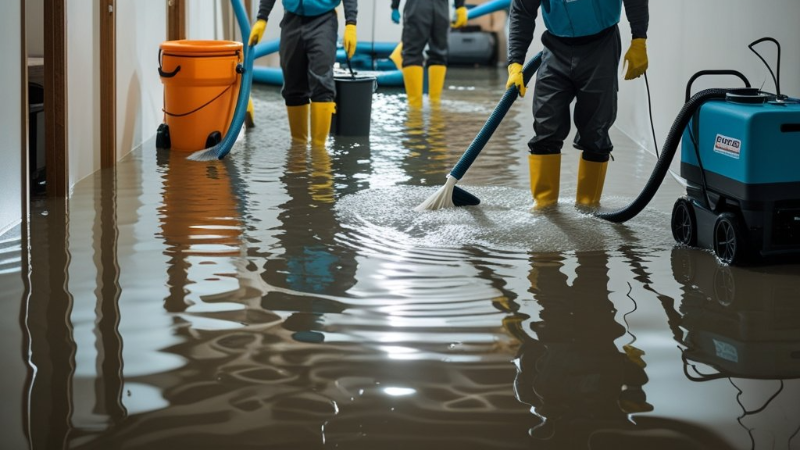
Basement Flood Cleanup Company Tips for Fast and Easy Restoration
If your basement floods, quick cleanup is key to reduce damage and stop mould from growing. A basement flood cleanup company helps remove water fast, dry your space, and protect your home from long-term harm.
This can save you money and stress later on. You want a team that knows how to handle flood repair properly, especially in places like Simcoe County or Muskoka where weather and water issues can be tough.
Experienced professionals use the right tools to fix leaks, install sump pumps, and restore your basement safely. By choosing a company with licensed plumbers who understand local conditions, you get reliable service that puts your home’s health first.
Keeping your basement dry and safe is easier when experts act quickly and carefully.
What Is a Basement Flood Cleanup Company?
A basement flood cleanup company helps you deal with water damage in your basement quickly and safely. They remove water, dry out the space, and stop problems like mould from growing.
Understanding their work can help you know when to call for help and what to expect.
Definition and Services Offered
A basement flood cleanup company is a team trained to handle water damage in basements. They use special tools to remove standing water fast.
After the water is gone, they dry walls, floors, and any wet materials to stop mould and rot. Their services include water extraction, drying, cleaning, and sanitizing your basement to remove harmful bacteria that floods can bring.
Some companies also repair minor damage or help protect your basement against future floods by checking your sump pump or drainage systems.
Why Professional Help Is Essential
When water floods your basement, you need to act fast. Professionals have the right equipment to remove water and dry everything properly.
If you try to clean it yourself, you might miss hidden moisture, which can cause mould and wood rot later. Experts also know how to spot damage to your home’s structure early.
They prevent small issues from becoming big, costly repairs. For peace of mind and safety, hiring a professional saves you time and reduces health risks.
Types of Basement Flooding
Basement flooding can come from different sources. The most common types are:
- Sump pump failure: Your sump pump might stop working during heavy rain or power loss, causing water buildup.
- Surface water flooding: Water flows into your basement from outside due to blocked drains or poor grading.
- Sewer backups: When sewer lines clog, contaminated water can back up into your basement.
Each type needs specific cleanup steps. Knowing the source helps the cleanup crew pick the best tools and treatment to protect your basement and your health.
Emergency Response Process
When your basement floods, you need to act quickly to prevent more damage. The process starts with checking the situation carefully, followed by removing the water safely.
Safety stays a key priority to protect your home and everyone involved.
Initial Assessment
The first step is a thorough inspection of your basement. This helps identify how much water is present and where it is coming from.
You’ll also want to check for damage to walls, floors, and electrical systems. A professional will look for potential hazards like structural weaknesses or mould growth.
This step guides the next actions and ensures nothing goes unnoticed. The faster this assessment is done, the sooner the clean-up work can begin.
Water Removal Procedures
Removing the water quickly stops further damage. Specialists use powerful pumps and wet vacuums designed for flooded basements.
This equipment can handle large volumes of water and even remove water from carpets and flooring. The process often involves several stages: first, draining standing water, then extracting moisture from hard-to-reach places.
High-powered fans and dehumidifiers dry the space thoroughly. Experts work carefully to avoid damaging your belongings while making sure the basement is completely dry.
Safety Precautions
Safety comes first during cleanup. Electricity and water are a dangerous mix, so the power to your basement is usually turned off before anyone starts work.
This reduces the risk of electrical shock. Technicians wear protective gear like gloves and boots to guard against contaminants in the water.
Flood water can carry bacteria, mould spores, and other hazards you want to avoid. They also ventilate the area to clear out any fumes and prevent mould.
During cleanup, keep children and pets away for their safety.
Comprehensive Cleanup and Restoration
When your basement floods, every step matters to get your home back to normal. This involves safely removing moisture, cleaning affected areas, and fixing any damage to walls, floors, and structures.
Proper care reduces the risk of mould and further problems.
Drying and Dehumidification
After water removal, drying your basement quickly is key. Professionals use high-powered fans and industrial dehumidifiers to remove moisture from walls, floors, and the air.
This stops mould growth and prevents damage to wood and drywall. The drying process can take several days, depending on how much water there was and the size of your basement.
It’s important not to rush this step to avoid hidden damp spots that can cause issues later. Monitoring moisture levels helps ensure the area is fully dry before moving on.
Cleaning and Sanitization
Flood waters often carry dirt and bacteria. Cleaning all surfaces thoroughly lowers health risks.
Surfaces like concrete or tile are scrubbed with disinfectants to remove germs. If your basement carpet or drywall is soaked, those materials might need removal since they can hold moisture and promote mould.
Your cleanup team will focus on sanitizing everything left behind, so your basement is safe for daily use again.
Structural Repairs
Water can weaken walls, floors, and foundations. Repairing this damage is crucial for safety and stability.
Professionals inspect your basement to find cracks, warped wood, or weakened drywall. Repairs may include patching holes, replacing damaged drywall, and fixing floor tiles or wooden beams.
Sometimes, waterproofing measures are also added to help protect your basement from future floods, especially if you live in areas like Aurora, Richmond Hill, and Stouffville where heavy rains are common.
Preventing Future Basement Floods
Keeping water out of your basement means focusing on the right barriers and proper water flow. You’ll want to make sure your basement walls are sealed, drains work well, and regular checks are done to catch problems early.
Basement Waterproofing Solutions
Waterproofing your basement is key to stopping leaks before they start. Applying sealants to cracks or porous walls helps block water from seeping in.
Interior waterproof membranes add a strong layer of protection on walls and floors. You can also consider exterior waterproofing.
This involves digging around your foundation to apply barriers and drainage that keep water away from your home. Combining this with a solid sump pump system gives extra security against heavy rains or high water tables.
Drainage System Upgrades
Improving your drainage system helps control where water goes around your home. Installing or upgrading gutters and downspouts to direct water far from your foundation is essential.
French drains or perimeter drains collect water and lead it away safely. Make sure these drains are clear of debris and functioning well.
A reliable sump pump is especially important in areas like Aurora, Richmond Hill, and Stouffville, as it removes water quickly if flooding starts.
Routine Maintenance Tips
Prevent basement floods with regular checks and simple upkeep. Inspect your sump pump twice a year, especially before wet seasons, to be sure it’s running smoothly.
Clear gutters and downspouts often to avoid water backing up near your house. Look for cracks in your foundation walls or floors and seal them promptly.
Keeping your drainage system free from leaves and debris helps water flow away from your home consistently.
By staying on top of these tasks, you reduce the chance of water damage and costly repairs.
Choosing the Right Basement Flood Cleanup Company
Finding a company that handles basement flood cleanup well can protect your home from damage and health risks. It is important to focus on companies with the right skills, credentials, and a good track record from previous customers.
Key Qualities to Look For
You want a company that responds fast and uses professional equipment to completely dry your basement. A team with experience in Barrie, Orillia, or Aurora is ideal—they understand local flooding causes and know how to prevent future damage.
Look for companies that offer clear pricing upfront to avoid surprises. They should also have a well-trained team that understands how to check for hidden water and moisture using meters, which helps prevent mould growth.
Make sure the company has proper insurance. This protects you if anything goes wrong during the cleanup process.
A reliable team will communicate clearly and ensure you understand every step.
Certifications and Training
Certified companies have staff trained in flood cleanup and water damage restoration. This means they follow safety guidelines and use proven methods to protect your home.
When hiring in areas like Barrie, Orillia, or Newmarket, look for technicians trained in moisture assessment and industrial drying. Certified professionals ensure your basement is restored safely and thoroughly.
Training also includes knowledge about preventing long-term damage and reducing health risks caused by contaminated water. Choosing a certified company means your basement will be cleaned effectively and safely.
Customer Reviews and Testimonials
Checking reviews gives you real feedback on how well a company performs. Look for customers in your area, like Aurora, Richmond Hill, and Stouffville, who had similar flood problems.
Positive testimonials often mention quick response times, effective cleanup, and honest communication. Pay attention if customers felt their home was fully dried and restored without hidden moisture left behind.
If many reviews highlight professionalism and respect for the home, you can feel confident in choosing that company. Reviews help you avoid poor service and select a trusted local expert.
Cost Considerations
Knowing what impacts the price of basement flood cleanup helps you plan your budget and avoid surprises. Several key factors drive costs, how your insurance might help, and the best way to get a clear estimate from a company.
Factors Affecting Pricing
The cost depends mostly on how much water damage there is and how large the affected area is. If the flood has brought in dirty or contaminated water, cleanup will take more work and cost more.
Other things that affect price include:
- Severity of damage: More repairs and replacement of materials mean higher costs.
- Mold remediation: If mold has started, it adds to cleanup and repair expenses.
- Type of materials: Some surfaces or structures cost more to fix or replace.
- Emergency services: Fast response or after-hours cleanup may have extra fees.
In Ontario, basement flooding around cottages or rural homes may also need special care for well pumps or septic systems, which can increase the price.
Insurance Coverage Explained
Many home insurance policies cover water damage from flooding, but coverage limits and conditions vary. Your policy might pay for cleanup and repairs only if the flooding wasn’t caused by a failure to maintain your property.
You should check if your insurance covers:
- Sump pump failure or backup
- Storm or natural causes
- Contamination issues, like sewage backup
Some policies require you to pay a deductible before insurance covers the rest. It’s a good idea to contact your insurance company early to understand what you can claim.
Getting an Accurate Estimate
To get a clear price for basement flood cleanup, invite a trusted company to assess the damage in person. Estimates vary widely without a proper inspection due to differences in damage extent and specific cleanup needs.
When you ask for a quote, make sure it includes:
- Water removal and drying costs
- Mold inspection and treatment
- Repairs or replacement of damaged materials
- Any extra fees for emergency or after-hours service
A detailed, written estimate protects you and helps avoid hidden fees later. Ask if the company offers a guarantee of quality workmanship, which is important for lasting repairs.
Common Challenges in Basement Flood Cleanup
Dealing with a flooded basement brings several challenges you need to understand. One of the biggest problems is removing standing water quickly.
Water left too long can damage floors, walls, and belongings, and it can lead to mold growth. Another challenge is finding the source of the water.
It might be heavy rain, plumbing leaks, or a sump pump failure. If you don’t fix the cause, the problem could happen again soon.
Drying out the basement is not as simple as it sounds. You need to remove moisture from the air and surfaces to stop mould.
This often means using special drying equipment and careful monitoring. You might also run into damage to electrical systems or personal items.
Wet outlets and appliances can be dangerous, so you must be cautious before starting cleanup.
Here’s a quick list of challenges to keep in mind:
- Water removal speed
- Identifying water entry points
- Preventing mould growth
- Drying out all damp materials
- Managing electrical hazards
- Protecting valuable belongings
If you live in Ontario, like in Aurora, Richmond Hill, and Stouffville, you might face issues unique to the area. For example, sump pumps often fail in heavy rain seasons, making it hard to avoid flooding.
Understanding these challenges helps you prepare for a quicker, safer cleanup.
Environmental Impact and Safety
When you choose a basement flood cleanup company, think about how their work affects the environment. Proper disposal of water and waste prevents pollution.
Across Aurora, Richmond Hill, and Stouffville, cleanup professionals work under strict environmental standards to protect nearby waterways. Maintaining safety during every step of the process is equally essential.
Floodwater can carry harmful bacteria and chemicals. Professionals use protective gear to keep themselves and your home safe.
Here are some common safety measures you can expect:
- Wearing gloves, masks, and boots
- Using equipment that prevents mold growth
- Properly removing contaminated materials
Environmental care means using eco-friendly cleaning products. These products reduce harmful chemicals in your home and the surrounding area.
Some companies recycle water or treat it before disposal to limit waste. By hiring trained experts, you help protect your family’s health and support local water protection efforts.
This is especially important in places like Aurora, Richmond Hill, and Stouffville, where clean water is a priority.
Contacting a Basement Flood Cleanup Company
When your basement floods, contact a professional cleanup company quickly. Fast action limits damage and helps start the drying process right away.
Have all the information ready before you call. Note when the flooding started, the water source, and any visible damage.
Taking photos and notes can help speed up the process. A good cleanup company will explain each step, from water removal to drying and sanitizing.
Ask about their experience with sump pumps and water systems typically found in homes across Aurora, Richmond Hill, and Stouffville. Here are some helpful questions to ask before hiring:| What to Ask | Why It Matters |
|---|---|
| Are your technicians licensed journeyman plumbers? | Ensures you get expert, certified help |
| Do you offer upfront pricing? | Helps avoid surprises during billing |
| How soon can you start cleanup? | Fast action reduces long-term damage |
| Do you handle mold prevention and cleanup? | Keeps your basement safe and healthy |
Keep children and pets away from the flooded area until cleanup is complete. If you notice structural issues like cracks or shifting, mention this right away.
The company may suggest getting a licensed professional for a full assessment. Contacting a trusted cleanup company in regions like Aurora, Richmond Hill, and Stouffville means you’re working with experts who know local challenges.
This gives you peace of mind while restoring your home.
Frequently Asked Questions
Basement floods can cause serious damage to your home. Knowing how to find the right help, what costs to expect, and how insurance works makes the process smoother.
How can I find a reputable basement flood cleanup company near me?
Look for companies with strong local ties and good reviews in your area, such as Aurora, Richmond Hill, and Stouffville. Choose a business owned and operated by experienced, licensed professionals.
A family's long-term presence in the community often means reliable and caring service.
What are the typical costs associated with a professional basement flood clean-up?
Costs vary depending on the amount of water, damage, and necessary repairs. Expect fees for water extraction, drying, and mold treatment.
An upfront, clear estimate helps you understand what you will pay.
Is it possible to perform a basement flood cleanup by myself, and what should I consider?
You can handle small floods yourself if the water is clean and shallow. Safety, proper drying, and mold prevention are key challenges.
Large floods usually require professional equipment and experience to avoid long-term damage.
What's the average cost for restoring a basement after water damage?
Restoring a basement typically costs more than cleanup alone. It includes repairing walls, flooring, and possibly electrical or plumbing work.
Costs depend on the damage’s extent and materials needed.
What should I look for when choosing a basement restoration company?
Choose a company with licensed technicians and clear communication. They should offer a workmanship guarantee and transparent pricing.
Experience with local conditions, such as cottage plumbing or sump pumps, is a plus.
What aspects of basement flooding are typically covered by homeowners' insurance policies?
Homeowners' insurance may cover water damage that happens suddenly or by accident. Most policies do not cover flooding from natural sources, such as heavy rain.
You should review your policy carefully. Consider getting extra coverage or flood insurance if you need more protection.