When To Schedule A Professional Drain Camera Inspection Tips For Early Problem Detection
A drain camera inspection can save you time, money, and a whole lot of stress by showing exactly what’s happening inside your pipes. You’ll want to schedule a professional drain camera inspection if you notice slow drains, frequent clogs, or foul smells coming from your drains. These signs usually point to blockages, damage, or maybe even tree roots sneaking into your pipes—stuff you can’t see without the right tools.
If you keep running into drain problems or live in a rural spot with a septic system near Barrie or York Region, a camera inspection can help you catch issues before they get expensive. Harris Plumbing’s team uses these inspections to pinpoint the real problem, so you can make smart choices about repairs or maintenance.
Whether it’s your home, cottage, or business, knowing the true condition of your drains helps you stay ahead of surprises and keeps your plumbing running as it should.
What Is a Professional Drain Camera Inspection?
A professional drain camera inspection uses specialized equipment to look inside your pipes. This method finds clogs, damage, or other problems—no need to tear up your yard or floors. You’ll get a sense of how the inspection works, the tech involved, and why calling in a pro like Harris Plumbing is worth it.
Overview of the Process
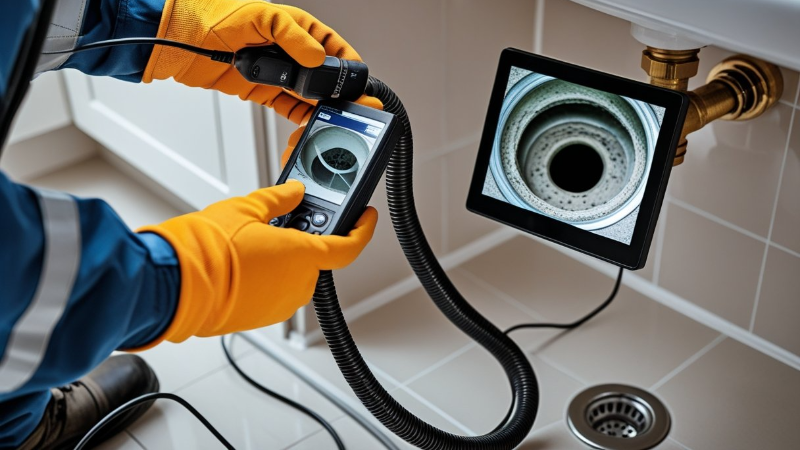
The plumber feeds a small, waterproof camera on a flexible cable into your drain. Live video pops up on a monitor, giving a clear view inside the pipe. It’s easy to spot blockages, cracks, or roots this way.
No more guessing games. The camera helps your plumber zero in on problem spots quickly, which saves time and usually means lower repair costs since they know exactly what needs fixing.
Usually, the whole thing wraps up in less than an hour. When it’s done, your plumber will explain what they found and show you the video, so you actually see what’s going on in your drains.
Types of Drain Camera Technology
Not all drain cameras are the same. Snake cameras are long and flexible—great for squeezing through narrow pipes or tight bends. Push cameras come with bright lights for clear footage, even in the darkest pipes.
Some cameras have locator signals, so your plumber can mark the exact spot of a problem from above ground using a receiver. That’s a lifesaver if you want trenchless repairs or don’t want to wreck your landscaping.
High-definition (HD) cameras offer sharp images, making it easier to spot tiny cracks or early corrosion before things get worse.
Benefits of Choosing Professional Services
When you go with Harris Plumbing, you’re getting licensed journeyman plumbers who actually know how to read camera footage. They’ve seen it all and can recommend real fixes based on years of experience serving homeowners across Barrie, Orillia, Newmarket, Aurora, and surrounding Ontario communities.
A professional inspection can help you dodge nasty surprises. It keeps you from digging up pipes for no reason or missing hidden damage that could lead to future leaks.
You’ll also get a detailed report with clear visuals, which comes in handy if you need to plan repairs or talk things through with your insurance company or a home buyer.
And honestly, just knowing your plumbing’s in good hands is a relief.
Why Schedule a Professional Drain Camera Inspection?
Knowing when to check your drains with a camera lets you catch problems early. It’s a straightforward way to spot blockages, figure out why issues keep coming back, and stop small stuff from turning into big, expensive headaches.
Detecting Hidden Blockages
Sometimes blockages hide deep in your pipes where you’d never see them. A drain camera inspection lets a pro take a good look inside. They’ll find stubborn clogs made of grease, hair, or tree roots that slow everything down.
If you notice slow drains or weird smells, a camera inspection can pinpoint the exact spot causing trouble. That means a faster fix and less chance of things getting worse. Harris Plumbing’s team uses these cameras to save you from ripping up your yard or breaking through walls.
Pinpointing Recurring Drain Issues
If your drain clogs keep coming back, there’s usually something going on beneath the surface. Drain cameras reveal cracks, sags, or roots that have invaded your pipes—stuff you’d never spot without special gear.
Once you know what’s really behind the problem, you can skip the band-aid fixes and get to the heart of it. You’ll see exactly what needs to be repaired or replaced, which helps prevent bigger messes from old or crushed pipes.
Preventing Major Plumbing Problems
Small drain issues can quickly spiral into major disasters if you ignore them. A camera inspection helps spot cracks, leaks, or corrosion before you end up with backups or flooding.
Putting off inspections can mean emergency repairs and water damage that nobody wants to deal with. Regular checkups from pros help keep your plumbing healthy. Harris Plumbing offers this service to protect homes in Aurora, Richmond Hill, and Stouffville from ugly plumbing failures.
Best Times to Book a Drain Camera Inspection
Timing matters if you want to avoid big plumbing bills. Catching problems early is the name of the game. You might want to book an inspection if you’re dealing with stubborn clogs, planning to buy or sell property, or have recently had a sewer backup.
During Persistent Drain Clogs
If your drains keep clogging up, that’s a clear sign you need a camera inspection. With a camera, your plumber can see exactly what’s blocking the pipes—grease, tree roots, debris, you name it. Much better than guessing or dumping harsh chemicals down the drain.
Getting ahead of the problem means fewer clogs and less money spent on repairs. Plus, it’s less hassle for your daily routine. Harris Plumbing uses advanced cameras to find issues fast, so you get the right fix right away.
Before Buying or Selling a Property
Thinking of buying or selling a home or cottage? A drain camera inspection is a smart move. It uncovers hidden plumbing problems that a regular home inspection might miss. Knowing the true state of the drains can save you from nasty surprises later.
As a buyer, you’ll know what you’re getting into. As a seller, you can fix things ahead of time and avoid last-minute negotiations. It’s especially useful for older homes or rural places with septic systems.
After Experiencing Sewer Backups
Had a sewer backup? Don’t wait—schedule a camera inspection ASAP. Backups can wreck floors, walls, and even contaminate your home. A camera will show if the culprit is a blockage, pipe damage, or roots.
Finding the problem quickly lets your plumber target the repair, which means fewer backflows and less risk to your property. Harris Plumbing’s licensed pros can check your pipes thoroughly and recommend fixes that actually work.
Warning Signs That Indicate It's Time for an Inspection
Sometimes your drains are basically shouting for help. Slow water flow, weird noises, and bad smells are all red flags. Catching these early can save you a ton of trouble (and money) down the road.
Unexplained Slow Drains
If your sink, shower, or tub drains slowly and there’s no obvious reason, you might have a blockage deep in the pipes. Grease, hair, and debris tend to build up over time, causing these slowdowns.
You probably won’t see this kind of clog, and a plunger won’t always do the trick. A professional drain camera inspection can show exactly what’s wrong and where it’s happening.
Delaying can lead to backups or even pipe damage. During Barrie and Orillia’s harsh Ontario winters, blockages can quickly turn into frozen pipes or leaks. Whether you’re in Aurora, Richmond Hill, and Stouffville, it’s always easier to get your plumbing checked early.
Frequent Gurgling Noises
If you hear gurgling sounds from your drains or toilet, air’s probably trapped or water isn’t flowing right. This usually means the drain vent’s blocked or pipes are partially clogged.
These noises mean water is struggling to move through your system. Over time, trapped gases can also lead to nasty smells or even corrode your pipes.
A drain camera inspection can quickly find the source. Fixing it early protects your plumbing and saves you from bigger headaches—especially in places like Barrie or Muskoka where the weather can mess with your pipes.
Bad Odors from Drains
If your drains smell foul or like sewage, there’s probably a buildup of waste or stagnant water somewhere in the system.
These smells might be from trapped food, grease, or even broken pipes leaking sewer gases into your home. Not only is this gross, but it’s also a health risk.
A professional inspection with a drain camera can help find exactly where the smell’s coming from. Harris Plumbing often recommends this for clients in Aurora, Richmond Hill, and Stouffville who want their homes to stay safe and fresh.
Jumping on these signs early keeps your plumbing system healthy and protects your property from bigger issues.
Routine Maintenance and Preventative Inspections
Keeping your drains in good shape means checking them before problems pop up. Inspections help you spot blockages, roots, or pipe damage early. Knowing when to schedule these checks really does save you money and hassle down the line.
Annual Drain Inspection Recommendations
Aim to have a professional drain camera inspection at least once a year. This yearly check helps you find hidden clogs, corrosion, or cracks you’d never spot otherwise.
If you’re in places like Simcoe County or Muskoka, where soil and tree roots can wreak havoc, an annual inspection is even more important. It’s a smart way to avoid slow drains, backups, and expensive repairs.
Homes with septic systems or older plumbing especially need yearly inspections to keep things running smoothly. Harris Plumbing offers reliable annual checks to help keep your system in top shape.
Seasonal Considerations for Homeowners
Some seasons are rougher on your drains than others. Spring thaw or heavy autumn rains can send debris into outdoor drains, and freezing winters might crack your pipes.
It’s a good idea to plan inspections around these times, so you catch problems caused by the weather. Before winter, a drain camera inspection can spot cracks that might lead to freezing.
If you’ve got a cottage or rural property in Aurora, Richmond Hill, and Stouffville, seasonal checks before and after heavy use are smart. It helps keep everything—from well pumps to septic systems—working year-round. Scheduling seasonally means your plumbing can handle whatever the weather throws at it.
Choosing the Right Plumbing Professional
Picking the right plumber for your drain camera inspection matters. You want someone who communicates well and knows what they’re doing. It’s about finding a pro who understands your needs and can prove their expertise.
Questions to Ask Your Plumber
Before you book, ask a few basics: How long have you been doing drain camera inspections? Have you worked on systems like mine—maybe a cottage or a York Region home? What kind of equipment do you use, and how do you explain the results?
Be sure to ask about pricing and whether you’ll get a clear estimate upfront. Also, check if they offer follow-up services, like repairs or cleaning. These questions help you find someone you can trust to give you straight answers.
Certifications and Credentials to Look For
Look for plumbers who are fully licensed journeyman—that means they’ve passed technical and practical tests. This is key since drain camera inspections require real skill to diagnose problems correctly.
Check if your plumber is insured and bonded, too. That protects you if anything goes wrong. Membership in professional associations is a bonus and shows they keep up with the latest standards. A plumber with these credentials is way more likely to deliver quality service and give you peace of mind.
Harris Plumbing, for example, has licensed journeyman plumbers and over 51 years serving Ontario. They offer trusted expertise if you need help in Simcoe County or Muskoka.
Preparing for a Drain Camera Inspection
Getting ready for a drain camera inspection doesn’t take much, but a little prep goes a long way. You’ll want to know what to expect so the process goes smoothly.
Steps Homeowners Should Take
Before the technician shows up, clear the area around the access points to your drains. This could mean under sinks, floor drains, or outdoor cleanouts. Make sure these spots are easy to get to.
Turn off any water-using appliances nearby to avoid interruptions. If you’ve had ongoing problems, jot down when you noticed them or any patterns. That info helps the plumber focus on trouble spots.
Check if the plumber from Harris Plumbing needs special access, like to a basement or crawlspace. Planning ahead keeps things on schedule.
What to Expect During the Service
The plumber will feed a small waterproof camera into your drain line. You’ll see live video of your pipes on a monitor—sometimes it’s weirdly fascinating to watch.
The inspection usually takes about 30 to 60 minutes, depending on the pipe length and what they find. They’re looking for blockages, cracks, roots, all the usual suspects.
After the inspection, the plumber will explain what they saw and suggest next steps. You’ll get clear info about any repairs or cleaning you might need. It’s all about helping you make the right call for your home’s plumbing.
Understanding the Inspection Report
After a drain camera inspection, you'll get a report showing what’s really going on inside your pipes. It’ll outline any blockages, damage, or buildup the camera spotted. Instead of guessing, you’ll know what needs fixing to keep your plumbing running smoothly.
Common Findings in Drain Camera Inspections
Most reports highlight a few usual suspects:
- Clogs: Hair, grease, or random debris can slow—or totally block—water flow.
- Tree Roots: Roots love sneaking into pipes, causing cracks or blockages.
- Pipe Damage: Cracks, breaks, even collapsed spots that need attention.
- Corrosion: Rust and decay, especially in older metal pipes, can weaken everything.
- Misaligned Pipes: Shifts or sags mess with drainage and can cause leaks.
You might also see notes about slow drainage from gradual buildup. Harris Plumbing takes this info and lays out what’s actually wrong and what repairs make sense, whether you’re in Barrie, Muskoka, or somewhere in between.
Next Steps After the Inspection
Once you’ve got the report, it’s decision time. Depending on what turned up, you might need:
- Cleaning: Clearing out clogs or buildup.
- Repairs: Fixing cracks, replacing broken sections, or sealing leaks.
- Root Removal: Cutting and treating roots that have invaded.
- Pipe Replacement: Sometimes, if pipes are too far gone, replacement’s the way to go.
Harris Plumbing will walk you through pricing and explain every step, so you’re not left guessing. Honestly, tackling repairs sooner rather than later just saves headaches (and money) down the road.
Cost Factors of Drain Camera Inspections
Drain camera inspection costs can swing quite a bit. It depends on a bunch of things, and knowing what affects the price helps you make smarter choices for your plumbing needs.
What Influences Pricing
A few things drive the price: the size and length of the pipe, for starters. Deeper or longer pipes take more time and sometimes special gear, which bumps up the cost. The type of plumbing system matters too—residential, cottage, commercial—they’re all a bit different, and some are just trickier to inspect.
Where you live plays a part. If you’re out in a rural area and the plumber’s coming from Barrie, there’s probably a dispatch fee to cover travel and time. If you end up needing repairs or extra services after the inspection, expect those to be added on.
Tips to Maximise Value
Want to get the most out of your inspection? Try booking during regular business hours to dodge after-hours fees. Give a heads up about what’s going on with your plumbing so Harris Plumbing can bring the right tools and plan things out.
If you’re already thinking about other work—say, a sump pump check—ask about package deals. Bundling services can save you both time and cash. And honestly, a little regular maintenance goes a long way. Catching problems early means fewer inspections (and costs) in the long run.
Frequently Asked Questions
Not sure when to book a camera inspection? Or what it’ll cost? Or if you even need one? Here are some real-world questions people ask about sewer camera inspections.
What signs indicate the need for a sewer scope inspection?
Look out for slow drains, stubborn clogs, or weird smells from your pipes. Water backing up in sinks or toilets is a big red flag. Sometimes, cracks or roots are hiding out of sight, and only a camera will catch them.
Can you tell me the average cost of a sewer line camera inspection?
In areas like Barrie, Newmarket, and Aurora, you’re usually looking at $250 to $500 for a professional inspection. It depends on pipe length and how tricky the job is. Harris Plumbing lays out the pricing upfront for homeowners across Aurora, Richmond Hill, and Stouffville, so you don’t get hit with surprises.
At what point should I consider adding a sewer camera inspection to my maintenance routine?
If your place is over 10 years old or you’re on a septic system, it’s probably time to book an inspection. Big storms or signs of a blockage? Don’t wait. Regular checks are way cheaper than major repairs.
How often should a sewer line be inspected with a camera?
For most homes, every 2-3 years is a safe bet. If you’ve got a septic tank or older pipes, once a year isn’t overkill. Seasonal cottages in Muskoka or rural spots might need even more frequent checkups—weather can be rough on pipes.
What are the benefits of using a camera for a drain inspection?
Cameras spot hidden problems—cracks, blockages, root growth—that you’d never see otherwise. Plumbers can fix the real issue without tearing up your yard. It’s less mess, less money, and a lot less hassle.
What should I expect during a professional drain camera inspection process?
So, here’s how it goes: a plumber takes a small camera attached to a flexible cable and threads it through your drain or sewer line. You’ll usually see the live video feed pop up on a monitor, letting them catch problems as they go. It’s not a long ordeal—most of the time, they’re in and out in under an hour, and there’s really no mess or digging involved.