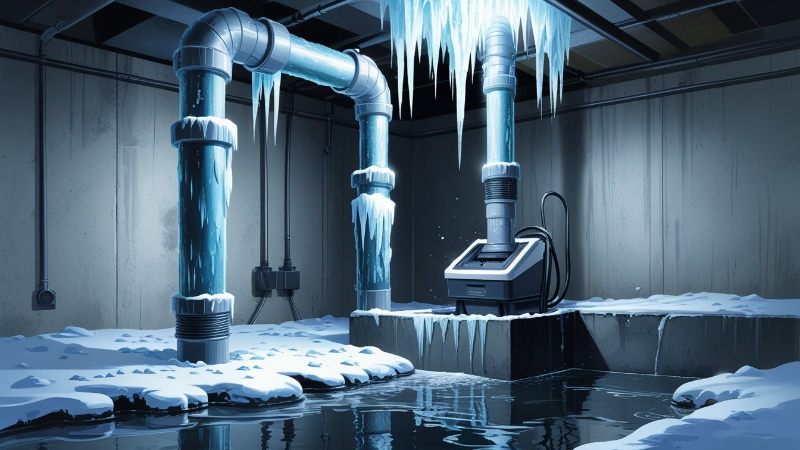
Why Frozen Discharge Pipes Cause Sump Pump Failure And How To Prevent It
When winter hits Ontario, frozen discharge pipes can spell disaster for your sump pump. Ice blocks the pipe, stopping water from escaping, which makes the sump pump work overtime or just quit. Suddenly, you’re dealing with basement flooding and expensive repairs.
The trouble often sneaks up on you—frozen pipes usually happen outside, near your home’s foundation, and you might not realize there’s a problem until water is already backing up. In Barrie, Muskoka, and other chilly spots, this is just part of winter. Harris Plumbing has seen plenty of folks caught off guard by a simple ice jam that leaves their sump pump useless right when they need it most.
So, why do frozen pipes mess up sump pumps? If you live in a rural area or have a cottage near Lake Simcoe, it’s worth understanding. It’s one of those things that, once you know, you can’t help but keep an eye on. And if you ever need help, Harris Plumbing’s licensed journeyman plumbers cover all of York Region with honest advice and repairs.
How Sump Pump Discharge Pipes Work
A sump pump’s main job? Get water out of your basement or crawl space and send it far from your house. The discharge pipe is the route that water takes to escape. Once you know how this pipe works, it’s easier to see why freezing becomes a headache.
Overview of Discharge Pipe Function
The discharge pipe hooks up to your sump pump’s outlet. When the pump kicks in, it pushes water through the pipe and out, well away from your foundation. That’s what keeps your basement dry.
Usually, the pipe runs from your basement wall or floor and exits at ground level or underground. It needs to move water fast—otherwise, you risk backups. If water gets stuck, the pump strains, and that’s when things start to go wrong.
Importance of Proper Water Flow
You want water moving freely through the discharge pipe—no blockages. If the pipe freezes or clogs, water has nowhere to go. The pump ends up running longer or just gives up.
When water can’t move, pressure builds in the pipe. This strains the pump’s motor, making it overheat or break down. You really want that pipe clear, especially during Ontario’s deep freeze.
Key Components of the Discharge System
A typical discharge system includes:
- Discharge pipe: Usually PVC, built to move water out fast.
- Check valve: Stops water from flowing backward into the sump pit.
- Pipe insulation: Helps prevent freezing.
- End outlet: Where the water exits, away from your foundation.
Each part matters for keeping water flowing. Harris Plumbing’s team in Simcoe County always recommends proper installation and winterizing these parts so your sump pump doesn’t leave you in the lurch.
What Causes Discharge Pipes to Freeze
Discharge pipes freeze when temperatures drop, insulation is lacking, or pipes are placed where cold air hits them. Any of these can block water flow and cause your sump pump to fail.
Low Temperatures and Weather Conditions
Ontario winters—especially in Barrie or Orillia—can plunge well below freezing and stay there. Water inside the pipes turns to ice, especially if snow and ice pile up around them.
Long cold snaps make things worse. Wind chill can freeze pipes even if the thermometer only dips a little below zero. Without enough warmth to keep water moving, ice forms, and the pump can’t do its job.
Poor Pipe Insulation
Pipes without proper insulation freeze easily. Insulation keeps pipes just warm enough to stop ice from forming. In Simcoe County and Muskoka, a lot of homes have old plumbing where insulation’s missing or worn out.
Check if your pipes are wrapped with insulation rated for cold weather. Foam sleeves or heat tape can make a big difference. Harris Plumbing suggests regular inspections to keep insulation in good shape. Without it, freezing happens more often and repairs get expensive.
Incorrect Pipe Positioning
Where you run your discharge pipes matters. Pipes along outside walls or barely underground freeze faster. If pipes aren’t sloped right or have dips, water sits and freezes.
It’s better to run pipes inside walls or basements if you can. Outdoor pipes should be buried deep—at least 1.2 metres in Ontario. Slope them so water drains out quickly, reducing the risk of freezing.
Cottages and rural homes often have pipes set up for summer, but winter’s a different story. Harris Plumbing’s licensed journeyman plumbers can check your setup and suggest fixes if freezing’s a problem.
Why Frozen Discharge Pipes Lead to Sump Pump Failure
When discharge pipes freeze, your sump pump faces a bunch of problems: blocked water flow, extra strain on the motor, and the risk of water backing up and flooding your basement. Each of these can leave your sump pump useless—or worse.
Blocked Water Flow and Pump Overload
A frozen pipe blocks the sump pump’s only way out. Water can’t leave the pit, so the pump keeps running, trying to push it through. This overworks the pump.
If the ice doesn’t melt, the pump might run nonstop, get hot, and wear out way too soon. Sometimes the motor just burns out, and you’re stuck without a working pump during a storm or thaw.
Increased Pressure on Pump Motor
Frozen pipes build up back pressure in the system, pushing against the pump’s motor. The motor isn’t built for that kind of stress. Seals and bearings can break down.
If this happens over and over, the motor might seize up. In Barrie or Muskoka, with their brutal winters, this is a real risk. Insulation and quick repairs help, but if your pipes freeze a lot, you’ve got a problem.
Risks of Backflow and Flooding
When ice blocks the pipe, water backs up into your sump pit—and sometimes your basement. Backflow happens because the water can’t get out, so it finds its way back in.
Flooding can wreck your floors, walls, and furniture. It also creates damp spots where mould can grow, which isn’t great for anyone’s health. In places like Newmarket or Aurora, where heavy snow and freeze-thaw cycles are routine, frozen pipes make backflow flooding more likely.
Signs and Consequences of Frozen Discharge Pipes
Frozen discharge pipes can leave your sump pump useless and cause real damage at home. You might hear weird noises or spot water backup, and if you ignore it, repairs get expensive fast.
Symptoms of Frozen Pipes
If your discharge pipe’s frozen, the sump pump might run nonstop—or not at all. Sometimes you’ll hear banging or gurgling from the pipe.
Water pooling near your sump pit or on the basement floor is a red flag. That’s water with nowhere to go because of ice.
If you check outside and see the discharge line looking stiff or covered in ice, that’s a clear sign it’s frozen and needs fixing right away.
Potential Water Damage Risks
When water can’t escape, it backs up and floods your basement or crawl space. This can ruin drywall, flooring, and insulation, plus encourage mould.
Flooding can also wreck appliances and electrical systems, which isn’t just expensive—it’s dangerous. In Ottawa, Barrie, or Muskoka, where winters are harsh, the risk is even higher if you don’t keep up with insulation or maintenance.
Water damage gets worse fast, so don’t wait to deal with it.
Costly Repairs and System Downtime
Blocked pipes make the sump pump wear out quicker or break. Fixing or replacing a sump pump isn’t cheap—especially if you need emergency help in Newmarket or Richmond Hill during winter.
Frozen pipes can also crack or burst, leading to even pricier plumbing repairs and cleanup.
While repairs are happening, you might go days—or longer—without a working sump pump, leaving your basement at risk.
Regular inspections from trusted experts at Harris Plumbing can catch these issues early and save you a lot of hassle.
Preventing Frozen Discharge Pipes
Want to keep your sump pump working all winter? Focus on keeping discharge pipes warm, installing them right, and checking them before the cold sets in. It’s not rocket science, but it makes a big difference.
Insulating and Heating Solutions
Start by wrapping discharge pipes with foam sleeves or pipe wrap meant for outdoor use. That keeps cold air out and stops ice from forming. Heat tape or heating cables work well, especially where frost hits hard.
Just make sure any heat cable is rated for outdoor plumbing. Plug-in heat cables kick in automatically when it gets cold, protecting pipes during deep freezes.
If you’re in Muskoka or Simcoe County, where winters are brutal, use both insulation and heat cables. Harris Plumbing swears by this combo to keep pipes—and sump pumps—working.
Proper Pipe Installation Techniques
How you install discharge pipes matters a lot. Pipes should slope steadily away from your house so water drains out—no puddles inside the pipe.
Avoid long horizontal runs; water just sits and freezes. Use shorter runs and, if you can, keep the line above ground. If it has to go underground, bury it below the frost line (about 1.2 to 1.5 metres deep in Ontario).
Bigger pipes move water better, so consider upsizing to reduce ice risk. Harris Plumbing’s licensed journeyman plumbers in York Region can help set things up right.
Seasonal Maintenance Tips
Before winter, check your discharge pipes for cracks, gaps, or missing insulation. Fix or replace damaged sections right away.
Flush the system to clear out debris. Make sure heat cables work and change batteries if you’ve got a backup heater.
Keep the outdoor discharge point free of snow and ice. Clearing the exit helps drainage and keeps water from backing up.
Doing these checks every fall in Barrie or Newmarket goes a long way toward keeping your sump pump running.
Frequently Asked Questions
Frozen discharge pipes can stop your sump pump cold by blocking water flow. Knowing how to prevent freezing, add insulation, and use freeze guards keeps things running through winter.
How can I prevent my sump pump discharge pipe from freezing in the winter months?
Keep water moving through the pipe as much as possible. Make sure it slopes away from your home and drains well. Clear snow and ice from the discharge area when you can.
What are the steps to properly insulate a sump pump discharge pipe against cold weather?
Wrap the pipe with foam insulation or heat tape. Cover that with waterproof tape or plastic to keep moisture out. Pay extra attention to exposed or above-ground pipes.
Is a freeze guard necessary for sump pump systems, and how does it work?
A freeze guard can be a lifesaver in cold places like Ontario. It fits around the discharge pipe to keep water moving and stop ice from forming. Some have heaters built in, others rely on insulation.
Can a frozen discharge pipe outside lead to sump pump failure, and how?
Absolutely. A frozen pipe blocks water from escaping, so it backs up into the sump pit. The pump runs longer or stops working, and you could end up with a flooded basement.
What are common methods for fixing a frozen sump pump pipe outdoors?
Try pouring warm water over the pipe or carefully use a heat gun to melt the ice. Don’t use sharp tools—they can damage the pipe. If pipes freeze often, it’s probably time to call a licensed journeyman plumber in Simcoe County or Muskoka.
Why is it important to have a properly installed sump pump freeze guard?
If you want your sump pump to survive Ontario’s brutal winters, you really need a freeze guard that’s actually installed right. It covers those exposed pipes that usually get overlooked, keeping blockages at bay and helping your system avoid those frustrating cold-weather failures. Folks at Harris Plumbing in York Region swear by this—honestly, it’s the only way to keep your sump pump working when you need it most.