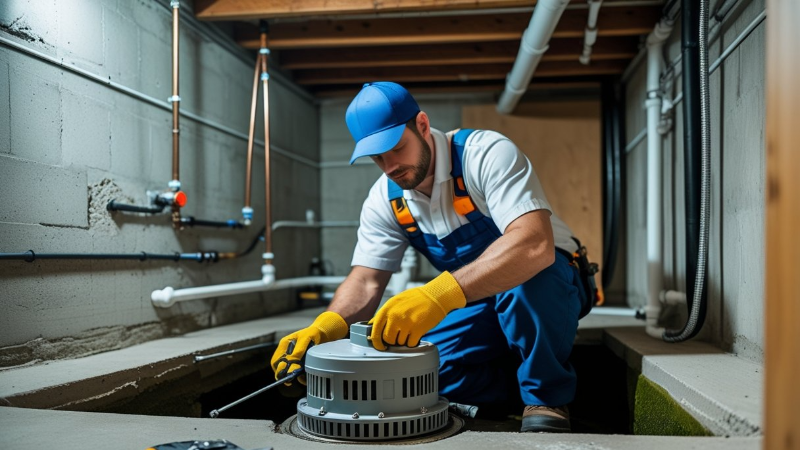
When to Replace a Sump Pump Battery Backup Tips to Keep Your Basement Dry
Knowing when to swap out your sump pump battery backup is crucial if you want to avoid basement floods and expensive headaches. Most sump pump battery backups need a new battery every 3 to 5 years to actually work when you need them. If the battery’s weak, well, your pump might just let you down during a blackout or a big storm.
Your sump pump itself might hang in there for 5 to 7 years with some TLC, but the battery is the weak link—it just doesn’t last as long. Take a few minutes to check it now and then, and swap it out on schedule. That’s how you keep your basement dry and your nerves steady. Harris Plumbing's been around Ontario for over 51 years, so they’ve seen what happens when people ignore this stuff.
If you’re in Simcoe County, Muskoka, or York Region, it’s worth understanding how your sump pump’s battery is doing. Just a bit of attention can keep your home safe, especially when the weather gets wild or the lights go out.
Understanding Sump Pump Battery Backups
A sump pump battery backup is your insurance policy for when the power goes out or your main pump fails. It buys you time—sometimes just enough—during those nasty storms. Once you get how it works and what types are out there, picking the right backup and knowing when to replace it gets a lot easier.
What Is a Sump Pump Battery Backup
A sump pump battery backup is basically a backup power source for your sump pump. It’s a rechargeable battery that jumps in if your main power goes down.
You count on it when heavy rain hits or a storm knocks out the grid. The switch to battery power happens automatically, which is a relief when you’re not home.
Most batteries have a lifespan of 3 to 5 years, and if you take care of the whole backup system, it might last 5 to 7 years. Give it a quick check now and then—don’t wait until you’re standing ankle-deep in water.
How a Battery Backup System Works
When your sump pump loses power, the battery backup takes over. The switch happens in seconds, so water keeps moving out.
The battery hooks up to a control panel that keeps tabs on power and battery health. If the battery’s running low, you’ll usually get a beep or a flashing light.
You really do have to swap out the battery every few years. Old batteries just don’t cut it in a storm.
If you keep the battery topped up and test the system, you’ll have a much better shot at keeping your basement dry.
Types of Sump Pump Battery Backups
You’ll mostly see these three:
- Sealed Lead-Acid (SLA) batteries: The go-to choice. Cheap, pretty safe, but heavy and need replacing every 3–5 years.
- Lithium-ion batteries: Lightweight and last longer, but cost a fair bit more.
- Generator backup systems: Run on fuel for long outages, though they’re fussier to maintain.
What’s best really depends on your setup and budget. Harris Plumbing can help you sort it out if you’re in Simcoe County or Muskoka.
Signs It’s Time to Replace Your Sump Pump Battery Backup
Catching battery backup problems early can save you a ton of trouble. Watch for short battery life, visible wear, and those annoying alarms. These are your early warnings.
Reduced Battery Runtime
If your backup battery doesn’t run as long as it used to, that’s your cue. Sump pump batteries should run between 4 and 8 hours during an outage. If it’s quitting early, you’ve got a problem.
You might notice water creeping in faster or the battery draining super quickly during a test. Batteries get weaker over time, so check how long yours lasts every so often. Swapping it out keeps your pump running when you need it most.
Visible Corrosion or Damage
Take a look at your battery for rust, white powder, or greenish gunk on the terminals. That’s a sign things are going south.
Cracks, leaks, or bulging are even worse. These issues can kill your battery or make it unsafe. If you spot any of this, replace the battery right away.
Frequent Alarm Notifications
If your sump pump backup keeps setting off alarms, something’s up. Usually, it means the battery won’t hold a charge or there’s a system glitch.
Don’t just ignore those beeps or blinking lights. Get the battery checked—or just replace it. Harris Plumbing suggests testing your backup at least twice a year, especially before Ontario’s rainy season.
Average Lifespan of Sump Pump Battery Backups
It’s smart to know how long your sump pump battery backup will last so you can plan ahead. Battery type, usage, and environment all factor in. A little routine maintenance goes a long way, too.
Typical Lifespan by Battery Type
Most sump pump battery backups use sealed lead-acid or AGM (Absorbent Glass Mat) batteries. You’ll usually get 5 to 7 years out of them if you’re lucky. AGM batteries tend to last a bit longer—they’re better with charging cycles and less likely to leak.
Some systems use sealed gel-cell batteries, but those are rare. They might last 4 to 6 years, but don’t always do great in cold weather.
Honestly, it’s smart to replace your battery every 3 to 5 years, even if it seems fine. The last thing you want is a dead battery during a power outage.
Influencing Factors on Battery Life
How often your pump runs and how well you take care of it make a big difference. If you’re in an area with lots of storms or a high water table, expect to replace your battery sooner.
Temperature’s another big one. Cold Canadian winters can zap battery strength. Keeping the battery dry and at a steady temp helps a lot.
Just test and swap the battery every few years. Harris Plumbing says check it yearly, especially in places like Simcoe County or Muskoka. A well-maintained battery backup is your best bet for avoiding flooding emergencies.
How to Test If Your Battery Backup Needs Replacement
Regular checks can keep you from getting caught off guard by a dead battery. The tests are simple—just make sure your battery holds a charge and can actually power the pump. The results will tell you if it’s time for a new one.
Performing Regular System Checks
Start by looking for cracks, leaks, or corrosion around the battery terminals. If there’s buildup, clean it off with a little baking soda and water.
Unplug the sump pump from main power and switch to battery mode. Pour water into the sump pit to see if the pump fires up. If it runs without sputtering, your battery’s still good.
Grab a multimeter and check the voltage. A full 12V battery should show about 12.6 volts. If it’s under 12, the battery’s probably on its last legs.
Interpreting Test Results
If the pump barely runs or stalls during your test, the battery can’t keep up. That’s your sign it needs to go.
A voltage under 12 volts or one that drops fast after charging means the battery’s lost its punch. Most batteries last 3–5 years, but if yours is older or acting up, just replace it.
Testing every 6 months is smart, especially before heavy rain or snow hits.
Replacement Guidelines for Various Battery Types
When to replace your sump pump battery backup depends on the battery you’ve got. Some need more TLC than others. Keep up with checks and you’ll have a working backup when you need it.
Replacing a Wet Cell Battery
Wet cell batteries are common but need regular attention. Check the water level every few months. If it’s low, top it up with distilled water—never tap.
You’ll usually get 3 to 5 years out of these. Replace the battery if it won’t hold a charge or the pump runs short during tests. Wet cells can leak acid, so handle with care and wear gloves.
If you’re in Ontario or Muskoka, keep the battery dry and cool. Harris Plumbing suggests a yearly inspection to catch problems early.
Replacing an AGM Battery
AGM (Absorbent Glass Mat) batteries are sealed—no water to add, so less fuss. They usually last 5 to 7 years, making them a reliable choice.
Test every 6 months. If the battery can’t keep the pump running as long as it should, swap it out. Watch for swelling or corrosion, too.
For folks in York Region or Simcoe County, AGM batteries are a solid bet. Store them right and test regularly. Always follow the manufacturer’s advice and recycle old batteries.
Best Practices for Prolonging Battery Backup Life
If you want your sump pump’s battery backup to last, a little care goes a long way. It’s not rocket science.
Proper Maintenance Routines
Check the battery backup every few months. Clean off any corrosion on the terminals. Make sure all connections are snug.
Test your pump by pouring water in the pit. The battery should take over right away. If it doesn’t, it might need a charge—or a replacement.
Even if the battery seems okay, replace it every 3 to 5 years. Mark it on your calendar so you don’t forget.
Storage and Environmental Tips
Keep your battery backup somewhere dry and cool. Too much heat or moisture will kill it fast.
Avoid freezing temps—they zap battery power. If your pump’s in an unheated basement or cottage, maybe add some insulation or a small heater.
If you’re not using the backup for a while, give it a charge every month. Letting it go flat can ruin it for good.
Harris Plumbing stands by these tips to help your battery last through big storms in Ontario.
Choosing a New Battery Backup for Your Sump Pump
Picking the right backup battery matters—a lot. Focus on how much power you need, the size, and whether it fits your pump. That’s how you keep your basement dry when the lights go out.
What to Look for in a Replacement
You want a battery that’ll run your pump for at least 4 to 8 hours during an outage. Check the amp-hour (Ah) rating—the higher, the better for backup time.
Go for a sealed, maintenance-free battery like a deep-cycle AGM or gel cell. They’re safer and last longer, especially with Canadian winters. Look for a shelf life of 3 to 5 years.
Make sure the battery fits your backup unit. If you’re in Muskoka or York Region, where outages can drag on, consider a battery with a bit more capacity.
Matching Battery and Pump Specifications
Your backup battery has to match your sump pump’s needs. Check the voltage and current requirements—usually on the pump or in the manual.
Using the wrong voltage can wreck your pump or stop it from running at all. Most home sump pumps use a 12-volt system, so stick with that.
Double-check the terminal type and connectors. You don’t want to be scrambling with mismatched cables.
Not sure what you need? If you’re in Simcoe County or Barrie, reach out to a trusted company like Harris Plumbing. They’ll help you pick the right backup and keep your home protected.
Common Mistakes When Replacing Sump Pump Battery Backups
A lot of folks wait too long before swapping out their sump pump battery backup. These batteries don’t last forever—usually somewhere between 3 to 5 years for the battery itself, even if the whole backup system can make it 5 to 7. If you let it go too long, you’re just asking for trouble when a storm rolls in.
Another headache? Grabbing the wrong battery. Your sump pump isn’t one-size-fits-all; it needs a battery that matches its power needs. If you get one that’s too weak or even too strong, things might not work right. Always double-check your pump’s manual or talk to someone who knows their stuff.
People often skip testing the new battery after installing it. It’s tempting to just call it done, but you really should pour some water in the sump pit and see if the pump kicks on. That quick check can save you a lot of grief (and money) down the line.
Swapping the battery without cleaning the area is another slip-up. Dust, gunk, or corrosion can mess with the connections, so it’s worth wiping things down before you put the new battery in.
If you’re scratching your head about which battery to buy or how to install it, why not just call experts like Harris Plumbing? They’ve been at this for over 50 years in Ontario, and honestly, sometimes it’s just easier to let a pro handle it.
When to Seek Professional Help
If your sump pump backup quits during a storm or blackout, it’s time to call for help—don’t risk a flooded basement. Strange noises, the pump cycling too much, or refusing to start? Those are red flags. An expert inspection can spot worn-out parts or a dying battery before things get worse.
Some fixes are just out of most people’s league. You might be handy, but electrical or mechanical issues in your sump system? That’s a job for a licensed journeyman plumber. They’ll check the battery, test the system, and swap out any failing parts.
You’ll want to reach out for help if you notice:
- The battery won’t hold a charge
- The pump runs all the time or way too often
- There’s corrosion or leaks around the unit
- Warning lights or alarms keep going off
Trying to DIY complex repairs can backfire. Plumbers in Simcoe County, Muskoka, and York Region have the right gear and know-how.
Got a sump pump system that’s over seven years old? Have a professional take a look every year. The folks at Harris Plumbing can tell you if it’s time for a new battery or if you need a whole new unit. That way, you’re not caught off guard.
Don’t wait for water on your basement floor before you get help. A little early attention keeps your backup running and your home dry.
Frequently Asked Questions
Knowing when to swap your sump pump battery backup can make a real difference in keeping your basement dry. Checking the battery now and then, and having a feel for its lifespan, helps you dodge sudden breakdowns. Watch for warning signs, and try to keep up with basic maintenance.
How can I tell when my sump pump battery backup needs replacing?
If your pump runs longer than it used to or the battery won’t hold a charge, it’s probably time for a new one. If the backup doesn’t kick in during a power outage, that’s a dead giveaway.
What is the typical lifespan of a battery backup for a sump pump?
With a bit of care, the backup system can last 5 to 7 years. But the battery itself? Plan on replacing it every 3 to 5 years for best results.
Are there signs that indicate my sump pump battery might be failing?
Watch for the pump slowing down, weak operation, or warning alarms. If the battery case looks swollen or starts leaking, swap it out right away—don’t wait.
How often should the battery for a sump pump backup system be changed?
Changing the battery every 3 to 5 years is smart, even if it seems fine. Better safe than sorry when a storm hits.
What are the advantages of having a battery backup for my sump pump?
A battery backup keeps your basement protected during power outages or big storms. It’s peace of mind—no worrying about coming home to a soggy mess if the power goes out.
Can you recommend the best practices for maintaining a sump pump battery backup?
Give your battery backup a test run every few months—definitely don’t skip this before storm season rolls in. Wipe down the battery and clear out any gunk in the sump pit. If you’re not sure you caught everything, maybe let a pro from Harris Plumbing inspect it yearly. It’s just easier to catch problems early than deal with a flooded basement later.