How to Identify the Source of a Hidden Water Leak Easily and Effectively
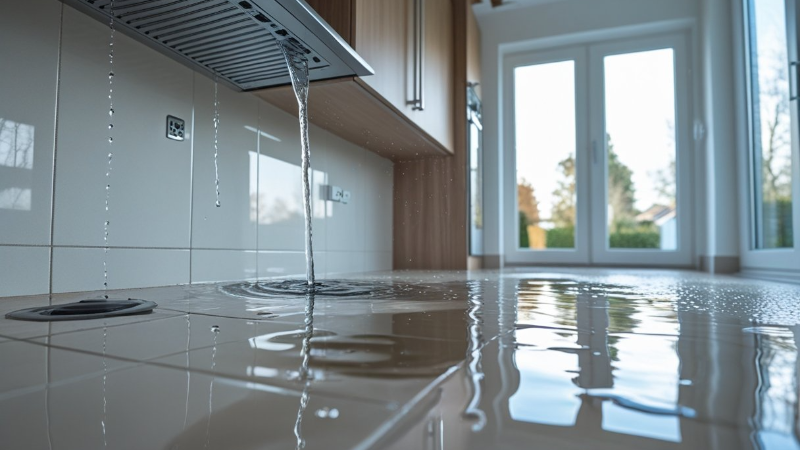
Hidden water leaks can do a lot of damage before you even realize there's a problem. To track down a hidden leak, start simple—check your water meter for unexplained usage when nobody's running water in the house. This quick move can tell you if you’ve got a leak, and honestly, it can save you a headache (and some cash).
Watch for damp spots on your walls, ceilings, or floors. Listen for odd dripping or that sneaky sound of water running when it shouldn’t be. Sometimes, leaks hide out behind cabinets or under the ground, so you might not see them right away unless you’ve got the right tools or a pro on your side.
If you’re around Barrie, Orillia, and Newmarket, Harris Plumbing's licensed journeymen can help track down leaks with advanced equipment. Knowing what to look for really does help keep your home safe and your stress level down.
Understanding Hidden Water Leaks
Hidden leaks are sneaky—they can cause a ton of trouble without any obvious signs for ages. It helps to know what usually causes them, the risks, and how to spot them before they get out of hand.
Common Causes
Hidden leaks tend to happen in spots you rarely check. Pipes inside walls or under floors can crack or burst, especially if they're old or exposed to freezing. In rural spots, well pumps and septic systems can spring leaks too, and you might not notice until there’s a real mess.
Other culprits? Worn-out seals around fixtures, pipes that are rusting away, or even tree roots muscling into underground lines. Plumbing headaches like clogged drains can build up pressure and cause leaks too. Taking a look at your plumbing every so often is a good habit.
Potential Risks
Ignore a hidden leak and it’ll come back to haunt you. Water can rot wood, mess up your foundation, and trash your floors. Mold and mildew love damp spots, and that’s bad news for your family’s health.
Leaks also hike up your water bill—sometimes by a shocking amount. In cold areas, a leak can freeze and burst a pipe, which is a nightmare to fix. Staying on top of maintenance and acting quickly is especially important in places like Barrie, Orillia, and Newmarket.
Warning Signs
Keep an eye out for these:
- Water bills that suddenly spike
- Damp or discoloured spots on walls or ceilings
- Musty, moldy smells
- Soft or warped flooring
- Sounds of water running when everything’s off
You might also see water pooling around sump pumps or under sinks. If you suspect something’s up but can’t find the source, a licensed plumber from Harris Plumbing can track it down with the right tools. Catching leaks early is always the way to go.
Initial Steps to Detect a Hidden Leak
You don’t need to be a pro to start searching for a hidden leak. Some basic checks and a little observation can tell you a lot. Focus on your water meter and visible plumbing to catch leaks before they get worse.
Checking Your Water Meter
First, turn off everything that uses water—appliances, taps, all of it. Head to your water meter and jot down the number. Wait an hour (don’t use any water), then check again.
If the number changes, water’s moving somewhere it shouldn’t be. That’s a big red flag.
Some meters have a little dial or leak indicator. If it’s spinning when you’re not using water, you’ve probably got a leak.
This check is quick and can save you from a bigger mess later.
Inspecting Visible Plumbing Fixtures
Walk through your place and check pipes you can see—under sinks, around the boiler, near the water heater.
Look for wet spots, rust, or bulging pipes. These usually mean trouble.
Check faucets for slow drips and listen for water sounds when things should be quiet.
If your basement or crawl space feels damp, it might be a plumbing issue, not just a flooring problem.
Catching these signs early helps you dodge bigger headaches. And if you can’t reach some spots, Harris Plumbing can do a thorough inspection.
Using Common Detection Methods
Finding a hidden leak takes some patience. You’ll want to listen for weird sounds, spot stains, and look for damp or moldy spots. Each clue gets you closer to the culprit.
Listening for Unusual Sounds
Listen up—literally. If you hear dripping or running water with all taps off, something’s off. Hissing, tapping, or dripping behind walls or floors near plumbing fixtures could mean a hidden leak.
Try using a stethoscope or even a metal rod against the pipes to amplify the sound. It’s easier to pick up on these noises when the house is quiet.
If you keep hearing drips, it’s time to call someone like Harris Plumbing. They have special tools to find leaks fast and save you from water damage.
Spotting Water Stains
Check for odd stains on your walls, ceilings, or floors. Water stains often show up as yellow, brown, or rusty marks. They might start tiny but can grow over time.
Look near plumbing fixtures, water heaters, or sump pumps. Even faint stains are worth checking out—they usually mean water’s been leaking for a while.
A flashlight helps you see in dark corners or behind stuff. If you spot stains, mark them down so you can see if they spread, or just call Harris Plumbing for a thorough inspection.
Investigating Moisture or Mold
Too much moisture leads to dampness or mold. Sometimes you’ll smell a musty odor before you see anything.
Touch suspicious spots—if they feel wet, soft, or cooler than the rest, that’s a clue. If you’ve got a moisture meter, use it to check inside walls or floors.
Mold can show up as black, green, or white patches. It needs to be handled fast to avoid health issues. If you find mold or dampness but can’t tell where it’s coming from, a professional can hunt down the hidden leak.
Advanced Leak Identification Techniques
Sometimes you need more than just your eyes and ears. The right tools can help you find leaks you’d never spot otherwise. Some show you where moisture hides, others measure dampness deep inside walls or floors.
Thermal Imaging
Thermal cameras pick up temperature changes on surfaces. A leak behind a wall or under a floor usually makes that area cooler. The camera shows cold spots, letting you zero in on the problem without ripping things apart.
You can scan walls, ceilings, and floors for these cold patches. Just remember—thermal imaging doesn’t see water directly, only temperature differences.
For best results, scan when there’s a temp difference between inside and outside—early morning or evening works well. Harris Plumbing uses this tech to find leaks in cabins and homes all over Muskoka.
Utilizing Moisture Meters
Moisture meters check how much water is inside materials like wood or drywall. There are two main types:
- Pin meters: You poke sharp probes into the surface to get a reading.
- Pinless meters: These scan the surface without making holes.
Compare wet and dry areas to track down leaks. These meters are great for checking behind walls or under floors, especially after a flood.
They also help you decide if an area just needs drying out or if it’s time for repairs. Harris Plumbing uses moisture meters in York Region homes all the time to stop hidden water damage before it gets expensive.
These tools make leak detection quicker and more accurate, saving you from bigger problems down the line.
Pinpointing the Source of the Leak
Figuring out exactly where a hidden leak starts can be a real puzzle. Careful checks and a methodical approach help you narrow it down without tearing up your whole house.
Sectional Testing
Sectional testing means you check different parts of your plumbing, one at a time. First, shut off every water-using appliance and fixture. Watch your water meter—if it still moves, there’s a leak somewhere.
Next, close off smaller sections by turning off valves for areas like sinks or the water heater. If the meter stops moving, you’ve narrowed it down.
Look for clues—damp spots, mold, or musty smells. A flashlight is handy for peeking behind drywall or under floors.
Isolating Plumbing Zones
Most homes have plumbing split into zones: bathrooms, kitchens, outdoor taps, basements. Isolating each one helps you find the leak faster.
Shut off the main water valve to stop everything. Then, open valves one by one to let water into each zone. Watch the meter after each—if it starts moving, you’ve found the problem area.
Listen for drips or running water inside walls or under floors. If you’re stuck, tools like moisture meters or plumbing cameras can help. And if you still can’t find it, Harris Plumbing’s licensed journeymen offer expert help in Barrie, Orillia, and Newmarket. They’ve got the tools and know-how to isolate leaks safely.
When to Call a Professional
Sometimes, a leak is just too tricky or risky to fix yourself. If you’re not sure or things look complicated, it’s smarter to call in the pros.
Recognizing Complex Leak Situations
If you see water stains on walls or ceilings but can’t find where it’s coming from, it might be a hidden leak inside pipes or behind drywall. Leaks near your foundation, sump pumps, or spots with changing water pressure are red flags. Sudden damp spots or musty smells can signal leaks that could really mess with your home’s structure or cause mold.
Burst pipes or fixtures you can’t reach or fix safely? That’s definitely a job for licensed plumbers. Waiting too long just makes things worse. Harris Plumbing can spot tough leaks fast and stop bigger issues before they start.
Understanding Professional Tools
Pros bring more than just a flashlight. They use thermal cameras, moisture meters, and electronic leak detectors to find leaks without tearing up your house. These tools pinpoint the source and show how bad things are.
Plumbers also check water pressure and use cameras inside drain or sewer lines to find leaks deep in the system. Without these gadgets, you might miss leaks that rack up big bills or cause long-term damage. Bringing in an expert means a quick, accurate fix with less mess.
Preventing Future Hidden Water Leaks
A little prevention goes a long way. Regular checks and taking care of your plumbing can help you dodge big problems and big bills.
Routine Home Inspections
Make it a habit to check key spots in your home for leaks. Look for stains on walls and ceilings, damp floors, or mold. Pay extra attention under sinks, around toilets, and near water heaters.
Don’t skip the basement or crawl spaces. Make sure sump pumps work, especially in places like Muskoka where heavy rain can flood things fast. Test your sump pump now and then, and think about a backup battery.
Keep an eye on your water meter. If it’s moving when all taps are off, you might have a leak. Catching this early saves water and avoids damage.
Plumbing Maintenance Tips
A little plumbing TLC helps prevent leaks. Check pipes for rust, cracks, or loose joints. Pipes in cold areas need insulation to keep them from freezing and bursting.
Keep drains clear and watch out for tree roots sneaking into underground pipes—they can cause blockages and leaks. Sometimes you’ll need a pro for a deep inspection or root removal.
Routine checkups from a trusted company like Harris Plumbing help you catch small problems before they blow up. Their licensed plumbers can also handle well and lake pumps if you use those. Regular tune-ups keep everything running smoothly all year.
Frequently Asked Questions
Finding a hidden water leak isn’t always straightforward. You’ll need to look for obvious clues, check certain spots, and maybe use a tool or two.
What steps can I follow to locate a leak within my walls?
Start by turning off all water sources in your home. Check your water meter and jot down the reading. Wait a few hours without using any water, then check the meter again. If it’s changed, there’s probably a leak. Listen for dripping behind the walls or feel for damp or bubbled spots on painted surfaces.
How can I determine if there's a leak in my underground pipes?
Watch for soggy or unusually soft patches in your yard. Sometimes the grass grows faster or looks extra green in certain spots. If your water bill suddenly jumps and you haven't changed your habits, that's a red flag. You might also notice water pressure dropping or toilets and taps making noise even when you're not using them.
What methods do plumbers use to detect hidden underground leaks?
Plumbers often bring in electronic leak detectors that listen for water moving under the ground. Thermal cameras can catch colder, damp spots by picking up on temperature shifts. Pressure tests or gas tracing sometimes come into play when they need to get really specific.
What are some signs that indicate a leak behind walls or above ceilings?
Look for water stains, bubbling or peeling paint, or patches of mould on your walls or ceilings. Sometimes those areas feel damp or a bit soft to the touch. Maybe you hear a faint drip or catch a musty smell in a certain room—never a good sign.
What techniques can help find a water leak on my property line?
Try watching your water meter—if it keeps moving when nothing's running, there's probably a leak. Take a walk around and check outdoor taps, irrigation pipes, and any exposed plumbing for obvious drips. Wet spots or thick, green grass along the property edge can also give things away.
What should I do if I suspect a leak in my yard but can't see it?
Try not to dig around unless you really know where the leak is hiding. Honestly, your best bet is to call a licensed plumber—Harris Plumbing comes to mind—since they've got gear that can sniff out leaks without tearing up your whole yard. The sooner you catch it, the less headache (and cost) you'll have down the road.