Steps to Take When Your Basement Floods After Heavy Rain: A Friendly Guide to Quick Cleanup and Prevention
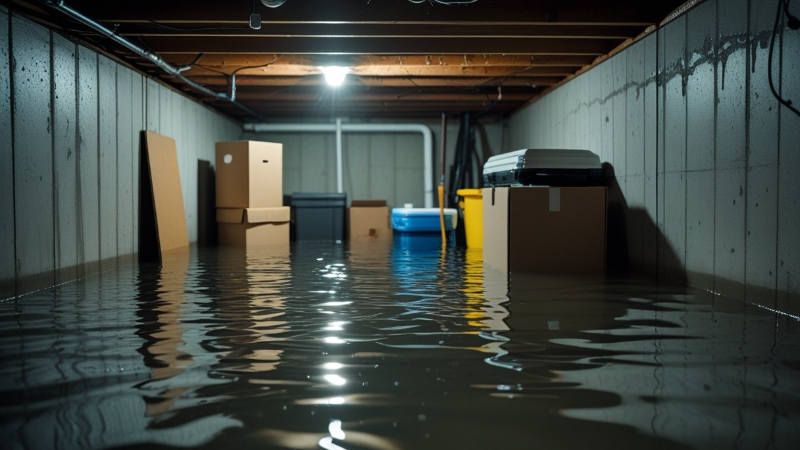
A flooded basement after heavy rain feels overwhelming—maybe even a bit surreal—but knowing what to do next can really change the outcome. The most important thing is to act quickly to remove water and prevent further damage. Fast action protects your home’s structure and can save you a chunk of money on repairs.
You’ll want to clear the water and start drying things out as soon as you can. If you’ve got a sump pump, check it right away; a working sump pump goes a long way toward keeping water at bay during storms. If it’s not working, Harris Plumbing can help sort out repairs or replacements.
Let’s be honest, knowing how to respond can save your stuff—and your sanity. Here’s what you can do to protect your basement and make a plan for those inevitable future downpours.
Ensure Safety First
When your basement floods, your top priority is keeping yourself and others safe. Before you do anything else, make sure you’re not putting yourself in danger from electricity, dirty water, or hidden hazards. Take it slow, use protective gear, and don’t take unnecessary risks.
Turn Off Electricity To The Basement
Water and electricity—never a good combo. Before stepping into a flooded basement, find your home’s main electrical panel and switch off power to the basement. This helps prevent shocks or even fires if water touches outlets or appliances.
If water’s reached the main panel, don’t touch it. Call Harris Plumbing or a licensed electrician instead. If you can safely reach any plugs, unplug devices, but only if you’re not standing in water.
Assume the power’s still on until you’re sure it’s off. Don’t use switches or outlets in the basement until a pro checks everything.
Avoid Contact With Standing Water
Floodwater can carry harmful bacteria, chemicals, and who-knows-what debris. Try not to step in it unless you absolutely have to.
Keep kids and pets away—no exceptions. Water might hide sharp stuff or weak flooring.
Use a stick or something similar to check water depth and feel for hazards before you step in. If the water smells weird, looks oily, or has foam, that’s a red flag for contamination.
Use Protective Gear
Wear rubber boots and heavy-duty gloves to keep your skin away from floodwater. Waterproof clothing or coveralls help keep you dry and cut down on germ exposure. Eye protection is smart—splashes happen.
If there’s a strong smell or you’re cleaning up mold, wear a dust or fume-rated mask. It’s just not worth breathing in anything nasty.
Having the right gear on hand makes a tough job at least a little safer.
Stop The Source Of Water
To protect your basement from more damage, you need to figure out where the water’s coming in and try to stop it. That means checking your basement walls and floor for leaks, then blocking any new water from getting inside.
Locate Flood Entry Points
Look around your basement for cracks or holes in the walls and floor. Pay attention to spots near windows, pipes, and doors. Water loves sneaking in through small gaps around plumbing or where the foundation meets the ground.
Check your sump pump pit and drain pipes for clogs or damage. If they’re blocked, water might back up and flood your basement. Use a flashlight for dark corners and feel for damp spots with your hands.
If you spot cracks, slap on some waterproof tape or patching material to slow the water down until you can get a pro in.
Block Additional Water Inflow
Once you know where the water’s entering, set up barriers. Sandbags work near doors or windows—stack them tight to form a wall against water.
Outside, keep gutters and downspouts clear. If water pools next to your foundation, your chances of flooding go way up. Point downspouts away from your basement using extensions or splash blocks.
If you have a sump pump, make sure it’s functioning properly. Harris Plumbing recommends reliable sump pump systems for homeowners in Barrie, Orillia, and Newmarket to keep water flowing and prevent basement flooding. A well-maintained sump pump truly makes all the difference.
Remove Water From The Basement
After heavy rain, you’ll want to get water out of your basement as soon as possible. You’ll need some tools and a bit of elbow grease to clear the water, make sure drains work, and dry out leftover moisture.
Use A Wet/Dry Vacuum Or Pump
If there’s just a few inches of water, a wet/dry vacuum can help you get it out fast. These vacuums are built for water, but double-check the instructions before you start.
For deeper flooding, a submersible pump is your friend. It sits in the water and pumps it outside, well away from your home’s foundation. Harris Plumbing can install or repair these pumps in Simcoe County if you need help.
Always wear rubber boots and gloves. Make sure the power’s off in your basement to avoid shocks.
Clear Drains And Sump Pump
Check your basement drains and sump pump next. Floodwater might clog drains with dirt or debris. Clear these out with gloves or a drain snake if you have one.
Test the sump pump by pouring water into the pit; it should kick on and pump water out. If it doesn’t, call a licensed plumber to fix or replace it. Regular checks help you avoid this headache next time.
Absorb Remaining Moisture
Even after you’ve removed standing water, moisture lingers in the air and walls. Use fans and dehumidifiers to dry things out. Open windows if the weather’s decent to get air moving.
Moisture can hide behind walls and under flooring—sneaky stuff. Use moisture meters if you have them. You might need to pull out wet drywall or carpet to keep mold at bay.
Keep an eye (and nose) on your basement for a few days. If you notice damp smells or spots, act fast. Harris Plumbing has advice and services for water removal and basement drying in Barrie, Orillia, and Newmarket.
Document The Flood Damage
When your basement floods, take the time to record the damage. It’ll help with insurance claims and make repairs go smoother. Clear photos and notes about what’s broken will save headaches later.
Take Photos And Videos
Take clear photos of everywhere the water reached. Get shots from different angles—walls, floors, furniture, appliances, you name it. If the water’s still there, snap a few showing how deep it is.
Record a couple of short videos, too. Sometimes video just tells the story better, especially if wiring, ceilings, or hidden corners are affected. Good lighting helps, and don’t forget close-ups of cracks, mold, or stains.
Back up your photos and videos. You’ll need them for insurance or when talking to pros like Harris Plumbing.
List Damaged Items
Make a list of everything that got damaged. Be specific—brand, model, age if you can. Include furniture, electronics, stored stuff, and mechanicals like sump pumps or boilers.
Organize your list, maybe something like:
| Item | Description | Condition |
|---|---|---|
| Sofa | Leather, 5 years old | Water soaked |
| Sump pump | Installed 3 years ago | Not working |
| Storage boxes | Mixed contents | Water damaged |
This list helps you track losses, figure out what to replace, and makes insurance claims less of a pain.
Begin Drying And Dehumidifying
Once you’ve stopped the water and cleared it out, it’s time to dry your basement and reduce humidity. This slows down mold and keeps your basement’s structure safe. You’ll want to get fresh air in, run dehumidifiers, and remove anything wet that traps moisture.
Open Windows And Doors
Open up windows and doors to get air moving. Fresh air helps replace that damp, stale basement smell. If you can, open windows on opposite sides to create a cross breeze—dries things out faster.
Just make sure it’s not raining outside. Use screens if you need to keep bugs out. Fresh air helps, but don’t let in more water or let the temperature get too wild.
Run Dehumidifiers And Fans
Dehumidifiers and fans are your best friends here. Put dehumidifiers where it feels most humid and empty them often, or hook them to a drain.
Set fans to blow air across wet floors and walls. Aim them toward open windows or doors to push moist air outside. Keep them running until everything feels dry.
If your flooding is really bad, you might want to rent bigger, commercial dehumidifiers. Harris Plumbing can help with professional drying equipment and sump pump repairs if you’re in Ontario.
Remove Wet Materials
Get rid of wet carpets, rugs, furniture, and cardboard—they just hold moisture and slow down drying. Take carpets outside or roll them up for cleaning elsewhere.
Move wood or fabric furniture to a dry, airy spot. If you can’t dry something out completely, it’s probably best to replace it rather than risk mold.
Toss out wet insulation or drywall that’s no longer doing its job. Wear gloves and a mask when handling anything damp or moldy. The less wet stuff in your basement, the better.
Clean And Sanitize The Basement
After flooding, you’ll want to clean and disinfect everything. This keeps germs and bacteria from spreading. Mold is a real risk, too, so keep an eye out for any signs.
Disinfect All Surfaces
Get rid of any leftover water and debris first. Use a strong disinfectant made for flood cleanup on floors, walls, and other hard surfaces. Focus on spots where water lingered.
Wear gloves and a mask. Scrub surfaces with a mix of water and bleach (about one cup bleach per gallon of water). Don’t mix bleach with other cleaners—seriously, the fumes can be dangerous.
Let things dry out completely. Fans and dehumidifiers can speed this up. Drying is just as important as cleaning.
Check For Mold Growth
Mold can show up in as little as 48 hours. Look for dark spots, a musty smell, or weird discoloration on walls, floors, and corners.
For small patches, clean with water and detergent. If you find a lot of mold, call in a pro. Mold can mess with your health and your house if you ignore it.
Keep checking your basement for new signs of moisture or mold in the weeks after a flood. Harris Plumbing can help with inspections and sump pump installations to help keep future flooding at bay.
Contact Your Insurance Company
Once your basement floods, get in touch with your insurance company right away. You’ll need to check what your policy covers and start your claim so you can get help.
Review Your Policy Coverage
Dig out your insurance policy and read it carefully. Not all policies cover flood damage, especially if it’s from heavy rain. Some cover water damage from broken pipes or sewage backups, but flood coverage is often a separate thing.
See if you’ve got a flood insurance add-on. Look for limits on what’s covered—repairs, water removal, damaged stuff, etc. Keep these details handy for your call with the insurance company.
If your flood involved a sump pump failure, mention it. Canadian policies treat sump pump claims differently sometimes. Knowing your policy inside and out saves you from nasty surprises later.
File A Flood Damage Claim
When you’re ready, reach out to your insurance provider and report the flood damage. Be upfront about what happened, and snap some photos or videos of the flooded basement and anything that got damaged.
Make a list of everything the flood ruined—furniture, appliances, flooring, walls, you name it. Hang onto any receipts or repair estimates if you get them.
Your insurer might suggest a professional restoration company for water removal and mould cleanup. Harris Plumbing, with more than 51 years serving Ontario, can also help with sump pump repairs and give advice on preventing future flooding. The sooner you act, the better your chances of protecting your house and smoothing out your claim.
Prevent Future Basement Flooding
Keeping water out of your basement and making sure it drains properly—those are the big goals. You also need a way to get rid of any water that sneaks in. These steps make a real difference in protecting your home (and your wallet).
Seal Cracks And Leaks
Take a close look at your basement walls and floors for cracks or gaps. Even the small ones can let water seep in. Grab some waterproof sealant or epoxy and fill those cracks. That barrier keeps water where it belongs—outside.
Focus on spots around windows, doors, and the foundation. That’s where leaks love to start. If you catch leaks early, you’ll avoid bigger headaches down the road.
Keep an eye out for new cracks, especially after heavy rain or freezing weather. Not sure what you’re looking at? Harris Plumbing offers expert advice and sealing services if you need a hand.
Improve Basement Drainage
Good drainage keeps water away from your foundation before it gets a chance to sneak inside. Make sure gutters and downspouts send water at least 3 metres away from your house.
Grade the soil so it slopes away from your walls. That way, rainwater flows away from your basement, not toward it.
Clear leaves and debris from drains and ditches so water can actually move. If you’re up for it, installing a French drain system can help redirect groundwater away from your foundation.
Install Or Maintain A Sump Pump
A sump pump moves water out of your basement before it has a chance to cause trouble. If you don’t have one, it’s probably time to consider a good sump pump system.
If you already own a sump pump, test it now and then—especially before the rainy season. Make sure it’s got power, and clean out the pit so it runs smoothly.
In places with heavy rain, you might want a battery backup or water-powered pump. Those still work if the power goes out.
Harris Plumbing handles sump pump installation and repair across Ontario and can help you figure out what system fits your place best.
Know When To Call Professionals
Basement flooding can lead to way more than just water damage. You could run into electrical hazards, hidden leaks, or mold you can’t see. Sometimes, calling in experts is just the safer move for your home and your family.
Hire Water Damage Restoration Experts
If there’s more than a puddle or the water’s coming in fast, call water damage pros. They’ve got the gear to pump out big volumes quickly and dry things out properly.
These experts check for moisture hiding inside walls or under floors. That way, you avoid long-term issues like wood rot or structural trouble. They’ll also spot if the flood came from plumbing problems and tell you what to fix.
If you’re in Simcoe County or York Region, teams like Harris Plumbing know the local plumbing quirks. Getting help early means repairs get done right, and you save yourself a lot of hassle.
Seek Mold Remediation Services
Even after the water’s gone, mold can pop up fast—sometimes within a day or two if things stay damp. Mold spores aren’t just gross; they can cause allergies and breathing problems.
Mold specialists check your basement for hidden mold. They use special cleaners and gear to get rid of it safely and keep it from spreading. They’ll also give advice on keeping moisture down.
Notice a musty smell or dark spots on the walls after flooding? Call mold pros right away. Quick action protects your home and your family’s health.
Frequently Asked Questions
When your basement floods, you need to act quickly but carefully. Who do you call first? How do you clean up without making things worse? What will your insurance actually cover? Here’s what you might want to know.
Who should I contact first if my basement floods?
Start with a licensed plumber like Harris Plumbing. They’ll check your sump pump, look for leaks, and help stop the source of the water.
If things are really bad, get a water damage restoration company involved. For electrical risks, call an electrician before you go into the basement.
How can I safely clean up my flooded basement by myself?
Wear waterproof boots, gloves, and a mask. Stay away from electrical outlets or appliances if anything’s still wet.
Use a wet/dry vacuum or a pump to get rid of standing water. Then, run fans and dehumidifiers to dry things out and keep mold at bay.
What steps should I take to disinfect my basement floor following a flood?
Once you’ve cleared out water and debris, use a bleach solution or commercial disinfectant on the floors and walls.
Let it sit for 10-15 minutes, then rinse with clean water. Make sure the area’s got good airflow.
What will my homeowner's insurance typically cover in the event of a basement flood?
Most policies cover sudden water damage—think burst pipes or plumbing failures. Flooding from heavy rain usually needs separate flood insurance.
Check your policy for the details. Always document the damage with photos for your claim.
What should I do if there's sewage in my flooded basement?
Don’t touch sewage—it’s dangerous and full of bacteria. Leave cleanup to the pros with the right equipment.
If sewage’s in your basement, don’t use your sump pump. Call Harris Plumbing for emergency help to avoid more contamination.
How much can I expect to spend on professional flooded basement cleanup?
Costs jump around depending on how bad the flooding is and how much damage you’re dealing with. For straightforward water removal and drying, you might spend just a few hundred bucks.
But if you’re staring down mould issues or bigger repairs, expect the price to climb. It’s smart to ask for a detailed quote before you commit—no one likes surprise expenses.