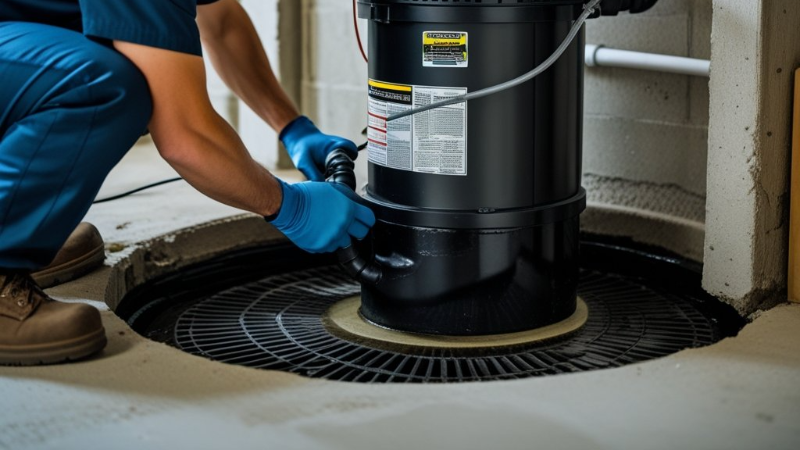
How to Maintain a Sump Pump for Reliable Home Protection
Keeping your sump pump in good shape protects your home or cottage from flooding. Regular maintenance helps your sump pump work during heavy rain or power outages.
Without proper care, your pump might fail at the worst time and cause costly water damage. You can avoid this by checking your sump pump system often, including the battery backup if you have one.
Simple steps like cleaning the pump and testing its function keep it ready all year. These habits give you peace of mind and protect your property in Barrie, Orillia, and Newmarket.
Understanding Your Sump Pump
Knowing how your sump pump works helps you keep it running when you need it. You should understand the type of pump you have and how its parts work together.
Watch for signs that your pump needs a checkup or repair. This helps you avoid problems before they start.
Types of Sump Pumps
There are two main kinds of sump pumps: submersible and pedestal. A submersible pump sits underwater in the sump pit and runs quietly but can be harder to access.
Pedestal pumps have a motor above the pit, making them easier to service but usually louder. You might also have a battery backup sump pump that runs during power outages.
Battery life depends on usage and maintenance, so check it regularly to avoid failure.
Key Components and How They Work
Your sump pump has a pump motor, float switch, discharge pipe, and check valve. The motor pushes water out, and the float switch rises with the water level to turn the pump on.
The discharge pipe sends water away from your home. The check valve stops water from flowing back into the pit after pumping.
Make sure these parts are clean and working to prevent clogs or failures.
Signs Your Sump Pump Needs Maintenance
Watch for unusual sounds like grinding or sudden stops. These often mean the motor or float switch has problems.
If water drains slowly or the pump runs constantly, check for clogs or a stuck float. If your pump turns on but doesn’t remove water, the discharge pipe could be blocked or frozen.
Test battery backup pumps monthly and replace dim or dead batteries. Regular checks help you avoid costly damage.
Routine Maintenance Checklist
Regular care keeps your sump pump in good shape. Check its parts often, clean it to avoid blockages, and have a pro inspect it yearly.
Monthly Inspection Steps
Check the sump pump’s power source. Make sure the plug is secure and the outlet works.
Test the pump by pouring water into the pit. The pump should turn on and drain the water quickly.
Check the float switch. It should move freely and not get stuck.
Listen for strange noises. Any unusual sound may mean a problem.
If you have a battery backup, verify the battery charge and connections. This keeps your pump ready during power outages.
Quarterly Cleaning Guidelines
Remove debris and dirt from the pump and pit every three months. Use a wet-dry vacuum or a small bucket to clear mud, gravel, and leaves.
Clean the pump’s intake screen. If this screen clogs, your pump may overwork or fail.
Make sure the discharge pipe is clear. Look for signs of rust or corrosion, especially on metal parts.
Wipe down surfaces and dry the area to prevent damage. Keeping everything clean improves pump efficiency.
Annual Professional Servicing
Hire a licensed plumber once a year to inspect your sump pump system. They will check the motor, seals, and electrical parts to ensure safe operation.
The pro can test your battery backup system with special tools and recommend repairs or replacements if needed.
Testing Your Sump Pump System
Check different parts of your sump pump system regularly. Do a manual test, look at the float switch, and make sure the discharge lines are clear.
These checks help you catch problems before they cause flooding.
How to Perform a Manual Test
Unplug any backup power before testing. Pour a bucket of water—about 15 to 20 litres—into the sump pit.
The sump pump should turn on automatically. If it doesn’t start, there may be an electrical or mechanical problem.
Listen for the pump running and watch the water level drop quickly. When the water drains fully and the pump turns off on its own, it’s working properly.
Repeat this test every few months, especially before the rainy season or snowmelt.
Checking the Float Switch
The float switch controls when your sump pump turns on and off. If the float is stuck or damaged, it won’t switch correctly and could cause flooding.
Inspect the float for dirt or debris. Move it up and down by hand to see if it moves freely.
The float should not be tangled in the sump pit’s sides or cords. If it feels sticky or sluggish, clean the area or replace the float switch.
Assessing Discharge Lines
Discharge lines carry water away from your home. Check these lines regularly to avoid clogs or damage from freezing, leaks, or blockages.
Make sure the pipe directs water at least 3 metres from your foundation. Look for cracks, bends, or loose fittings.
Clear any debris holding water back. If you have a battery backup pump, check that its discharge line is also in good condition.
Cleaning and Troubleshooting Common Issues
Keep your sump pump clear and working to prevent basement flooding. Remove buildup, clear blockages, and check the pump’s functions regularly.
Removing Debris and Sediment
Unplug the pump and remove it from the sump pit. Look inside for dirt, leaves, or small stones that can clog the pump.
Use a wet/dry vacuum or a brush to clean out sediment from the pit and the pump’s screen or grate. Avoid harsh chemicals.
Check the float switch and clean around it. If debris stops it from moving, the pump may not activate.
Addressing Clogs in Discharge Pipes
Inspect the discharge pipe for cracks, breaks, or blockages. Use a plumber’s snake or a high-pressure hose to clear minor clogs.
Make sure the pipe’s end is not buried or blocked by debris. In winter, check for ice buildup before spring thaw.
Diagnosing Pump Failure
If your sump pump won’t start or stops suddenly, check the power supply. Make sure the pump is plugged in and the circuit breaker hasn’t tripped.
Listen for grinding or rattling sounds, which can mean worn-out parts. If the pump runs constantly, the float switch might be stuck or the pump may be too small.
Test the pump by pouring water into the pit and watching if it turns on and pumps water out. If it fails, call a licensed plumber to inspect or replace it.
Preventive Measures for Peak Performance
Protect your sump pump from power issues, clean its space often, and shield it from harsh weather. These steps help avoid failures.
Backup Power Options
Power failures can stop your sump pump during storms. Use battery backup systems to keep it running when the power goes out.
Look for a backup with enough battery life to last several hours or days during heavy rain. Another option is a generator.
Maintain your generator and learn how to start it quickly. Test your backup power regularly, charge the batteries, and run the pump to confirm everything works.
Proper Sump Basin Care
Keep the sump basin clean to prevent blockages. Remove dirt, gravel, and debris that can clog the pump or float switch.
Check the basin every few months, especially before wet seasons. Inspect the float switch for smooth movement.
Clean the switch area and adjust it if needed. Make sure the basin cover fits tightly to keep dirt and animals out.
Weatherproofing Techniques
Insulate pipes and the basin to protect your sump pump from cold weather. Use foam covers or insulation tape on exposed pipes to stop freezing.
If your pump is outside or in an unheated area, install a waterproof cover or shelter. Check for cracks or holes in the sump basin and seal them.
Weatherproofing keeps your system reliable year-round.
When to Replace or Upgrade Your Sump Pump
Replace or upgrade your sump pump when you see warning signs or when it gets old. Choose the right model and install it properly to avoid problems.
Recognizing End-of-Life Signs
Most sump pumps last about 5 to 7 years. If your pump is older, consider replacement.
Watch for these signs:
- The pump runs constantly or cycles on and off too often.
- Strange noises or vibrations.
- Slow draining or less water removal.
- Visible rust, corrosion, or cracks.
- Battery backup fails to hold charge after 3 to 5 years.
If you notice these issues, your sump pump may not be reliable.
Choosing a New Model
Pick a sump pump that matches your basement or crawl space needs. A pump that’s too small won’t handle heavy water, and one that’s too large wastes energy.
Consider these features:
- Horsepower: Higher horsepower models clear water faster.
- Battery backup: Keeps the pump running during power outages.
- Float switch type: Vertical or tethered, depending on your space.
- Build material: Cast iron and stainless steel last longer.
Choose a model designed for Canadian climates and water conditions.
Installation Best Practices
Have a licensed journeyman plumber install your sump pump. Place the pump below the basement floor to reach the lowest water level.
Install a proper discharge pipe with a backflow valve. Test the pump after installation, especially during heavy rain or thaw.
Maintain battery backups and replace them every few years.
Tips for Long-Term Sump Pump Care
Good care helps your sump pump work when you need it. Track maintenance tasks and check your pump often to prevent problems.
Maintaining a Maintenance Log
A maintenance log keeps all your sump pump care records in one place. Write down the date and details every time you clean, inspect, or test the pump.
Include notes about battery replacements if you have a backup. Also, record any repairs or parts you replace.
Using a log helps you spot issues early and makes service visits more efficient. You’ll know what’s been done and when the next check should happen.
Scheduling Regular Inspections
Inspect your sump pump at least twice a year, ideally before and after the rainy season. Frequent checks keep your pump ready to protect your home from water damage.
Test the pump during inspections by pouring water into the pit. The pump should start automatically and remove the water quickly.
Listen for odd noises. Check for any leaks or rust on the motor and pipes.
Check the discharge pipe to make sure it is not clogged or frozen. If you have a battery backup, test it regularly to ensure it runs smoothly during an outage.
Frequently Asked Questions
Regular upkeep keeps your sump pump working well. Check its parts, clean any dirt or debris, and maintain the battery backup if you have one.
What steps should I take to perform routine sump pump maintenance?
Test your sump pump monthly, especially before heavy rain seasons. Check the power source and make sure the pump turns on and off properly.
Clear the sump pit of any dirt or gravel that could block the pump.
How often should a sump pump be cleaned and serviced?
Clean and inspect your sump pump at least once a year. If you use it often or after storms, check it more frequently.
Professional service every one to two years helps catch hidden problems early.
What are the signs that my sump pump may need maintenance?
Listen for strange noises like grinding or rattling. If the pump runs too long or does not start, this could be a sign of trouble.
Water pooling in the basement when the pump is running is another warning sign.
Can I clean my sump pump myself, and if so, how?
You can clean your sump pump by unplugging it first. Remove it from the pit, wipe down the parts, and clear any clogs in the intake screen.
Be gentle to avoid damaging any pieces.
What's the average cost for professional sump pump maintenance?
In areas like Barrie, Orillia, or Newmarket, professional sump pump maintenance generally costs between $150 and $300, covering inspection, cleaning, and small repairs.
Costs may vary depending on the pump type and service area.
Are there any specific products recommended for cleaning a sump pump?
Use mild soap and water to clean your sump pump. Avoid harsh chemicals that can damage plastic or metal parts.
Scrub the sump pit with a brush to keep it clear. You do not need harsh cleaners for this task.