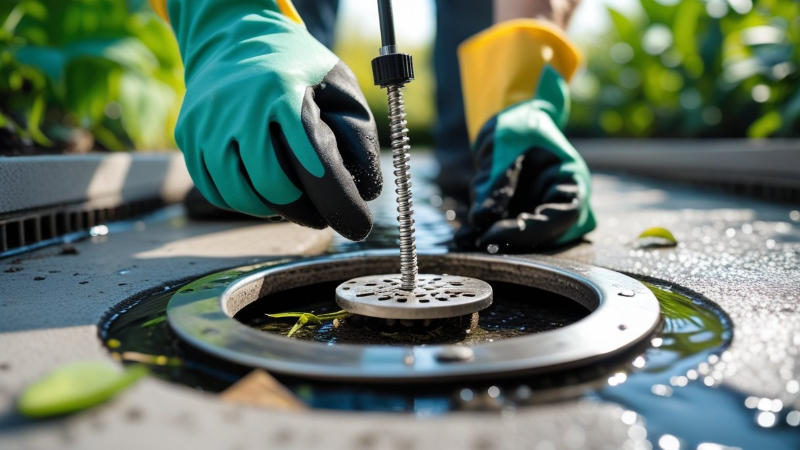
Best Way to Clear a Clogged Drain Quickly and Easily at Home
A clogged drain can quickly disrupt your day and cause frustration. The best way to clear a clogged drain is by using simple DIY methods like a mixture of baking soda and vinegar, followed by hot water, or using a drain snake to remove the blockage.
These approaches are safe for your plumbing and avoid harsh chemicals that can harm your pipes and the environment. If these methods don’t work, calling a trusted expert like Large View Plumbing & Heating can save you time and ensure the problem is fixed right.
With over 10 years of experience serving North Shore, Massachusetts, their team knows how to handle any drain issue with care and professionalism. Keep reading to learn easy ways to handle clogged drains before they get worse.
Identifying the Cause of a Clogged Drain
Knowing what causes a clogged drain helps you fix it faster and avoid future problems. Signs like slow draining or strange noises tell you when something is wrong.
Sometimes, the type of clog points to the best way to clear it. You’ll also learn when it’s better to call a professional instead of trying to fix things yourself.
Common Signs of Blockages
You might notice water draining slowly or pooling around your sink or tub. Gurgling sounds coming from drains show that air is trapped by a clog.
Bad smells around your drains are also a clue that debris is stuck and starting to rot. If your toilet overflows or takes a long time to flush, it’s another sign of a blockage.
These signs can help you figure out which drain needs attention before the problem gets worse. Catching blockages early makes them easier to clear.
Types of Drain Clogs
Hair, grease, soap scum, and food scraps are the most common causes of clogged drains. Kitchen sinks often get clogged by grease buildup or bits of food.
In the bathroom, hair mixed with soap tends to block shower and tub drains. Toilets usually get clogged by too much toilet paper or items that don’t belong there, like wipes.
Some clogs are minor and can be cleared with a plunger or homemade remedies like baking soda and vinegar. Tougher clogs might need special tools or chemicals.
When to Call a Professional
If your drain stays clogged after trying basic fixes, call a pro. Frequent clogs, bad odors that don’t go away, or water backing up inside your home are warning signs of bigger problems.
A licensed plumber from a company like Large View Plumbing & Heating can use tools like cameras and modern trenchless technology to find and fix deep blockages. This saves you time and prevents costly damage.
Don’t wait if the clog is persistent or affects multiple drains at once.
Essential Tools and Materials for Unclogging Drains
When you face a clogged drain, having the right tools makes a big difference. Some tools help break up tough blockages, while others simplify removing trapped debris.
Using safe and effective products also protects your pipes and the environment.
Plungers and Their Uses
Plungers are the simplest and most common tool for clearing clogs. You’ll mostly see two types: cup plungers for sinks and flat surfaces, and flange plungers with a rubber lip designed for toilets.
To use a plunger, make sure there is enough water in the clogged fixture to cover the plunger cup. Push down and pull up firmly several times to create suction that loosens the clog.
Plungers work well for soft blockages like food scraps or hair. They’re cheap, easy to find, and you can use them right away.
However, they may not fix stubborn or deep blockages that need other tools.
Drain Snakes and Augers
Drain snakes, also called hand augers, are flexible cables you feed into the clogged pipe. As you turn the handle, the snake breaks apart or hooks the clog for removal.
These tools are best for tougher blockages that plungers can’t clear. There are small manual snakes for sinks and larger powered ones for main sewer lines.
Move the snake carefully to avoid damaging your pipes. Professional plumbers, like those at Large View Plumbing & Heating, use specialized drain snakes for stubborn clogs.
Using a snake can save you from costly repairs and unnecessary chemical cleaners.
Enzyme Cleaners and Eco-Friendly Options
If you prefer cleaning your drains without harsh chemicals, enzyme cleaners are a good choice. They use natural bacteria and enzymes to break down organic materials like hair, grease, and soap scum over time.
These cleaners work slower than plungers or snakes but are safe for your pipes and the environment. They’re especially useful for regular maintenance or mild clogs.
Look for products labeled biodegradable and safe for septic systems. Combining enzyme cleaners with mechanical tools can help keep your drains flowing smoothly without damage.
If you’re unsure what’s right for your pipes, the team at Large View Plumbing & Heating can offer advice tailored to North Shore homes.
Step-by-Step Guide: Best Ways to Clear a Clogged Drain
When your drain is clogged, you want clear steps that are safe and effective. Some simple household items can often fix the problem without harsh chemicals or expensive tools.
You can also try manual methods if the clog is stubborn.
Using Boiling Water and Natural Solutions
Start with boiling water to loosen grease and soap buildup. Carefully pour boiling water down the drain in stages, waiting a few seconds between pours.
This can help break up minor blockages. For tougher clogs, mix natural cleaners like lemon juice or liquid dish soap with hot water.
Lemon juice helps cut grease, and dish soap lubricates the pipes. Pour the mixture down your drain, wait 15-20 minutes, then flush with boiling water again.
This method is safe for all types of pipes and will not harm your plumbing or the environment. If your drain stays clogged, try other methods.
Applying Baking Soda and Vinegar
This natural reaction can clear many clogs without chemicals. First, pour about half a cup of baking soda down the drain.
Follow it with half a cup of white vinegar. You’ll see fizzing as the two react.
Let it sit for 15-30 minutes to soften the clog inside the pipes. Avoid using water during this time.
After waiting, flush the drain with boiling water to wash away loosened debris. If you repeat this process twice a month, it can help prevent future problems.
Manual Removal of Obstructions
If liquids aren’t enough, you can physically remove the clog. Use a plunger first.
Ensure there is enough water in the sink or tub to cover the plunger’s cup. Push down firmly, then pull up sharply to create suction.
Repeat several times. If plunging does not work, try a drain snake or auger.
Insert it into your drain and twist to break up or grab the clog. Be gentle to avoid damaging the pipe.
For sinks, remove and clean the P-trap under your sink to catch many clogs. Place a bucket underneath, unscrew the trap, and clear out trapped debris.
If manual methods don’t work or you aren’t comfortable doing them, call a trusted company like Large View Plumbing & Heating. Their licensed team in North Shore, Massachusetts, can solve the problem with professional care.
Mechanical and Chemical Methods for Tough Clogs
When a drain is deeply clogged, simple fixes might not work. You may need stronger tools or cleaners.
Mechanical methods use physical tools to break up or pull out the clog. Chemical methods use special products to dissolve the blockage.
Both methods have pros and cons, so it's good to know how to use each safely and effectively.
How to Use a Drain Snake Safely
A drain snake is a long, flexible tool that can reach deep into pipes. Insert the snake slowly into the drain until you feel resistance.
Turn the handle to break up or pull out the clog. Avoid forcing it hard to prevent pipe damage.
Wear gloves to protect your hands from dirt and bacteria. Clean the snake thoroughly after use to keep it ready.
If the clog is tough or far down, a mechanical snake is often better than chemicals because it won’t harm your pipes. Large View Plumbing & Heating often recommends this tool for its reliability and safety when clearing deep blockages.
Choosing the Right Chemical Drain Cleaner
Chemical drain cleaners can dissolve clogs fast but must be used carefully. Look for cleaners made for the type of clog you have—hair, grease, or soap build-up.
Read the label to check if it’s safe for your pipes and septic system. Avoid mixing chemicals or using too much, as this can cause pipe damage or harmful fumes.
Always wear gloves and work in a well-ventilated area. If you want an eco-friendly option, enzymatic cleaners like Bio-Clean break down clogs gently without harsh chemicals.
If you’re unsure, calling a professional from Large View Plumbing & Heating can help you pick the safest and most effective product.
Preventing Future Clogged Drains
Keeping your drains clear starts with good habits and regular care. Simple steps, like cleaning and careful waste disposal, can save you from costly repairs and plumbing headaches.
Routine Maintenance Tips
To avoid clogs, flush your drains with hot water at least once a week. This helps clear away grease and small debris before they build up.
You can also use a natural drain cleaner made from vinegar and baking soda. Pour half a cup of baking soda into the drain, followed by a cup of vinegar.
Let it foam for 15 minutes, then rinse with hot water. This keeps pipes fresh and reduces slow drainage.
Using a drain screen is a smart choice. It catches hair and food bits, preventing them from going down the pipes and creating blockages.
Regularly check under sinks and around drains for leaks or slow water flow. Catching problems early helps Large View Plumbing & Heating keep your system in good shape with less effort.
Safe Disposal Practices
What you put in your sink or toilet matters a lot. Avoid pouring grease, oil, or coffee grounds down your drains.
These substances harden and stick to pipes, causing major clogs over time. Use the trash for food scraps and wipes instead of flushing them.
Even “flushable” wipes can clog pipes and sewer lines. Hair and soap scum can build up in bathroom drains.
Use a hair catcher over your shower drain and clean it regularly to stop blockages. Teach everyone in your home what’s safe to flush or pour down the drain.
Consistent safe disposal helps your plumbing work smoothly and reduces emergency calls to experts like Large View Plumbing & Heating.
Addressing Clogs in Different Types of Drains
Drains in your home can clog for different reasons, so how you fix them depends on where the clog is. Using the right approach for kitchen, bathroom, or shower drains can save you time and prevent damage.
Knowing what causes blockages and the best methods to clear them is key.
Kitchen Sink Solutions
Kitchen sink clogs usually happen because of food scraps, grease, and oil. These substances can stick and build up inside the pipes.
To clear a clog here, start by removing any visible debris. Then, try using a plunger with several inches of water in the sink to create a strong seal.
If plunging doesn’t work, pour a mixture of baking soda and vinegar down the drain. Let it sit for 15 minutes before flushing with hot water.
Avoid pouring grease down the drain, which causes future blockages. For tougher clogs, a drain snake can help break up debris deeper in the pipes.
If you need assistance, Large View Plumbing & Heating in North Shore, MA, offers expert help to keep your kitchen drains clear.
Bathroom Drain Fixes
Bathroom drains get clogged mostly by hair, soap scum, and toothpaste. These materials can stick to the sides of pipes, slowing water flow and causing backups.
Use a simple drain cover to catch hair before it goes down the drain. To clear existing clogs, remove the drain stopper and try plunging gently.
If that doesn’t work, a drain snake or a special brush designed for bathroom drains can remove hair clumps. Avoid harsh chemicals—they can damage your pipes over time.
For regular care, pour baking soda followed by vinegar down your drain monthly to keep buildup low. Large View Plumbing & Heating recommends this natural method to maintain bathroom drains safely.
Shower and Tub Drain Care
Shower and tub drains often clog from hair, soap, and body oils. These substances build up on pipe walls over time.
Start by removing the drain cover to clear any visible debris. Use a plunger if water drains slowly, but do not plunge too vigorously to avoid damaging the plumbing.
If plunging does not work, try a drain snake to pull out hair and blockages deeper in the pipe. Regularly flush the drain with hot water to break down oily buildup.
Bacteria-based drain cleaners can help prevent clogs by consuming organic matter without harming your pipes.
If clogs keep returning or drains remain slow, contact Large View Plumbing & Heating. Their team can assess your plumbing and recommend the best solutions.
When DIY Methods Don’t Work
Sometimes, clogs resist homemade solutions like baking soda, vinegar, or plungers. If these methods fail, consider other options.
If a drain snake or natural remedies do not clear the blockage, avoid using harsh chemicals. Mixing cleaners can cause dangerous reactions or damage pipes.
Call a professional instead. Large View Plumbing & Heating in North Shore, Massachusetts, has over 10 years of experience clearing stubborn clogs safely.
Their team uses modern tools, such as trenchless technology, to fix pipes without unnecessary digging. Seek professional help if you experience frequent backups or very slow draining.
These problems may indicate a deeper issue in your pipes or main sewer line.
Here’s what you can expect when you call experts like Large View Plumbing & Heating:
- Accurate diagnosis using special cameras or equipment
- Safe and effective removal of blockages
- Advice on preventing future clogs
- Professional, licensed service for peace of mind
If you have a clogged drain that won’t clear, get expert help.
Frequently Asked Questions
You can fix most clogged drains with simple tools and safe products at home. Knowing when to call a professional can save you time and frustration.
What are some effective home remedies to unclog a drain with standing water?
Pour boiling water slowly down the drain to dissolve grease. Use a mix of baking soda and vinegar to create a fizzing action that loosens light clogs.
A plunger can also help push through the blockage if there’s standing water.
How can a drain snake be used to clear a deep clog in a pipe?
Insert the drain snake into the pipe until you feel resistance. Twist the snake to break up or hook the clog.
Pull the snake out carefully and run water to check if the drain is clear.
Are there any household products that can help unclog a severely clogged bathroom sink?
Baking soda and vinegar can help with mild clogs but often do not work for severe blockages. Sometimes, a wet-dry vacuum can suck out hair and debris.
For bigger problems, a drain snake usually works better.
What steps should be taken to safely unclog a drain using salt?
Pour a half cup of salt into the drain, followed by boiling water. Let it sit for at least 30 minutes.
This process breaks down greasy build-up and helps prevent new clogs.
Why is it not recommended to use baking soda and vinegar for unclogging drains?
Baking soda and vinegar create a chemical reaction, but they do not clear tough or large clogs. Their effect is limited to mild blockages and will not remove solid debris or hair.
Can commercial drain cleaners be safely used for all types of clogged drains?
No, many commercial cleaners contain harsh chemicals. These chemicals can damage pipes or harm the environment.
Use them carefully and sparingly. If you’re unsure, contact a professional like Large View Plumbing & Heating to avoid damage.
If you face stubborn clogs, the team at Large View Plumbing & Heating can help. They offer reliable and safe solutions.