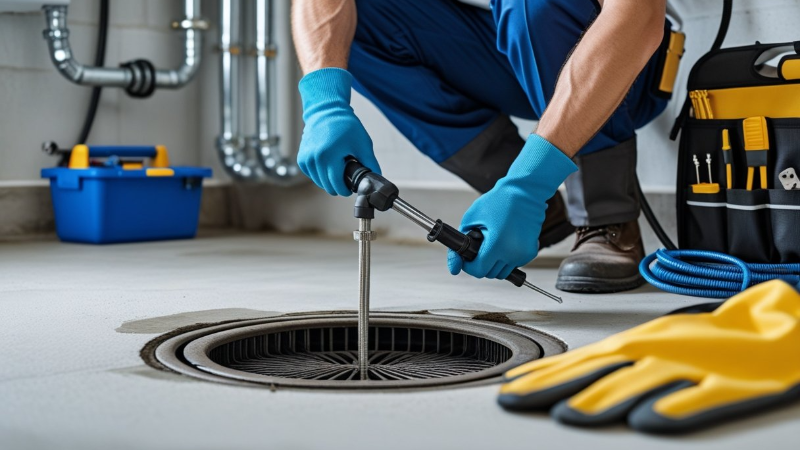
Clogged Basement Floor Drain Repair Made Easy and Affordable
A clogged basement floor drain can cause serious water buildup. This can lead to damage and costly repairs if you don’t fix it quickly.
The best way to repair a clogged floor drain is to find the cause and use the right cleaning methods or get professional help. Fixing the problem early protects your home from flooding during heavy rain or snowmelt.
If you live in Barrie, Orillia, or Newmarket, keeping your basement dry and protected from flooding is essential. Many homes in these areas rely on floor drains connected to sump pumps or drainage systems to manage excess water and prevent damage.
When these drains get blocked by debris, dirt, or roots, water can back up. This can cause big problems.
Knowing what causes clogs and how to fix them saves you time and money. You can try a simple DIY fix or call a licensed plumber with local experience.
Understanding Clogged Basement Floor Drains
Knowing why your basement floor drain clogs and how the system works helps you catch problems early. This keeps your basement dry and avoids expensive repairs.
Common Causes of Clogs
Clogs happen when debris blocks your drainpipe. Dirt, leaves, and small objects that enter through the drain grate can build up over time.
Soap scum and grease from household water can stick to pipes and narrow the flow. Tree roots often grow into underground pipes to find moisture, causing blockages and even pipe damage.
If your home uses a septic system, solids can enter the drain and cause clogs. Regular maintenance is important to prevent backups.
How Basement Drain Systems Work
Your basement floor drain connects to pipes that carry water away from your home. Water on the basement floor flows into the drain and then moves to the city sewer system or a septic tank.
A trap under the drain holds water to stop sewer smells from coming back into your basement. If this trap dries out, smells may escape or blockages can form.
Some basements have sump pumps to remove extra water during heavy rain or flooding. These pumps help prevent water from backing up into the floor drain.
Signs Your Basement Floor Drain Is Blocked
You might see slow draining water or pooling around the drain. This means water isn’t flowing down the pipes easily.
Bad smells from the basement floor drain can mean a blockage or a dry trap. You might also hear gurgling sounds when water drains.
If you see water backing up or unexplained damp spots in your basement, it could be a clogged floor drain. Act quickly to stop small problems from getting worse.
Assessing the Severity of the Clog
Knowing how bad the clog is helps you decide what to do next. Some blockages are easy to fix yourself, but others need a licensed plumber’s tools and experience.
Identifying the Source of the Blockage
Start by looking for what’s causing the clog. Debris, dirt, leaves, or tree roots under your property are common causes.
If water drains slowly or backs up, the blockage might be close to the drain. Water pooling around the drain or bad smells can mean the clog is deeper in your pipes.
Use a flashlight or drain snake to look for the blockage. Don’t pour harsh chemicals down the drain, as they can damage pipes.
When to Call a Professional
If water rises quickly or doesn’t drain at all, call a pro. Complex clogs, like those from tree roots or damaged pipes, need expert attention.
If you’re unsure about the cause or have tried basic fixes without success, a licensed journeyman plumber can clear the problem safely. Professionals have the right tools and knowledge to protect your plumbing.
Potential Risks of Ignoring Floor Drain Clogs
Ignoring a clogged basement floor drain can cause serious damage. Water that doesn’t drain can flood your basement and damage floors, walls, and your foundation.
Blocked drains can lead to mould and mildew, which hurt air quality and health. Standing water attracts insects and rodents, causing hygiene issues.
DIY Clogged Basement Floor Drain Repair Techniques
You can try several simple methods to clear a clogged basement floor drain yourself. Some tools and products help with minor blockages.
Be ready to remove debris and use safe solutions to keep your drain clear.
Using Plungers and Drain Snakes
Start with a plunger made for drains. Place it firmly over the drain and push down and pull up quickly several times.
This creates pressure and can loosen the clog. If the plunger doesn’t work, try a drain snake.
Insert the snake cable into the drain and rotate it as you push forward. This can cut through or pull out hair, dirt, roots, or other blockages.
Use gentle pressure to avoid damaging pipes. If you feel resistance, turn the snake back a bit and push again.
Clean the snake after use so it’s ready for next time.
Safe Chemical Solutions
Choose chemical drain cleaners that are safe for pipes and the environment. Look for products labelled as biodegradable or made for home plumbing.
Avoid harsh chemicals that can damage pipes or septic systems. Follow instructions carefully.
Pour the recommended amount into the drain and wait the suggested time before flushing with hot water. This helps dissolve grease, soap scum, and organic buildup.
Never mix different chemicals. If you need stronger action, repeat the process after a few hours.
If you’re unsure, reach out to a local plumber in Newmarket, Barrie, or nearby areas for expert advice and professional guidance.
Clearing Debris and Sediment
Remove the drain cover carefully. Use gloves and a flashlight to look inside for visible debris.
Use a small scoop or bent wire to pull out dirt, leaves, or hair clumps blocking the water flow. Sediment buildup might need a strong jet of water to flush the drain.
A wet/dry vacuum can suck out loose debris near the drain entrance. Doing this regularly prevents serious clogs and backups.
Check your sump pump and clear any sediment often. This helps protect your basement from water damage during heavy rain or snowmelt.
Professional Basement Floor Drain Repair Solutions
When your basement floor drain clogs, finding the exact cause helps you choose the right repair. Skilled plumbers use inspection tools and strong cleaning methods.
They offer repairs that match your drainage issue and help prevent future problems.
Inspection and Diagnosis Methods
The first step is to find what’s blocking your drain. Plumbers often use video camera inspections to look inside pipes.
This detects clogs from debris, tree roots, or pipe damage without digging up your floor. Sometimes, a pipe locator tool maps out underground pipes and finds hard-to-reach spots.
Accurate diagnosis helps professionals choose the best solution for your basement drain.
Hydro Jetting Services
Hydro jetting uses high-pressure water to clear tough blockages. It blasts away grease, soap scum, tree roots, and debris from your drain pipes.
This method is eco-friendly and doesn’t use chemicals. It cleans deep inside pipes and restores flow.
Hydro jetting works well for basement floor drains with regular backups or slow draining. After the service, your drain will flow better and have fewer clogs.
Pipe Repair and Replacement Options
Sometimes, clogs come from pipe damage like cracks or collapsed sections. Repairs may include patching leaks or replacing damaged parts.
For older homes or severe damage, full pipe replacement may be needed. Licensed plumbers use durable materials for Canadian climates.
Repair decisions depend on inspection results and your home’s plumbing layout. Transparent pricing and workmanship guarantees give you peace of mind.
Preventing Future Basement Floor Drain Clogs
Keeping your basement floor drain clear takes regular care and smart protection. Sometimes you may need to upgrade parts of your system.
Simple steps now can save you time and money later.
Routine Maintenance Tips
Check your basement floor drain often to prevent clogs. Look for debris or buildup around and inside the drain.
Flush the drain with hot water every few weeks to move grease or soap scum along. You can use a mild drain cleaner made for residential plumbing.
Avoid harsh chemicals, as they can damage older pipes. If you notice slow draining or gurgling sounds, call a licensed plumber before a bigger clog develops.
Installing Drain Strainers
Strainers catch hair, dirt, and small debris before they enter your basement floor drain. These devices are easy to fit and remove.
Clean the strainer regularly, at least once a week or after heavy use. If you use your basement often or have pets, check it more often.
Strainers protect your plumbing and reduce the need for emergency repairs. Choose a strainer built for basement drains that fits securely and lasts in moist environments.
Upgrading Older Drain Systems
Older drain pipes may be narrow, corroded, or damaged, which causes more clogs. Upgrading your basement floor drain system improves water flow and reduces problems.
Consider replacing old pipes with durable PVC or ABS materials. These resist corrosion and blockages better.
You can install a backwater valve to help prevent sewage backups during heavy rain or flooding. If you live in Aurora, Orillia, or Barrie, consult a licensed plumber familiar with local drainage conditions to ensure proper installation and protection for your home.
They can recommend the best upgrades for your needs and budget.
Basement Water Damage Prevention and Restoration
When your basement floor drain clogs, water can back up fast. This causes damage and dampness.
Act quickly and know how to clean and dry the area to avoid costly repairs. Keeping moisture under control protects your home and lowers the chance of future problems.
Immediate Steps After a Backup
If water backs up in your basement, stop the source if you can. Turn off sump pumps or any water supply connected to the drain to reduce flow.
Remove standing water with a wet/dry vacuum or a pump if the water is deep. Don’t use household vacuums, as water can ruin them.
Wear gloves and boots to protect yourself from dirty water, especially if sewage is involved. Ventilate the space by opening windows and running fans to move air and slow mold growth.
Cleaning and Drying Your Basement
After removing water, clean all surfaces with a disinfectant to kill bacteria and mold spores. Scrub hard floors and walls with a mix of water and bleach (1 cup per 4 litres of water).
Dry the basement well with fans and dehumidifiers. The faster you dry the space, the lower the risk of mold.
Remove wet items like carpets or furniture, as they hold moisture and can smell or decay. Check for hidden damp areas behind walls or under flooring that might need more drying.
Long-Term Moisture Control Strategies
Keep your basement dry by regularly maintaining your floor drains and sump pumps. Installing a battery backup sump pump is a smart choice in areas like Barrie, Newmarket, and Richmond Hill, where strong storms and power outages are more common.
They keep your basement dry even when the power is out. Seal cracks around your foundation to stop water from seeping in.
Make sure gutters and downspouts direct water away from your home’s base. Consider installing a water softener or well pump system if hard water or groundwater causes extra moisture.
Regular inspections by a licensed professional help catch problems early. This stops damage before it starts.
Choosing the Right Drain Repair Service
When you face a clogged basement floor drain, choosing the right repair service is important. Look for a company with licensed journeyman plumbers who understand local plumbing systems and codes in your area, such as Simcoe County or York Region.
This ensures they do the job safely and correctly. Choose a veteran-operated and family-owned business for experience and care.
These companies know how to protect your home or cottage from future problems. They give you peace of mind.
Check if the service provides transparent pricing before starting work. This helps you avoid surprises on your bill.
Ask about their warranty or workmanship guarantee. You’ll know they stand behind their repairs.
Here’s a quick checklist for choosing your repair service:
| What to Look For | Why It’s Important |
|---|---|
| Licensed Journeyman Plumber | Ensures professional, safe repairs |
| Veteran & Family Owned | Trusted, experienced, caring service |
| Transparent Pricing | Avoids unexpected costs |
| Service Warranty | Protects you if issues come back |
| Local Knowledge | Familiar with Ontario plumbing rules |
Pick a local expert who understands sump pumps, well pumps, and septic systems if your drain issues are related to these systems. Experts in cottage plumbing or rural systems are especially valuable in Muskoka or similar regions.
Find a company that aims for first-time-right repairs so your drain stays clear longer. This saves you time and money.
Frequently Asked Questions
You might face blocks in your basement drains for different reasons. Some involve standing water, others happen during laundry, or even serious sewage backups.
Knowing what to do helps you handle these problems faster.
What are common methods to unclog a basement drain with standing water?
Try using a plunger to push the clog through. A drain snake or auger can break up deeper blockages.
Sometimes pouring hot water mixed with mild detergent helps clear grease.
How can you deal with a basement drain that backs up when doing laundry?
This usually means the drain line is partly blocked or the sewer vent is clogged. You may need to clean the drain pipe or check the vent on your roof.
Running the washer slowly and avoiding overloading can also reduce backups.
What should you do if your basement floor drain is backing up with sewage?
Stop using water immediately. Sewage backups are serious and need quick professional help.
Call a licensed plumber experienced with septic systems or sewer repairs in York Region or Simcoe County. This helps you avoid health risks and damage.
Can you explain the different types of basement floor drains?
There are several types, like grate drains with metal covers. Tile drains have smaller openings.
Trench drains provide wider coverage. Each type fits different basement layouts and water flow needs.
How much typically does it cost to get a plumber to unclog a basement drain?
Prices depend on the problem’s complexity and your location. In Ontario, expect to pay between $150 and $400 for a typical clog removal.
You may pay extra if special equipment or repairs are needed. Always ask for upfront pricing.
What fixes are available for a blocked old house basement drain?
Old drains may need pipe replacement if damage or corrosion occurs.
High-pressure water jetting can clear out roots or debris.
In some cases, installing a sump pump helps manage water buildup and prevent backups.