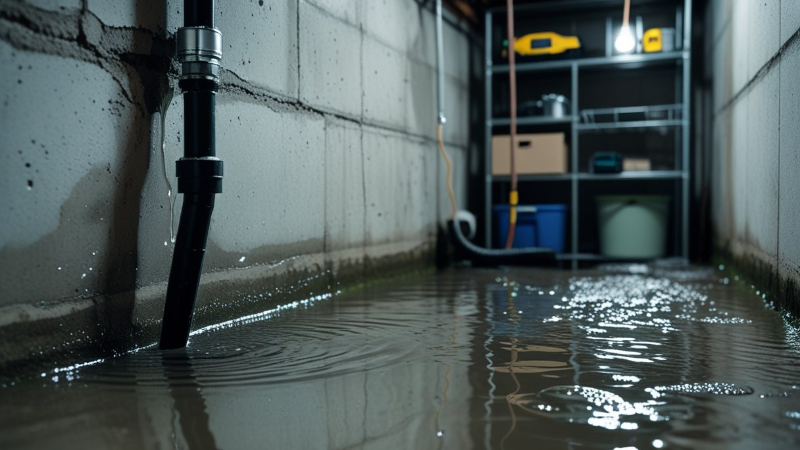
What to Do When You Notice a Water Leak in Your Basement Friendly Tips to Protect Your Home
Noticing a water leak in your basement is never fun, but acting fast can spare you a real headache. First things first—stop the water source and check for immediate damage. That might mean shutting off your main water supply or dealing with any obvious plumbing mishaps right away.
Once things are under control, try to figure out what’s causing the leak. Maybe it’s a broken pipe, a tired old sump pump, or just groundwater sneaking in. Knowing where the water’s coming from helps you decide if you need to call in the pros or if you can handle it yourself.
If you’re in Simcoe County, Muskoka, or York Region, Harris Plumbing has been sorting out these issues for over 51 years. They handle everything from sump pump repairs to leaky pipes in homes and cottages, so you don’t have to stress as much when things go sideways.
Identifying a Water Leak in Your Basement
Catching a water leak early can save you a lot of hassle. Spotting the signs and knowing what kinds of leaks happen most often lets you jump on the problem before it gets out of hand.
Common Signs of Basement Water Leaks
You might see damp spots on the walls or floor that just never seem to dry. Mold or mildew growing in corners or along the baseboards? That’s a big red flag. Don’t ignore musty smells either—those usually mean moisture is lurking somewhere.
Water stains or peeling paint are dead giveaways. Sometimes you’ll notice puddles or damp patches after a heavy rain. If your basement feels colder and more humid than usual, water could be creeping in.
Check for these signs regularly. Letting them slide can mean way more trouble down the road.
Types of Water Leaks
Basement leaks often start with cracks in the foundation. Rain or melting snow finds its way in through those gaps.
Pipes are another usual suspect. Watch for bulging, dripping, or damaged pipes. Plumbing disasters like burst pipes can flood your basement fast.
Don’t forget about drainage outside. If gutters and downspouts can’t get water away from your house, it’ll end up right where you don’t want it.
If you see any of these signs, Harris Plumbing has Ontario experts who can track down and fix the problem quickly.
Immediate Steps to Take When You Discover a Leak
Spot water in your basement? Act quickly to limit the mess. You’ll want to stop the water, protect your stuff, and make sure the area’s safe.
Shutting Off the Water Supply
Right away, shut off your home’s main water supply. This stops more water from coming in. Look for the main valve near your water meter or where the pipe enters the house.
Turn it clockwise until it won’t go further. If it’s stuck, don’t force it—call a licensed plumber. Harris Plumbing can help if you can’t find the valve.
Cutting the water limits damage and makes cleanup less overwhelming. If the leak’s from an appliance like a washing machine or water heater, you can turn off just that unit’s supply instead.
Removing Valuables and Furniture
Once you’ve stopped the water, move anything valuable out of the wet zone. Get furniture, rugs, boxes, and electronics off the basement floor. Water can wreck wood, paper, and electronics fast.
Put items in another room or up high until everything’s dry. Plastic bins work well for smaller stuff. Keep important papers and devices safe.
Moving your things early keeps them from getting ruined. If you have a sump pump, double-check that it’s running to remove standing water.
Ensuring Electrical Safety
Water and electricity—bad combo. If water’s close to outlets, appliances, or your electrical panel, flip the power off to the basement at your circuit breaker.
Don’t touch anything electrical if it’s wet or near water. If your breaker panel is wet or you smell something burning, get out and call an electrician.
Safety comes first. Keep kids and pets away until things are dry and safe. Harris Plumbing suggests checking electrical safety often during leaks.
Containing and Minimimizing Water Damage
When you find a leak, don’t wait around. Jump in and keep the water from spreading. Dry things out as soon as possible.
Using Towels and Buckets
Grab thick towels or rags and soak up water on the floor. Lay them down where water is pooling. Swap out wet towels for dry ones as needed.
Put buckets or containers under any active drips. Place them right under the leak to keep more water off the floor. Move carefully—wet floors are slippery.
Towels and buckets are a quick fix, not a solution, but they buy you time until professional help arrives. Acting fast keeps floors and walls from suffering more damage.
Setting Up a Dehumidifier
Once you’ve mopped up most of the water, set up a dehumidifier. It’ll pull moisture from the air and help stop mold. Close up windows and doors so it works better.
Empty the dehumidifier’s water tank often. If you don’t have one, a fan helps, but a dehumidifier does a better job.
Dehumidifiers dry things out faster and protect your basement’s structure. It’s a must-do to avoid long-term damage after water cleanup.
Finding the Source of the Leak
When you see water in the basement, you’ve got to figure out where it’s coming from. Otherwise, you’re just playing whack-a-mole.
Inspecting Pipes and Fixtures
Start with the pipes. Check water supply lines, drain pipes, and visible connections for drips or wet spots.
Focus on joints and valves—these are trouble spots. Even a tiny drip can add up.
Check plumbing fixtures like sinks, water heaters, and sump pumps. Bad seals or broken parts can leak.
If you spot rust or corrosion, that could be your culprit. Tighten or swap out parts if you can, but call in experts for bigger issues.
Checking Basement Walls and Floors
Water likes to sneak in through cracks or gaps. Walk around and look for damp spots, peeling paint, or white chalky stains (that’s efflorescence).
Pay special attention to corners and where the wall meets the floor—classic entry points.
Check outside, too. Bad drainage near your foundation pushes water inside. Gutters and downspouts should send water far from your home.
If you find cracks, sealing them or adding a sump pump might help. Harris Plumbing can handle sump pump installs and emergency repairs in York Region.
When to Call a Professional
Sometimes, a basement leak is just too much to handle alone. There are clear signs when you need to bring in the experts. The right pro makes all the difference in getting things fixed quickly and properly.
Signs You Need Expert Help
If water is pooling or spreading fast, call a pro. Leaks that last more than a few hours or show up after big storms might mean foundation or plumbing trouble. Mold, damp spots, or musty smells? Get help.
Water near electrical outlets or appliances is a big safety risk—don’t try to fix that yourself. Sump pump failures or broken pipes are jobs for licensed plumbers. DIY repairs can make things worse or miss hidden problems.
Choosing the Right Contractor
Find a company that knows your area, like Harris Plumbing, serving Simcoe County and York Region for decades. Go with fully licensed journeyman plumbers who give clear pricing and honest advice.
Check reviews or ask for references. It’s smart to pick someone who specializes in sump pump repair, well pump service, or basement waterproofing if that’s what you need. A good pro checks the whole problem before starting work, making sure they fix the real issue.
Preventing Future Water Leaks
Want to avoid this mess again? A little prevention goes a long way. Regular maintenance and the right waterproofing keep your basement dry.
Regular Maintenance Tips
Keep gutters and downspouts clear. If they’re blocked, water pools near your foundation. Downspouts should send water at least 2 metres away.
Check the ground around your house. It should slope away from the foundation.
Test your sump pump often, especially in wet seasons. Pour water in the pit and make sure it turns on.
Look for cracks in basement walls and floors. Seal small ones with waterproof sealant before they get worse.
Inspect your plumbing for leaks or worn pipes. Catching problems early saves you a ton of grief.
Waterproofing Solutions
Slap on some waterproofing products for a solid defense. Try sealants, membranes, or special coatings that block water.
Install a sump pump with battery backup. That way, you’re covered during power outages—super important if you get heavy rain or spring melts.
If water still gets in, consider exterior waterproofing. That means digging around the foundation to add a barrier and drainage.
You could also add a French drain around the house to steer water away.
Want help? Harris Plumbing offers professional waterproofing in Simcoe County and Muskoka. Their team can figure out what’ll work best for your place.
Insurance and Documentation
If your basement’s taking on water, you’ll want to stay organized. Good records make repairs and insurance claims way smoother. A little paperwork now can save you a lot of hassle later.
Documenting the Damage
Take clear photos and videos of all the damage—floors, walls, your stuff, everything. Use your phone, get a bunch of angles.
List out what got damaged, with values or when you bought them if you remember. Receipts help but aren’t always possible. This info makes your insurance claim easier.
Note when you found the leak and what you did to stop it, like calling Harris Plumbing. Keep all your notes and communications together.
Filing an Insurance Claim
Call your insurer as soon as you can. Give them the details and have your notes handy. Most companies want quick reporting to approve claims.
Send them your photos and damage list. Be honest about what happened. Ask what comes next—will an adjuster come out to see the basement?
Keep copies of every form and email. You might need to follow up or send more info. Staying on top of it helps get your claim sorted and repairs started.
Restoring and Cleaning Your Basement
Once the leak’s stopped, it’s time for cleanup and repairs. You’ve got to dry everything out and keep mold from taking over.
Drying Out the Area
Start by getting rid of any standing water with a wet/dry vac or pump. Use fans and dehumidifiers to dry things out faster. If the weather’s good, crack open some windows for airflow.
Check every nook—walls, floors, corners. Moisture hides in cracks or under floors. If you have carpet, you might need to pull it up to keep mold from growing.
Use a hygrometer to track moisture levels. Keep fans and dehumidifiers running until things are dry. If you’ve got a sump pump, make sure it’s ready to go for next time.
Mold Prevention and Removal
Mold shows up fast in damp basements. To keep it away, scrub surfaces with water and mild detergent, or grab a commercial mold cleaner if you prefer. A brush works best for getting into those stubborn spots.
Don’t forget gloves and a mask when you’re dealing with moldy stuff—it’s just safer. If you notice mold coming back after you clean, or if it’s spread over a large area, it’s probably time to call a pro.
For long-term dryness, check your sump pump every year. Harris Plumbing helps with pump maintenance and repairs all over Simcoe County and York Region, so you can keep your basement dry and not worry about surprise puddles.
Frequently Asked Questions
If you see water leaking in your basement, it’s best to jump on it fast. Figuring out who to call and what to do next can make a big difference. Here are some straightforward answers to the basement leak questions people ask most.
Who should I contact if my basement is leaking after a storm?
Reach out to a licensed plumber who knows their way around basement leaks. If you’re in Simcoe County or Muskoka, Harris Plumbing is a solid choice—they’re quick to respond and can track down the source. They’ll let you know what needs fixing.
What steps can I take to address water leaking from the basement walls?
If you can, stop the water at its source. Get rid of standing water with a pump or wet vac, then dry things out with fans. After that, look at fixing any cracks or use waterproof sealant on the walls. A plumber can walk you through these repairs if you’re not sure.
How can I prevent water from coming into my basement from the outside?
Check your gutters and downspouts—they should send water away from your foundation, not toward it. The ground around your house should slope away too, so rain doesn’t pool up. Sometimes, adding a sump pump is a smart move to handle water that collects near your basement.
What should I do if I find water in my basement where the floor meets the wall?
That usually means water’s sneaking in through cracks or maybe the foundation’s leaking. Mop up the water and dry the area. Then get a plumbing expert to check things out and suggest repairs or drainage fixes. Moving fast helps keep mold and bigger headaches at bay.
Is it costly to repair a basement that has water leakage issues?
The price depends on how bad the leak is and what’s causing it. Small cracks and minor leaks aren’t too pricey to fix. Bigger stuff like foundation repairs or putting in a sump pump can cost more, but it’s worth it to avoid bigger problems down the road. Ask for a quote from Harris Plumbing or another company so you know what to expect.
What are the best methods to fix a leaky basement wall from the inside?
You’ve got a few options here. Some folks go with waterproof paint or epoxy coatings—pretty straightforward, but not always a permanent fix. You might also try injecting sealants right into the cracks; that can really stop water in its tracks if you do it carefully. For bigger problems, people sometimes put in a drainage system inside the wall to steer water away before it causes more trouble. Honestly, it’s smart to call in a plumber you trust—they’ll size up the situation and tell you what actually makes sense for your basement.