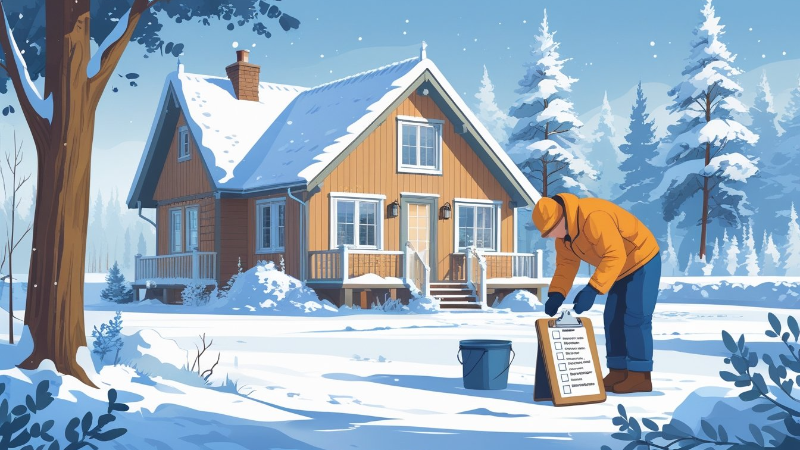
Why Seasonal Cottages Need Proper Winter Shutdown Procedures to Protect Your Home and Save Money
If you own a seasonal cottage in Ontario, you know how brutal the winters get. Proper winter shutdown procedures are crucial for protecting your cottage plumbing and dodging expensive damage during the cold months. Skip the right steps, and you might come back to frozen pipes or water damage—never a fun surprise in the spring.
Shutting down your cottage right means draining water from pipes, safeguarding pumps and septic systems, and making sure everything’s locked down against the deep freeze. Harris Plumbing, working in places like Simcoe County and Muskoka, has helped plenty of cottage owners avoid winter plumbing chaos by sticking to trusted procedures.
A little effort now saves you from headaches and repairs later. Whether you’re in Barrie, Orillia, Newmarket—wherever—knowing what to do keeps your cottage safe and ready for next season.
The Importance of Winter Shutdown Procedures
When winter hits, your seasonal cottage faces some real risks. Taking the right steps keeps damage at bay and helps you dodge expensive repairs.
Protecting Property from Damage
If you don’t shut down your cottage properly, freezing temperatures can wreak havoc. Water left in pipes freezes, expands, and cracks plumbing lines or fixtures. This happens a lot in Muskoka or Simcoe County where cold snaps are just part of life.
To keep your cottage safe, drain every bit of water from pipes, tanks, and appliances. Insulate exposed pipes, too. Leaving water in the system cranks up your odds of burst pipes and sneaky leaks you won’t spot until spring.
Winter-proofing also means locking down outdoor faucets and shutting off the main water valve. Well pumps and septic tanks need extra care—if they fail, you’re looking at big bills or even health hazards.
Harris Plumbing, working in York Region and beyond, always recommends a thorough plumbing winterization to keep your cottage protected.
Preventing Costly Repairs
Skipping proper shutdowns? That’s asking for plumbing disasters. A burst pipe can flood your cottage, ruin floors, walls, and your stuff.
Repairs aren’t just about patching leaks—you might have to swap out whole sections of piping or replace appliances wrecked by frost. And if you need an emergency plumber in a remote spot, you’ll probably pay a premium.
Stopping these problems before they start saves you money and hassle. It also means you can enjoy your place right away next season.
Bringing in licensed journeyman plumbers from Harris Plumbing gets the job done right. They know rural plumbing and sump pump systems in spots like Orillia, making them a solid pick for Ontario cottage owners.
Key Steps for Proper Seasonal Cottage Shutdown
You’ll want to handle water systems carefully, lock up windows and doors, and stash outdoor gear properly. Do these well, and you’ll cut down on damage and keep your place ready for spring.
Draining Water Systems
Draining all water from pipes, tanks, and appliances is a must. Water freezes below 0°C and can burst pipes, causing a mess. Start by shutting off the main water supply.
Open every tap to let water drain out. Flush toilets, drain water heaters—don’t skip anything. Sometimes you’ll need plumbing-safe antifreeze for stubborn spots that hold water.
If your system’s complicated—well pumps, lake water supplies—consider hiring a trusted local pro like Harris Plumbing. They’ll make sure everything’s drained safely, especially in Muskoka or Simcoe County.
Securing Windows and Doors
Lock all windows and doors tight to block out cold air and critters. Check for drafts around frames. Weatherstripping or a bit of caulk goes a long way.
If you’ve got storm windows or shutters, close and lock them. Take down curtains or blinds that might trap moisture on the glass. Clean window tracks and door hinges so you don’t get frost build-up.
A well-sealed cottage keeps heat in and plumbing safer. In places like Orillia or Richmond Hill, these details matter for keeping your place comfortable through those rough Ontario winters.
Cleaning and Storing Outdoor Equipment
Before winter, clean your outdoor gear—lawn mowers, grills, garden tools—to prevent rust and damage. Drain fuel from machines; it keeps clogs and corrosion away. Take out batteries and store them somewhere warm.
If you’ve got a shed or garage, stash everything inside. No room? Cover stuff with waterproof tarps. Check on your gear now and then so it’s ready when summer rolls back around.
Keeping outdoor equipment tidy also keeps your cottage yard safer and pathways clear when the snow piles up. Harris Plumbing customers in York Region know a neat yard makes winter a little less stressful.
Common Mistakes in Winterizing Cottages
Missing key steps when you’re shutting down for winter can lead to real trouble—damage, repairs, you name it. Two big slip-ups: forgetting electrical safety and ignoring pest prevention. Both can mess up your property if you don’t pay attention.
Forgetting to Unplug Appliances
People often forget to unplug appliances before leaving for winter. Leaving stuff plugged in wastes electricity and could even spark a fire. It’s easy to overlook little things like coffee makers, microwaves, or chargers.
Larger appliances—electric heaters, dehumidifiers—should be unplugged and cleaned, too. Moisture inside appliances can lead to mould or corrosion, and that’s just asking for repairs.
Unplugging also shields your gadgets from power surges during storms, which Ontario winters love to throw at us. Make a checklist and unplug everything before you lock up. It’s a simple way to avoid headaches.
Neglecting Pest Prevention
Pests look for warm spots when it gets cold. If your cottage isn’t sealed tight, rodents and bugs will move right in. They chew wires, wreck insulation, and leave messes that are a pain to clean up.
Just closing windows and doors isn’t enough. Seal up every gap, crack, and vent. Check around pipes, attics, crawl spaces—anywhere critters might sneak through.
Set traps or use safe deterrents before you go. If you’re not sure where pests might get in, a trusted company like Harris Plumbing can help inspect your plumbing and foundation in Simcoe County. A little extra effort keeps your cottage pest-free.
Long-Term Benefits of Effective Shutdown
Taking the time for a proper shutdown protects your investment and helps you avoid nasty surprises after months of cold. It’s a move that just makes sense if you want to keep enjoying your cottage for years.
Extending Cottage Lifespan
Proper shutdown keeps pipes from freezing and bursting, which can cause serious water damage. Draining your plumbing and insulating trouble spots stops cracks and leaks before they start.
Turn off water supplies and put antifreeze in traps to keep standing water from freezing inside your plumbing. You’ll thank yourself next spring when you don’t have to call a plumber.
Your furnace, sump pumps, and other systems also last longer when you care for them during shutdown. Harris Plumbing always talks about how important this is, especially in Muskoka and Simcoe County, where winters are no joke. Keeping equipment in shape cuts down on repairs and saves you money.
Maintaining Structural Integrity
Winter can be rough on your cottage’s structure if you don’t prep it right. Moisture trapped in walls or floors freezes, expands, and can crack foundations or warp wood. Draining pipes and getting rid of humidity helps prevent this.
Seal windows and doors tight to keep out drafts and moisture. That keeps things dry and cuts down on mould or rot. Check rooftops and gutters for damage before you leave—ice dams can cause leaks if you’re not careful.
Take these steps and your cottage will stand up to winter storms and those wild freeze-thaw cycles Ontario gets. It’s worth it for peace of mind.
Eco-Friendly Shutdown Practices
When you’re shutting down for winter, it’s good to think about the environment too. Using less energy and picking safe products helps protect the lakes, woods, and wildlife around your cottage.
Reducing Energy Consumption
Lower the thermostat before you leave—no point heating an empty place. Turn off all lights and unplug devices to cut down on energy use and save some cash.
If you use a well or lake pump, shut it off properly. Leaving pumps running all winter just wears them out and wastes electricity. Harris Plumbing recommends getting a professional to check things over in colder areas like Muskoka, just to be sure.
Switching to ENERGY STAR® appliances or LED bulbs before you leave can also help. These changes aren’t huge, but they do add up over time.
Using Environmentally Safe Products
Go for biodegradable antifreeze and cleaning supplies. They protect your pipes but don’t dump harsh chemicals into the ground or water. Avoid strong solvents or toxins—they can mess up lakes and hurt fish.
Get rid of leftover paint or fuel the right way—don’t pour it down the drain or on the ground. Harris Plumbing suggests checking with local Ontario waste disposal spots for safe options.
Using eco-friendly products is just common sense, especially in places like Barrie or Orillia where cottages are close to sensitive areas. It’s a small thing that keeps the outdoors beautiful for everyone.
Frequently Asked Questions
Shutting down your cottage for winter means handling some specific chores—protecting plumbing, electrical, and structure. You’ll want a plan, some checklists, and a few security tweaks to keep things safe.
What steps should I follow on a cottage closing checklist before the winter season?
Drain all water from pipes and appliances. Clear out perishables and take out the trash. Turn off the main water supply and unplug anything you don’t need running.
How can I ensure my vacation home is secure when closing it for the winter?
Lock every door and window. Think about adding a security system or timers for lights. Let a neighbour or local service know so they can check in now and then.
Are there specific items on a winterize cottage checklist that I shouldn't overlook?
Don’t forget to insulate exposed pipes and disconnect garden hoses. Protect sump pumps with battery backups. Give your roof and gutters a once-over to stop ice dams.
What is the ideal temperature to maintain in an unoccupied house during the cold months?
Keep the heat at about 10°C (50°F). That’s warm enough to stop pipes from freezing but won’t hit your wallet too hard.
How to prepare your cottage's plumbing system for freezing temperatures?
Drain every water line and add antifreeze to toilet bowls and traps. Leave cabinet doors open so warm air can move around pipes.
Can you provide tips for leaving a house unattended for an extended winter break?
Before heading out, shut off all water valves and drain appliances like the water heater. If you can, cut the power to any systems you won’t use while you’re gone. It’s smart to ask someone you trust to check in on the place now and then—problems have a way of showing up when you least expect them.
Harris Plumbing often suggests these steps to cottage owners in Muskoka and Simcoe County, where winter can get pretty intense. If you’re not sure where to start, their licensed journeyman plumbers can help with winterizing and keeping your property protected.