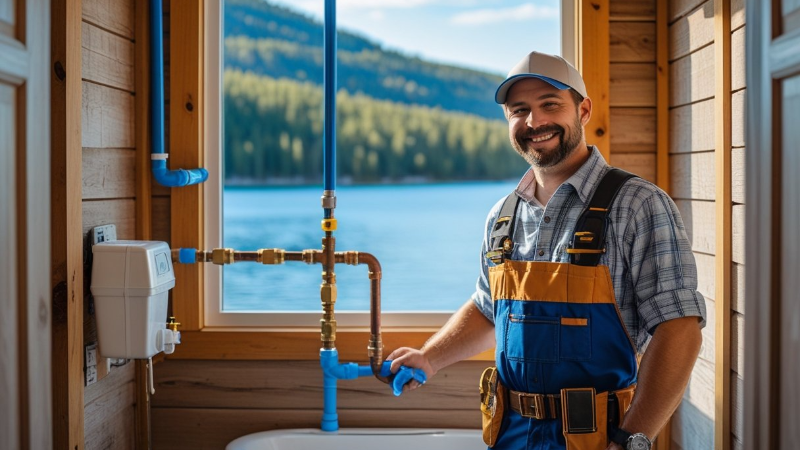
Best Plumbing Practices for Lakefront Cottages in Muskoka: Friendly Tips for Reliable Water Systems
If you’ve got a lakefront cottage in Muskoka, you already know how much reliable plumbing matters for your comfort and sanity. The mix of seasonal weather and lakeside quirks can throw some unique curveballs—frozen pipes, sump pump headaches, water supply hiccups. The best plumbing practices for your cottage are all about keeping pipes safe from the cold, making sure your well or lake pump actually works when you need it, and having a backup sump pump ready for surprises.
Using good materials and keeping up with maintenance goes a long way to stop expensive problems before they start. It’s honestly worth finding licensed journeyman plumbers who get Muskoka’s climate and the quirks of cottage plumbing. Harris Plumbing, with over 51 years helping out in Ontario’s rural and lakefront spots, specializes in keeping cottages running smoothly through every season.
Smart moves like checking your septic system every year, putting in battery backup sump pumps, and winterizing your pipes can help you dodge those “oh no” moments. Whether you’re in Orillia, Barrie, or tucked away in Muskoka, these tips make your plumbing less stressful and a lot more reliable.
Plumbing Code Essentials for Lakefront Cottages
When you’re setting up plumbing in your Muskoka cottage, there are some rules you just can’t skip—permits, code standards, and thinking about how you’ll actually use your place through the year. These details keep your plumbing safe, legal, and running right.
Muskoka Building Permit Requirements
If you’re planning any plumbing changes or new installs, you’ll almost always need a building permit from your local town. Muskoka wants to make sure your plumbing meets safety codes and doesn’t mess with the environment.
Getting a permit means:
- Officials check your plans.
- Someone inspects your work at important stages.
- You skip fines or having to tear stuff out later.
Permits usually cover water lines, septic systems, and any work near the lake to protect nature. Cottages in places like Orillia or Bracebridge might have extra rules for shoreline setbacks and drainage.
Before you start, call your local building department. It’s a pain, but it protects your investment and saves you from expensive mistakes. Harris Plumbing’s licensed journeyman plumbers can help with the paperwork and inspections.
Important Plumbing Regulations
Your plumbing has to follow Ontario’s Building Code and local Muskoka bylaws. These rules cover things like what pipes you use, stopping backflow, and venting.
Here’s what matters:
- Use strong materials that won’t freeze or rust out.
- Put in backflow valves to keep lake water clean.
- Make sure septic tanks and beds are the right size in the right spot.
- Keep plumbing at least 15 metres from the lake shore in most cases.
These rules help stop pollution and system failures. Plumbers who know Muskoka’s rules keep your cottage safe and help you pass inspections (and keep your insurance valid).
Seasonal Usage Considerations
Lakefront cottages often sit empty in winter, so plumbing has to survive freezing temps and long stretches of no use. You’ll want to:
- Insulate pipes and valves.
- Drain water lines or use winterizing systems so pipes don’t burst.
- Consider battery backup sump pumps for power outages.
- Keep up with septic maintenance, especially after the place has been empty.
Harris Plumbing can help you get your cottage plumbing ready for the seasons. Good planning means fewer repairs and safer water, whether you’re in Barrie or Muskoka.
Water Quality and Source Management
Managing your water source is crucial for safe, reliable cottage plumbing. Treating water right, testing it regularly, and picking eco-friendly systems all help keep your water clean in Muskoka.
Safe Well and Lake Water Filtration
If you’re pulling water from a well or straight from the lake, you absolutely need a good filtration system. A solid filter gets rid of sediment, bacteria, and other stuff that can mess with your health or your pipes.
Multi-stage filters are great—they start with the big particles, then tackle bacteria or chemicals. UV filtration is a solid choice too, zapping microorganisms without chemicals. Make sure your filter actually fits your water flow and volume.
Don’t skip maintenance. Swap or clean filter cartridges as recommended, especially before and after cottage season, to avoid clogs or bacteria building up.
Testing for Contaminants
Regular water testing is just smart. For lake or well water in Muskoka, check for bacteria like E. coli, nitrates, iron, and other minerals. These can cause health issues or clog up your plumbing.
Certified labs in Barrie or Orillia can give you accurate results. Twice a year—spring and fall—works for most people. After big storms or flooding, test again to be sure.
If you find contaminants, you can pick the right filter or treatment system. Testing helps keep your water safe and can save you from big repair bills later.
Choosing Eco-Friendly Water Systems
Eco-friendly water systems protect Muskoka’s beauty and keep your water clean. Look for softeners and filters that use less salt or chemicals. Salt-free or potassium-based softeners are gentler on the environment.
Energy-efficient pumps also help lower your power bill. Harris Plumbing’s folks can suggest products that actually work for seasonal cottages, so you’re not wasting water or electricity.
Choosing products made for rural Ontario helps protect lakes and forests from runoff and pollution, while you still get fresh water at the cottage.
Preventing Water Damage and Flooding
Protecting your Muskoka lakefront cottage from water damage takes more than luck. Careful pipe installs, picking the right materials, and smart yard drainage help keep your place dry and your plumbing working even during the soggiest seasons.
Waterproofing Pipe Installations
Waterproofing your pipes matters if you want to avoid leaks and damage. Seal all pipes entering or leaving your cottage with quality tape or sealant. Protective sleeves on underground pipes stop moisture from creeping in and freezing during winter.
When pipes go through concrete or walls, use a rubber gasket or sleeve to block leaks. Check pipe joints for cracks or holes now and then. A licensed journeyman plumber in Ontario, like Harris Plumbing, can insulate and seal pipes properly so water doesn’t sneak into your walls or floors.
Flood-Resistant Plumbing Materials
Flood-resistant materials make a big difference during Muskoka’s wet seasons or spring thaws. Go for cross-linked polyethylene (PEX) or copper pipes—they resist corrosion and handle shifting ground better than PVC.
Stay away from materials that crack in the cold. Backflow preventers on sewage and drain lines are a must; they stop dirty water from backing up into your cottage during storms or floods. Investing in flood-resistant valves and pipes gives you peace of mind for the long haul.
Yard Drainage Design for Cottages
Good yard drainage is underrated. Grade your land so water flows away from your place—about a 2% slope (2 cm drop per metre) does the trick.
French drains or dry wells collect water underground and move it away from septic or well systems. Rain gardens or gravel beds near driveways and walkways soak up runoff. Don’t let downspouts dump water right next to your walls; extend them at least 1.5 metres out.
Solid yard drainage keeps your Muskoka cottage plumbing in good shape. If you’re not sure, ask a local plumber like Harris Plumbing who knows the area.
Winterization and Seasonal Maintenance
Looking after your cottage plumbing in winter means focusing on pipe protection, shutting down water lines the right way, and picking fixtures that handle frost. This keeps your plumbing safe and ready when you come back in spring.
Drainage and Pipe Insulation for Winter
Drain all water from outdoor pipes and irrigation before the freeze sets in. Any leftover water can freeze and burst pipes. Take off garden hoses too.
Insulate pipes with foam sleeves or heat tape, especially those near outside walls or in crawl spaces. Insulation slows down heat loss and helps prevent freezing.
In Muskoka, where winter gets seriously cold, proper drainage and insulation can save you a lot of trouble (and money).
Shutting Down Plumbing During Off-Season
If your cottage sits empty for months, shut off the main water valve and drain all pipes, drains, and fixtures. This lowers the risk of frozen pipes while you’re away.
Flush toilets and open taps after draining to get rid of leftover water. If you use a well or lake pump, make sure the pump and pressure tank are winterized too.
Doing this right gives you peace of mind when your cottage is closed up for the winter.
Frost-Proof Fixtures and Fittings
Frost-proof outdoor taps and fittings are a smart investment for Ontario cottages. These extend further into heated walls, letting water drain out after use so nothing sits in a spot that could freeze.
Check that all outdoor fixtures drain properly and are wrapped with insulated covers or foam. Using frost-proof fittings on docks or outdoor washrooms cuts down on maintenance and lowers the risk of burst pipes.
Picking the right frost-proof parts keeps your plumbing solid year after year. Harris Plumbing experts can suggest what works best in Simcoe County or Muskoka.
Eco-Friendly Plumbing Upgrades
You can cut water use and help protect Muskoka’s lakes with some smart plumbing upgrades. These changes save you money on water bills and help the environment by using less fresh water and reusing greywater where it makes sense.
Low-Flow Toilets and Showers
Low-flow toilets and showerheads make a big difference. Standard toilets use over 6 litres per flush; low-flow models can use as little as 4.8 litres. That adds up to thousands of litres saved each year.
Low-flow showerheads drop water use to about 7.6 litres per minute, compared to 15 litres for older ones. You still get a good shower, just with less waste and lower heating costs.
If your cottage is near a lake, cutting water use helps your well and septic system last longer. Harris Plumbing can help you pick models that meet Canadian standards and fit your setup.
Greywater Reuse Systems
Greywater systems collect water from sinks, showers, and laundry, then treat it for use in gardens or flushing toilets. This means you need less fresh water and put less pressure on your septic system.
In Muskoka, where septic systems are everywhere, reusing greywater helps keep lakes clean. These systems need to be installed and looked after properly to meet health and environmental rules.
Setting up a safe, dependable greywater system takes the right filters and plumbing design. Harris Plumbing can walk you through it. It’s a smart step for anyone wanting to waste less water and keep their cottage eco-friendly.
Frequently Asked Questions
Caring for your Muskoka lakefront cottage means understanding how to protect your plumbing through the seasons. From stopping winter freezes to picking greener options, there are a few key things you’ll want to know to keep your system running and avoid big repair bills.
What are essential plumbing maintenance tips for Muskoka cottage owners?
Check visible pipes for leaks or damage every so often. Keep your sump pump clear and run it once a month during summer.
Flush your water heater yearly to clear out sediment. Test faucets and drains to make sure they’re running right.
How do I winterize plumbing in my Muskoka lakefront cottage?
Shut off the main water supply before winter hits. Drain pipes completely and use an air compressor to blow out any leftover water.
Pour plumbing-safe antifreeze in traps and toilet bowls. Insulate exposed pipes with foam sleeves or heat tape to keep them from freezing.
Can you recommend eco-friendly plumbing solutions for cottages by the lake?
Low-flow faucets and showerheads save water without losing pressure. Dual-flush toilets help cut water use on waste.
Rainwater harvesting systems can handle outdoor water needs, so you don’t have to rely as much on your well or the lake. Eco-friendly plumbing products help protect water quality, too.
What should I look for in a local Muskoka plumber for my cottage needs?
Find a plumber who knows seasonal cottages and rural plumbing. A licensed journeyman plumber brings quality and reliability.
Check for good local reviews and clear pricing. Harris Plumbing, for example, has over 51 years of trusted service in Muskoka and Simcoe County.
What are common plumbing issues faced by lakefront cottages in cold climates?
Frozen pipes top the list, causing cracks and leaks. Septic backups can hit if the system isn’t maintained or gets used off-season.
Corrosion in well or lake pumps messes with water flow. Tree roots love to invade drainage pipes, leading to blockages or damage.
How often should plumbing inspections be conducted in seasonal cottages in Muskoka?
Honestly, you’ll want a pro to check things out at least once a year—best before winter hits and again after the spring thaw. Muskoka’s wild seasonal swings can really mess with pipes and septic systems.
Catching issues early saves you a ton of hassle (and money) down the road. Plus, you’ll sleep better knowing your cottage water’s safe and ready whenever you show up.