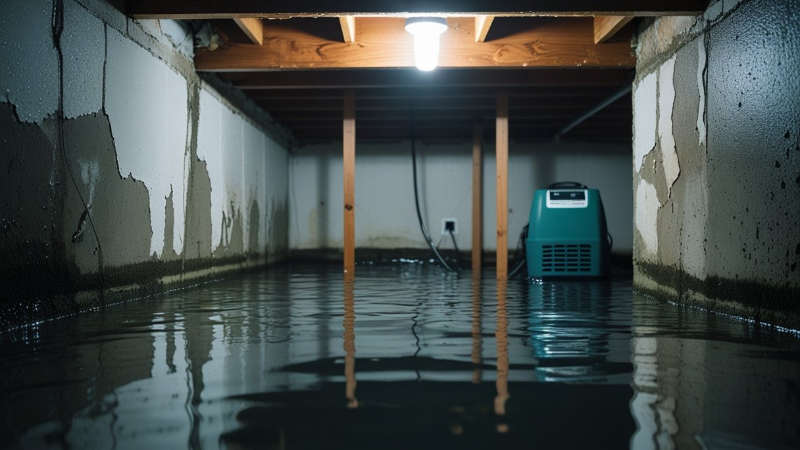
How to Avoid Water Damage in Finished Basements Tips for a Dry and Cozy Space
Finished basements add great living space, but they’re also magnets for water damage if you’re not careful. Water sneaks in through cracks, bad grading, or clogged drains—especially after a wild rainstorm. If you can spot trouble early, you’ll save yourself a lot of money and headaches down the road.
A quality sump pump (like the ones from Harris Plumbing) keeps your basement dry by moving water out fast. Clean gutters and downspouts that send water far from your foundation? Those are simple, underrated game-changers for keeping your space dry.
Understanding Water Damage Risks
Water damage in basements comes from all sorts of places and looks different every time. If you know what to watch for, you can step in before things get expensive or unhealthy.
Common Causes of Basement Water Damage
Cracks in the foundation or walls let water in. Heavy rain or melting snow can overload drainage systems, pushing moisture where it doesn’t belong. If your yard slopes the wrong way, water might flow straight toward your basement.
Leaky or clogged gutters and downspouts let water pool by your foundation. High groundwater pressure, especially in soggy regions, can force water through walls. Plumbing leaks and sump pump failures are culprits, too.
You’ve got to keep an eye on these risks. Harris Plumbing can check your sump pumps, fix leaks, and improve drainage if you’re not sure where to start.
Warning Signs to Watch For
Check for damp patches, stains, or discoloration on basement walls. A musty smell is a big red flag for mold or mildew. Water stains, flaking paint, or peeling surfaces mean moisture’s been hanging around for a while.
Warped floors, rusty metal, or that chalky white powder (efflorescence) on walls? Not good. Even tiny puddles or cold drafts near cracks can mean water’s sneaking in.
Don’t ignore these signs. The sooner you act, the less you’ll have to fix later.
Impact of Water Damage on Finished Basements
Water damage will wreck walls, floors, and ceilings. Wood warps, drywall turns mushy, and mold spreads fast—bad news for allergies and your lungs.
If water hits electrical systems, you risk fire hazards. Furniture and personal stuff can get ruined in a single flood. Insurance claims go up, and your home’s value takes a hit.
If you need help, Harris Plumbing’s licensed plumbers handle sump pump repairs and plumbing leaks to keep your basement safe and dry.
Waterproofing Basement Foundations
Keeping water out starts with solid waterproofing. You want to stop moisture before it ever gets inside. That means using the right materials outside, patching cracks, and adding barriers indoors. All these layers work together to keep things dry.
Exterior Waterproofing Solutions
Exterior waterproofing blocks water from getting through your basement walls. Usually, you dig around the foundation to expose the concrete.
Apply a waterproof membrane or coating right onto the outside wall. This shields against leaks in cracks or tiny holes.
Install perimeter drains or French drains at the base of your foundation to move water away. Gravel or drainage mats behind the wall keep water flowing and ease pressure on the structure.
People in Ontario often go this route for long-term peace of mind, though it’s not cheap and you’ll want pros to handle it. In wetter areas like Richmond Hill and Orillia, it’s especially worth considering.
Interior Waterproofing Methods
Interior waterproofing deals with water that’s already inside. Sump pump systems are the go-to fix.
Sump pumps collect and pump out water fast. Battery backups are a smart add-on—they’ll work even if the power’s out during a storm.
Sealants or epoxy coatings on walls and floors fill tiny gaps and block moisture. Interior drainage channels along the floor direct water to the sump pump.
This approach is usually simpler and less expensive than exterior work, but it mostly manages water after it’s already found a way in. Combining both methods? That’s your best bet.
Sealing Cracks and Gaps
Cracks in your foundation are like open invitations for water. Check basement walls and floors for these weak spots every so often.
Seal cracks with hydraulic cement or epoxy injections. Hydraulic cement expands as it cures, blocking water really well.
For gaps around windows or pipes, grab a good caulk or foam sealant.
Don’t ignore small cracks—water pressure can turn them into bigger problems over time.
Harris Plumbing suggests checking these areas annually, especially after heavy rain or spring thaw.
A little sealing now can save you a fortune in water damage repairs later.
Managing Drainage Around the Home
Good drainage keeps water from pooling near your basement. You want it to flow away fast—so pay attention to soil slopes, gutters, and drains.
Grading and Landscaping for Drainage
Make sure the ground slopes away from your foundation—at least 5 cm per metre for the first 2 metres. This sends water away instead of letting it collect by your walls. Avoid low or flat spots right next to the house.
Use plants and mulch to fight erosion, but don’t let them block drainage. Rocks or gravel near the foundation can help water drain faster. Keep garden beds raised above foundation level to stop water from getting trapped.
Installing or Maintaining Gutters and Downspouts
Check your gutters for leaves, gunk, or damage. Clean them out so water flows freely. Fix leaks or saggy spots so water doesn’t dump next to your house.
Downspouts should stretch at least 1.5 to 2 metres from the foundation. Use elbows or splash blocks to send water even further. If water still pools near the house, add extensions. This keeps extra moisture away from your basement walls.
French Drains and Perimeter Drain Systems
French drains use gravel and buried pipes to reroute water away from your house. If your yard doesn’t drain well, these are a lifesaver. They catch water before it reaches your basement.
Perimeter drains go around the base of your foundation, collecting groundwater and sending it to a sump pump or storm sewer. If you see water seeping through walls or floors, you might need one.
Harris Plumbing can install and maintain these systems to keep your basement dry. Managing drainage isn’t glamorous, but it’s crucial.
Moisture Control Inside the Basement
To keep your basement dry, you’ve got to manage moisture and keep air moving. Lower humidity and good airflow stop mold and water damage in their tracks.
Using Dehumidifiers Effectively
A dehumidifier pulls water from the air. Set it up in the center of your basement for the best coverage.
Run it regularly—especially in spring and fall when things get damp. Aim for a humidity level between 30-50%. If you go below 30%, wood and other materials might dry out and crack.
Empty the tank often or hook it up to a drain for nonstop use. Keep the filter clean so it works right.
If you spot leaks or puddles while running the dehumidifier, it’s time to call in a pro like Harris Plumbing.
Proper Basement Ventilation
Ventilation moves moist air out and brings dry air in. Open windows or vents on dry days to air things out.
If your basement is sealed tight, think about adding exhaust fans or an air exchange system. These keep air fresh and moisture in check.
Don’t block vents with furniture or clutter. Good airflow means lower humidity.
Fans help circulate air, especially in corners where dampness likes to hide. Keep an eye on humidity levels to make sure your setup is working.
Protecting Basement Utilities and Appliances
Protecting your basement utilities from water damage saves you from expensive repairs. Make your sump pump system reliable and pick materials that can handle moisture. These steps help keep your appliances safe and your home running smoothly.
Securing Sump Pumps and Backups
Your sump pump is the MVP when it comes to flood prevention. Before the rainy season hits, make sure it’s installed right and tested—particularly if you’re in Richmond Hill and Orillia regions, including Aurora, Stouffville, and East Gwillimbury.
Install a battery backup. Power outages happen during storms, and a backup keeps things running. Some systems even use water pressure as a backup, so you’re covered even without electricity.
Test the pump every month. Clear debris from the pit and check the discharge pipe for clogs. Harris Plumbing offers expert sump pump repair and installation if you need a hand.
Choosing Water-Resistant Materials
Pick materials that handle moisture for your basement utilities and appliances. Go for plastic or metal shelves, and use water-resistant flooring like vinyl planks or sealed concrete.
Wrap pipes with foam sleeves to stop condensation and mold. Put appliances like your heater or furnace on raised platforms so they’re above any minor flooding.
Skip the carpet in finished basements. If you want rugs, pick ones made from polypropylene or quick-drying, water-resistant fibers. These choices help prevent long-term water damage and keep your basement safer.
Routine Inspection and Maintenance
Keeping your basement dry means checking for problems often and fixing things before they get worse. Early action saves you a ton of trouble.
Regular Checks for Leaks and Mold
Inspect around pipes, walls, and the floor for leaks. Focus on areas near sump pumps, plumbing fixtures, and windows. Even small drips or damp spots can turn into big issues.
Keep an eye out for mold or mildew—look for black, green, or white spots. Mold damages finishes and can cause health problems. Use a flashlight for dark corners and behind furniture.
If you spot leaks or mold, move fast. Fix leaks right away or call Harris Plumbing. Clean small mold spots with water and mild detergent. For bigger mold problems, call in the pros.
Deep Cleaning and Preventive Upkeep
Keep your basement tidy and dry to prevent moisture from building up. Vacuum and clean floors often. Clear out clutter that blocks airflow or traps dampness.
Check your sump pump every few months. Pour water into the pit to make sure it kicks on. If you have a battery backup, check the charge.
Outside, clear gutters and downspouts so water doesn’t pool near your foundation. Make sure the ground slopes away from your house.
These habits help keep your basement safe from water damage year-round.
Responding Quickly to Water Incidents
If water gets into your finished basement, don’t wait. Acting fast can save your stuff and your wallet. Here’s what to do right away and when it’s time to call in the experts.
Immediate Steps After a Water Leak
First, shut off the water source if you can—find the valve near the leak or the main shut-off. Cutting off the flow stops things from getting worse.
Unplug electrical devices in the basement to avoid shocks. Don’t step into standing water if the power’s still on.
Use towels or a wet/dry vac to soak up as much water as you can. Open windows and run fans or dehumidifiers to speed up drying.
Move furniture and valuables to a dry spot. Snap photos for insurance—seriously, you’ll thank yourself later.
Professional Restoration Services
Sometimes, water gets deep into walls and floors. Professional restoration crews have special tools to find hidden moisture and dry everything out.
Harris Plumbing offers expert water damage restoration with licensed plumbers who know basements and sump pumps inside out. They’ll make sure mold doesn’t start and fix any structural issues.
A pro team will check for damage, clear out wet materials, and restore your basement so you don’t end up with repeat problems. It’s worth it to protect your home and your peace of mind.
Finishing Basements With Water Damage in Mind
Finishing your basement? You’ll want to pick materials and setups that actually stand up to water. Between sneaky leaks and that classic basement dampness, it’s just not worth risking your stuff. Choosing the right flooring and storage can go a long way to keep moisture problems at bay.
Selecting Waterproof Flooring
Waterproof flooring isn’t just a fancy upgrade—it’s pretty much a must for basements. These spaces are magnets for leaks and humidity. Vinyl planks, ceramic tiles, or sealed concrete? All solid choices. They shrug off water and don’t warp or stain at the first sign of trouble.
Skip hardwood and carpet down here. They soak up moisture, then you’re dealing with mould or rot. Waterproof options are a breeze to clean and give you a fighting chance if there’s a spill or minor flood. Honestly, vinyl’s a favorite for a reason: tough, comfy, and looks good.
Don’t forget a moisture barrier under your floor. It’s not glamorous, but it keeps groundwater from sneaking up through the slab. That extra layer can save you from a world of repair headaches later.
Elevated Storage Solutions
Keeping your stuff off the basement floor? It’s just common sense. Metal or plastic shelves beat wood every time since they won’t swell or get gross if things get damp.
Stack items on racks or pallets so they’re up a few inches. Even a small flood won’t reach them. For anything important—think boxes of memories or electronics—stash them in waterproof bins. Label everything so you’re not scrambling if you need to move things in a hurry. Raised storage doesn’t just save your belongings; it makes the whole space more usable and keeps it drier.
Long-Term Strategies for Preventing Water Damage
Want your basement to stay dry for the long haul? Start outside. Gutters and downspouts should send water away from your foundation—sounds simple, but it’s easy to overlook.
A sump pump is your basement’s built-in insurance policy—it quietly keeps water out before you even notice an issue. If you’re not sure what system suits your home, Harris Plumbing proudly serves homeowners across Richmond Hill and Orillia, including Aurora, Newmarket, and Stouffville can help you choose and install the right setup for lasting protection.
Check the grading around your house, too. The ground needs to slope away from the foundation so rainwater doesn’t rush toward your basement walls.
Think about waterproofing the walls—either inside or out. A good sealant or membrane can block a lot of moisture. Not sure which way to go? It’s worth asking a pro who understands your home’s quirks.
Stay on top of maintenance. Scan your basement for cracks or leaks every so often. Catching little issues early keeps them from turning into a mess.
And if your sump pump relies on power, a battery backup is a no-brainer. Storms knock out electricity right when you need the pump most, so a backup keeps you covered.
If you get stuck or just want a second opinion, Harris Plumbing has licensed journeymen in Simcoe County, Muskoka, and York Region who can help.
Frequently Asked Questions
Dealing with water in the basement isn’t just about mopping up puddles. You need to control moisture, spot problems early, and know who to call if things go sideways. Insurance? That’s another can of worms.
What steps can I take to prevent moisture in my finished basement?
Keep gutters clean and make sure downspouts send water at least 2 metres from your foundation. Seal up any cracks you find. A sump pump helps get rid of excess water before it becomes a headache.
Who should I call if I find water in my basement?
Reach out to a licensed plumber like Harris Plumbing for a full inspection. They’ll track down the source and suggest fixes. If you notice mould or a musty smell, you might need a water damage specialist, too.
Are basements with water damage covered by homeowners insurance?
Some policies help with sudden water damage, but most won’t cover slow leaks or flooding. Check your policy or chat with your agent about what’s actually covered.
How can I protect my basement from flooding during a heavy rainstorm?
Test your sump pump and make sure it has a battery backup in case the power goes out. Double-check that your yard slopes away from the house so rainwater doesn’t pool up against the foundation.
What are the signs that indicate a potentially harmful level of water in my basement?
Watch for wet spots, musty odours, peeling paint, or warped wood. These are all red flags that moisture’s creeping in and could hurt your home or air quality.
What’s the typical cost to repair a basement after water damage?
The price really depends on how much damage you’re dealing with—it could be a few hundred bucks or it might run into the thousands. Usually, you’ll need to fix leaks, dry everything out, and swap out any ruined walls or floors. Harris Plumbing can give you an upfront quote so you know what you’re getting into.