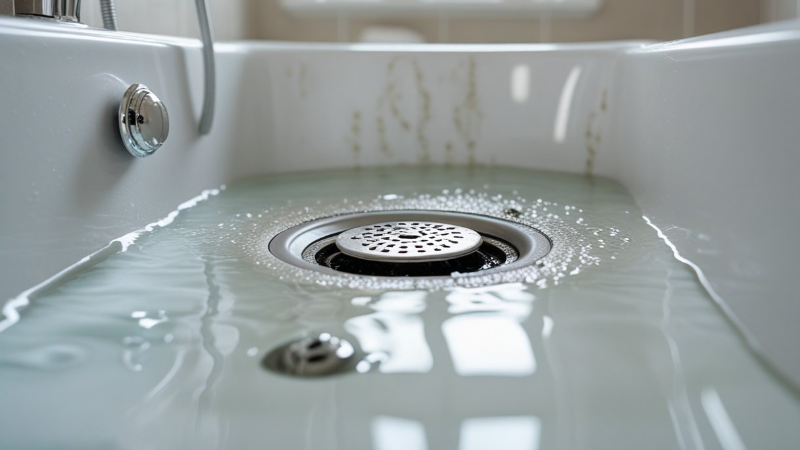
How to Unclog a Clogged Bathtub Drain Quickly and Easily
A clogged bathtub drain often causes water to pool and slows down your shower or bath. The easiest way to unclog it is by removing any visible debris and using a simple plunger or a drain snake to clear the blockage.
This approach usually restores proper flow without chemicals or professional help. If your drain is still slow, you might need to clean the drain trap or use a natural solution like baking soda and vinegar to break down buildup.
Taking care of small clogs early can save you time and money. Harris Plumbing has helped countless homeowners across Orillia handle similar issues before they become expensive repairs.
Understanding Common Causes of a Clogged Bathtub Drain
Clogged bathtub drains usually happen because of things that get stuck or build up over time. Your drain can slow down or stop working well when certain materials gather inside the pipes.
Knowing these causes helps you decide how to fix the problem.
Hair and Soap Scum Build-Up
Hair is one of the main reasons bathtub drains clog. When hair washes down the drain, it can stick to the sides of the pipes.
Over time, the hair mixes with soap scum and forms a thick layer that blocks water flow. Soap scum comes from soap and shampoo dissolving in water.
It often combines with hair and dirt, which makes the clog worse. If you don’t remove hair regularly, this build-up can get hard and difficult to clear on your own.
Using a drain cover can help catch hair before it goes down. Regular cleaning is important to stop these blockages from getting too big.
If you live in Orillia, local plumbers like Harris Plumbing can safely clear tough hair clogs.
Foreign Objects and Debris
Sometimes small items like toys, jewellery, or pieces of packaging can accidentally fall into the drain. These foreign objects block the pipe and cause water to back up.
Even soap wrappers or small bits of plastic can cause issues. If you notice water draining slower after something fell in, the object might be stuck near the drain trap.
You can try to remove it with pliers or a drain snake. Avoid pushing objects further down as this can make the clog harder to remove.
Debris like dirt or leaves may enter through an open window or outdoor pipe vents. This is common in cottage areas or homes surrounded by trees.
Clearing these objects quickly keeps your bathtub drain flowing smoothly.
Hard Water and Mineral Deposits
Hard water in Orillia often contains high levels of calcium and magnesium. As it runs through your bathtub drain, these minerals can collect along the pipe walls and restrict water flow.
These mineral deposits narrow the pipe, slowing drainage. Over time, the layer can become thick enough to block water completely.
Hard water also reacts with soap, creating more scum and making clogs worse. You might notice stains or rough pipe surfaces if hard water is a problem.
Using water softeners or special cleaners can reduce mineral build-up. Licensed plumbers from Harris Plumbing can help treat and prevent damage caused by hard water.
Essential Tools and Materials Needed
To clear a clogged bathtub drain, you will need some specific tools and protective gear. These include items to keep you safe and tools designed to reach and remove blockages.
Knowing which tools work best can save you time and effort.
Protective Gear
Before you start, protect yourself. Use rubber gloves to keep your hands clean and safe from germs or harsh cleaning chemicals.
You might also want to wear safety goggles to protect your eyes from splashes. Wear old clothes or a waterproof apron in case of spills.
If you use chemical drain cleaners, make sure your area has good air flow to avoid breathing in harmful fumes. Protective gear keeps you safe and helps avoid skin irritation or injury.
Plunger Types
Plungers create pressure to push or pull clogs free. For bathtub drains, a cup plunger is often best.
It has a flat cup that seals around the drain, making it easier to force water through the blockage. Avoid flange plungers, which are better suited for toilets.
When using a plunger, fill the tub with enough water to cover the cup fully. This helps create the suction needed.
Your plunger should have a firm rubber cup and a solid handle for better control.
Drain Snakes and Augers
Drain snakes or augers are flexible tools designed to reach deeper clogs. These come in different lengths and types.
A hand-crank drain snake is common for home use and allows you to feed a cable into the drain. You turn the handle to break up or pull out the clog.
Some augers have a cutting tip that can clear hair or debris stuck inside. They work well when plungers don’t, especially for tougher blockages far down the drain pipe.
A quality snake can save a lot of time if used carefully. If you live in Orillia, Harris Plumbing offers advice on using these tools safely for your home.
Step-by-Step Guide: How to Unclog a Clogged Bathtub Drain
To clear your bathtub drain, first deal with any standing water. Then, remove visible blockages by hand to make space.
Finally, use a plunger correctly to create suction and push the clog through.
Removing Standing Water
If your bathtub is full of water, start by removing as much as you can. Use a small container or cup to scoop out the water into a bucket or sink.
This will help you reach the drain opening without water getting in the way. If water won’t drain at all, use a wet/dry vacuum to suck out the standing water safely.
Wear gloves, as the water can be dirty and may contain soap scum or hair. Removing standing water first makes it easier to see and work on the clog directly.
It also prevents spills while you work.
Manual Removal of Visible Blockages
Look into the drain opening with a flashlight to spot any obvious blockages like hair or soap buildup. Put on rubber gloves before you start.
Use a wire hanger bent into a hook or a plastic drain snake to pull out hair balls and debris. Be gentle but firm when pulling the clog out.
You may also try to loosen the clog by removing the drain cover if possible. Some bathtub drains twist off, while others need a screwdriver.
After removing debris, flush the drain with hot water to clear any leftover residue.
Using a Plunger Properly
Choose a plunger with a flat bottom, not the flange type used for toilets. To get a good seal, make sure the bathtub has some water to cover the drain opening.
Place the plunger over the drain and push down hard, then pull up sharply without breaking the seal. Repeat this pumping motion 10 to 15 times.
The pressure created can push clogs deeper into the pipes or break them up. After plunging, test the drain by running water.
If it still drains slowly, repeat or consider other methods. For tough clogs, consulting a professional like those at Harris Plumbing in York Region can save time and prevent damage.
Alternative Methods for Clearing a Blocked Bathtub Drain
Sometimes, you don’t need professional tools to fix a clogged drain. Simple household items or natural solutions can often clear the blockage without harsh chemicals.
These methods can save you time and protect your pipes from damage.
Baking Soda and Vinegar Solution
This is a common natural method to break down mild clogs. Start by pouring about half a cup of baking soda into your bathtub drain.
Next, slowly add half a cup of white vinegar. The mixture will fizz and bubble as it reacts.
Wait at least 15 to 30 minutes for the solution to work on the clog. Afterward, flush the drain with hot water to clear any loosened debris.
You can repeat this process if the clog is stubborn. If it remains, professional help from experts like Harris Plumbing may be needed.
Boiling Water Technique
Boiling water can melt or loosen grease and soap scum clogging your bathtub drain. Carefully boil a full kettle of water.
Slowly pour the boiling water down the drain in stages, allowing it to work between pours. This method works best for slow drains where the blockage is caused by fatty buildup.
Avoid using boiling water if you have PVC pipes, as it could soften or damage them. Always pour slowly to avoid splashing and burns.
Eco-friendly Drain Cleaners
There are biodegradable drain cleaners made from natural ingredients like enzymes or citrus extracts. These cleaners work by breaking down organic matter inside your pipes without harsh chemicals.
To use, follow the product instructions carefully. Usually, you pour the cleaner into the drain and wait for a set time before rinsing.
These products are safer for your pipes and better for the environment, especially in rural areas like Muskoka where plumbing needs special care. If natural methods don’t solve the problem, licensed plumbers in Orillia, such as Harris Plumbing, can provide safe and effective solutions.
When to Use a Drain Snake or Auger
Sometimes, a clogged bathtub drain won’t clear with simple methods like a plunger. You need tools that can reach deeper and remove tough blockages.
Knowing when and how to use a drain snake or auger can save you time and frustration.
Identifying Stubborn Clogs
If your water drains slowly even after trying a plunger or drain cleaner, you likely have a stubborn clog. Hair, soap build-up, and small objects can cause blockages deep inside the drain pipe.
You might notice water pooling or gurgling sounds when draining. These signs mean the clog is beyond the surface and needs mechanical removal.
Avoid using harsh chemicals as they can damage pipes, especially in older homes. Instead, choose a drain snake to physically break through or pull out the clog.
If the clog is near the drain opening but hard to reach, an auger with a flexible tip works well.
Step-by-Step Snaking Process
Start by removing the drain cover or stopper carefully. Insert the snake or auger slowly into the drain until you feel resistance.
This resistance is usually the clog. Turn the handle clockwise to help the tool grab or break the blockage.
Push gently but firmly to avoid damaging pipes. After a few turns, pull the snake back out.
Clean off any debris from the tool. Run water to check if the drain clears up.
Repeat the process if needed, but stop if there’s no progress after several attempts. In that case, call a professional plumber like Harris Plumbing to avoid pipe damage.
Using a drain snake correctly can fix difficult clogs and keep your bathtub draining smoothly.
Preventing Future Bathtub Drain Clogs
Keeping your bathtub drain clear takes a bit of effort and smart habits. Simple daily actions, protective tools, and careful disposal choices can help avoid blockages and keep water flowing smoothly.
Routine Cleaning Tips
Regular cleaning is one of the best ways to stop clogs before they start. Once a week, remove visible hair and soap scum from the drain cover.
You can use a bent wire hanger or a small brush for this. Once a month, pour a mix of hot water and baking soda down the drain.
Follow with vinegar to break down buildup. Let it fizz for 10 minutes, then flush with hot water.
This keeps the pipes clear of grease and soap residue. Avoid harsh chemical cleaners as they can damage your pipes over time.
Stick to natural cleaning methods or consult a professional from Harris Plumbing if you want a safe, long-term solution.
Installing Drain Covers
A drain cover is a simple, effective tool to trap hair and prevent it from entering your drain. Look for covers with small holes to catch fine hair and particles while letting water pass easily.
Choose silicon or stainless steel covers since they last longer and are easier to clean. Clean the cover regularly to prevent buildup that could slow drainage.
Installing one is easy and inexpensive. It is a small step that can save you from expensive plumbing repairs later.
In busy homes or cottages around Orillia, this tool is especially useful.
Proper Product Disposal
What you put down your drain matters a lot. Avoid pouring grease, oils, paint, or thick creams down your bathtub drain.
These substances solidify and cause serious clogs. Instead, let grease cool and throw it in the trash.
Dispose of paint and other chemicals at local hazardous waste centres, which are common in Muskoka and York Region. Also, avoid flushing items like wipes, cotton balls, or sanitary products.
These don’t break down and clog pipes over time. When in doubt, throw it away—not down the drain.
By following these practices, your bathtub drain will stay clear more easily. Harris Plumbing can help if you ever need advice or professional drain care.
Knowing When to Call a Professional Plumber
Sometimes, you can fix a clogged bathtub drain by yourself. Other times, the problem may be part of a bigger plumbing issue or the repair costs might be higher than expected.
Signs of More Serious Plumbing Issues
If water drains very slowly even after you try common fixes, you may have a deep clog in your pipes. You might also notice water backing up into other drains, like the sink or toilet.
Strange smells coming from the drain or gurgling noises are other warning signs. Leaks under the bathtub or visible water damage on walls and floors show the problem could be more than just a clog.
These signs mean you need a licensed plumber to avoid causing more damage.
Estimating Repair Costs
Plumbing repairs can range from small DIY fixes to larger jobs that need special tools. Simple snaking might cost less, but a hydro-jet cleaning or pipe replacement costs more.
If you call a professional like Harris Plumbing, they can give you an upfront estimate based on the problem they find. This helps you avoid surprise bills.
Frequently Asked Questions
Clogged bathtub drains often involve hair, soap scum, or slow water flow without a clear clog. You can use simple tools and household products to fix these issues.
If these methods don’t work, you might need to remove the drain stopper or call a professional.
What are some effective home remedies for unclogging a bathtub?
Try pouring hot water down the drain to melt soap buildup. Baking soda followed by vinegar can also help break down debris.
Let the mixture sit for 15 minutes before flushing with hot water.
Can a plunger be used to clear a bathtub drain, and if so, how?
Yes, a plunger works well on bathtub drains. Fill the tub with a few inches of water to cover the plunger’s cup.
Place the plunger over the drain and push down and pull up firmly several times. This can dislodge clogs.
What steps should I follow to unclog my bathtub when it's full of hair?
Use a plastic drain snake or a bent wire hanger to reach and pull out hair clogs. Wearing gloves helps for hygiene.
Avoid pushing the hair further down the drain.
How can I use vinegar to clear a clogged bathtub drain?
Pour half a cup of baking soda down the drain first. Then add one cup of vinegar.
Cover the drain with a plug or cloth and wait 15 minutes. Flush with boiling water to clear the loosened debris.
What to do if my tub won't drain but it appears not to be clogged?
Check if the drain stopper is stuck or broken, blocking water flow. Also, inspect the overflow plate for hidden clogs.
If the problem continues, the pipes might have a deeper blockage needing expert attention.
How do I remove the bathtub drain stopper to clear a blockage?
Most stoppers unscrew or lift out after you remove the visible screw or clip. Use a screwdriver if you need to.
After you remove the stopper, clear out any trapped hair or debris. If you feel unsure, contact Harris Plumbing to help you remove the stopper safely.