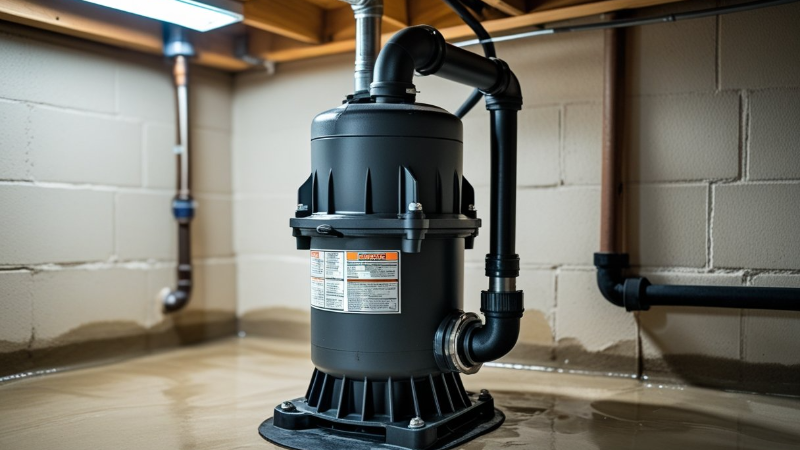
What To Do If Your Sump Pump Runs Constantly Friendly Tips to Fix It Quickly
If your sump pump just won’t quit running, something’s up and it’s worth your attention. A sump pump that never stops can wear out fast and might even put your basement at risk for flooding. You might be dealing with a stuck float switch, too much water in your pit, or maybe the pump itself has seen better days.
Knowing what to check can save you time and cash. Take a look at the float, the discharge pipe, and see if your sump pit is overloaded. Folks in Simcoe County, Muskoka, or York Region can always reach out to Harris Plumbing for a quick fix or inspection.
Keeping your sump pump in top shape is essential—especially with the heavy rain and spring melt common across Ontario’s regions like Barrie, Orillia, and Newmarket. Regular maintenance ensures your system performs when you need it most. With over 51 years of trusted experience, Harris Plumbing provides expert sump pump maintenance, inspections, and emergency repairs to keep your home, cottage, or basement dry—whether you’re in Aurora, Stouffville, or throughout Muskoka.
Why Your Sump Pump Runs Constantly
When your sump pump just won’t shut off, it’s usually down to a few usual suspects. Figuring out what’s wrong early can help you dodge headaches and bigger repair bills.
Common Causes of Continuous Operation
A sump pump that runs all the time often means water keeps pouring into the pit—think heavy rain or flooding. Sometimes, the float switch is to blame. The float senses the water level and tells the pump when to turn on or off. If it gets stuck, the pump just keeps chugging away.
Clogged or frozen discharge pipes can also force your pump to work overtime. And if your sump pit’s too small for your house, you’ll notice the pump cycling more than it should.
Warning Signs of a Malfunction
Watch out for odd noises or a pump that feels hot to the touch. If you see water pooling on the basement floor even while the pump is running, something’s off.
Backup batteries draining way too fast? That’s another clue. Normally, a backup lasts a few days, but it can drop to just hours if the pump never stops. Catching these signs early can save you from a soggy mess.
Risks Associated With Constant Running
Letting your sump pump run nonstop is rough on the motor. It can overheat and give out sooner than you’d expect. That means pricey repairs or needing a new one way ahead of schedule.
If the pump fails, flooding’s a real risk. Water damage can wreck your floors, walls, and treasured stuff. If you’re relying on battery backup, constant running can empty it fast, leaving you powerless during a storm.
If your sump pump won’t quit, you might want to reach out to Harris Plumbing for quick repairs in Simcoe County or York Region.
Immediate Steps to Take
If your sump pump’s running all the time, don’t wait—protect your home and the pump itself. First, cut the power safely. Then, check for any obvious blockages. Last, peek at the water level to see if the pump’s actually doing its job.
Safely Unplugging the Sump Pump
Start by unplugging your sump pump from the outlet. This keeps you safe from shocks and stops the pump while you check things out. Make sure your hands and the floor are dry—no shortcuts here.
If there’s a battery backup, unplug the main power first. The sooner you cut the power, the less you drain that battery.
Give the pump’s motor a few minutes to cool off before touching anything. Never mess with the pump while it’s still plugged in.
Checking for Obvious Blockages
Take a look inside the sump pit for anything blocking the pump—dirt, debris, or even small rocks can clog the outlet or the pump’s screen. Use gloves and clear out anything you spot.
Check the discharge pipe outside too. Ice, leaves, or mud can block it up. If clearing it doesn’t help, the float switch might be stuck.
If the float switch is jammed, the pump thinks the water’s always high. Try gently moving the float up and down; if it’s caught, clean it and put it back in place.
Quick Water Level Inspection
Glance inside the pit and check the water level. If water keeps rising but the pump won’t stop, it’s probably not moving water out like it should.
If the water level stays high, your sump pump might be too small to handle heavy storms—or there could be a mechanical issue. In colder parts of Barrie, Orillia, or Aurora, frozen discharge pipes are a common culprit that can block water flow. Try gently tapping the pipe to clear any ice buildup—it might help.
If the water keeps rising or your pump won’t shut off, it’s time to call a professional. With over 51 years of experience, Harris Plumbing provides fast sump pump repair across Simcoe County, York Region, and Muskoka, helping homeowners keep their properties safe and dry.
Checking And Troubleshooting Your Sump Pump
A sump pump that runs constantly can cost you more on your power bill and wear itself out. The usual culprits? Problems with the float switch, discharge line, check valve, or power supply. If you know how to check each part, you can figure out what’s going on and whether you need to call for help.
Inspecting the Float Switch
The float switch tells your sump pump when to run. If it’s stuck, the pump might run forever.
See if the float moves up and down without getting caught. Clear out any gunk or dirt. Make sure it’s set at the right height; too high and the pump just keeps going. Sometimes the float switch just fails and needs replacing.
Test it by lifting the float by hand. If the pump turns on, then off when you lower it, you’re good. If not, the float switch is likely toast.
Examining the Discharge Line
The discharge line moves water outside. If it’s blocked, frozen, or kinked, the pump can’t do its job and keeps running.
Look for bends, cracks, or ice—especially in winter. Clear out anything blocking the way and make sure the pipe slopes down so water flows out.
Check if water’s actually leaving at the end of the pipe. If not, dirt or debris might be clogging things up. Fixing that can stop the pump from running non-stop.
Testing the Check Valve
The check valve keeps pumped-out water from flowing back in. If it fails, water returns to the pit and the pump just keeps going.
Look for leaks or signs of wear. Listen for weird noises when the pump stops.
If the check valve’s not closing right, swap it out. It’s a pretty simple fix and can make a big difference.
Evaluating Power Supply Issues
Your sump pump needs a steady power source. If the power’s flaky, the pump might run all the time or not cycle right.
Check the cord and outlet for damage. Plug the pump straight into the wall, not an extension cord.
If you’ve got a battery backup, make sure it’s charged and working. How long it lasts depends on the battery and your pump’s needs. Harris Plumbing suggests checking your battery regularly so you’re not caught off guard during a storm.
If you spot electrical issues or the pump still won’t quit, call a licensed tech for safety and repairs.
When to Call a Professional
If your sump pump just keeps running and you’ve tried everything, it’s probably time to bring in the pros. Some problems just need expert eyes (and tools) to fix before they turn into a disaster.
Persistent Problems After Troubleshooting
If you’ve checked the float, cleaned things out, and tested the power but the pump still won’t stop, don’t wait. It could be clogged, have a busted check valve, or maybe the pit’s just overwhelmed.
Letting it go can wear out the pump and drive up your electric bill. A good plumber will check the whole system, spot hidden issues, and suggest repairs or replacements to keep your basement dry.
Recognizing Signs of Major Repairs
Some signs mean you’re past quick fixes. If you hear loud grinding or buzzing, it could be a worn motor or damaged impeller. Water leaking around the unit or from discharge pipes points to cracks or leaks that need urgent repair.
If your pump is over five years old or the backup battery won’t hold a charge, maybe it’s time for an upgrade. A professional can check things over and recommend the best way to keep your home safe during storms or outages.
Finding a Reliable Contractor
When it’s time to call a plumber, pick someone with local know-how and good reviews. Look for licensed pros who understand Barrie, Orillia, or Aurora’s unique plumbing quirks. Ask about upfront pricing and if they guarantee their work.
Harris Plumbing handles sump pump repairs in Simcoe County, Muskoka, and York Region. They give clear quotes and can handle everything from troubleshooting to full replacements, so you can relax knowing your home’s protected.
Preventing Future Issues
Keeping your sump pump in good shape isn’t rocket science, but it does take a bit of effort. Regular checks, upgrading to a better pump, and adding a backup system can help you avoid future headaches and water damage.
Regular Maintenance Tips
Check your sump pump every few months. Keep it clean and free of debris that could clog things up. Test the float switch by lifting it gently—you should hear the pump kick on if all’s well.
Clear dirt and gravel from the pit so water flows easily and the pump doesn’t get stuck. Check the discharge pipe for blockages or ice, especially in winter.
If you hear odd noises or notice constant running, don’t wait—call a pro. Plumbers at Harris Plumbing can catch small issues before they turn into big repairs. Staying on top of maintenance can make your sump pump last longer and help you avoid emergencies.
Upgrading to a More Reliable Model
Old sump pumps might not keep up with heavy rain or flooding. If yours runs all the time, it could be too small or just worn out. Upgrading to a better, properly sized pump can help and might even lower your energy bill.
Look for pumps with more horsepower for faster water removal. Cast iron bases and housings tend to last longer than plastic ones. Some new pumps have built-in alarms to warn you when water gets too high.
A professional plumber can help you pick the right pump and install it. In Simcoe County or York Region, getting expert help means your new pump should work well for years.
Installing a Battery Backup
Power usually goes out during storms—the same time you need your sump pump most. Battery backups keep your pump running for 4 to 8 hours, depending on the battery and how well you care for it.
Adding a backup system means your home stays protected, even in a blackout. These systems turn on automatically if the power drops, giving you time to deal with the main pump or the outage.
If you don’t have a backup yet, ask Harris Plumbing about options. They serve Muskoka and nearby areas and can help you pick a battery that fits your pump and your needs.
Check the battery regularly and swap it out every 3 to 5 years. It’s a small thing, but it can make a huge difference when you need your pump most.
Long-Term Solutions for a Healthy Basement
Keeping your basement dry takes more than just fixing the sump pump. Managing water and moisture around your home is key if you want to prevent the same issues from coming back.
Improving Drainage Around Your Home
Good drainage outside keeps water away from your foundation. Make sure gutters and downspouts are clear and send water at least 2 metres from your house.
Grading the soil so it slopes away from your foundation is simple but makes a big difference. Rainwater will run downhill instead of pooling near your basement walls.
A perimeter drain (or weeping tile) can help move water away underground. If you’re not sure about your drainage, a Harris Plumbing pro can check things out and offer advice.
Monitoring Humidity and Moisture Levels
Keeping basement humidity in check helps prevent mold and structural trouble. Use a hygrometer to see where you’re at—aim for 30-50% humidity.
A dehumidifier can make a big difference, especially in wet seasons. Good ventilation matters too—sometimes you’ll need exhaust fans or vents to keep air moving.
Fix leaks in pipes or walls as soon as you spot them. Even small drips can cause damp spots. Keeping humidity under control takes pressure off your sump pump and keeps your basement healthier in the long run.
Frequently Asked Questions
Sump pumps that run all the time can drive you a little nuts. The usual suspects? Water collecting under your house, float switches stuck in place, or sometimes a discharge pipe that's frozen solid. Figuring out the real cause early can save your pump—and maybe your basement.
Why does my sump pump keep running even when it's not raining?
Honestly, rain isn't the only thing that gets your sump pump going. Sometimes the water table just sits high, or groundwater keeps sneaking in. Maybe there’s a sneaky plumbing leak or your drainage system’s clogged up. Any of these can keep water flowing into the pit, rain or shine.
What should I do when my sump pump keeps cycling every few minutes?
If your pump keeps kicking on and off, check if the float switch is jammed or if the sump pit feels cramped. The float needs space to move, otherwise the pump gets confused. If you’re stumped, it’s probably time to call someone who knows their way around sump systems.
How can I fix a sump pump that is continuously spraying water?
Got water spraying everywhere? Take a look at the discharge pipe—clogs, cracks, or loose connections are usually the problem. Tighten up those hose fittings and make sure the water actually flows away from your house, not back toward it.
What steps should be taken if a sump pump won't stop running during winter?
Winter brings its own headaches. When pipes freeze up, the pump just keeps running and running. Try clearing out ice blockages, or maybe install a heated discharge line if you’re tired of dealing with this every year. Sometimes it’s just easier to call Harris Plumbing for help with winter pump issues.
Is it normal for my sump pump to run non-stop after a heavy rain, and what should I do?
After a big downpour, yeah, the sump pump working overtime isn’t weird. As long as water’s pouring in, the pump’s got a job to do. Keep an eye on the power and battery—if storms drag on, a battery backup might just save you a soggy mess.
How long is it safe for my sump pump to operate continuously before risking damage?
If your sump pump runs nonstop during a flood, it might drain the battery in just 4 to 7 hours. Honestly, you probably shouldn't push it for too long—try to give it breaks, or maybe have a backup pump ready. Harris Plumbing says regular checkups really help your pump stick around longer.