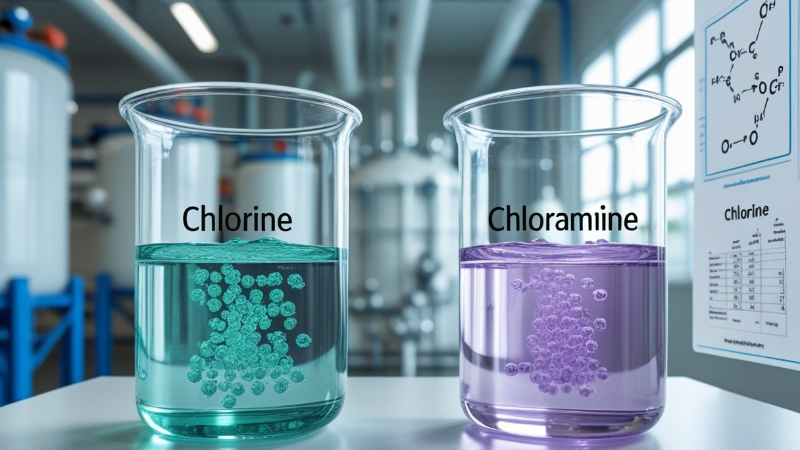
Chlorine vs Chloramine in Water: Friendly Guide to Safe Drinking Choices
When you treat water in your home or cottage, you might wonder if chlorine or chloramine is better for safety. Both disinfect water, but they work in different ways.
Chlorine acts quickly, while chloramine stays in the water longer and provides lasting protection.
If you rely on well or lake pumps in areas like Orillia, Barrie, or Richmond Hill, it’s important to understand how different water disinfectants can affect your plumbing and water quality. Chlorine can be harsh on pipes and fixtures, while chloramine is gentler but more difficult to remove if you’re trying to soften your water.
Understanding the difference helps you make the right choice for your home’s water quality.
Whether you manage plumbing in a cottage or rural property, the right water treatment keeps your system healthy. Learning how chlorine and chloramine work helps you keep water clean and protect your pipes or sump pump.
Understanding Chlorine and Chloramine
Chlorine and chloramine both keep water safe by killing bacteria and germs. They have different chemical properties and work in unique ways.
How each is made and used in water treatment varies, which affects water quality and taste.
Chemical Properties
Chlorine is a strong disinfectant that comes as a gas or liquid. It evaporates easily and reacts quickly with organic materials in water.
This makes chlorine effective for fast germ-killing but can cause a stronger smell or taste.
Chloramine forms when chlorine combines with ammonia. It is weaker than chlorine but lasts longer in water.
Chloramine evaporates less and forms fewer harmful by-products. It stays active longer, keeping water safer during distribution.
Chlorine smells sharper, while chloramine has a milder scent. Both chemicals are measured in parts per million (ppm) to ensure safe drinking levels.
Methods of Water Disinfection
Water treatment plants add chlorine directly to water to kill bacteria quickly. Chlorine works fast but loses strength as water travels through pipes.
Chloramine is often used after chlorine as a secondary disinfectant. It keeps killing germs further along the water system.
Chloramine works well in areas with long pipe runs or storage tanks. Some treatment plants choose chloramine to reduce taste, smell, and chemical problems seen with chlorine.
The choice depends on the water source and distribution system.
Formation in Water Treatment
Water plants add chlorine as gas, sodium hypochlorite, or calcium hypochlorite. Once in water, chlorine breaks down into compounds that kill germs.
Chloramine forms when ammonia mixes with chlorine in specific amounts. This process, called chloramination, needs careful control to keep the right balance.
Too much ammonia or chlorine can reduce disinfection or cause harmful by-products.
Some water treatment facilities switch between chlorine and chloramine depending on seasonal changes or water quality results. Local systems in Barrie, Aurora, and Newmarket often use chloramine to help protect water quality as it travels through long distribution lines.
Knowing about these chemicals helps you understand what’s in your tap water.
Comparing Effectiveness in Water Disinfection
When choosing between chlorine and chloramine, consider how well each kills germs, how long they stay active, and which fits your water system. These factors affect water safety and taste.
Germ Killing Power
Chlorine kills bacteria, viruses, and other harmful organisms quickly. It breaks down germs fast and reduces immediate health risks.
Chloramine, a mix of chlorine and ammonia, works slower. It doesn’t disinfect as quickly as chlorine but lasts longer in water.
Chloramine is less effective on some germs, especially viruses, compared to chlorine. If you need fast disinfection, chlorine is usually better.
For steady, long-term protection, especially in systems with long pipelines, chloramine works well.
Residue and Persistence
Chlorine breaks down fast in water. It evaporates and leaves little residue, so it doesn’t stay active far from the treatment site.
Chloramine stays active longer and moves with water through pipes. This means your water can stay safer as it travels in plumbing systems, especially in rural settings with long pipe runs.
Chloramine can build up and may need special filters if you notice taste or odor issues.
Suitability for Different Water Systems
Chlorine works well in municipal water plants and systems that deliver water quickly. It suits areas where water moves fast and you want quick germ removal.
Chloramine fits better in systems with complex pipe networks or slower water movement. If you use a septic system or rely on well and lake pumps in Simcoe County or York Region, chloramine can provide more stable protection.
Your choice depends on local water conditions, plumbing layout, and whether you want quick action or long-lasting disinfection.
Health and Safety Considerations
Knowing the health effects and risks of chlorine and chloramine helps you make safe choices for your water. It’s important to understand the byproducts created and how some groups react to these disinfectants.
Potential Health Risks
Chlorine kills bacteria quickly but can cause skin and eye irritation if levels are too high. It also has a strong smell that some people dislike.
Chloramine is less irritating and has a milder smell because it lasts longer in water systems. However, people with kidney problems or those on dialysis may have trouble removing chloramine from water.
Both chemicals can affect taste and smell, but chloramine’s effects usually last longer. You should use a certified filter if your water contains chloramine, especially in cottages or rural homes.
Byproducts and Their Impacts
Chlorine and chloramine can create byproducts when they react with natural organic matter in water. Chlorine often forms trihalomethanes (THMs) and haloacetic acids (HAAs).
These byproducts can cause long-term health risks if consumed in large amounts. Chloramine produces fewer THMs but can form nitrosamines, which might have their own risks.
These byproducts are usually low in treated Canadian water but may build up more in private wells or untreated sources. Regular water testing helps keep these chemicals under control.
| Disinfectant | Common Byproducts | Health Concerns |
|---|---|---|
| Chlorine | Trihalomethanes (THMs), | Possible cancer risk with long-term |
| Haloacetic acids (HAAs) | exposure | |
| Chloramine | Nitrosamines, fewer THMs | Potential irritation and unknown |
| long-term effects |
Sensitive Populations
Children, pregnant women, and older adults may be more sensitive to chlorine and chloramine. If you have young kids or seniors at home or in your cottage, check your water quality.
People with skin conditions like eczema may find chloramine can worsen irritation. Those with weakened immune systems or kidney problems should avoid chloramine because it is harder to remove from water.
A water treatment system tailored to your needs helps reduce risks for vulnerable family members.
Impact on Taste and Odor
You may notice your water tastes or smells different depending on the disinfectant used. These differences can affect how much you enjoy your drinking water.
Differences in Drinking Water Flavor
Chlorine often gives water a sharp, chemical taste and strong, bleach-like smell. Many people describe it as a “pool” or “hospital” scent.
Chloramine, a mix of chlorine and ammonia, usually has a milder taste and less smell. It can leave a slight medicinal or metallic flavor that lingers longer.
Water treated with chloramine is less likely to have a strong chlorine smell at your taps or showers. Your experience also depends on your water source and plumbing.
User Preferences
Some people prefer water treated with chloramine because it tastes less “chemical” and has fewer odors. This makes drinking, cooking, and making coffee or tea more pleasant.
Others may notice a faint aftertaste with chloramine that they dislike. If you are sensitive to taste or have a family preference, this can affect your choice or requests to water providers.
If your water tastes odd, use a carbon filter or a water pitcher with a charcoal filter to improve taste. In cottage plumbing or well water systems, taste issues are common, and tailored solutions help maintain good water quality.
Environmental Impact
Chlorine and chloramine affect the environment in different ways. Knowing how they interact with water and wildlife helps you choose the best option for your home or cottage.
Effects on Aquatic Life
Chlorine can harm fish and other aquatic creatures. When chlorine enters lakes or rivers, it can damage fish gills and disrupt breathing.
Even small amounts can be deadly to sensitive species. Chloramine is more stable and less toxic than chlorine, but it still poses risks.
It breaks down slower and can harm aquatic life over time. For example, it can weaken fish and make them more prone to disease.
Both chemicals need careful management to protect lakes and rivers. If you use lake pumps or well water systems near natural water sources, consider these impacts to reduce harm.
Environmental Persistence
Chloramine lasts longer in the environment than chlorine. It can remain in water supplies and soil longer after treatment.
Long-lasting disinfectants keep water safe but can build up and affect ecosystems. Chlorine breaks down quickly in sunlight or air, so less chemical remains in water, but you need more frequent treatment.
If you use well pumps or rural water systems, knowing how these chemicals stay in your system helps you manage water quality. Both chlorine and chloramine eventually degrade but on different timelines, which matters for your plumbing and the environment.
Removal from Drinking Water
Removing chlorine and chloramine from drinking water needs different approaches. Knowing which method works best helps you choose the right system for your home.
Filtration Techniques
Chlorine is easy to remove with standard filters. Activated carbon filters work well to reduce chlorine taste and smell.
These filters trap chlorine molecules and keep them out of your tap. Chloramine is harder to remove because it is more stable.
You need special filters for chloramine, often with catalytic carbon. This type breaks down chloramine into harmless substances.
Reverse osmosis systems can remove both chlorine and chloramine but may cost more and waste some water. Consider cost and needs when choosing a filtration method.
Home Water Treatment Options
You can treat water at home using several systems. Activated carbon pitchers or faucet filters work well for chlorine but not always for chloramine.
Check the product label for chloramine removal if needed. For chloramine, whole-house filters with catalytic carbon or water softeners combined with filtration can help.
These protect plumbing and improve water quality throughout your home. Chemical dechlorination drops or tablets are best for fish tanks or gardening, not daily drinking water.
Always check the treatment’s purpose and effectiveness for your situation.
Cost and Practical Considerations
Choosing between chlorine and chloramine affects treatment costs and how you manage water at home. Each chemical comes with its own expenses and practical issues for your plumbing and household systems.
Municipal Use and Costs
Municipal water systems often choose chloramine because it lasts longer in pipes. This reduces the need for frequent treatment.
Chloramine costs a bit more than chlorine. However, it can lower maintenance costs by protecting water quality over long distances.
Chlorine is cheaper upfront but breaks down faster. Towns treating water far from the source may spend more to keep water safe.
Some communities need extra steps to remove chlorine taste or smell. This can add to the overall cost.
Costs also change with monitoring needs. Chloramine requires more testing to control levels, which can increase expenses.
Your local water utility balances price with safety and efficiency for residents in areas like Simcoe County or Muskoka.
Homeowner Implications
If your water uses chloramine, you might notice effects on plumbing and appliances. Chloramine is less reactive than chlorine, so it can be gentler on pipes and fixtures.
Chloramine can affect some water filters and fish tanks differently than chlorine. You may need special filters to remove chloramine at home, which are often more expensive than those for chlorine.
Chloramine can increase wear on rubber parts in plumbing. Be mindful when replacing washers or seals.
If you rely on well or lake pumps in rural Ontario, knowing which disinfectant your water supplier uses helps you plan for maintenance. Cottage plumbing systems may also need changes if chloramine is present, especially in places like York Region or Muskoka.
Regulations and Guidelines
In Canada, officials carefully monitor drinking water quality to keep it safe. Health Canada provides guidelines for disinfectants like chlorine and chloramine to ensure levels stay within safe limits.
The government sets maximum acceptable concentrations (MACs) for these chemicals. For example, chlorine is allowed up to 4 mg/L, while chloramine stays below 3 mg/L.
These levels protect you from harmful bacteria without causing health risks. Water suppliers in Ontario, including Simcoe County and Muskoka, must follow the Ontario Drinking Water Quality Standards (ODWQS).
These rules require frequent testing to keep chemical levels stable.
| Disinfectant | Maximum Acceptable Concentration (MAC) |
|---|---|
| Chlorine | 4 mg/L |
| Chloramine | 3 mg/L |
Water treatment plants balance disinfection with avoiding by-products that might form at high chemical levels. Maintaining this balance helps deliver clean, safe water to your home or cottage.
When you use well or lake water, especially in cottage areas, you might need extra testing or treatment. Harris Plumbing can help with well pumps and septic systems to keep your water quality high and within guidelines.
Frequently Asked Questions
You may wonder how chlorine and chloramine compare when used to treat water. You might also want to know how to remove them and their effects on your health and home.
What are the advantages and disadvantages of using chlorine versus chloramine in water treatment?
Chlorine kills bacteria quickly and leaves a strong smell. It breaks down faster, so it needs to be added more often.
Chloramine lasts longer in pipes and causes less smell. It’s weaker at killing some germs and can be harder to remove from water.
How can I safely remove chloramine from my tap water?
You can remove chloramine using a carbon filter designed for this purpose. Aeration and chemical neutralizers also work, but you must use them properly.
Follow product instructions carefully to avoid leaving harmful chemicals in your water.
What are the impacts of chlorine on human health when present in drinking water?
Small amounts of chlorine in water are safe for most people. High levels can cause dry skin, eye irritation, or stomach upset.
If you have sensitive skin or breathing issues, you may notice these effects more.
Can you explain the difference between chlorine and chloramine effects on aquarium life?
Chlorine is very harmful to fish and plants and evaporates quickly from water. Chloramine is also toxic but stays longer and can be harder to treat.
You must use special water treatments for both to keep your aquarium safe.
What symptoms should I look for that indicate an excess of chlorine in my water supply?
You might smell a strong bleach-like odour or notice dry, itchy skin after showering. Some people may experience red eyes or mild breathing trouble when chlorine levels are too high.
How do municipalities decide between using chlorine or chloramine for their water systems?
Local water experts look at the water source and pipe size.
They also consider how long water stays in the system.
Experts choose chloramine when they need protection that lasts longer and has less odour.
They use chlorine when they need quick disinfection.