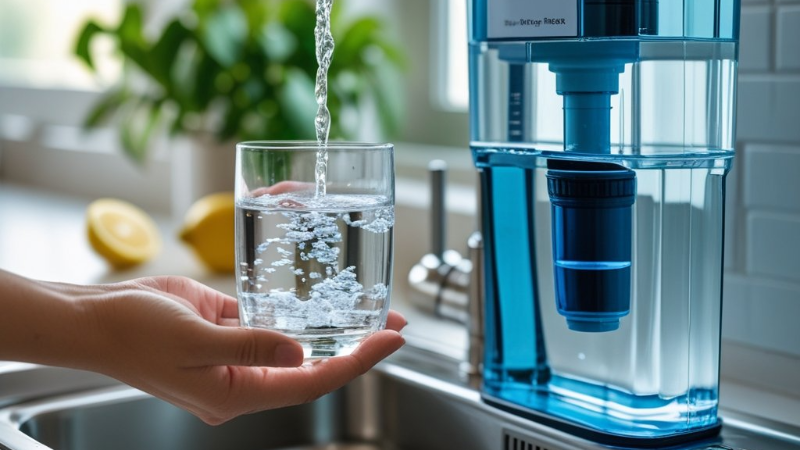
Remove Chlorine From Tap Water Easily and Safely at Home
If you want cleaner-tasting water at home, removing chlorine from your tap water is key. Chlorine is added by water companies to kill germs and keep water safe, but it can leave a strong smell and affect the taste.
Boiling, using carbon filters, or letting water sit can help remove chlorine effectively.
Knowing how to remove chlorine can improve your drinking water and protect your health, especially if you use water for cooking or making baby formula.
Large View Plumbing & Heating, with over 10 years of experience serving North Shore, Massachusetts, can also offer advice or services to help improve your water quality.
Taking simple steps to remove chlorine is easy and affordable. Whether you choose to boil your water or use a filter, you’ll notice the difference in taste and smell quickly.
Why Remove Chlorine from Tap Water?
Chlorine is added to tap water to kill harmful germs, but it can also cause some issues you might want to avoid. It can affect your health, change the taste and smell of water, and even impact your skin and hair with regular use.
Knowing why you might want to remove chlorine can help you make the best choice for your home.
Health Risks of Chlorine Exposure
Chlorine in your tap water can react with natural materials and create byproducts that might harm your health if you drink the water every day. Some studies suggest these byproducts could increase the risk of certain illnesses over long periods.
Chlorine can also irritate your stomach and digestive system if you are sensitive. If you use water with chlorine for drinking, cooking, or making baby formula, you might want to remove it to keep your family safer.
Taste and Odor Concerns
Many people notice that chlorinated water tastes or smells unpleasant. Chlorine can leave a strong, chemical flavor that masks the natural taste of water.
Water with chlorine may also smell like a swimming pool, which can be off-putting. Removing chlorine often improves both the flavor and smell, making your tap water more refreshing.
If you've ever thought your water doesn't taste right, removing chlorine could be a simple fix.
Impact on Skin and Hair
Chlorine in tap water can dry out your skin and hair. When you shower or bathe with chlorinated water, it strips natural oils from your skin, causing irritation, dryness, or itchiness.
Chlorine can also make your hair dry, brittle, and harder to manage, especially if you shower daily. This is why swimmers often notice hair damage after being in chlorinated pools.
Removing chlorine from your water can help prevent these problems and keep your skin and hair feeling healthier.
Methods to Remove Chlorine from Tap Water
There are different ways to remove chlorine from your tap water. Some methods use filters, others use special systems, and some use chemicals to neutralize chlorine.
Each method works well but suits different needs and budgets.
Activated Carbon Filtration
Activated carbon filters are one of the most popular ways to get rid of chlorine. These filters use small carbon particles with many tiny pores to trap chlorine molecules.
When water passes through, the chlorine sticks to the carbon and the water coming out is cleaner and tastes better. You can find activated carbon filters in pitchers, faucet attachments, or whole-house systems.
They are affordable and easy to use but need regular replacement. If you don't change the filter on time, it can stop working well.
Reverse Osmosis Systems
Reverse osmosis (RO) systems remove chlorine and many other impurities by pushing water through a semi-permeable membrane. This membrane blocks chlorine molecules, along with bacteria, salts, and other contaminants.
RO systems are often installed under your kitchen sink. They provide very clean water but can be more expensive upfront compared to filters.
These systems also waste some water during the process, so they use more water than some other methods.
Chemical Neutralization
Chemical neutralization uses substances like sodium thiosulfate or ascorbic acid to remove chlorine from water. These chemicals react with chlorine and change it into harmless compounds.
This method is quick and can be used for large volumes of water, such as in pools or aquariums. It doesn’t require special equipment, just the right amount of neutralizer added to your water.
However, chemical neutralization is less common for everyday tap water drinking use. Use the right amount, as too much chemical can affect water quality.
Natural Ways to Remove Chlorine
You can remove chlorine from your tap water using simple natural methods that don’t require special equipment. These methods are easy to do at home and help improve water taste and safety.
Here are three effective ways to get chlorine out of your water naturally.
Letting Water Sit
One of the easiest ways to remove chlorine is to let your water sit uncovered for about 24 hours. Chlorine evaporates when exposed to air, so the longer you leave the water out, the more chlorine will be gone.
This works well for regular tap water that uses chlorine as a disinfectant. Use a wide container to increase the water’s surface area and speed up evaporation.
Keep the water away from direct sunlight to avoid algae growth. After waiting, you’ll have water with much less chlorine to use for cooking, drinking, or watering plants.
Boiling Your Tap Water
Boiling your water is a fast and effective method to remove chlorine. When water reaches a rolling boil, chlorine gas escapes, leaving the water purer.
Boil the water for at least 15 minutes to ensure most of the chlorine is gone. This method is useful if you need dechlorinated water quickly.
It also kills germs and bacteria, making the water safer to drink. After boiling, let the water cool before using it.
Using Vitamin C
Vitamin C is a natural chlorine neutralizer. It can remove chlorine from water quickly without changing the water’s taste or smell.
You can use vitamin C tablets or powder. Simply add the right amount to your water and stir.
This method works on both chlorine and chloramine, a chemical often added in water treatment plants. It’s perfect for small amounts of water, such as in aquariums or for rinsing produce.
Follow instructions on the vitamin C product for the correct dosage.
Choosing the Best Solution for Your Home
Picking the right way to remove chlorine from your tap water depends on your budget and how much effort you want to spend. You also want a method that works well and fits your daily routine.
Cost Considerations
Costs can vary a lot depending on the method you choose. Boiling water or letting it sit costs almost nothing but takes time and isn’t practical for large amounts of water.
Water filters, like pitcher filters or faucet-mounted filters, usually have a low upfront cost and need to be replaced every few months. Whole-house filtration systems or reverse osmosis units are more expensive initially but remove chlorine more effectively and treat all your water.
Ongoing costs like filter replacements add up.
Effectiveness and Convenience
Some methods remove chlorine faster or more completely than others. Reverse osmosis systems typically remove nearly all chlorine but require professional installation and regular maintenance.
Boiling your water is simple but slow and only good for small amounts. Vitamin C tablets or filters that use activated carbon offer quick, easy chlorine removal with less effort.
Consider how much water you use daily and whether you want instant results or can wait.
Maintaining Your Chlorine Removal System
Keep your chlorine removal system working well by taking care of its parts regularly. You want to make sure your water stays clean, fresh, and safe.
Proper maintenance involves changing filters on time and cleaning parts to avoid buildup or damage.
Filter Replacement Schedules
Most chlorine removal systems rely on filters, like activated carbon or reverse osmosis membranes, to clear chlorine from your water. These filters need regular replacement.
Check your system’s instructions, as filters often require changing every 6 to 12 months. Ignoring filter changes can reduce chlorine removal, letting bad taste and odors return.
If you notice a sharp drop in water flow or weird smells, it’s a good sign the filter needs replacing.
Cleaning and Upkeep Tips
Besides swapping filters, keep your system clean to avoid clogging or damage. Wipe down external parts with a damp cloth regularly to remove dust or dirt.
If your system uses carbon filters, flush it according to the manual to clear trapped particles. Check connections and pipes for leaks or cracks during cleaning.
Small leaks can cause bigger problems if left unattended.
Environmental Impact of Chlorine in Drinking Water
Chlorine is added to your tap water to kill harmful bacteria and keep it safe. When chlorine mixes with natural materials like leaves or algae in water, it can form chemicals called disinfection byproducts (DBPs).
These byproducts can affect aquatic ecosystems when water containing chlorine is released into rivers, lakes, or oceans. Fish and other wildlife might be harmed by these changes in their environment.
Excess chlorine also affects water taste and quality. That’s why many people look for ways to remove chlorine from their drinking water at home.
Some common methods to remove chlorine include activated carbon filters and reverse osmosis systems. These filters catch chlorine and its byproducts, protecting both your health and the environment.
By choosing the right filtration for your home, you help reduce the negative effects chlorine can have on nature.
Comparing Chlorine to Alternative Disinfection Methods
Chlorine is the most common way to kill germs in tap water. It is effective and inexpensive.
Some popular alternatives include chloramine, ozone, and ultraviolet (UV) light. Chloramine is a mix of chlorine and ammonia.
It lasts longer in pipes than chlorine but can be harder to remove from water. Ozone and UV use no chemicals.
They kill germs well but usually don’t stay in the water once treatment ends.
| Disinfectant | Pros | Cons |
|---|---|---|
| Chlorine | Effective, low cost | Can form byproducts, smell |
| Chloramine | Longer lasting in pipes | Difficult to remove, taste |
| Ozone | No harmful byproducts | No lasting effect, costly |
| UV Light | Chemical-free | No residual disinfection |
If you want to remove chlorine or other disinfectants from your water, special filters or treatment systems can help.
Frequently Asked Questions
You can remove chlorine from your tap water in several practical ways. Knowing how to choose the right method for your needs can help you handle water for drinking, pets, plants, and your body.
What are natural ways to dechlorinate water for everyday use?
Boil water for 15-20 minutes to help chlorine evaporate. Letting water sit in an open container for 24 hours also allows chlorine to dissipate.
You can use vitamin C tablets or powder to neutralize chlorine quickly. These methods work well at home and don’t require special equipment.
How can I prepare chlorine-free water for my aquarium?
Fill a clean container and let the water sit uncovered for about a day to remove chlorine. Using a water conditioner made for aquariums is the fastest way to keep your fish safe.
Avoid boiling water for aquariums, as it can concentrate minerals that are harmful to fish. Test the water before adding it to the tank.
Which type of water filter is most effective for eliminating chlorine?
Activated carbon filters remove chlorine from tap water. They also improve taste and odor.
Reverse osmosis systems remove chlorine but cost more and work slower. For home use, a carbon filter pitcher or faucet attachment usually works well.
What steps should I take to ensure water is safe for watering my plants?
Chlorinated water can affect sensitive plants. Let water sit for 24 hours or boil it briefly to remove chlorine before watering.
Filtered water from an activated carbon filter protects your plants easily.
Are there methods to detoxify my body from chlorine exposure?
Drinking dechlorinated water lowers chlorine intake. Taking cool showers instead of hot can reduce chlorine absorption through your skin.
Eating fruits and vegetables rich in antioxidants may help your body handle chlorine exposure. However, no quick fix removes chlorine from your system entirely.
Can I get rid of chlorine in my water without using a filter?
Yes. You can boil water or let it sit exposed to air to reduce chlorine.
Adding vitamin C is another easy chemical-free solution.
Large View Plumbing & Heating serves the North Shore, Massachusetts area with plumbing and heating services. They can assist if you want professional advice or installation for removing chlorine from your water.