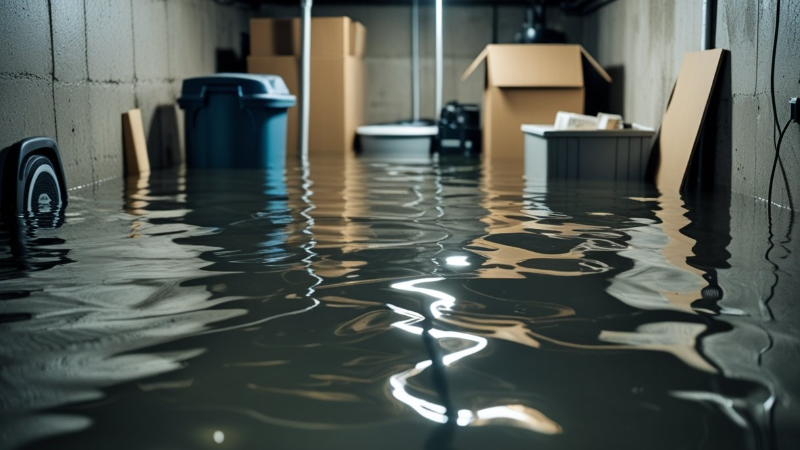
Steps to Prevent Flooding When Your Sump Pump Fails: Easy Tips to Protect Your Home
When your sump pump fails, flooding can quickly damage your home or cottage. A few simple steps during a sump pump failure can save you a ton of money and hassle. If you’re in Barrie, Orillia, and Newmarket, where heavy rain isn’t exactly rare, knowing what to do before things go sideways is just smart.
You might already have a battery backup or extra drainage, but keeping those in good shape and knowing what to do if your pump quits is where it counts. Harris Plumbing has been helping Ontario families for over 50 years—so, yeah, they’ve seen it all when it comes to wet basements. Getting ahead of the problem helps you protect your place if your main pump throws in the towel.
Immediate Actions When Sump Pump Fails
If your sump pump stops, you’ve got to move fast to keep flooding at bay. Cut the power safely, clear out any water, and use whatever backup gear you can until you can get repairs done. Every bit helps.
Disconnect the Power Safely
First things first: turn off the power to your sump pump. Head to your breaker panel and flip the switch for the pump. Don’t mess with the pump or any water if your hands are wet or it’s still plugged in.
If you can’t find the breaker, just unplug the sump pump carefully. Never try to fix or poke around the pump while it’s still live. That’s just asking for trouble. You’ll also avoid frying other electrical stuff in your house by doing this.
Remove Standing Water Manually
Now, get rid of any water that’s already pooled up. Grab a mop, bucket, or wet/dry vac and get to work—don’t wait around, since water only gets more destructive the longer it sits.
Tackle the biggest puddles first, then work on drying things out. If you’ve got fans or a dehumidifier, set those up to speed things along. For soaked carpets or furniture, move them out if you can—less mess to deal with later.
Use a Backup Pump or Wet/Dry Vacuum
If you’ve got a backup sump pump or a battery-powered one, get it running right away. Those backups are made for moments like this and can buy you time until help arrives.
No backup pump? A wet/dry vac can handle small amounts of water in your sump pit or on the floor. Just don’t overfill it—empty the tank often. These quick fixes won’t solve everything, but they’ll slow the flood until Harris Plumbing or another pro can step in.
Setting Up Emergency Water Removal
When your sump pump calls it quits, you need to get water out—fast. The right tools, quick thinking, and some makeshift barriers can make a big difference.
Deploy Portable Utility Pumps
A portable utility pump is a lifesaver for moving lots of water quickly. Look for one that can handle some debris and has a solid gallons-per-minute (GPM) rating. Make sure it’s not too bulky for your basement doors and that you’ve got a safe way to plug it in.
Set the pump up at the deepest spot where water collects. Run the hose so it dumps water far from your foundation—no sense just moving the problem outside the door. If the power’s out, a battery or gas-powered pump is your friend.
Let the pump run as long as water’s coming in, but keep an eye out for clogs or overheating. Check the hose path so it doesn’t kink or back up.
Utilize Floor Squeegees and Buckets
For low water or spots your pump can’t reach, go old-school. A sturdy floor squeegee pushes water toward a floor drain or out the door. That rubber edge makes a difference.
Buckets help you scoop water from tight corners or under stairs. Work in small sections and dump the water outside—don’t just move it around. Have a few buckets handy and empty them often. It’s not glamorous, but it works.
Create Temporary Water Barriers
Stopping new water is just as important as getting rid of what’s already in. Sandbags or water-filled barriers at doors and windows can block new leaks. Stack them in a pyramid and lay plastic underneath for a better seal.
Inside, throw down tarps or plastic sheets to protect your stuff and slow down seepage from cracks. Use waterproof tape or putty on small cracks for a quick patch.
These barriers won’t last forever, but they buy you time while you sort out repairs. If you’re in a pinch in York Region or Muskoka, Harris Plumbing does emergency calls for sump pump failures.
Protecting Belongings During Flood Risk
A busted sump pump can put your stuff at risk fast. A little prep with your valuables and furniture can really cut down the headaches.
Elevate Valuables and Electronics
Keep important things—documents, photos, electronics—off the floor. Shelves or tables at least 30 cm above the usual waterline work well.
Waterproof containers or sealable bins are a good idea for papers and small electronics. If you can, unplug electronics and move them to a higher floor.
Make a quick list of what matters most so you can grab it if things get dicey. It’s easier to think straight when you’re not scrambling.
Move Furniture to Higher Ground
Lift up furniture if you can, or move it to a dry spot. Sofas, chairs, and wood pieces do best in rooms less likely to flood.
If you can’t move heavy stuff, slide plastic sheets or waterproof pads under the legs. This helps keep water from soaking in.
Don’t stack heavy things on top—unbalanced piles tip over and just make more work. Getting your furniture up and out of harm’s way saves you a lot of money and stress.
Harris Plumbing’s seen too many folks lose things they care about—act fast, especially in places like Barrie, Orillia, and Newmarket where sump pumps are always working overtime.
Preventing Future Flooding Without a Sump Pump
If your sump pump’s out of commission, focus on moving water away from your basement. Some early warning can help you catch issues before they get out of hand.
Improve Basement Drainage
Good drainage outside keeps water from collecting around your foundation. Make sure the ground slopes away from your house—about 5 cm per meter for at least 3 to 6 meters. Clean gutters often so water doesn’t just dump next to your walls.
Consider adding a French drain or surface drain to steer water away. These systems collect runoff and send it somewhere safer. Patch any cracks in your basement walls or floor as soon as you spot them.
Check your downspouts and extend them so water lands at least 1.5 meters from your foundation. In places like Simcoe County or York Region, where rain can be relentless, these steps matter—don’t just count on your sump pump.
Install Water Alarms for Early Detection
A water alarm can alert you to flooding before it gets serious. Place alarms on the basement floor near walls, drains, or wherever water tends to collect. They’ll sound off or ping your phone if they sense moisture.
Some models hook into your home Wi-Fi, so you get alerts even if you’re not home. A few can even trigger pumps or shut off water automatically if you’re into that kind of tech.
Having a working alarm means you’re not caught off guard. Harris Plumbing recommends these, especially in Muskoka and York Region. Early warning saves you time, money, and a lot of stress.
Addressing Common Entry Points for Water
Water sneaks in through tiny cracks and gaps, especially when your sump pump isn’t working. Knowing where to look helps you stop leaks before they get worse.
Seal Cracks in Basement Walls
Cracks in basement walls are classic trouble spots. Check carefully, especially near the floor or in corners. Use a waterproof sealant meant for masonry to fill any gaps.
Apply sealant to a dry, clean surface and smooth it out. If a crack looks big or the wall seems damaged, call a pro. Ignoring cracks just invites more water and bigger headaches later.
Check Window Well Covers
Basement windows with wells can let water in if the covers are busted or missing. Window well covers keep out rain, snow, and debris. If yours are cracked or gone, replace them.
Go for clear polycarbonate covers—they’re tough and let in light. Keep window wells free of leaves and dirt so the drain doesn’t clog. Bad covers let water build up and sneak through the window seals.
Inspect Basement Doors for Gaps
Basement doors often get ignored, but gaps around the edges or bottom can let water pour in. Check for cracked or missing weather stripping and seal up any gaps tight.
Replace worn weather stripping and maybe add a door sweep at the bottom for extra protection. A tight seal keeps water and drafts out when storms hit.
If you want expert help with these fixes or sump pump repair, Harris Plumbing has been serving Barrie, Orillia, and Simcoe County for over 51 years. Their licensed team can inspect your basement and recommend the best ways to keep water where it belongs—safely outside.
Maintaining Proper Outdoor Drainage
Keeping water away from your foundation is huge when your sump pump isn’t working. Focus on gutters and making sure downspouts send water far from your house.
Clear Gutters and Downspouts
Gutters catch rain from your roof and send it away from the house. If they’re clogged with leaves or junk, water overflows and pools by your foundation.
Check gutters regularly, especially after storms or in the fall. Scoop out debris by hand or with a gutter tool. Flush everything with water to make sure it’s clear. Clogs can cause leaks and damage your siding—or worse, your basement.
If climbing ladders isn’t your thing, call a pro. Harris Plumbing has gutter cleaning tips and can help keep things flowing.
Extend Downspout Discharge Away from Foundation
Downspouts need to send water several meters away from your home. If they just dump water near the house, you’re asking for trouble.
Use extenders, splash blocks, or even underground pipes to move water 2–3 meters from your foundation. Make sure the ground slopes away so water runs off, not back toward your house.
Don’t let downspouts dump water onto walkways or into your neighbor’s yard—nobody needs that. Good downspout setup eases the load on your sump pump and keeps your basement dry when the rain starts pouring.
Exploring Long-Term Sump Pump Alternatives
If your main sump pump isn’t cutting it, having a backup matters. Some options don’t need electricity, others run on batteries—giving you more ways to stay dry when things go wrong.
Install Water-Powered Backup Pumps
Water-powered backup pumps use your home’s water pressure to move water out. No electricity, no batteries—so they’ll work even if the power’s out. That’s pretty reassuring during a big storm.
You’ll need a water line hookup, and decent water pressure, for these to work well. Installation’s a bit more involved and you’ll want a licensed plumber like Harris Plumbing to do it right. One thing: they use your water, so your bill might tick up a bit.
But they run as long as you need, no batteries to worry about. If you want a backup that just works when it’s needed, water-powered pumps are a solid choice.
Consider Battery-Backup Sump Pumps
Battery-backup sump pumps use rechargeable batteries and jump in when your main sump pump can’t run—like during a power outage or if something goes wrong. Most batteries last about 3 to 5 years and usually give you 4 to 8 hours of pumping, though it depends on how big the battery is and how much water you’re dealing with. It’s really important to keep up with battery maintenance so it’ll actually work when you need it.
You can install these pumps pretty easily since there’s no need to mess with water lines. Just remember to check the battery now and then, and swap it out if it’s getting old. This setup works well if you want automatic, portable protection without having to change your plumbing.
If you live in places like York Region or Muskoka, pairing a main sump pump with a battery backup just makes sense. You get extra peace of mind against flooding. Harris Plumbing can help you pick out the right system and make sure it’s put in the right way.
Creating a Comprehensive Flood Prevention Plan
Getting ready for a sump pump failure mostly comes down to knowing who to call and having a few key things on hand. That way, if water starts coming in, you can jump into action and hopefully keep things under control.
Develop an Emergency Contact List
Start by jotting down the most important contacts for flood emergencies. Put your plumber on there—like Harris Plumbing, if they handle sump pump repairs in Ontario. Add local emergency numbers and a hardware store nearby.
Make sure those numbers are easy to grab. Tape a copy near your sump pump and save them in your phone, too.
It’s smart to add family or neighbours who could help if you’re not around. When every minute counts, you don’t want to waste time searching for phone numbers.
Keep Flood Cleanup Supplies Handy
Pull together the basics you’ll need to deal with water—buckets, mops, towels, maybe a wet/dry vacuum if you’ve got one.
Waterproof gloves and boots are a must for safety. It’s also handy to have plastic sheeting and sandbags to block off water if things get bad.
Stash your supplies in a box or bin near the sump pump or somewhere you can reach quickly. Every so often, check over your gear and swap out anything that’s worn or missing.
Frequently Asked Questions
When your sump pump quits, acting quickly really matters. Having backup plans and knowing a few tricks can make a big difference.
What should I do to avoid water damage if my sump pump stops working?
First, if you can, stop the water at its source. Then, get rid of any standing water as fast as possible.
Use a wet/dry vacuum or a pump to clear things out. After that, dry the area thoroughly with fans or a dehumidifier. This helps keep mold and bigger problems away.
How can I prevent my basement from flooding due to a sump pump failure?
Keep gutters and downspouts clear, and make sure they send water away from your foundation. Seal up any cracks in your basement walls.
A backup sump pump or a battery backup system gives you another line of defense if the main pump gives out.
What are the best backup solutions for a sump pump to ensure it doesn’t fail?
People really like battery backup pumps—they keep working even if the power’s out. Some folks use water-powered backup pumps, which don’t need electricity at all.
A high-capacity battery is a solid choice, but remember to test it now and then so you know it’ll work when you need it.
Are there any signs to watch for indicating my sump pump may fail soon?
Strange noises—like grinding or rattling—are never a good sign. If the pump runs all the time or keeps turning on and off, something’s probably up.
Look out for rust, leaks, or a blocked discharge pipe. Checking your sump pump regularly helps you catch problems before they get serious.
Will homeowners insurance typically cover damage if my sump pump fails?
Honestly, it depends on your policy and the company. A lot of standard policies don’t cover flooding from sump pump failure.
You might need extra coverage or a separate flood policy. Best bet? Go over your insurance and ask your agent what’s actually covered.
How often should I check and maintain my sump pump to prevent failure?
It's a good idea to check your sump pump at least twice a year—usually before spring and again before fall. Clean out the sump pit, and try pouring some water in to see if the pump kicks on like it should.
If you're in Barrie, Orillia, and Newmarket, or York Region, Harris Plumbing suggests getting a professional to take a look now and then, just to make sure everything's working as it should.