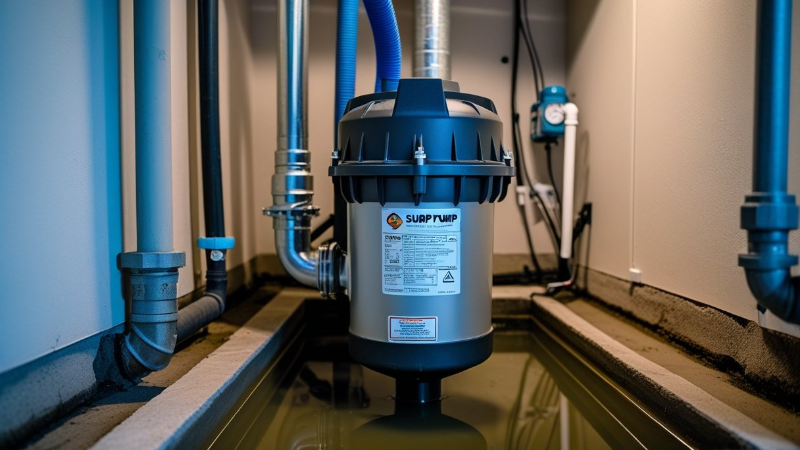
What Is a Sump Pump and How It Protects Your Home from Flooding
A sump pump is a device installed in your basement or crawl space to remove excess water and prevent flooding. It automatically pumps out water that collects in a sump pit, keeping your home dry and safe from water damage.
This is especially important in areas like Barrie, Orillia, and surrounding areas, where heavy rains and spring thaws can cause water to build up quickly. You might not notice it working, but your sump pump plays a key role in protecting your property during wet seasons.
Understanding what a sump pump does and how it works helps you take better care of your home. Whether you live in a rural cottage or a family home in Barrie, Orillia, and surrounding areas, knowing about sump pumps can give you peace of mind.
What Is a Sump Pump?
A sump pump is a device designed to keep your basement or crawl space dry by removing unwanted water. It protects your home from flooding and water damage by moving water away from your foundation.
Definition and Purpose
A sump pump sits in a pit, called a sump basin, usually at the lowest point of your basement or crawl space. Its main job is to collect and pump out excess water from rain, melting snow, or groundwater buildup.
By removing water quickly, the sump pump stops flooding and prevents problems like mold, structural weakening, or damage to your belongings. This gives you peace of mind during heavy rains or spring thaw, especially in places like Aurora, Richmond Hill, and Stouffville.
How Sump Pumps Work
Your sump pump sits in a hole that gathers water draining from your home’s foundation. When water rises to a certain level, the pump turns on automatically and pushes water out through pipes that lead away from your home.
Most sump pumps run on electricity but can have backup options like battery or water-powered systems. They use a float switch or pressure sensor to detect water levels, so you don’t have to watch the pit.
Common Applications
Sump pumps are most often used in basements or crawl spaces of homes, cottages, and commercial buildings. They are especially important in regions with high groundwater or regular rainfall like Aurora, Stouffville, or throughout Muskoka.
If your property often floods or has a history of basement leaks, you need a sump pump. Homes with well or lake pump systems also benefit, as sump pumps help control groundwater.
Regular maintenance keeps your sump pump ready before heavy rain or spring thaw.
Types of Sump Pumps
Sump pumps come in several styles, each handling water removal in different ways. Some sit underwater, while others operate above the waterline.
Backup options include water pressure or batteries to keep the pump working during power failures. Choose the right type based on your home’s needs and how often you expect water problems.
Submersible Sump Pumps
Submersible sump pumps sit underwater inside the sump pit. The motor and pump form one sealed unit, which keeps them cool and quiet.
These pumps last longer and make less noise than other types. They work well in homes with high water tables or heavy flooding risks and fit well in small spaces.
Maintenance can be harder because the whole unit is underwater.
Pedestal Sump Pumps
Pedestal sump pumps have a motor mounted above the sump pit on a long shaft. Only the pump sits in the water, while the motor stays dry and easy to reach.
Maintenance and repairs are simpler because you don’t need to lift the entire unit. These pumps cost less than submersible ones but are louder and take up more room.
They suit large or oddly shaped pits but may not last as long in very wet conditions.
Water-Powered Backup Pumps
Water-powered backup pumps use your home’s municipal water pressure to work when the main sump pump or electricity fails. They don’t need batteries or electricity, so they keep running during power outages.
These pumps use a lot of municipal water to pump out floodwater. They work best if your home connects to city water, but they may not suit rural properties with well water.
Battery Backup Sump Pumps
Battery backup sump pumps turn on automatically when your main pump loses power. They use a rechargeable battery to keep running during storms or outages.
Most battery backups run for several hours, depending on the battery size and pump power. These systems work alongside your main pump and only turn on when needed.
They are a good choice in areas with frequent power outages. Remember to maintain and replace the battery regularly.
| Type | Motor Location | Key Benefit | Best For |
|---|---|---|---|
| Submersible | Underwater | Quiet, durable | High water tables, limited space |
| Pedestal | Above water | Easy maintenance, lower cost | Large pits, simple setups |
| Water-Powered Backup | Uses municipal water | Works without electricity | Homes with city water |
| Battery Backup | Battery powered | Runs during power outages | Areas with frequent blackouts |
Key Components of a Sump Pump System
A sump pump system has several parts that work together to stop water from flooding your basement or cottage. Each part has a specific job to keep water away from your home’s lowest point.
Sump Basin
The sump basin is a pit or container, usually made of plastic or concrete. It sits in the lowest part of your basement floor where water collects.
Water flows into this basin through drains or seepage. The basin holds water until the sump pump removes it.
A well-sealed basin helps keep dirt and debris out, which can prevent damage or blockages.
Float Switch
The float switch controls when your sump pump turns on and off. It senses the water level inside the sump basin.
When water rises to a certain height, the float switch triggers the pump to start removing water. Once the water drops, it turns the pump off.
This automatic action protects your basement from flooding without your constant attention. The most common float switch is a tethered float that moves up and down with the water.
Discharge Pipe
The discharge pipe carries water from the sump basin to a safe area outside your home. It’s usually made of PVC plastic and connects directly to the sump pump outlet.
The pipe should direct water far from your foundation to prevent it from flowing back. Proper installation uses waterproof seals and an elbow to guide water downhill.
In cold places like Ontario, the pipe may need insulation or heat tape to avoid freezing in winter.
Installation Requirements
Installing a sump pump takes careful planning to make sure it works when you need it. You must prepare the site and ensure the electrical setup is safe.
Site Preparation
Your sump pit should be clean and deep enough to hold the pump securely. Usually, the pit is about 18 to 24 inches deep and wide enough for the pump to fit without obstruction.
Before installation, seal cracks or gaps around the foundation near the sump pit. This keeps water from entering unwanted areas.
The discharge pipe must direct water away from your home’s foundation. You also need to connect the sump pump to your home’s municipal water drainage or stormwater system.
The piping should prevent any backflow of water into the pit. A licensed plumber can help ensure your setup meets local codes.
Electrical Considerations
Your sump pump needs a dedicated power source, usually a standard electrical outlet near the pit. This outlet should have ground-fault circuit interrupter (GFCI) protection to prevent electrical hazards in wet conditions.
If power outages happen often, consider installing a battery backup system. This keeps your pump running when electricity fails.
Secure cords and wiring safely to avoid water contact. Never use extension cords for sump pumps, as this can create a fire risk.
Have a professional check your electrical setup to guarantee safety and meet Ontario standards.
Benefits of Sump Pumps
A sump pump keeps your home dry, safe, and structurally strong. It works quietly to handle water before it causes damage or health issues.
Basement Flood Prevention
A sump pump removes water that collects in your basement from rain, snowmelt, or groundwater. Without it, water can pool and cause flooding that damages your flooring, walls, and belongings.
The pump activates automatically when water rises, so you don’t have to clean up heavy water after storms. Many homes use a battery backup sump pump to keep water from building up during power outages, which are common during bad weather.
Mold and Mildew Control
Water damage often leads to mold and mildew growth in damp basements. These fungi can cause bad smells and trigger health problems like allergies.
By reducing moisture quickly, your sump pump helps keep these risks low. It creates a healthier environment in your home.
Keeping your basement dry also means less chance for wood rot and rust on pipes or appliances.
Foundation Protection
Water pooling near your home puts pressure on your foundation walls. Over time, this can cause cracks or seepage, leading to expensive repairs.
A sump pump removes water early and helps reduce soil moisture around your foundation. This lowers the risk of structural damage and keeps your home stable.
This protection is especially important in regions like Aurora, Richmond Hill, and Stouffville, where freezing and thawing cycles can worsen foundation issues.
Maintenance and Troubleshooting
Keeping your sump pump in good shape helps protect your home from water damage. You need to check it often, fix common issues quickly, and know when it’s time for a new one.
Regular Inspection Tips
Check your sump pump every few months, especially before heavy rain or spring melt. Clean the sump pit to remove dirt and debris, which can clog the pump.
Test your pump by pouring water into the pit. The pump should turn on within seconds and push water out through the discharge pipe.
Make sure the float switch moves freely. For battery backup sump pumps, check the battery status often.
Batteries usually last 3 to 5 years and provide 4 to 8 hours of power during outages. Replace the battery as needed.
Common Problems and Solutions
If your pump doesn’t start, check the power source first. Make sure the breaker hasn’t tripped and the pump is plugged in.
A stuck float switch is a frequent issue. Clear debris or gently free the float so it moves without obstruction.
If the pump runs but doesn’t remove water, the discharge pipe might be blocked or frozen. Clear any clogs or ice to restore flow.
Unusual noises may mean worn parts or debris inside. Turn off the pump before inspecting and remove any objects.
If noises continue, contact a licensed plumber for repairs.
When to Replace a Sump Pump
Most sump pumps last about 7 to 10 years with proper care. If you notice frequent breakdowns, reduced water flow, or the pump runs constantly, it might be time to replace it.
Battery backups usually need battery replacement every 3 to 5 years. If your backup pump can’t run for at least 4 hours during outages, the battery or pump may be unreliable.
Replacing an old pump with a newer, energy-efficient model can save you money on electricity. A licensed plumber can help recommend the right unit for your home or cottage.
Choosing the Right Sump Pump
Pick a sump pump based on how much water you need to move, where the pump will go, and how it uses power. The best choice matches your basement’s needs and works well during power problems.
Consider the pump’s size, power source, and efficiency.
Factors to Consider
First, think about the source and amount of water you expect. If your basement floods often or during heavy rain, a stronger pump is important.
Location matters, too. A submersible pump fits inside a sump pit and handles large volumes quietly.
A pedestal pump sits above the water and can be easier to service.
You should also consider backup power. During storms, power outages can stop electric pumps from working.
Choosing a pump with a battery backup keeps water moving when power fails. This is key if your home is in areas of Ontario prone to storms or power cuts.
Sizing and Capacity
Choosing the right size pump depends on how much water it can move in a minute or hour. Look for the pump’s flow rate, often shown in litres per minute (L/min).
A typical basement may need a pump that moves 1,300 to 3,000 L/min depending on flood risk. Larger sumps or big water problems need more powerful pumps.
The pump’s horsepower (HP) matters, too. More HP means the pump can push water higher and faster.
A 1/3 HP pump works for smaller basements. Bigger spaces or longer discharge lines need 1/2 HP or more.
Energy Efficiency
Energy-efficient pumps save on electricity bills and reduce wear. Look for models designed to use less power but keep strong performance.
Some pumps have automatic sensors that turn them on only when water reaches certain levels. This prevents the pump from running unnecessarily.
Battery backup pumps also vary in efficiency. Newer models use smarter batteries that last longer and need less charging.
Choosing an energy-efficient pump with a reliable backup helps keep your basement dry without wasting power.
Safety and Best Practices
Using a sump pump safely means knowing how to handle it properly and planning for power outages. These steps help protect your home from water damage and keep your pump working well when you need it most.
Proper Usage Guidelines
Make sure your sump pump is installed correctly to avoid leaks or damage. The pump should sit flat in the sump pit without any debris blocking its intake.
Check the discharge pipe to ensure it directs water away from your home’s foundation. Regularly inspect and clean your sump pump at least twice a year.
Test it by pouring water into the pit. The pump should start automatically and pump the water out quickly.
Keep the area around the pit clear to ensure proper airflow.
Safety tips:
- Never use an extension cord with your sump pump. Plug it directly into a grounded outlet.
- Avoid handling the pump when it’s plugged in or running to lower shock risk.
- If the pump jams or makes unusual noises, call a licensed plumber in Ontario for repairs.
Power Outage Solutions
During storms, power outages are common and can stop your sump pump from working. To prevent basement flooding, consider installing a battery backup system.
This backup can power your pump for several hours until electricity returns. You might also look into water-powered sump pumps.
These use your home’s water pressure to remove water without electricity. This provides a reliable option during outages.
Having a portable generator ready is another option. But never connect a sump pump directly to a generator without proper transfer switches—this can be dangerous.
Harris Plumbing in Aurora, Richmond Hill, and Stouffville offers expert help installing battery backups and water-powered pumps.
Cost and Longevity
The cost of a sump pump can vary depending on the type and features. Basic models start around $300, while battery backup systems or high-capacity pumps can cost $600 or more.
Installation fees and any additional plumbing work may add to the total price. A battery backup sump pump is a smart choice if you want protection during power outages.
The battery usually lasts 3 to 5 years, but proper maintenance can help it run longer. The pump itself often lasts 7 to 10 years with regular care.
Here’s what affects how long your sump pump lasts:
- Battery type and quality
- Maintenance habits like cleaning the pump and checking the battery
- How often the pump runs during heavy rains or flooding
It’s important to test your sump pump and battery regularly. Replacing the battery on time helps keep your home safe when the power goes out.
| Pump Type | Average Cost (CAD) | Lifespan (Years) | Notes |
|---|---|---|---|
| Basic sump pump | $300 - $500 | 7 to 10 | Needs electricity to work |
| Battery backup pump | $600 - $1,000 | 7 to 10 for pump, 3-5 for battery | Runs during power outages |
Frequently Asked Questions
Sump pumps help protect your basement from flooding and water damage by removing excess water. Understanding how they work, their parts, and how to maintain them can help you keep your home dry and safe.
How does a sump pump keep your basement dry?
A sump pump collects water from your basement or crawl space and pumps it outside away from your home. This prevents water from building up and causing damage or mould.
It usually sits in a sump pit, where water naturally collects. When the water reaches a certain level, the pump turns on automatically.
Can you explain the difference between a sump pump and a sump pit?
The sump pit is a hole or basin in your basement floor that collects water. The sump pump is the device inside the pit that pumps the water out.
Without the pit, water wouldn’t gather in one place for the pump to remove.
What should I consider when choosing between a submersible and a pedestal sump pump?
A submersible pump sits underwater inside the sump pit. It is quieter and out of sight but needs to be fully sealed to avoid water damage.
A pedestal pump stands above the pit. It is easier to service but can be noisier and takes up more space in your basement.
What are the key maintenance tips for ensuring a sump pump operates effectively?
Check the pump regularly to make sure it turns on and off properly. Clean the sump pit to remove any debris that might block the pump.
If you have a battery backup, test it often, especially before storms. This keeps your pump running when power goes out.
Is it a concern if a house I'm considering buying has a sump pump installed?
Not usually. A sump pump shows the seller knows about water issues and has tried to fix them.
You should still have the system inspected to make sure it works well and fits your needs.
Why might a sump pump stop working, and what should I do?
Power failure, a blocked discharge pipe, or a stuck switch can stop a sump pump from working.
Check the power source first. Look for any blockages in the discharge pipe. If you’re unsure, call a licensed plumber for sump pump repair in Ontario.