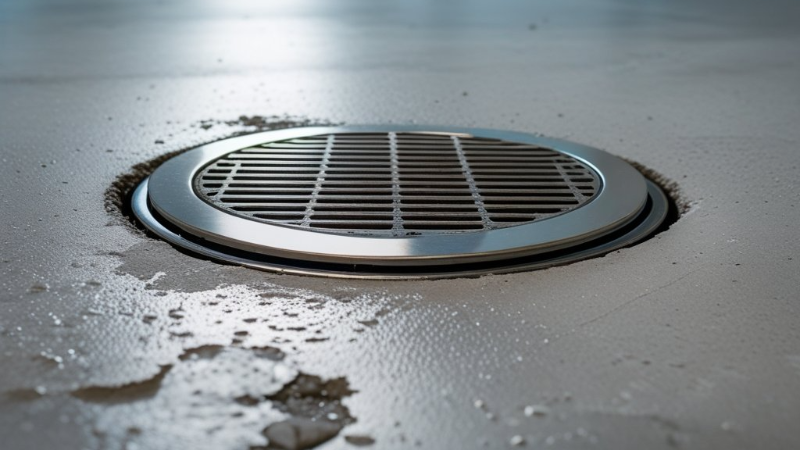
Basement Drain Clog Solutions: Easy Fixes to Keep Water Flowing Smoothly
Dealing with a clogged basement drain can be frustrating and stressful. Water can back up, leading to flooding and damage to your home.
Act quickly using simple tools like a plunger or by removing debris to clear the blockage. Early action saves you time and money.
You don’t have to handle this alone. Large View Plumbing & Heating, serving the North Shore of Massachusetts, can help with expert advice or repairs.
With over 10 years of experience, their team knows how to fix your basement drain efficiently. They can also help you avoid future clogs.
Read on to learn easy steps to fix common drain blockages. You’ll also understand what causes these clogs and how to keep your basement dry.
Common Causes of Basement Drain Clogs
Clogs in your basement drain happen for several main reasons. These blockages can stop water from draining and may cause flooding or damage.
Knowing what causes these clogs helps you spot issues early. This can help you avoid costly repairs.
Accumulation of Debris
Debris buildup is a common cause of basement drain clogs. Dirt, dust, leaves, and other particles can wash into your drain from the basement floor.
Over time, these materials settle in the pipe and block water flow. You might notice slow drainage or a foul smell near the drain.
Regular cleaning of the floor and using a drain cover can reduce how much debris gets inside. If the clog is serious, a plumber can clear out the debris using a drain snake or water jetting.
Tree Root Infiltration
Tree roots can cause basement drain clogs. Roots seek out moisture and can grow into drain pipes through small cracks or joints.
Once inside, roots grow larger and block water from flowing. This type of clog often causes slow drainage and strange noises in the pipes.
Removing tree roots usually requires professional tools. Prevent root clogs by keeping large trees away from drainage pipes and checking for cracks regularly.
If you suspect roots are a problem, a plumber can do a camera inspection and fix the issue.
Improper Drain Slope
Basement drain pipes need the right slope, usually about 1/4 inch drop per foot. This slope helps water flow downhill and prevents it from staying in the pipes.
If the slope is too flat or tilted upward, water can pool and cause slow drainage or clogs. Over time, this standing water traps debris and causes blockages.
This problem can happen if the plumbing was installed incorrectly or if the ground shifts under the pipes. Fixing the slope usually means adjusting or replacing pipe sections.
If you notice water backing up and no obvious blockage, check for improper slope. A professional plumber can measure and adjust it to keep water moving.
Soap Scum and Grease Build-Up
Soap scum and grease can block your basement drain, especially if it connects to laundry or utility sinks. Soap scum hardens inside pipes, while grease sticks to pipe walls.
These substances narrow pipes and trap debris, creating clogs. You might notice slow drainage or a bad smell near the drain.
To prevent build-up, avoid pouring greasy or oily water down basement drains. Use drain cleaners safely and clean the area regularly.
If build-up creates a serious clog, a plumber can remove it with tools like hydro-jetting.
Warning Signs of a Clogged Basement Drain
A clogged basement drain can cause problems that are easy to notice if you know what to watch for. Some signs include slow drainage, bad smells, water collecting near the drain, and strange noises.
Catching these signs early helps you avoid bigger issues.
Slow Drainage
If water takes a long time to drain from your basement floor drain, it's a warning sign. Slow drainage means something is blocking the pipes, like dirt or leaves.
You might notice that water still pools and drains slowly after cleaning or using the drain. Slow drainage often gets worse over time, so don’t ignore it.
Regular maintenance helps keep water flowing easily. If slow drainage becomes a constant problem, you might need professional help.
Unpleasant Odors
Foul smells coming from your basement drain are a clear sign something is wrong. These odors happen when water gets trapped behind clogs or when mold or bacteria grows in standing water.
The smells may range from musty to a stronger sewage-like odor. They often get worse when it’s humid or after heavy rain.
If you notice these smells, check the drain for clogs or standing water. Persistent odors mean a deeper issue, which should be inspected by experts.
Water Pooling Around Drain
Seeing water pool around your basement drain is a serious warning. This standing water means the drain isn’t working as it should.
Pooling water encourages mold and mildew growth, which can harm your home and health. The longer water stands, the worse the damage becomes.
If water doesn’t go down after you mop or dry the area, the drain is likely clogged. Acting fast prevents more damage.
Gurgling Noises
Strange gurgling sounds from your basement drain are often a sign of trapped air or slow drainage caused by blockages. These noises happen when water struggles to flow through pipes partly blocked by debris.
You might hear gurgling during or after using other drains in the house. This means the whole system may be backing up.
If you hear these noises, consider calling a professional to inspect and fix the issue.
Immediate Actions for Basement Drain Backups
When your basement drain backs up, quick steps are important to prevent damage and keep things safe. You’ll need to stop more water from entering, remove standing water, check how bad the problem is, and protect your belongings.
Shutting Off Water Supply
First, turn off your home's main water supply. This stops extra water from flowing into the basement drain and making the backup worse.
Avoid using sinks, toilets, or appliances like washing machines while the drain is clogged. Even small amounts of water can increase pressure and cause more backup.
If your house has a separate valve for basement water, close that too. This reduces the chance of flooding and gives you a better chance to fix the issue.
Removing Standing Water
Next, remove any water in your basement. Use a wet/dry vacuum or a pump if you have one.
Removing water quickly lowers the risk of damage to flooring, walls, and electrical systems. If you don’t have a pump, use buckets or mops for smaller amounts.
Be careful around electrical outlets or appliances near water. If the backup is from sewage, call a professional to handle it safely.
Assessing the Severity
Look at how bad the backup is. Is water rising or flooding quickly? Are there strange smells like sewage?
Check the basement floor drain for clogs you can see, like debris or buildup. If you find the problem and can clear it safely, use basic tools like a plunger or plumber’s snake.
If the water is coming from the sewer line or is backed up with sewage, call professionals quickly to avoid health risks.
Protecting Belongings
Move belongings away from the floor to higher ground. Lift furniture, boxes, and electronics off the floor or place them in another room.
Use plastic sheets or tarps to cover items that can’t be moved. Unplug any electrical items near water to prevent shocks or fires.
Wear rubber boots and gloves if you need to handle water or wet items. If backups happen often or after heavy rain, consider upgrading your drainage system.
DIY Basement Drain Clog Solutions
When your basement drain clogs, you can take practical steps to fix it yourself. Simple tools and household products can clear many blockages.
Act carefully to avoid pushing the clog deeper or causing damage.
Using Plungers
Try a plunger first. Use a plunger made for drains, not toilets, because it fits better on flat surfaces.
Make sure there’s enough water in the drain to create a tight seal. Press the plunger down firmly and pump it several times.
If water starts draining, you’ve likely cleared the blockage. If plunging doesn’t work after a few tries, try more advanced tools.
Drain Snaking Techniques
A drain snake, or auger, is a flexible tool that can reach deeper blockages. Insert the snake into the drain and turn the handle to break up or grab debris.
Push it slowly and carefully to avoid damaging your pipes. If you feel resistance, continue turning to hook the clog.
Pull out the snake slowly, then run water to see if the drain clears. Repeat as needed until water flows freely.
Drain snakes are available at hardware stores and can clear tough clogs without chemicals.
Natural Cleaners and Enzyme Products
If mechanical methods don’t fully work or if you want to avoid chemicals, try natural drain cleaners. Pour half a cup of baking soda into the drain, then add one cup of vinegar.
Let it bubble for 15-30 minutes, then flush with hot water. Enzyme-based products use natural bacteria to eat away waste like hair and soap scum.
They work more slowly but are safe for your pipes and the environment. For stubborn clogs, these solutions can keep your basement drain clear between deeper cleanings.
When to Contact a Professional Plumber
Knowing when to call a plumber is important to keep your basement drains working well. Some problems need expert help, especially if they don’t clear up or cause water to back up.
Persistent Blockages
If your basement drain clogs again and again after you clear it, call a professional. Persistent blockages often mean something deeper in the pipes that home tools can’t fix.
You might notice slow draining even after plunging or using a drain cleaner. Professionals use special equipment that removes clogs safely without hurting your plumbing.
Getting expert help early keeps your drains flowing freely and prevents damage.
Sewer Line Issues
If you smell a bad odor near your basement drain or see water backing up from multiple drains, the problem could be in your sewer line. Sewer line issues are serious because they affect the whole house’s plumbing.
You might also see wet spots on the floor or hear strange noises from your pipes. These signs mean your main sewer line may be cracked or blocked.
Call a trusted plumber to inspect, clean, or repair your sewer line using the latest technology.
Recurring Water Backups
When water keeps backing up in your basement drain, it’s not just annoying—it can damage your home’s foundation or walls.
Water backups often happen because of heavy blockages or poor drainage outside your home. If backups occur after rain or when using appliances like washers, your drainage system or sewer vents may have problems.
A professional plumber can find the root cause and fix it. They check your pipes and may suggest solutions like pipe replacement or clearing outside drains.
Preventive Maintenance for Basement Drains
Keeping your basement drains clear takes regular care. Clean them often, stop debris before it gets inside, and handle waste carefully to avoid clogs.
Regular Cleaning
Cleaning your basement drain regularly helps stop clogs before they form. Remove any visible dirt, leaves, or debris near the drain grate.
Use a drain snake or plumber’s auger to clear out anything stuck deeper in the pipe. Flushing the drain with hot water can dissolve grease or soap buildup.
Try cleaning every few months or after heavy storms that bring dirt inside. If your drain has a cleanout plug, remove it to check and clear blockages more easily.
If you feel unsure about cleaning your drains safely, consider calling experts like Large View Plumbing & Heating. They can help with tough clogs and recommend the best cleaning schedule for your home.
Installing Drain Covers
Drain covers or strainers catch debris before it gets into your pipes. Installing them on basement drains stops leaves, hair, and larger particles from causing blockages.
Choose covers made from durable materials like stainless steel. These last longer and are easier to clean.
Make sure the covers fit properly to prevent dirt from sneaking around the edges. Check your drain covers every few weeks, especially during fall when leaves accumulate.
Clean off what collects on top, so water flows freely and stays safe from clogs. This small step saves time and money on repairs down the line.
Proper Disposal Practices
What you put down your drains matters in preventing blockages. Avoid pouring grease, oils, or large food particles into basement drains, as they can stick and harden inside pipes.
Do not flush non-degradable items, such as wipes or paper towels. These materials often cause stubborn clogs that require professional help.
Use trash cans for solid waste and dispose of chemicals away from drains. Following these habits helps keep your basement drain clear.
If you face persistent issues, Large View Plumbing & Heating in North Shore, Massachusetts, offers reliable solutions to keep your plumbing healthy all year.
Long-Term Drainage Upgrades and Solutions
To reduce basement drain clogs for good, invest in durable and effective upgrades. These solutions fix pipe damage without digging and stop sewer backups.
Trenchless Pipe Repair
Trenchless pipe repair fixes damaged or cracked drainage pipes without digging up your yard. A flexible liner coated with resin goes inside the old pipe, creating a new, solid pipe within the old one.
You’ll avoid mess and save time with this method. It also prevents future clogs caused by cracks or root intrusions.
Large View Plumbing & Heating offers trenchless repair services that reduce disruption while improving your basement drainage.
Backwater Valve Installation
A backwater valve blocks sewage and stormwater from flowing backward into your basement drains. When heavy rain or sewer backups happen, this valve closes automatically and stops water from flowing the wrong way.
Installing a backwater valve protects your home from flooding caused by clogged or overloaded drains. It’s a low-maintenance device that gives you peace of mind during storms.
Large View Plumbing & Heating can help you choose and install the right valve for your drainage needs.
How Basement Drain Clogs Affect Home Health
When your basement drain clogs, it can cause problems that harm your home’s structure and the air you breathe. Standing water, leaks, and dampness can lead to mold, damage to your foundation, and poor indoor air quality.
Mold Growth Risks
A clogged basement drain often causes water to pool or leak into your basement. This moist environment is perfect for mold to grow.
Mold can spread quickly on walls, floors, and even inside drywall. It thrives in damp, dark places like basements.
Mold spores can trigger allergies and worsen asthma symptoms for you and your family. To reduce the risk of mold, fix clogged drains promptly.
Regular maintenance and inspection from experts like Large View Plumbing & Heating can help keep drains clear and your basement dry.
Foundation Damage
Water buildup from a clogged drain puts extra pressure on your home’s foundation. This pressure can cause cracks in walls and floors, leading to costly repairs.
If water seeps into the foundation, it can weaken the structure of your home over time. This damage might not be visible right away but can lead to serious issues like shifting or sinking foundations.
Clear drain blockages quickly and make sure your basement drainage system works properly. Professionals with experience in trenchless technology can repair pipes without digging up your yard.
Indoor Air Quality Concerns
Stagnant water from a clogged drain can cause musty odors inside your home. These smells often mean bacteria and mold are growing, which reduce air quality.
Poor air quality can cause headaches, coughing, and worsen lung conditions. It also affects your comfort and the overall health of your household.
To improve indoor air quality, keep your basement dry and clean. Routine drain cleaning and quick response to clogs help protect the air you and your family breathe.
Frequently Asked Questions
Dealing with basement drain issues can be tricky. You need clear steps and the right tools to fix clogs and prevent water damage.
What are the steps to unclog a basement drain with standing water?
First, remove any standing water using a wet/dry vacuum or a pump if possible. Next, use a plunger to clear the clog by creating strong suction.
If that doesn’t work, use a drain snake to break up and pull out debris. Finish by flushing the drain with hot water to clear any buildup.
How do you address a clogged basement drain in an old house?
Old pipes may be fragile, so use gentle methods at first. Avoid harsh chemicals and heavy pressure.
Start with a plunger and a hand-crank drain snake designed for smaller pipes. If issues persist, call experts like Large View Plumbing & Heating to handle the job safely.
Why does my basement drain back up when I wash clothes, and how can I fix it?
When you run laundry, extra water can overload your drain line if it’s partly clogged or too small. Clean your drain regularly to prevent blockages.
Installing a backwater valve can stop water from coming back up. Large View Plumbing & Heating can assess your system and recommend the best fix.
What are the best practices for cleaning a basement floor drain effectively?
Wear gloves and protective gear. Remove the drain cover and clear visible debris by hand or with a brush.
Use a drain snake for deep clogs. Flush the drain with a mix of baking soda and vinegar followed by hot water to clear buildup naturally.
Regular maintenance helps avoid tough clogs later.
Can heavy rain cause water to come up through the basement floor drain, and how can it be prevented?
Yes, heavy rain can overload your sewer or storm drain, causing water backup. Prevent this by installing check valves or backwater valves.
Make sure gutters and downspouts direct water away from your foundation. Regular inspections help catch issues before rain causes flooding.
What are the common types of basement floor drains, and how do they differ in unclogging methods?
Most basement drains are either gravity floor drains or sump pump drains.
Gravity drains rely on natural flow. To clear clogs in these drains, use tools like a snake or plunger.
Sump pumps remove water actively. If these drains clog, check the pump and clean the basin.
Knowing your drain type helps you choose the right unclogging method.