How Clogged Weeping Tiles Contribute to Basement Flooding and What You Can Do About It
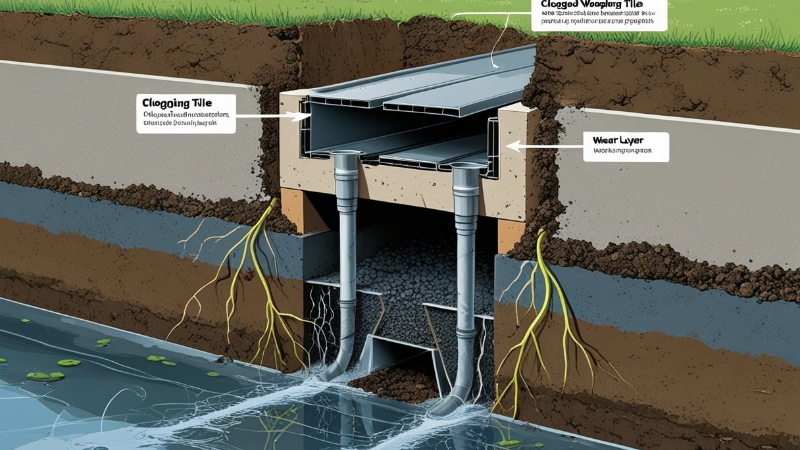
If your basement’s flooding, clogged weeping tiles might be the culprit. These underground pipes are supposed to drain water away from your foundation. When they’re blocked, water just can’t get out, so it builds up and seeps right into your basement.
Places like Barrie and Newmarket get a lot of heavy rain, so it’s no surprise blocked weeping tiles often cause basement water problems there. Harris Plumbing’s licensed journeyman plumbers have seen that cleaning or replacing these tiles can really put a stop to flooding.
Knowing how your weeping tiles work could save you some serious cash and headaches. With over 51 years helping folks in Simcoe County and York Region, Harris Plumbing has seen it all when it comes to keeping basements dry.
What Are Weeping Tiles?
Weeping tiles are key parts of your home’s drainage setup. They move water away from your foundation. If you get how they work, what kinds are out there, and where they’re put in, you’ll get why clogged weeping tiles can mean a wet basement.
Weeping Tile Function in Home Drainage
Weeping tiles sit around the base of your home’s foundation. Their job? Collect and move out groundwater so it doesn’t build up and push against your basement walls.
Water seeps into the pipes through little holes or slots, then flows away—usually toward a sump pit or storm drain. If your weeping tiles aren’t doing their job, water pressure goes up and can leak or flood into your basement.
Keeping these pipes working right means your basement’s less likely to get wet during heavy rain or when snow melts, especially in places like Muskoka or Simcoe County where water levels can spike fast.
Types of Weeping Tiles
You’ll mostly see two types: perforated pipes and french drains.
- Perforated pipes are plastic tubes with holes that let water in from the soil.
- French drains use a gravel-filled trench with a pipe inside. The gravel helps water flow to the pipe.
Both types do the same basic thing—move water away from your foundation. Most new builds use plastic pipes since they don’t clog as easily and last longer. Some older homes in York Region still have clay tiles, which can crack and cause trouble.
The right type depends on your soil and how your property’s laid out.
Installation Locations for Weeping Tiles
Weeping tiles usually go right at the bottom of your foundation walls. This way, they catch water before it slips through any cracks.
Sometimes, they’re under your basement floor or just outside, buried under landscaping and soil. Good grading around your house helps water find its way to the tiles.
If your house sits on a slope, tiles might be set up to send water downhill. In spots like Barrie or Orillia, a solid install makes a big difference during spring runoff.
Harris Plumbing’s team can inspect and fix weeping tiles so your basement stays dry.
How Clogged Weeping Tiles Lead to Basement Flooding
When weeping tiles get clogged, water can’t drain away from your foundation. It piles up around your basement walls and finds its way inside. Understanding how blockages and pressure play into this helps explain why clear tiles matter.
Blockages Preventing Water Flow
Weeping tiles guide groundwater away from your basement. But if dirt, roots, or debris clog them up, water just sits there. It can’t get through.
That water pools up, finds any little crack, and leaks in. Eventually, you get wet walls, mould, and even structural damage. Checking for blockages before things get out of hand is a smart move. Harris Plumbing’s plumbers in Simcoe County run into this a lot with older homes.
Hydrostatic Pressure Buildup
If your tiles are blocked, water builds up in the soil around your basement. This increases hydrostatic pressure—the force water puts on your walls and floor. More pressure makes it harder for barriers to keep water out.
Sooner or later, that pressure pushes water through cracks or porous spots in the concrete. You might see damp patches, water seepage, or even puddles on the floor. This can also crack your foundation, making flooding even more likely.
Common Causes of Weeping Tile Clogging
A few things can clog up your weeping tiles:
- Soil and Sediment: Over time, fine soil sneaks into the pipes and plugs up the holes.
- Tree Roots: Roots from nearby trees or bushes reach in, looking for water, and block things up.
- Improper Installation: No filter fabric or a bad slope lets debris settle and cause clogs.
- Damage or Collapse: Pipes can break or collapse when soil shifts, stopping water flow.
If you’re in York Region or Muskoka, regular maintenance keeps clogs from local soil and weather in check. Harris Plumbing can handle drain cleaning and root removal to keep things flowing.
Warning Signs of Clogged Weeping Tiles
When your weeping tiles are blocked, your basement and yard start showing signs. Catching these early can save you a lot of hassle later.
Persistent Basement Dampness
Damp spots or moisture on basement walls or floors? That’s a big hint your weeping tiles aren’t doing their job. These pipes should move water out, so if they’re blocked, water hangs around and seeps inside.
You might see condensation, damp patches, or just a musty vibe that won’t quit. Even without standing water, constant dampness can mess with your home’s structure and invite mould.
Check areas near the floor—water loves to collect there. A licensed plumber in York Region or Simcoe County, like Harris Plumbing, can check things out and fix what’s wrong.
Water Pooling Around Foundation
Look outside after a rain or when snow melts. If you see water puddling near your foundation, your weeping tiles could be failing. Soggy soil or standing water right by the wall is a red flag.
That extra water puts pressure on your basement walls and pushes moisture inside. Over time, cracks and leaks can show up, putting your home’s stability at risk.
If your lawn always seems swampy or patchy near the house, it might be time to call a trusted plumber in Muskoka or Newmarket who knows about rural plumbing and sump pumps.
Unusual Odors or Mold Growth
Clogged tiles can make your basement humid. That’s the perfect setup for mould and mildew, which bring a musty, sour smell. If you catch odd smells or see black, green, or white mould patches on walls, floors, or boxes, your drainage might be blocked.
Mould isn’t just gross—it’s a health risk, especially if you have allergies or breathing issues. It also wrecks wood and drywall, which means more repairs.
If you spot these signs, especially during Ontario’s wet seasons, get a licensed plumber like Harris Plumbing to check and clear your weeping tiles.
Prevention and Maintenance Tips
Keeping your weeping tiles clear and working right is the best way to avoid basement floods. Regular checks, professional cleaning when things seem off, and improving how water flows around your place all help.
Regular Inspection Routines
Try to check your weeping tiles at least twice a year, especially after big storms or when the snow melts. Watch for water pooling near your foundation or damp spots on basement walls or floors.
Outside, look for soggy or sunken soil near where the tiles run. Check downspouts too—they should send water away from the house.
Keep notes on what you see. If something changes, you’ll catch it before it turns into a bigger mess.
Professional Cleaning Methods
If your tiles get clogged, call a licensed plumber in Simcoe County or York Region. They’ve got tools like high-pressure water jets and drain cameras to clean and inspect the tiles.
Professional cleaning clears out dirt, roots, and debris that block water flow. Trying to do it yourself can break things or miss deep-down clogs.
Harris Plumbing has been clearing drains in Ontario for over 51 years, so they know their stuff.
Improving Landscaping Drainage
How your yard drains matters a lot. Make sure your lawn slopes away from the house to send water out, not in.
Don’t plant trees or shrubs with aggressive roots near the foundation—roots and weeping tiles do not get along. Mulch or gravel beds near the wall help water drain faster.
Add or extend downspout drains so water ends up far from your foundation. Good grading and smart landscaping protect your tiles and help prevent floods.
Repair and Replacement Options for Weeping Tiles
Fixing or replacing weeping tiles isn’t a one-size-fits-all job. Some fixes don’t need much digging, while others mean pulling out old pipes and putting in new ones. Knowing your options helps you decide what’s best for your basement.
Trenchless Repair Techniques
Trenchless repairs let you fix weeping tiles without tearing up your whole yard. Specialists insert flexible tubes or pipes inside the old ones to patch cracks or clear blockages. It’s a lot less mess and takes less time.
Usually, they only need to dig a few small holes for access. This works best if the pipes are mostly okay but have some clogs or cracks. If the tiles are totally wrecked, though, trenchless isn’t a magic fix.
You’ll save on landscaping and the job can wrap up in a day or two. Harris Plumbing does this in Simcoe County for folks who want quick, less disruptive repairs.
Full System Replacement
Sometimes, you just have to start fresh. Full replacement means digging up the old pipes around your foundation and putting in new ones. You’ll need this if the tiles are crushed, packed with junk, or were installed wrong in the first place.
This job means excavating around the basement, removing soil, and adding new perforated pipes with gravel for drainage. It costs more and takes longer, but it’ll fix your drainage for years.
In places like Muskoka or York Region, full replacement is pretty common after years of wear and tear. Licensed plumbers handle this to avoid damaging your foundation.
Costs and Considerations
Costs depend on house size, soil, and local labour. Trenchless repairs generally run $2,000 to $5,000. Full replacement? You’re looking at $7,000 to $15,000 or more.
Other things that affect price: how easy it is to get to your foundation, how much landscaping gets torn up, and getting rid of old pipes. Think about how long you’ll stay in your house and whether you want a quick fix or something that’ll last.
Harris Plumbing suggests getting a detailed quote from licensed plumbers in Ontario, so you know what you’re getting into—no hidden surprises, whether you’re in Barrie or Richmond Hill.
Frequently Asked Questions
Clogged weeping tiles can leave water sitting around your foundation and flood your basement. Spotting the signs and staying on top of maintenance helps keep your basement dry and your place in good shape.
What are the signs that my weeping tiles might be malfunctioning?
You’ll probably see wet spots or dampness on your basement walls or floor. Water stains and mould near the foundation are also common.
If your sump pump keeps running, your weeping tiles might not be draining right.
How can I tell if my weeping tile system is clogged?
Check for standing water or soggy soil outside, near the foundation. Water pooling after heavy rain is a giveaway.
A professional plumber can use a camera to check for clogs inside the tiles.
What is the main reason for basements to flood?
Most of the time, it’s poor drainage around the foundation. Blocked or damaged weeping tiles stop water from flowing away, so it ends up in your basement.
Heavy rain, frozen ground, or broken pipes can make it worse.
Where should weeping tiles properly drain to prevent issues?
Weeping tiles should send water to a sump pit, storm sewer, or dry well that’s far enough from your house.
If the water drains too close, it can just circle back and cause more flooding.
What are the consequences of a failed weeping tile system?
You could end up with basement flooding, mould, and damaged floors or walls. Water pressure outside your foundation might even cause structural problems.
All of this lowers your home’s value and makes it a lot less comfortable.
How can you effectively clean or repair weeping tiles to prevent basement flooding?
You can try flushing the weeping tile system with water or run a plumber’s drain snake through it to clear out debris. Sometimes, though, you’ll spot damaged sections that just need to be swapped out for new ones.
Harris Plumbing in the York Region and Simcoe County areas handles inspection and repairs, so your drainage keeps doing its job.