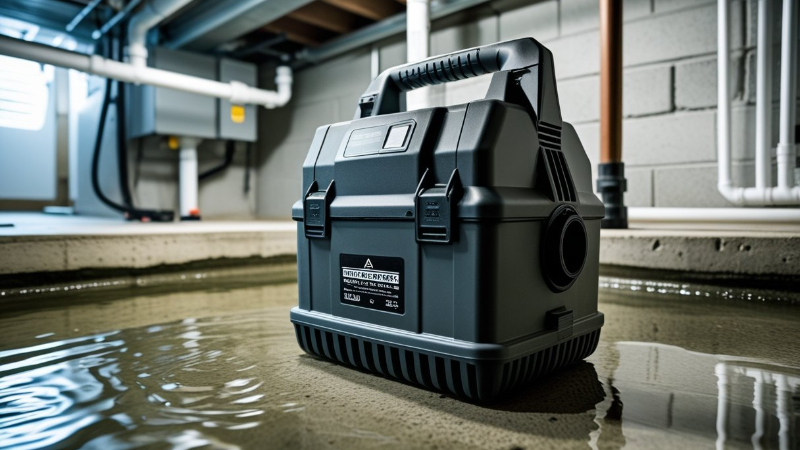
Importance of Battery Backup Systems for Sump Pumps to Keep Your Home Dry and Safe
When heavy rain hits or the power flickers out, your sump pump stands between your basement and a whole lot of water trouble. But what if the power goes out right when you need it most? That’s where a battery backup system steps in—it keeps your sump pump running even in a blackout.
A battery backup sump pump, if you take care of it, will usually last 5 to 7 years. You’ll want to swap out the battery every few years, but this extra layer of safety is worth it—especially if you live somewhere with wild weather or an unpredictable power grid. Harris Plumbing helps plenty of folks in Simcoe County and York Region make sure their sump pumps are ready for anything.
You never want to scramble when a storm rolls in. With a battery backup, your sump pump keeps working to guard your basement and your stuff, no matter what. It’s worth knowing how this works so you can make smarter choices for your home.
Why Battery Backup Systems Are Essential for Sump Pumps
A good sump pump is key to keeping water out of your home or cottage. Battery backup systems add another level of safety—they keep the pump running when the lights go out or water starts rising fast. That means your basement stays dry, even when things get dicey.
Prevention of Basement Flooding
A flooded basement can wreck your foundation, your walls, and anything you store down there. Battery backup systems kick in automatically when your main sump pump can’t keep up or just quits. That extra protection can help you dodge expensive repairs.
If you live in Simcoe County or York Region, Harris Plumbing suggests regular checks and maintenance. That way, your backup system is ready when you need it.
Power Outage Protection
Storms and power outages seem to go hand in hand. When the power drops, your main sump pump stops. A battery backup jumps in to keep the water out.
This is even more important if you’re out in the country or at the cottage, where outages can drag on. With a backup battery, you’re not left worrying about your sump pump when the lights go out. Just remember to swap out the battery every few years to keep things reliable.
Continuous Pump Operation During Storms
Downpours can overwhelm your sump pump fast. A battery backup gives you extra pumping power right when you need it. It keeps things running until the rain lets up.
That non-stop operation really cuts the risk of flooding. Whether you’re in Muskoka, Barrie, or other rural parts of Ontario, a battery backup system ensures your sump pump keeps running even during power outages or severe storms. Harris Plumbing’s licensed journeymen specialize in sump pump installation, setup, and maintenance to keep everything working smoothly year-round.
How Battery Backup Systems Work
Battery backup systems step in when the power goes out, keeping your sump pump running. They use a few key parts that work together to sense a power loss and switch over to battery in a snap. That’s how they protect your basement during storms and blackouts.
Components of a Battery Backup System
A backup system usually has a deep-cycle battery, a charger, a backup sump pump, and a control panel. The battery stores the juice and runs the pump for hours if needed. The charger keeps the battery topped up when you have power.
The backup pump is smaller than your main one, but it still moves water away from your house. The control panel keeps tabs on everything and flips the system to battery power as soon as the electricity cuts out.
Some setups have alarms to let you know if the backup’s running or needs attention. With all these pieces working together, your basement stays dry even if the power’s out.
Detection of Power Failures
The control panel keeps an eye on your home’s power. When it senses an outage, it flips the sump pump over to battery power automatically.
This happens in seconds—no real gap—so your pump doesn’t miss a beat and your basement stays safe. When the power comes back, the system switches over and starts charging the battery again.
Since most floods happen during storms, and storms often knock out power, this kind of quick response is just smart. You can relax knowing your pump will keep running, even if you’re not home.
If you’re in Barrie or Muskoka and want reliable installation, Harris Plumbing has you covered.
Key Benefits of Installing a Battery Backup
A battery backup system keeps your sump pump running through outages. That means less chance of flooding and expensive repairs. It also helps protect your home's value and gives you one less thing to stress about during storms.
Peace of Mind for Homeowners
Install a battery backup and you can stop worrying about sudden blackouts. Your sump pump will keep chugging along, even if the power goes out during a downpour. You won’t come home to a soggy basement or ruined floors.
That kind of protection just feels good, especially if you live somewhere that gets a lot of rain or power cuts, like Simcoe County or Muskoka.
Protection of Property Value
A dry, well-kept basement adds to your home’s value. Water damage? That’ll knock it down in a hurry. A battery backup shows buyers you’ve thought ahead to protect your investment.
Some insurance companies might even cut your premiums—or at least make claims a bit less of a hassle—if you’ve got a reliable backup sump pump system. Getting your system installed by local pros like Harris Plumbing not only protects your home but also helps keep your property attractive on the Ontario market, especially in areas like Barrie, Orillia, Newmarket, and Aurora, where buyers value dependable flood prevention systems.
Reducing Water Damage Costs
Floods can trash your walls, floors, and furniture—and fixing all that isn’t cheap. With a battery backup, your sump pump stays on guard, cutting the odds of water sneaking in.
Acting early with the right system can save you a ton on cleanup, repairs, and replacing stuff that water ruins. If you want to avoid nasty surprises, it’s a smart move.
Types of Battery Backup Systems for Sump Pumps
Looking for a battery backup system for your sump pump? There’s a few types out there, each with its own quirks—maintenance, lifespan, tech. Knowing the differences helps you pick the right fit for your place, whether it’s a house or a cottage.
Standard Lead-Acid Battery Backups
Standard lead-acid batteries are the old standby. They’re reliable and don’t cost much, but you’ll need to check water levels and clean the terminals now and then.
With decent care, these batteries last 3 to 5 years. You’ll have to swap them out from time to time to keep your backup system in shape.
They’re heavier and bulkier than other options, but they deliver steady power. If you don’t mind a bit of hands-on upkeep, these are a solid, no-nonsense choice.
Maintenance-Free AGM Battery Backups
AGM (Absorbent Glass Mat) batteries are sealed up tight and need almost no maintenance. No checking water levels, which is a relief.
AGM batteries handle vibration better and can last up to 7 years if you treat them right. They work well in cool climates, making them a great pick for Canadian homes, especially out in Muskoka or York Region.
They’re smaller and lighter than lead-acid batteries, so they don’t hog basement space. If you want something reliable but low-maintenance, AGM is the way to go.
Smart Battery Backup Systems
Smart battery backup systems come loaded with tech—you can monitor battery health, run time, and pump activity from your phone or computer. If something’s off, you’ll know before the water rises.
These usually use AGM or lead-acid batteries with smart chargers that tweak settings for top performance. You get longer battery life and more peace of mind, especially if you’re not always around to check things yourself.
They cost more, but for folks who want the best protection and easy monitoring, smart backups are tough to beat.
Picking the right battery backup system matters if you want to protect your home from water damage. Harris Plumbing in Barrie, Orillia, Newmarket, and Aurora can help you sort through the options and install something that’ll keep you confident, even when the weather turns.
Choosing the Right Battery Backup System
Choosing a backup system isn’t just about grabbing the first one you see. You’ve got to think about power needs, battery size, and which models actually work with your sump pump. Get this right, and you’ll keep your basement dry—even when the grid lets you down.
Factors to Consider
Focus on battery capacity, pump power, and runtime. The battery’s size tells you how long it’ll run your pump if the power’s out. Pumps that draw more power drain batteries faster. And don’t forget—cold weather can cut battery life, so keep your climate in mind.
Look for batteries that run quietly and don’t need a lot of fuss. Some systems have alerts for low battery or issues, which is handy. Harris Plumbing suggests matching your system to your home’s size and flood risk.
Sizing for Your Sump Pump
You’ll need to know your sump pump’s wattage and how long you want it to run during an outage. Most pumps fall between 600 and 1200 watts. Multiply that by the hours of backup you want, and you’ll get your battery size.
For example, if your pump pulls 800 watts and you want 3 hours of backup, you’ll need a battery that can handle 2400 watt-hours. Deep-cycle batteries are best since they’re built for long discharges. Also, think about how often your area loses power—Simcoe County and Muskoka get their share of outages.
Brand and Model Comparisons
Not all backups are created equal. Sticking with reliable Canadian brands means you’ll have better support and can find parts if needed. You’ll see both lead-acid and lithium-ion batteries—lithium lasts longer but costs more upfront.
Check out features like charging speed, battery life, and warranty. Some systems are plug-and-play, but others might need a pro to install. Harris Plumbing can help you pick the right model and get it set up with licensed journeyman plumbers in York Region.
Installation and Maintenance Tips
If you want your backup sump pump to work when you need it, you’ll have to get it installed right and keep the battery in good shape. Regular checks and timely replacements help you avoid nasty surprises during a storm.
Professional Versus DIY Installation
You can try installing your battery backup yourself, but if plumbing or electrical work isn’t your thing, it’s safer to call a pro. Harris Plumbing in York Region has plenty of experience with these systems.
A professional will make sure everything’s hooked up safely and the backup battery and charger are in place for reliable performance. If you go the DIY route, follow the instructions closely and cut the power before you start tinkering. A sloppy install can mean pump failure or worse.
Routine Battery Testing
Test your backup battery at least twice a year—spring and fall are good times, before the big rains hit.
Just unplug the main power and see if the battery runs the pump on its own for a few minutes. If it does, you’re good. If not, you’ll probably need to charge or replace the battery. Jot down your test results so you can spot if the battery’s starting to fade.
Replacing Old Batteries
Most backup sump pump batteries last 5 to 7 years, but they lose strength as they age. Harris Plumbing suggests swapping the battery every 3 to 5 years, even if it seems fine during tests.
Stick with the battery type and size your pump’s maker recommends. Drop old batteries off at a recycling center—they’re not something you want in the trash. A fresh battery keeps your backup system strong and your home protected when storms knock the power out.
Common Issues and Troubleshooting
Battery backup sump pumps play a big part in keeping your home safe when the power’s down. Keep an eye out for signs the battery might be wearing out, pay attention to system alarms, and know how to reset things if the pump stops working right. These habits help you avoid water damage and make sure your sump pump’s there when you need it.
Battery Failure Warning Signs
If you notice your sump pump doesn’t run as long as it used to during an outage, or it makes odd noises, that’s a red flag for battery failure. Sometimes, you’ll spot a blinking or dim indicator light on the battery unit—never a good sign.
Batteries usually last 5 to 7 years, but honestly, swapping them out every 3 to 5 years is just safer. Ignore these hints and you might end up with a dead backup when you need it most. Staying alert to these warning signs goes a long way toward avoiding a nasty surprise.
Backup System Alarms
Most backup sump pumps come with alarms that let you know when something’s off. Usually, they’ll sound if the battery voltage drops too low or the pump can’t keep up with water coming in. If you hear an alarm, start by checking the battery connections. Loose or corroded terminals are a classic culprit for false alarms.
Still getting that alarm after checking things out? That’s probably your cue to call in professional help.
Resetting the System
If your backup sump pump stops or the alarm just keeps blaring, try resetting the system. Turn off the pump, unplug the battery backup, and give it about 30 seconds before plugging it back in and switching the pump on.
Make sure the battery’s fully charged before you reset. If nothing changes, it’s time to call a licensed plumber. Harris Plumbing has been serving Ontario communities like Barrie, Orillia, and Newmarket for over 51 years, ensuring sump pumps are ready when homeowners need them most.
Cost Considerations and Long-Term Savings
When you’re thinking about a battery backup for your sump pump, don’t just look at the sticker price. There’s the upfront cost, sure, but there are ongoing expenses—and maybe a few savings down the line, especially if your insurance plays along.
Initial Investment
Battery backup sump pump systems can run anywhere from a few hundred bucks to well over a thousand. The price depends on battery quality, pump power, and installation. Getting it installed by a pro means it’ll work right, but it does bump up that initial bill.
Pick a system with a battery that actually fits your home’s needs. Sometimes spending a bit more on a better battery pays off with longer backup time during outages. If you’re not sure, Harris Plumbing can help you figure out what works best for your place in Barrie, Orillia, Newmarket, and Aurora.
Maintenance and Replacement Costs
Regular checks and maintenance keep your battery backup ready for action. Plan to swap out the battery every 3 to 5 years, depending on use and battery type. Maintenance means cleaning the pump and testing the battery under load now and then.
Skip maintenance and you’re asking for trouble—failures during power outages can get expensive fast. Set aside a little for yearly check-ups. Harris Plumbing offers maintenance services to keep your system in shape all year.
Potential Insurance Discounts
Some Canadian insurers offer discounts if you’ve got a battery backup for your sump pump. Why? Your home’s less likely to get flooded during a blackout.
It’s worth asking your insurer if you qualify. Even a modest drop in premiums helps make up for what you spend on the system. Plus, having that backup? It’s just one less thing to worry about.
Environmental Impact of Battery Backups
Battery backup systems do a solid job protecting your home when the power’s out, but let’s not ignore the environmental angle. The batteries use stuff like lead, lithium, or nickel, and those materials need careful disposal or recycling.
Relying on a battery backup instead of a fuel-powered generator means less pollution in your neighborhood. That’s a win for air and water quality, especially if you’re in Simcoe County or York Region. Opting for this cleaner option just makes sense.
The lifespan of your backup system really depends on both the pump and battery. Well-maintained batteries last longer, so you’ll throw out fewer of them. Harris Plumbing can help you pick and care for a system that’s easier on the environment.
When your battery’s done, don’t just toss it in the trash. Drop it off at a recycling center—they’ll handle the toxic stuff and salvage what they can. That’s a lot better than letting it end up in a landfill.
Taking care of your sump pump battery does more than protect your basement. It cuts down on waste and pollution, and maybe—just maybe—makes Canada a little cleaner for the next generation. Harris Plumbing’s always up for helping you make choices that are good for your home and the planet.
Frequently Asked Questions
Battery backup systems keep your sump pump running when the lights go out. Knowing how to pick, install, and maintain one could save you from a big mess.
How do I install a battery backup system for my sump pump?
You’ll need to hook up the backup pump and battery to your main sump pit, then wire the charger to a power source. Honestly, letting a licensed plumber like Harris Plumbing handle it is usually the safest bet.
What is the typical life expectancy of a sump pump battery backup?
Most battery backups last 3 to 5 years. During a power outage, expect the battery to run the pump for about 4 to 8 hours, depending on size and how well you take care of it.
Can you recommend a reliable combination sump pump with battery backup?
Look for models with solid battery life and a waterproof build. Trusted Canadian brands usually make good options for homes and cottages. If you’re in Simcoe County or Muskoka, Harris Plumbing can help you find the right fit.
Where can I purchase a battery backup for my sump pump?
You’ll find them at plumbing supply shops, home improvement stores, or through authorized dealers. For advice and quality gear, reaching out to a local pro like Harris Plumbing is a smart move.
How often should I replace my sump pump battery backup?
Swap out the battery every 3 to 5 years, or sooner if it won’t hold a charge. Test it regularly, and you’ll know when it’s time for a new one—better safe than sorry.
What are the advantages of having a battery backup for my sump pump?
With a battery backup, your pump keeps working even if the power goes out. That can be a real lifesaver during storms or if you’re in a cottage where the power’s a bit unpredictable. It’s just one less thing to stress about when you hear thunder or see the lights flicker. Who wants to come home to a flooded basement? Not me. This setup helps keep your place dry, even when the grid lets you down.