How Does a Water Back Up Sump Pump Work Friendly Guide to Protecting Your Basement
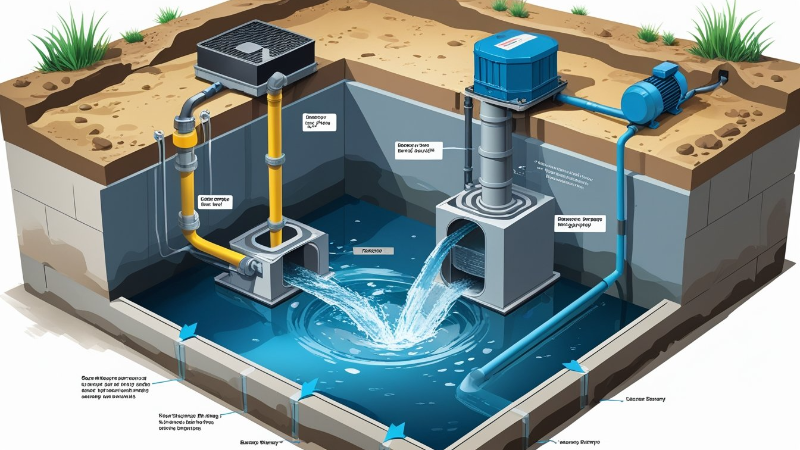
When heavy rain or melting snow causes water to pool around your home, a water backup sump pump helps protect your basement from flooding. A backup sump pump automatically turns on when the main pump fails or the power goes out, using a battery to keep water moving away from your home.
This backup gives you peace of mind during storms or power outages. Understanding how your sump pump works can save you from costly damage and stress.
Harris Plumbing knows that many homeowners in Aurora, Richmond Hill, and Stouffville rely on these systems to keep their basements dry. Knowing when and how your backup works helps you maintain it and avoid surprises.
With over 51 years serving Barrie, Orillia, and surrounding communities, Harris Plumbing has seen how vital a backup sump pump is for protection. This guide explains the basics of how these pumps work and why having one is a smart choice for anyone who wants to keep their home safe from water damage.
What Is a Water Backup Sump Pump
A water backup sump pump is an important safeguard for your basement. It turns on when your main sump pump or power supply fails.
This keeps water from flooding your space, even during power outages or pump breakdowns. You will find different types of backup systems designed to keep water moving out.
Each type works differently, so knowing your options helps you choose the best fit for your home.
Purpose of Water Backup Sump Pumps
Water backup sump pumps protect your basement from flooding when the main pump cannot work. They operate automatically and don’t need electricity from your home’s power supply.
This is especially useful during storms or power outages when water may rise quickly. Without a backup, you risk basement damage and costly repairs.
By using municipal water pressure or other methods, water backup pumps remove excess groundwater. This helps keep your home dry and safeguards your belongings.
Types of Backup Systems
There are two common types of water backup sump pumps:
Water-Powered Backup Pump: Uses municipal water pressure to push water out of your basement. It works without electricity but requires a connection to your water supply.
Battery-Powered Backup Pump: Runs on batteries, which can power the pump during outages. You need to check and replace batteries regularly.
Water-powered pumps don’t need battery maintenance but depend on municipal water pressure. Battery backups give you more independence but require regular care.
For reliable installation and care of your water backup sump pump in Barrie, Orillia, and surrounding areas, trusted experts like Harris Plumbing can help. They bring solid experience to ensure your system works when you need it most.
How a Water Backup Sump Pump Operates
A water backup sump pump senses rising water, switches on when needed, and removes water away from your property. It uses a battery power source to keep running during power outages, protecting your basement from flooding.
Detection of Water Levels
The pump detects water using a float switch or sensor. When water in your sump pit reaches a certain height, the float rises and triggers the pump to start.
This automatic detection means you don’t have to check water levels manually. The float switch moves freely and reacts only when water is high enough to pose a risk.
Some systems use electronic sensors that detect water level changes more precisely. This helps prevent both false starts and delayed activation.
Activation Mechanism
Once the water level triggers the float or sensor, the pump’s motor activates. In a water backup system, the motor runs on battery power.
This lets the pump work even if the main electrical supply stops, which often happens during storms. The backup system usually activates automatically.
Harris Plumbing recommends regular battery checks to ensure the pump starts properly when you need it.
Pumping Process
After activation, the pump moves water out through a discharge pipe, diverting it safely away from your property. It continues to pump until the water level drops to a safe point.
Battery backup pumps can run for 4 to 8 hours of nonstop use. With less water inflow, they may last longer by cycling on and off as needed.
Water Sources for Backup Pumps
Backup sump pumps rely on water pressure or stored energy to operate during power failures. The source of water and how it powers your backup pump are key to keeping your basement dry.
You also need to think about how much water the system will use when running.
How Municipal Water Pressure Powers the Pump
Some backup sump pumps use your home’s municipal water supply as a power source. The city water pressure pushes water through the pump to remove excess groundwater.
This type of pump doesn’t need electricity or batteries, which is helpful during outages. Your municipal water pressure must be strong and steady—usually at least 20 psi—for the pump to work efficiently.
If pressure is too low, the pump may struggle or fail to work. You should also check with your local water supplier about any rules against using public water this way.
Water Consumption Considerations
Using municipal water for a backup sump pump means it will consume potable water during operation. This water is safe for household use but will be discharged outside, resulting in some waste.
If your sump pump runs often during long storms, this can increase your water bill. Consider this before choosing a water pressure backup sump pump.
You might want to discuss options with a trusted professional like Harris Plumbing to find the best fit for your home and local water situation.
Installation and Setup
Installing a water backup sump pump involves assembling key parts and following clear steps. You need to gather the right equipment and place the pump in the sump pit.
Make sure the system works properly before relying on it during a power outage.
Key Components Needed
You need the backup sump pump, which usually runs on a battery to work when power goes out. A deep-cycle battery and a charger are key parts.
The battery powers the pump during outages and should match the pump’s requirements. You’ll also need a water-tight sump pit, PVC piping for water discharge, and a check valve to stop water from flowing backward.
Don’t forget a backup control panel that monitors battery levels and pump function. Most setups also require a float switch to activate the pump when water rises.
Good wiring and a secure power source help keep the system safe and reliable.
Typical Installation Steps
Place the backup pump inside your sump pit, positioned so it won’t tip over. Connect the pump to the discharge pipe and install the check valve to prevent water from flowing back in.
Attach the float switch securely. Hook up the battery to the pump and control panel, usually outside the pit but near the pump.
Plug the battery charger into a reliable power source. Test the system by filling the pit with water to ensure the pump activates and removes water smoothly.
If you want peace of mind, hire professionals like Harris Plumbing. They know the exact requirements for homes in Barrie, Orillia, and surrounding areas and can help with a safe setup.
Benefits of a Water Backup Sump Pump
Installing a water backup sump pump gives you extra protection when your main sump pump can’t keep up. It helps keep your home dry even during power outages or heavy storms.
Emergency Flood Protection
A water backup sump pump acts as a safety net when your primary pump fails. If your main pump stops working due to mechanical issues or gets overwhelmed by heavy rainfall, the backup pump activates automatically.
This backup system uses your home’s municipal water pressure or a battery-powered motor to remove water. You won’t risk basement flooding during sudden storms or equipment failures.
For homes in areas like Simcoe County or Muskoka, where rain and snowmelt can cause water buildup, this extra protection is essential. Harris Plumbing recommends pairing your main pump with a backup to keep your property safe.
No Electricity Required
Some water backup sump pumps don’t rely on electricity. Since they operate using water pressure instead of a motor, they keep working during power outages.
This is especially important during storms when power cuts happen often. Having a backup that runs without electricity gives you peace of mind.
It reduces the risk of flooding when the power goes out, which can stop electric pumps from working. If your home is in Aurora, Richmond Hill, and Stouffville with frequent outages, this feature is very useful.
Harris Plumbing offers systems designed to work even in these tough conditions, ensuring reliable flood protection all year round.
Maintenance and Care
Keeping your water backup sump pump in good shape means regular attention. You’ll want to test it often to make sure it runs smoothly and check for any leaks that could cause damage or reduce performance.
Routine Testing
Test your sump pump at least twice a year. Pour a bucket of water into the sump pit to trigger the pump.
Watch to see if it pumps the water out quickly and shuts off properly. If the pump doesn’t start or runs too long, it might need repairs or cleaning.
Check the power source and battery backup if you have one. Make sure cords are plugged in and the battery is charged.
Routine testing helps you catch problems before they cause flooding.
Inspecting for Leaks
Look around your sump pump and discharge pipes for any water leaks or cracks. Check the pit’s rim and seal too.
Even small leaks can let water seep into your basement, making the pump work harder or fail. Leaks often happen when pipes are loose, cracked, or clogged.
Tightening fittings and clearing blockages fix many issues. Watch for rust or damage in the sump pit that might lead to leaks.
If you spot leaks or damage you can’t fix, call Harris Plumbing for expert sump pump repair in Barrie, Orillia, and surrounding areas.
Common Issues and Troubleshooting
You might notice some common problems when using a water backup sump pump, like low water pressure or the pump not turning on when it should. Identifying these issues early can save your home from flooding and costly repairs.
Low Water Pressure Problems
Low water pressure can reduce your sump pump’s ability to move water efficiently. This often happens due to clogged or partially blocked pipes.
Sediment, dirt, or debris can build up inside the discharge line, reducing flow. Check the discharge pipe for any visible blockages or damage.
Sometimes, air trapped inside the pipe can also lower pressure, so you might need to bleed it. If your pump uses a battery backup, a weak or old battery can cause slower pumping speeds.
Regular cleaning and maintenance can prevent these problems. Harris Plumbing recommends checking your system every few months to make sure pipes are clear and the battery is in good condition.
Pump Not Activating Correctly
If your sump pump doesn’t turn on when it should, there could be several reasons. The float switch may be stuck or broken.
Make sure the float can move freely without getting caught on anything. Electrical issues are another common cause.
Check that the pump is plugged in and receiving power. A tripped breaker or blown fuse may stop it from working.
For battery-powered backups, remember that batteries usually last 3 to 5 years and provide 4 to 8 hours of operation. Dead or poorly maintained batteries often cause failure during outages.
If these steps don’t solve the problem, contact a licensed plumber like Harris Plumbing for a professional inspection and repair.
Comparing Water Backup Pumps to Battery Backup Options
When choosing between water backup and battery backup sump pumps, it’s important to understand how they work during power outages and heavy water inflow. Each has unique strengths that affect performance, ongoing costs, and maintenance.
Knowing these differences helps you pick the right system for your home or cottage.
Performance Differences
Water backup sump pumps use municipal or well water pressure to operate. They don’t rely on electricity or batteries, so as long as your water supply is active, the pump can run almost endlessly.
This makes them ideal if you expect long power outages or heavy rain events. Battery backup pumps run on batteries and activate when the main pump loses power.
Typically, these pumps can operate for 4 to 8 hours continuously. If they run intermittently, they may last 1 to 3 days, depending on water inflow and battery size.
Once the battery runs low, the pump stops until it’s recharged or replaced.
Cost and Upkeep
Water backup pumps usually cost more upfront. They need a pressurized water source, valves, and special plumbing.
These pumps often require less maintenance. You don’t have batteries to replace or recharge.
Battery backup pumps cost less to install. However, you must check and replace the battery every few years.
Test the battery often to make sure it’s charged and ready during an outage. This routine care adds to the overall cost.
Working with a trusted company like Harris Plumbing can help you decide which system fits your property and budget. They offer expert advice on both types in Simcoe County or Muskoka.
Environmental Considerations
When you install a water backup sump pump, consider its impact on the environment around your home or cottage. These systems use electricity.
Choosing a battery backup with a long life can reduce waste. The battery size and pump power affect how long your system works during an outage.
Using energy-efficient pumps helps lower power use. This keeps your home dry without wasting resources.
Select models with rechargeable batteries to cut down on single-use batteries in landfills. Proper disposal of old batteries and pump parts is also important.
Many local facilities in Ontario recycle used batteries. This helps prevent harmful chemicals from polluting soil and water.
Here’s a quick checklist to keep in mind:
- Use energy-saving sump pumps
- Choose rechargeable battery backups
- Recycle old batteries properly
- Avoid leaks or spills that can harm local water
Frequently Asked Questions
Water-powered backup sump pumps use your home's water pressure to pump water out during power outages. They work without electricity but need proper installation and regular checks.
What is the principle behind a water-powered backup sump pump?
It uses the water pressure from your home’s plumbing system to create a siphon. This pressure pushes water into the sump pit and pumps out the excess water.
Can you explain the installation process for a water backup sump pump?
You connect the backup pump to your home's cold water supply. The pump’s outlet pipe goes into the sump pit discharge line.
Proper venting and check valves prevent backflow. Make sure all connections are secure.
How do water backup sump pumps get activated?
They start automatically when the main sump pump loses power. Water pressure pushes water through the backup pump to remove water from your basement.
What are the maintenance requirements for a water-driven sump pump?
Check water pressure and hoses for leaks or damage. Clean the pump and test it every few months.
Are there any limitations to using a water-powered sump pump?
It needs constant water pressure from your home. If the supply is low, it won’t work.
The system can use a lot of water, which may increase your bills.
How does a water backup sump pump differ from a battery-powered one?
A water-powered pump uses your home’s water pressure to operate. It can run as long as water continues to flow.
A battery-powered pump uses stored energy from a battery. It usually works for 4 to 8 hours during power outages, and sometimes longer if you use it intermittently.