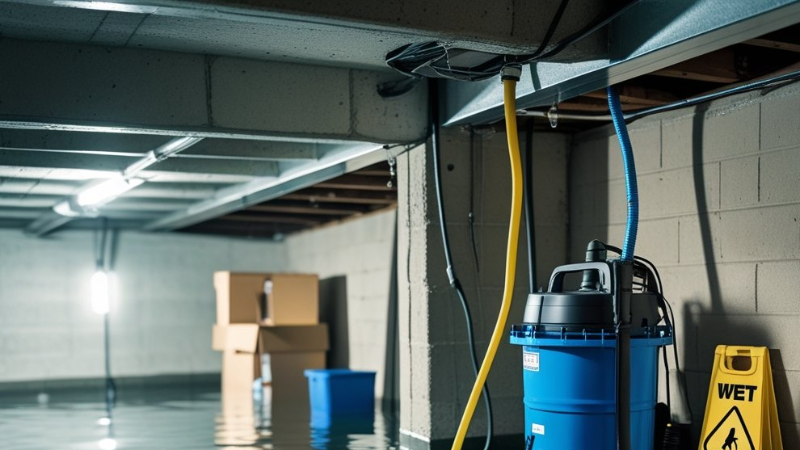
Sump Pump for Flooded Basement Tips to Keep Your Home Dry
A flooded basement can be stressful and costly. A sump pump is your best defense against water damage.
A sump pump quickly removes excess water from your basement. It helps keep your home dry and prevents long-term damage.
This device activates automatically when water collects. You gain peace of mind during heavy rains or spring thaw.
If you live in Ontario or nearby areas like Barrie, Orillia, and Newmarket, regular sump pump maintenance is important. This helps you avoid sudden failures.
Harris Plumbing has over 51 years of experience with sump pump installation and repair. They help homes and cottages stay protected.
Knowing how your sump pump works and when to service it can save you time and money.
What Is a Sump Pump and How Does It Prevent Basement Flooding
A sump pump protects your basement from flooding by removing water before it causes damage. It works automatically to keep water away from your home’s foundation.
Learning how it works, its parts, and the types available will help you choose the right one.
How Sump Pumps Work
A sump pump sits in a pit called a sump basin at the lowest part of your basement. When water collects in the pit from rain or groundwater, the pump switches on.
The pump pushes water out through a pipe away from your house. This stops flooding.
It runs automatically using a float switch or sensor that detects rising water. Some sump pumps have battery backups or water-powered systems to keep working during power outages.
Key Components of a Sump Pump System
A typical sump pump system has several key parts:
- Sump Basin: A pit where water collects.
- Pump: Moves water out of the basin.
- Float Switch: Turns the pump on and off based on water level.
- Discharge Pipe: Directs water away from your house.
- Check Valve: Prevents pumped water from flowing back into the pit.
Regularly checking these parts helps the system run smoothly. Harris Plumbing offers expert sump pump maintenance in Barrie, Orillia, and Newmarket.
Types of Sump Pumps
Two main types are available:
- Submersible Pumps: These sit underwater inside the sump basin. They are quiet and save space.
- Pedestal Pumps: These have the motor above the basin. They are easier to service but louder.
Some sump pumps include battery backup systems or water-powered backups. Battery backup pumps are popular in areas like Barrie, Orillia, and Newmarket for added flood protection during power failures.
Choose the right type based on your basement layout, noise preference, and power outage risks. A professional from Harris Plumbing can help you pick and install the best sump pump.
Choosing the Right Sump Pump for a Flooded Basement
Choosing a sump pump means matching it to your basement’s flood risks, type preferences, and size needs. Getting these right helps protect your home.
Assessing Your Basement Needs
Start by looking at how often your basement floods and how much water collects. Basements in areas with heavy rain or near lakes may need a stronger pump.
Check the lowest point of your basement where water gathers most. If your home has a history of frequent flooding, consider a backup sump pump.
This adds extra protection if the main pump fails or power goes out. Understanding your basement’s water volume and flood pattern helps you pick a suitable pump.
Submersible vs. Pedestal Sump Pumps
You can choose between submersible and pedestal types. Submersible pumps sit inside the sump pit underwater and are quieter.
Pedestal pumps have a motor above the pit and are easier to service. Submersible pumps fit better in small pits, while pedestal pumps are good for easy maintenance.
Both types can handle heavy water removal. Your space, noise tolerance, and budget will guide your choice.
Sizing and Capacity Considerations
Pick a pump size based on how much water you expect to move. Pumps are rated in litres per minute or gallons per minute.
For example, a pump moving 3,600 litres/hr (about 950 gallons/hr) works well for moderate flooding. Also, consider the vertical lifting height—how far your pump must push water out.
If your basement drains uphill or far from the exit point, you’ll need a stronger motor. Look for pumps with automatic float switches that start the pump as water rises.
Proper sizing prevents overworking the pump and extends its life.
Professional Sump Pump Installation for Flooded Basements
Proper sump pump installation requires careful planning and expertise. You need to assess your basement's unique conditions and follow clear steps.
Pre-Installation Assessment
Before installing a sump pump, evaluate where water usually enters your basement. This helps you choose the best location for the sump pit.
Check the floor slope, foundation type, and local water table levels. Select a pump with the right capacity.
A professional, like those at Harris Plumbing, will inspect your basement for existing drainage problems or signs of water damage. They also check the electrical setup to confirm it can support the sump pump.
This step prevents costly repairs and improves the pump's performance.
Steps in Sump Pump Installation
Start by digging a pit where water collects or is likely to flood. The sump pit must be deep enough to hold the pump and handle the water volume.
Place the sump pump in the pit and connect a discharge pipe. This pipe directs water safely away from your home's foundation.
Ensure the float switch works correctly. Test the system to make sure it activates when water rises.
Harris Plumbing often adds a battery backup to keep the pump running during power outages.
DIY Sump Pump Installation Tips
You need the right tools and materials to install a sump pump safely. Avoid common errors like improper pump placement or wiring mistakes.
Tools and Materials Needed
Gather these items before starting:
- Sump pump (choose one for your basement size)
- Sump pit basin (18 to 24 inches wide)
- PVC pipes and fittings for drainage
- Check valve to stop water from flowing back
- Pipe clamps and sealant to secure connections
- Power drill with bits
- Shovel for digging the pit
- Level to ensure correct placement
- Tape measure for fitting
- GFCI outlet or battery backup (recommended for safety)
Make sure the sump pit is deep enough. Use a level to keep pipes straight and sealed tightly.
Test the electrical outlet to ensure it handles the pump’s power needs.
Common Mistakes to Avoid
Placing the pump too high or off-centre in the pit limits its ability to remove water. Avoid tight bends in PVC piping, as they reduce water flow.
Skipping the check valve can cause water to flow back into the pit. Do not connect the pump directly to a power source without a GFCI outlet or battery backup.
Failing to secure and seal all pipe joints leads to leaks. Test the system by pouring water in the pit to check if it activates automatically.
If you are unsure, Harris Plumbing offers professional installations with licensed journeymen.
Backup Solutions for Basement Sump Pumps
When your basement faces flooding, a backup sump pump system protects your home. Reliable backup options keep your sump pump working during power outages or heavy water flow.
Two main solutions offer peace of mind: battery backup systems and water-powered backup pumps.
Battery Backup Systems
Battery backup systems use rechargeable batteries to keep your sump pump running during power outages. This is important because power failures often happen during storms.
The battery unit activates automatically when it senses your main pump isn’t working. Most systems have alarms to alert you when the pump switches to backup mode or if the battery runs low.
These systems can run for several hours, depending on the battery size and water volume. Regularly check the battery health to ensure proper function.
If you want professional installation or repair in areas like Barrie, Orillia, and Newmarket, Harris Plumbing offers licensed journeyman plumbers to help.
Water-Powered Backup Options
Water-powered backup sump pumps use your home's municipal water pressure instead of electricity or batteries. When your main pump fails, the system creates a vacuum to draw water from your sump pit and push it away.
This backup won’t run during a municipal water outage, but it works well when electricity is lost. It requires no electricity or batteries, so it can be a low-maintenance option.
These pumps manage rising water levels automatically. Check local regulations about water flow and pressure before installation.
Harris Plumbing can advise you on whether this option fits your home in Barrie, Orillia, and Newmarket.
Maintenance Tips to Keep Your Sump Pump Working
Check your sump pump regularly and keep it clean. This prevents failures during heavy rain or flooding.
Proper maintenance also extends the pump’s life.
Routine Inspection Checklist
Inspect the sump pump pit for debris or dirt that could block the pump. Make sure the float switch moves freely.
Check the power source and connections. If you have a battery backup, test the battery charge and replace it every 3 to 5 years.
Look for cracks or damage on the sump pump and discharge pipe. If you spot leaks, call a professional.
Cleaning and Testing Your Sump Pump
Remove any dirt, gravel, or sludge from the pit at least once a year. Use a wet-dry vacuum or a small net.
After cleaning, test the pump by pouring water into the pit. The pump should turn on automatically and push the water out.
Listen for unusual noises. Test your battery backup during this process.
For peace of mind in areas like Barrie, Orillia, and Newmarket, Harris Plumbing recommends running this test seasonally.
Dealing with a Basement Flood: Step-by-Step Recovery
When your basement floods, act quickly to protect your home and belongings. Take steps to stay safe, remove water, and dry the area.
Initial Safety Precautions
Before entering a flooded basement, turn off the power to avoid electrical hazards. Water and electricity together can be deadly.
If you can’t safely shut off power, call a professional. Wear waterproof boots and gloves to protect your skin from contaminants.
Floodwater often contains dirt, chemicals, or sewage. Check for structural damage like cracks or weakened floors before stepping inside.
If you notice major damage, leave the area and call a plumber or building inspector. Keep children and pets away until the space is safe.
Removing Water from the Basement
Start water removal quickly—ideally within 24 to 48 hours. Use a sump pump to remove standing water if you have one.
A sump pump can automatically pump out groundwater collected in a pit. If you don’t have a sump pump, use buckets or a wet/dry vacuum.
Avoid using a regular vacuum, as it’s not designed for water. Dispose of soaked carpets, furniture, and other damaged items to prevent mould.
You might want to call experts like Harris Plumbing to check your sump pump or install one if flooding is a common problem.
Drying and Preventing Mold
After water removal, dry your basement as fast as possible. Use fans, dehumidifiers, and open windows if weather allows.
Drying the space quickly reduces the chance of mold growth. Keep humidity below 50%.
Mold thrives in damp, humid environments, so controlling moisture is key. Inspect walls, floors, and carpets for any signs of mold.
If you find mold, clean it with water and detergent. For larger infestations, call a professional.
To prevent future floods and mold, maintain your sump pump regularly. Harris Plumbing offers service and repair to keep your system in top shape.
Preventing Future Basement Floods with a Sump Pump
A sump pump protects your basement from flooding. Keep it in good condition and make sure water drains properly around your home.
Regular Maintenance Benefits
Check your sump pump regularly so it works during heavy rain or melting snow. Test the pump at least twice a year by pouring water into the pit to see if it activates.
Clear debris from the sump basin because dirt can block or damage the pump. Inspect the discharge pipe to ensure water moves away from your home.
If your area faces power outages, use a battery backup. Harris Plumbing recommends scheduling professional check-ups to catch small issues early.
Improving Drainage Around Your Home
Proper drainage reduces water pressure near your foundation and helps your sump pump. Make sure gutters and downspouts direct rainwater at least 2 metres away from your home.
Clean gutters regularly to prevent overflow. Check your yard’s slope so water flows away from the foundation.
Add soil to low spots if needed. Installing a French drain or extending downspout pipes can also redirect water.
These steps reduce the load on your sump pump and lower the chance of basement flooding.
Common Sump Pump Problems and Troubleshooting
Sump pumps protect your basement from flooding, but they can develop issues. Spotting problems early and knowing when to get help can save you from water damage.
Recognizing Warning Signs
Watch for your sump pump running too often or not turning on. Constant cycling can mean it is stuck or running without enough water.
Strange noises like grinding or rattling also signal trouble. Water puddles or dampness in the basement mean your sump pump may not work properly.
A failed pump can’t move water out fast enough. If your pump runs without reason or never shuts off, check if the float switch is stuck.
Test your sump pump before the wet season. Pour water into the sump pit and see if the pump activates.
When to Call a Professional
If your sump pump shows warning signs or stops working, call a licensed plumber right away. Harris Plumbing experts in Barrie, Orillia, and Newmarket can inspect and fix electrical or mechanical failures.
Avoid repairing complex issues yourself. Problems like wiring faults, damaged impellers, or major blockages need professional tools.
Prompt professional service reduces the risk of basement flooding. If your area is prone to heavy rain or groundwater pressure, consider a backup sump pump system.
Harris Plumbing can help you choose the best setup for your home.
Cost Considerations for Sump Pump Installation and Repairs
When planning for a sump pump, know what affects the price and what a typical installation costs. This information helps you budget and protect your basement.
Average Installation Costs
Installing a sump pump usually costs between $1,000 and $3,000 CAD. This price includes the pump, labour, and materials like pipes and a discharge line.
Hiring a licensed plumber like Harris Plumbing means you get skilled workmanship and warranties. Installation at lower basement points or complicated layouts may raise costs.
Adding extras such as a backup battery system increases the price. A backup system is useful in power outages and can add $300 to $800 CAD to your bill.
Factors Affecting Price
Several things influence the cost, including:
- Type of sump pump: Pedestal pumps cost less than submersible ones.
- Pump capacity: Larger pumps that move more water cost more.
- Basement layout: Difficult access or breaking concrete adds to labour costs.
- Additional features: Backup pumps, water alarms, or new drainage pipes increase the price.
- Repairs and maintenance: Fixing an existing pump usually costs $150 to $500 CAD, depending on the issue.
Getting professional help ensures your sump pump works right the first time. Harris Plumbing can explain all costs up front so you avoid surprises.
Frequently Asked Questions
Choosing the right sump pump means considering the pump’s size, power, and type. You’ll also want to know how often to check it and if you can install it on your own.
Some options help with heavy rain while others suit smaller, temporary jobs.
How do I choose the right size sump pump for my basement?
You need a pump with enough power to handle the water your basement collects. Measure your basement’s lowest point and estimate how much water it could fill after heavy rain.
Bigger basements or areas that flood often need pumps with higher horsepower.
What are the best sump pump brands for handling heavy rain and flooding?
Look for brands known for reliable, durable pumps. The pump should handle heavy water volumes and have a long-lasting motor.
Licensed plumbers like Harris Plumbing can recommend trusted models for your area.
What’s the difference between a submersible sump pump and a pedestal one?
A submersible pump sits underwater inside the sump pit. It’s quieter and takes up less room.
A pedestal pump has the motor above the pit and is easier to service but louder. Submersible pumps are better for deeper pits and high water flow.
How often should I test or replace my sump pump to ensure it’s working properly?
Test your sump pump at least twice a year, especially before the rainy season. Pour water into the pit and make sure it pumps out correctly.
Replace the pump every 7 to 10 years or if it shows signs of frequent failure or strange noises.
Can I install a sump pump by myself, or should I call a professional?
You can install a sump pump yourself if you have some plumbing skills. Calling a professional is safer and more reliable.
A licensed plumber from Harris Plumbing can install it correctly, guarantee workmanship, and help avoid future problems.
Are there any portable sump pump options for temporary flooding situations?
Yes, portable sump pumps are available for quick flood water removal. They are smaller and use batteries or electricity.
These pumps work well for short-term use or in cottages. However, they do not replace permanent sump pump systems.