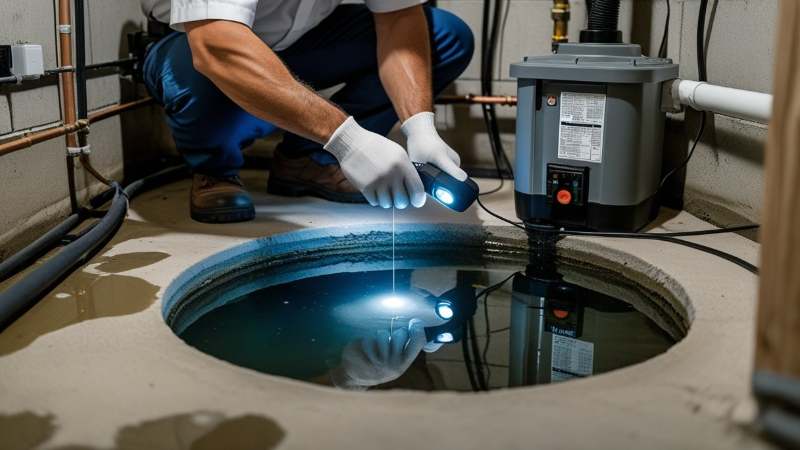
Sump Pump Troubleshooting Guide Made Easy for Homeowners
A sump pump protects your home from basement flooding, especially during heavy rains or spring thaw. Knowing how to troubleshoot your sump pump helps you spot problems early and avoid water damage.
If your sump pump isn't working, water may not move away from your home fast enough. This can lead to flooding or plumbing problems.
Learning the basics of sump pump care helps you keep your system running smoothly. You don’t need to be an expert to catch signs of trouble or handle simple fixes.
This guide will walk you through key steps to check your sump pump. It will also help you know when to call for professional help in places like Barrie, Richmond Hill and Newmarket.
Common Sump Pump Issues
Sump pumps keep your basement dry, but they can develop problems. Some issues come from power failures, while others result from mechanical faults or debris.
Knowing what to look for helps you avoid water damage and expensive repairs.
Pump Not Turning On
If your sump pump doesn’t turn on, check for a power failure. Make sure the power source works and the outlet is functioning.
Sometimes the plug comes loose or the breaker trips in your electrical panel. Check these first.
A faulty float switch can also cause problems. This switch activates the pump when water rises.
If it’s stuck or jammed, clear any debris blocking the float. Look for corrosion or visible damage to the switch.
If your pump is old or has run constantly, the motor may burn out. In this case, call a professional to inspect or replace it.
Strange Noises
Grinding, rattling, or screeching noises from your sump pump mean something is wrong. Grinding often means debris has clogged the impeller.
This debris can damage the motor if not removed. Rattling can come from loose parts or a loose pump in the basin.
Screeching or high-pitched noises may point to worn bearings or a motor issue. Make sure your sump pump is clear of stones, mud, and debris.
Tighten or replace any loose or worn parts. Regular cleaning can prevent these noises.
Excessive Vibration
A sump pump that vibrates too much can damage nearby plumbing and shorten its lifespan. Excessive vibration usually means the pump isn’t level or the impeller is damaged.
Check if the pump basin is secure and level. Adjust it if needed.
Vibration can also come from air trapped in the discharge pipe or worn motor mounts. Replace broken parts quickly to avoid further damage.
Pump Runs Continuously
If your sump pump runs non-stop, water might stay in the pit too long or the pump may be overloaded. A stuck or damaged float switch can keep the pump on even when the water is low.
If the pump can’t keep up with water due to heavy rain or drainage issues, it may run constantly. Make sure the discharge line isn’t blocked or frozen.
A failed check valve on the discharge pipe lets water flow back into the pit. Check and replace faulty valves to fix this problem.
If your pump runs too long, it may overheat and fail. Fix these problems as soon as you notice them.
Diagnosing Power and Electrical Problems
If your sump pump isn't working, the problem often starts with its power or electrical system. Check the power source, test the switches, reset any tripped breakers, and inspect cords to find the issue.
Checking Power Source and Outlets
Make sure your sump pump is plugged into a working outlet. Test the outlet by plugging in a lamp or another device.
If the outlet doesn’t work, check that the GFCI outlet hasn’t tripped. These outlets protect against shocks but can cut power to the pump.
Avoid using extension cords, as they can cause voltage drops. Confirm the pump’s power switch is on.
Sometimes, unplugging and plugging the pump back in can reset minor electrical problems.
Testing Float Switch Operation
The float switch tells the sump pump when to turn on as water rises. Check that the float moves freely and isn’t stuck on debris or against the pump.
If the float won’t rise when you pour water into the pit, the switch could be faulty. Gently lift the float by hand to see if the pump activates.
If it doesn’t, the float switch or wiring may need repair. A broken float switch means the pump won’t work during floods.
Resetting Circuit Breakers
A tripped breaker can cause sump pump power failure. Locate your electrical panel and check for any breakers in the “off” or middle position.
Flip the breaker fully off, then back on to reset it. If the breaker trips again right away, you may have a short circuit or overload.
Call an expert to fix electrical hazards.
Inspecting Power Cords
Your sump pump’s power cord can get damaged by moisture, wear, or cuts. Look for cracks, frayed wires, or scorch marks.
Never use a pump with a damaged cord. Replace the cord or call a licensed plumber to handle it safely.
Troubleshooting Water Flow and Drainage
If your sump pump isn't moving water properly, the cause is usually blocked pipes, backflow, or poor pipe placement. Fixing these issues keeps your basement dry.
Clearing Clogged Discharge Pipes
If water isn’t flowing out, your discharge pipe might be clogged. Check for debris like leaves, dirt, or ice.
Use a garden hose or plumber’s snake to clear the blockage. Inspect the pipe’s outlet outside your home.
Sometimes mud, crushed sections, or snow can block the pipe. Keep the discharge area clear to ensure water flows away from your foundation.
Schedule seasonal checks before spring or rainy seasons. Regular maintenance helps avoid backups.
Dealing With Backflow Issues
Backflow happens if water pushed out by your pump flows back into the sump pit. This can make the pump run continuously or flood your basement.
Install a check valve on the discharge pipe to prevent backflow. Make sure the valve is installed with the arrow pointing away from the pump.
Inspect it regularly, as debris can cause it to stick. If your sump pit refills quickly after pumping, check your valves and pipes for leaks or damage.
Fixing backflow improves pump efficiency and protects your foundation.
Adjusting Discharge Pipe Placement
Where your discharge pipe ends is important. The pipe should direct water at least 3 to 6 meters away from your foundation.
If the pipe ends too close or drains toward your house, water will pool near the foundation. Extend the pipe or add an elbow fitting to redirect flow.
Avoid discharging water onto neighbours’ property or municipal sewers. Aim for lawns, ditches, or storm drains designed for runoff.
Proper pipe placement reduces the chance of basement flooding.
Fixing Pump Mechanical Failures
When your sump pump struggles or stops, mechanical parts may need attention. Addressing impeller issues, clogged intake screens, or lack of lubrication can restore function.
Repairing Or Replacing Impellers
The impeller is a small fan inside the pump that pushes water out. If your pump isn’t moving water well, the impeller might be damaged or worn.
Check for cracks, broken blades, or debris wrapped around it. Remove debris or straighten bent blades if possible.
If the impeller is badly damaged, replace it. Turn off power, remove the pump from the pit, and open the housing to access the impeller.
Use the correct replacement part for your pump model.
Cleaning Intake Screens
Intake screens stop large debris from entering the pump. They can get clogged with dirt, leaves, or gravel.
Turn off the power and remove the pump from the pit. Use a brush or water to clean the intake screen.
Replace the screen if it has holes or tears. Regular cleaning keeps your pump working efficiently.
Lubricating Moving Parts
Some sump pumps have parts that need lubrication. Lack of oil or grease can cause friction and damage.
Use the lubricant recommended by the manufacturer. Apply it to bearings, seals, and shafts as directed.
Do not over-lubricate, as excess oil can attract dirt. Regular lubrication keeps parts moving smoothly.
Identifying Sump Pit and Basin Problems
Your sump pit and basin must stay clean and clear for your sump pump to work well. Look for debris and check water flow to avoid clogs or overflow.
Removing Debris From Sump Pit
Check your sump pit regularly for leaves, dirt, or grit. This debris can block the pump or make it work harder.
Use a wet/dry vacuum to remove debris. Avoid harsh chemicals that can damage pump parts.
Clean the pit walls to avoid build-up. If you see sludge or sediment, rinse the pit with clean water after removing debris.
Keep maintenance simple but consistent to prevent emergency repairs.
Preventing Pit Overflow
Overflow happens when water backs up faster than the pump can handle or when debris fills the pit. Make sure your pit size matches the water volume expected during heavy rain or snowmelt.
Check the float switch inside the pit. If it gets stuck, the pump won't turn on or off correctly.
Keep the float free and test it often by lifting it to start the pump. Good pit drainage and a clear discharge pipe help prevent overflow.
Inspect pipes for cracks or leaks every season, especially in areas with quick weather changes.
Preventative Maintenance Tips
Keeping your sump pump in good shape lowers the risk of failure. Regular checks, cleaning, and testing help your system work smoothly.
Routine Inspection Schedule
Check your sump pump every three months, especially before the rainy season. Look for cracks in the basin and clear debris near the inlet.
Make sure the power cord is undamaged and plugged in securely. Listen for unusual noises when it runs.
Inspect the float switch to ensure it moves freely. In areas like Simcoe County or Muskoka, regular inspection helps avoid water damage.
Cleaning Procedures
Remove dirt and grime from the sump pit regularly. Use a wet vacuum or scoop to clear out sediment.
Check the pump inlet screen for blockages. Clogged screens reduce water flow and strain the motor.
Clean the float switch gently with a cloth. Avoid harsh chemicals; plain water and mild soap are enough.
Clean every 6 months unless you see heavy debris or algae sooner.
Testing Backup Systems
If you have a battery backup, test it at least twice a year. Turn off the main power and run the pump on battery to confirm it works.
Batteries usually last 3 to 5 years and provide enough power for 4 to 8 hours of pumping during outages. Track the battery’s age and replace it when needed.
Check battery terminals for corrosion and clean them if necessary. Make sure the backup pump runs smoothly without strange sounds or interruptions.
When to Call a Professional
If your sump pump does not turn on even though water has collected, call a professional. This may mean a failed motor, a broken switch, or an electrical issue that needs expert attention.
Call for help if your sump pump runs continuously without stopping. This could mean a problem with the float switch, a clogged discharge pipe, or other mechanical faults.
Persistent running can lead to pump failure or flooding. Strange noises like grinding, rattling, or squealing mean worn parts or debris may be stuck inside.
A licensed plumber should inspect and repair your system if you hear these noises. If water backs up even when the pump runs, do not try complex repairs yourself.
Problems like blocked discharge lines, frozen pipes, or faulty check valves need professional tools and skills. Here are some signs you should call a plumber:
- Pump never activates during heavy rain or flooding
- Water leaks near the sump pit or pump base
- Battery backup system fails during power outages
- Visible rust or corrosion on pump components
- Electrical hazards, such as sparks or burning smells
A trusted plumber in Barrie, Richmond Hill and Newmarket can provide reliable sump pump repair. Licensed journeyman plumbers bring experience and quality workmanship to protect your home and cottage plumbing systems.
Safety Precautions and Best Practices
Before working on your sump pump, always turn off the power to avoid electrical shocks. If the pump is plugged into an outlet, unplug it first.
If it’s hardwired, switch off the breaker in your electrical panel. Wear gloves and safety glasses when handling the pump or any plumbing parts.
This protects your hands from sharp edges and your eyes from debris. Keep the area around your sump pump clean and dry.
Wet conditions increase the risk of slipping and electric hazards. Never attempt repairs if you’re unsure about the issue.
Plumbing and electrical problems are best handled by a licensed professional, especially in rural or cottage settings where systems may vary.
Here are some quick safety tips to remember:
| Safety Step | Why It Matters |
|---|---|
| Turn off power before work | Prevents electrical accidents |
| Use protective gear | Protects hands and eyes |
| Avoid wet conditions | Reduces slipping and shock risks |
| Call a licensed plumber | Ensures safe and proper repairs |
Regular maintenance helps prevent sudden failures and costly damage. Check your sump pump at least twice a year.
Look for blockages, test the float switch, and clear the discharge pipe. If your sump pump operates during heavy rain or melting snow, make sure its power source is secure.
Consider a battery backup system for peace of mind during power outages in Ontario’s storms.
Frequently Asked Questions
Knowing why your sump pump might not turn on or how to listen for unusual sounds can save you time and prevent damage. You’ll also learn how to check if your sump pump runs correctly, keep it from clogging, and test its backup system to be ready during power outages.
Why isn't my sump pump turning on?
Your sump pump might not turn on if it has a power issue, such as a tripped breaker or unplugged cord. The float switch could be stuck or damaged, stopping the pump from activating.
Sometimes debris blocks the pump inlet and prevents proper function.
How can I tell if my sump pump is working properly?
Check if water moves out when the water level rises in the sump pit. You should hear the pump turn on and see water flow through the discharge pipe.
Test it by pouring water into the pit to trigger the pump.
What should I do if my sump pump is making strange noises?
Unusual sounds, like grinding or rattling, may mean debris is caught in the pump or the motor is failing. Switch it off, inspect for blockages, and clean the pump.
If noises continue, call a licensed plumber for a professional check.
Can I fix a sump pump that's constantly running, or is it time for a replacement?
A sump pump running non-stop can signal a stuck float switch or high water table issues. Sometimes cleaning or adjusting the float solves it.
If the pump runs continuously despite fixes, consider replacing it to avoid damage.
What are the steps to test my sump pump's backup system?
Test a battery backup by unplugging the main power and watching if the backup pump starts automatically. Check the battery’s charge level and replace it if weak.
Regular testing helps ensure your pump works during power outages.
How can I prevent my sump pump from getting clogged?
Clean the sump pit regularly to remove dirt, mud, and debris. Check that the grate or screen over the inlet stays intact to block large debris.