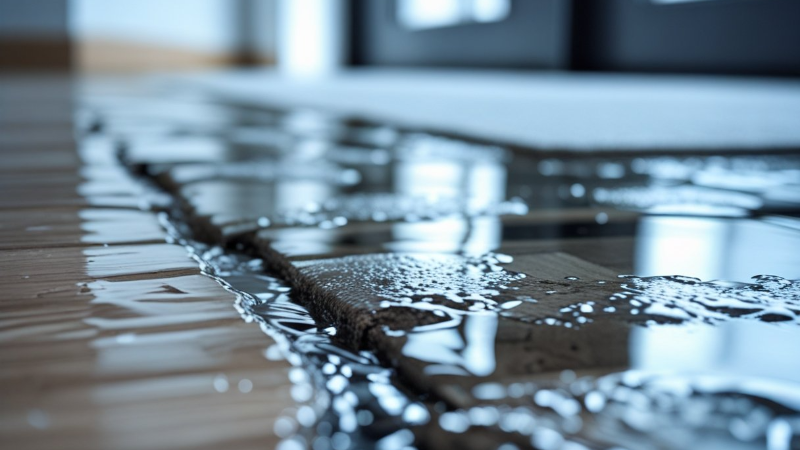
How to Keep Water From Seeping Through Basement Floors With Simple DIY Tips
Water seeping through basement floors can cause serious damage and frustration in any home. The best way to keep water out is to create a solid barrier by using proper drainage, sealing cracks, and installing a reliable sump pump system. These steps help protect your basement from moisture and keep your space dry.
You might not realize that small cracks or poor drainage around your home can let water sneak inside. Fixing these issues early can save you major headaches later. Harris Plumbing, with over 51 years of experience serving Barrie, Orillia, and Simcoe County, often recommends regular basement maintenance and sump pump checks to keep water where it belongs—outside.
If you want to protect your basement from unwanted water, you’ll need to get a handle on groundwater and improve your home’s drainage. Let’s walk through some straightforward ways to stop water from seeping through your basement floors and make your home safer and more comfortable all year.
Understanding Basement Water Seepage
Water can get into your basement in a bunch of ways, often thanks to the soil, rainfall, or just how the basement was built. Knowing what causes seepage and spotting the warning signs helps you stay ahead.
Common Causes of Water Intrusion
Water usually seeps in because of pressure from wet soil outside or cracks in the foundation. Heavy rain or melting snow just adds more moisture around your home. If your yard doesn’t slope away from the house, water pools near the basement walls.
Clogged gutters and downspouts can let water gather by your foundation. Sometimes, if there’s no proper waterproof barrier, water will come up through the basement floor. Flooding, busted sump pumps, or a high water table make things worse.
How Basement Construction Affects Moisture
The way your basement was built matters a lot. Concrete walls and floors need to be sealed right to keep water out. Even tiny cracks or holes can let moisture sneak through.
Older basements often miss out on modern waterproof coatings or drainage membranes. If there’s no sump pump system, water can build up fast. And if the basement floor was poured right on the soil without a moisture barrier, water can rise straight through.
In places like Simcoe County or Muskoka, where soils can be tricky, you need to be extra careful. Harris Plumbing can help with sump pump installs or checks to keep water from building up.
Identifying Signs of Seepage
You’ll spot water seepage by looking for damp spots or stains on walls and floors. Musty smells? That’s usually mold or mildew from too much moisture. Small puddles or wet patches after rain or snowmelt are big red flags.
Cracks in the foundation that grow over time often let water in. Peeling paint or bubbling on walls can mean moisture’s getting in. If you see any of these, don’t put off repairs—catching problems early can save your basement from serious damage.
Harris Plumbing can inspect your basement to spot these issues and suggest fixes before they get out of hand.
Assessing the Source of Basement Moisture
To keep water from seeping through your basement floor, you’ll need to figure out where it’s coming from. Sometimes it’s outside, sometimes it’s inside—like from plumbing issues. A good inspection will point you in the right direction.
Exterior vs. Interior Water Issues
Water can make its way in from outside through cracks, bad drainage, or just a high water table. Look for damp walls after heavy rain or water pooling near your foundation. Make sure gutters and downspouts are moving water away from your home.
Inside, leaks might come from pipes, clogged drains, or a sump pump that isn’t working right. If you notice damp spots that won’t go away, or if you have a sump pump, check that it’s running properly. Harris Plumbing recommends adding a battery backup sump pump in places like Muskoka or York Region, where heavy rain is common.
Performing a Basement Inspection
Start by checking walls and floors for cracks or discoloration. A flashlight helps you spot trouble in corners and near drains. Touch the surfaces—any damp or cold spots, especially after it rains, are worth noting.
Inspect plumbing lines and appliances for leaks or condensation. Take a look at sump pump pits for debris or clogs. Keeping up with regular inspections helps you catch problems early. Harris Plumbing offers these inspections in Simcoe County to help homeowners find hidden water risks before things get messy.
Improving Exterior Drainage
Keeping water away from your basement starts outside. You’ve got to make sure water flows away from your foundation and doesn’t pool up by your walls or floors. Grading, gutters, and downspouts all matter here.
Grading the Landscape Away from Foundation
Your yard should slope away from your house by at least 5 cm (2 inches) over the first meter (3 feet). That way, water moves away instead of hanging out by the foundation.
Use soil or gravel to create a gentle slope. Don’t let the ground settle or erode near the foundation—water will find its way in if you do.
Plants and mulch can help, but don’t pile them up against the walls or block drainage. If your land dips toward the house, add soil and reshape the ground.
Maintaining Gutters and Downspouts
Clogged gutters overflow and dump water right next to your foundation. Clean them out regularly, at least twice a year.
Check for leaks or damage so water flows through gutters and downspouts without trouble. Fix any sagging sections that trap water.
Make sure gutters are lined up right to catch rain and send it away from your roof and walls.
Extending Downspout Discharge
Downspouts should move water at least 1.5 to 3 metres (5 to 10 feet) from your home. If water falls too close, it’ll soak into the soil and cause basement seepage.
Add downspout extensions or splash blocks to send water farther out. For heavy rains, maybe bury downspout pipes to get water even farther away.
With winter on the way in Barrie, Orillia, and Simcoe County, check that these extensions won’t freeze or clog up.
A pro like Harris Plumbing can check your setup and suggest the best drainage system for your home in Simcoe County or Muskoka. Their know-how with sump pumps and drainage helps protect basements from water damage.
Sealing Basement Floors and Walls
Keeping water out means building a tough barrier on your basement floors and walls. You’ll need the right products and techniques to fill cracks, block moisture, and stop seepage. Good sealing keeps your basement dry and your home safe.
Applying Concrete Sealers
Concrete sealers are liquids you brush or roll onto your basement floor and walls. They soak in and create a water-resistant layer, blocking water from sneaking through tiny pores and cracks.
Pick a sealer made for basements, since it needs to handle moisture from both sides. Before sealing, clean everything well and let it dry. Cover every inch evenly for the best results.
Concrete sealers last a few years, but you’ll want to check them now and then. Harris Plumbing says regular inspections help you spot early wear.
Using Epoxy Injections for Cracks
If you see cracks in your basement floors or walls, epoxy injections can seal them up. This process involves injecting a liquid epoxy resin into the cracks, where it hardens and forms a solid seal.
Epoxy bonds tightly to concrete, stopping water and restoring some strength to the area. It’s good for both small and larger cracks.
Getting the job done right takes a bit of skill. Many people trust licensed plumbers, like those at Harris Plumbing, to handle repairs in Barrie, Orillia, and Simcoe County. Fixing cracks quickly keeps your basement safer from water damage.
Installing Vapor Barriers
A vapor barrier is a sheet of plastic or special material that goes under the basement floor or on the walls. It blocks moisture from coming up from the ground or through the walls.
It’s best to install a vapor barrier early, like during a basement remodel or build. If your basement’s already finished, you can still add it to the walls or floor during an upgrade.
Make sure seams overlap and use tape to keep water out. Vapor barriers work well with sealers and sump pumps to keep basements dry. In wet areas of York Region and beyond, this kind of protection really matters.
Waterproofing Solutions for Floors
To keep water from seeping through basement floors, you’ll need materials and methods that block moisture. Protect concrete floors by applying waterproof layers and sealing up any gaps or joints.
Waterproof Paints and Membranes
Waterproof paints form a barrier on your basement floor to stop moisture. These are usually made for concrete and go on with a brush or roller. Look for masonry waterproofing products that resist water pressure and last a long time.
Liquid membranes are thicker and create a rubber-like coating over the floor. They seal the whole surface, keeping water out. You might need a primer first, then two coats of membrane.
Both methods need a clean, dry floor for best results. Harris Plumbing suggests checking for cracks or damage first so the waterproofing sticks well.
Sealing Floor Joints
Joints and cracks between floor slabs are common spots for water to get in. Flexible sealants made for concrete can fill these gaps. These sealants flex with the floor as temperatures change, keeping water out even when things shift.
Inspect floor joints regularly and reseal them if cracks show up again. For bigger cracks, epoxy injections work well.
When sealing, clear out dirt or debris first so the material bonds right. If you’re not sure what to use, or just want some advice, Harris Plumbing in Muskoka or York Region can help out with expert service.
Addressing Foundation Cracks
Fixing cracks in your basement’s foundation is crucial if you want to stop water from seeping through the floor. Quick repairs and regular upkeep help you avoid water damage and expensive fixes.
Repairing Hairline and Structural Cracks
Small cracks, like hairline ones, can be sealed with epoxy or polyurethane injections. These materials fill gaps and block water. For bigger structural cracks, it’s smart to call a pro to check things out. They might use hydraulic cement or carbon fibre strips to reinforce the wall.
Clean the crack and clear out loose debris before you start. Make sure the area is dry. You can get sealant kits at hardware stores, but for big jobs, reach out to Harris Plumbing. Their licensed journeyman plumbers have seen plenty of foundation repairs in Ontario homes and cottages.
Preventive Maintenance Tips
To avoid new cracks, keep the soil around your home sloped away from the foundation. That way, water moves away and doesn’t push on your walls. Check gutters and downspouts to make sure they’re clear and sending water far from your basement.
Keep your sump pump system in good shape. A working sump pump stops water from building up near your foundation. Harris Plumbing offers sump pump repair Ontario homeowners trust. Regular inspections can catch issues before they turn into leaks or cracks.
Interior Drainage Systems
Managing how water collects and moves under your home is key to stopping water from seeping through your basement floors. Good interior drainage systems catch and remove water before it causes problems. This usually means installing special drains or pumps to keep things dry.
Installing a French Drain
A French drain is a trench filled with gravel and a perforated pipe that catches water under your basement floor. Water flows into the pipe and gets carried away from your home. Installing one means digging up a section of your basement floor.
The drain should slope toward a safe drainage spot or a sump pump basin. This setup helps prevent water buildup under the floor. Getting it installed right is important, so hiring pros like Harris Plumbing means the system will work as it should.
Sump Pump Systems
A sump pump sits in a pit or basin where water collects in your basement. When the water level rises, the pump kicks in and sends water outside, away from your foundation.
Sump pumps are a must in areas with high water tables or heavy rain. Think about adding a battery backup pump to keep your basement dry during power outages. Harris Plumbing installs and repairs sump pumps for Barrie, Orillia, and Simcoe County homeowners who want peace of mind against flooding.
Basement Flooring Options to Prevent Seepage
Picking the right flooring—and putting it in the right way—can help keep water from seeping through your basement floor. Go for materials that resist moisture and look for systems that create a barrier underneath to keep your space dry.
Choosing Waterproof Flooring Materials
When you’re picking basement flooring, focus on materials that won’t soak up water. Vinyl tiles or sheets? They’re a solid pick—waterproof, easy to clean, and honestly, they just make life simpler. Ceramic or porcelain tiles also work because water doesn’t get through them.
Steer clear of carpets or wood, since they’ll just soak up moisture and end up ruined. If you want extra peace of mind, look for flooring with waterproof backing. That extra layer can help block water creeping up from cracks or just from humidity.
Think about how you actually use your basement. If it’s a spot that’s likely to flood, you’ll want tough, water-tight materials. Most folks in Ontario seem to go for vinyl or tile—Harris Plumbing often suggests those too—since they hold up against moisture.
Using Subfloor Systems
Subfloor systems can really help stop water from coming up through concrete. These are basically layers—panels or plastic grids—that sit above the concrete slab, letting air move and water drain away.
A dimpled plastic membrane is a popular choice. It lifts your finished floor off the concrete, channeling any water toward a sump pump or drain. This keeps things dry and helps stop mould from taking over.
If your basement’s had seepage before, these systems are worth a look. Especially in spots like York Region or Muskoka, where groundwater loves to make an appearance. Harris Plumbing installs these subfloors to help keep basements dry and, honestly, just more livable.
Managing Basement Humidity
Humidity in the basement can lead to dampness and even water seeping through floors or walls. Keeping moisture levels in check is crucial if you want a dry, usable basement. The right tools and a little know-how go a long way here.
Dehumidification Strategies
A good dehumidifier makes a huge difference. Make sure the unit matches your basement’s size so it can handle the job. Run it regularly, especially when it’s wet outside, to keep mold and that musty smell at bay.
Don’t shove the dehumidifier into a corner—give it some space for air to flow. Empty the bucket often, or hook up a drainage hose if possible (seriously, it saves hassle). For those weird, tucked-away spots, try desiccant packs or moisture absorbers.
A solid dehumidifier works well with sump pumps. Harris Plumbing can help with both, making sure water stays out from under your floor.
Ventilation Techniques
Getting air moving is another key trick. If you’ve got basement windows, open them up when the weather’s decent—fresh air in, stale air out. In winter, exhaust fans or air exchangers help move damp air outside without freezing you out.
Install vents near the floor and ceiling to help air circulate and keep moisture from building up. Check that vents and fans aren’t blocked or clogged with dust.
Fans help too, speeding up drying when things get wet. When you pair fans with dehumidifiers, you really get basement humidity under control and keep those floors dry.
Professional Solutions and When to Call for Help
If water keeps seeping through your basement floor, it’s probably time to get professional help. Plumbers like the folks at Harris Plumbing can check things out and recommend solutions that actually work.
Common fixes? Sump pumps—they move water out before it can do any damage. Sometimes you’ll need floor coatings or sealing systems, but leave those to the pros if you want a proper water barrier.
Hydrostatic pressure (basically, water pushing up from the ground) can force water through cracks. Plumbers use special pumps and drainage setups to deal with that. Trying to DIY these solutions is just asking for headaches.
Call in help if you see persistent water pooling, notice musty smells, or spot new cracks in the floor. Big water problems lead to mould, and that’s something you want to handle sooner rather than later.
Professional plumbers offer clear pricing and stand by their work. It’s a relief knowing the job’s done right.
Here’s when to call a pro:
- Water keeps coming back
- You see cracks or damaged flooring
- There’s mould or damp patches
- Issues show up after heavy rain or melting snow
Don’t wait for a small leak to turn into a disaster. Getting advice from a local company like Harris Plumbing in Simcoe County or York Region can make your home drier and safer.
Frequently Asked Questions
Keeping water out of your basement floor means tackling both inside and outside issues. You’ve got to control where water collects, keep drains clear, and fix cracks or weak spots in the foundation.
What are effective methods to prevent water leaking into the basement after heavy rain?
Make sure your gutters and downspouts send water at least two metres away from your house. If water gathers near the foundation, install a sump pump. Also, check that the ground slopes away from the house to stop water from pooling.
Can DIY solutions be effective in stopping water from seeping through basement floors?
DIY fixes can help with small stuff—like sealing cracks with waterproof sealant or cleaning gutters. But bigger issues? You’ll want a plumber or contractor. Sump pump installs and foundation repairs are best left to professionals, like the team at Harris Plumbing.
What causes water to come into the basement from the outside walls, and how can it be stopped?
Water usually seeps through basement walls when the soil outside is soaked or gutters overflow. To stop this, you might need exterior waterproofing, better grading, and working drainage—like French drains or perimeter drains.
Why does water come up through the basement floor when there's no rain, and what can I do about it?
That’s often due to a high water table or groundwater pressure pushing up through cracks or porous concrete. You may need a sump pump or interior drainage channels to move that water away from your floor.
What are the steps to fix water leakage into the basement following a rainfall?
First, redirect water outside by fixing drainage. Remove standing water inside with pumps or a wet vac. Dry everything out using dehumidifiers. Then check for and repair cracks or weak spots in the floor and walls to keep leaks from coming back.
What are budget-friendly options for waterproofing a basement floor?
You could roll on a waterproof epoxy or sealant coating—those don’t usually break the bank and can really help. Just keeping your gutters clear and making sure the ground slopes away from your house? That’s free and surprisingly effective. Not sure where to start? Harris Plumbing might have some ideas for repairs that won’t drain your wallet.